Spring pheromone trapping helps determine when male codling moths begin flying. It is a monitoring tool—not proof of fruit infestation and usually not a stand-alone control. This page is a concise field procedure; use the codling-moth life-cycle guide to interpret generations.
When to place traps
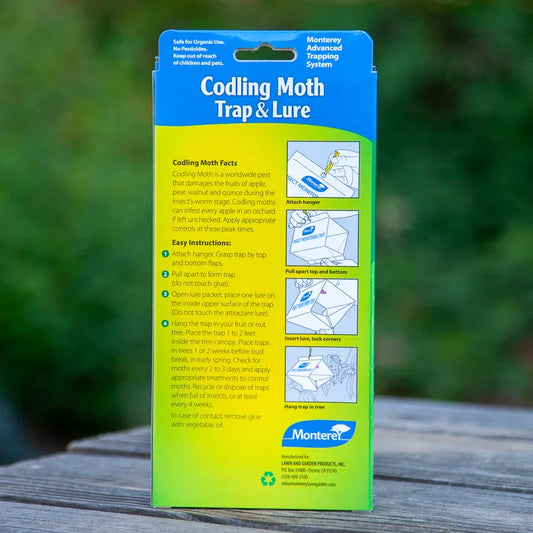
Install species-specific codling-moth pheromone traps before expected adult emergence, commonly near bloom in apples, but use local extension timing because calendar dates vary greatly by climate and elevation. Follow the trap and lure instructions for placement, number of traps, lure storage, and replacement.
How to monitor
- Label each trap with location and installation date.
- Hang it in the tree canopy as the product directions specify.
- Check on a consistent schedule, often weekly unless local guidance recommends otherwise.
- Count and remove or mark captured target moths so they are not counted twice.
- Record trap condition, lure age, weather, and catch.
- Replace sticky liners or lures only according to product instructions.
Identify the moth correctly
Pheromone traps may contain nontarget insects. Compare size and markings with a reliable identification source. If uncertain, photograph the specimen and consult local extension. An isolated moth is less informative than a sustained catch pattern.
From catch to biofix
Many degree-day programs establish a “biofix” from sustained capture near suitable temperatures, then model egg hatch from accumulated heat units. Definitions and thresholds vary by model and region. Do not invent a biofix from one trap check; follow a locally validated program.
Pair trapping with fruit inspection
Look for entry holes and frass, remove infested dropped fruit promptly, and keep records. Trap counts indicate adult activity but do not directly measure how many larvae are in fruit.
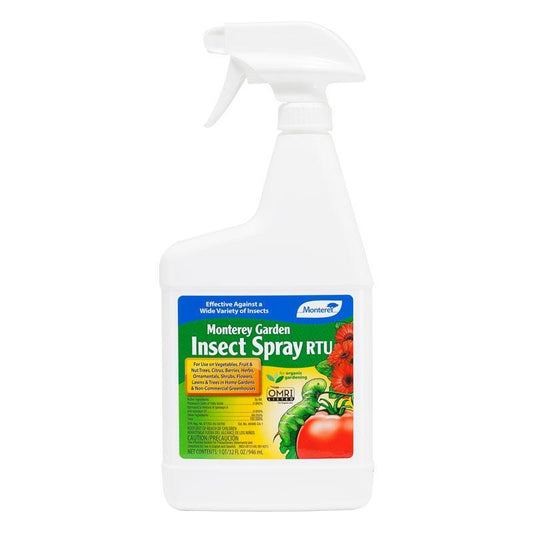
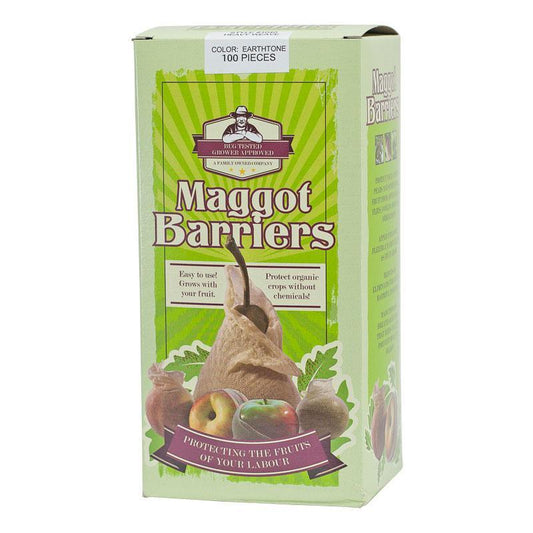
For management options, use the integrated codling-moth control guide or watch the codling-moth video. Browse codling-moth monitoring and control products, confirming the label and instructions for your crop and intended use.
Related Pest Control Resources
Content role: Supporting guide · Topic: Codling moth & apple worms
- Worms in Apples: Tips for Dealing with a Worm in Apple and Preventing Apple Worms
- Pest Control Solution Chart
- Browse Insect Control products
- Choosing the Right Apple Tree fruit-tree guide
Identify the pest or problem first. For pesticides, repellents, traps, and biological controls, confirm that the current label or directions cover the target site and pest. Follow all directions and precautions.