How to Choose a Botrytis Blight Fungicide
Start with the crop and the diagnosis. Botrytis blight, also called gray mold, can show up on flowers, fruit, and tender growth. The collection includes concentrates and ready-to-use products for plant disease management. Read the label for the exact product before buying. Check that your crop, growing site, and intended use are listed.
Check the symptoms before buying
Gray mold can look like fuzzy gray growth on soft or decaying plant tissue. Other fungal diseases and growing problems can cause spots or decay, so check the signs before spending money on a product. The UC IPM gray mold guide shows what to look for and explains when wet conditions favor the disease. If you see damage on more than one crop, check each crop before deciding whether it needs the same treatment.
Match the product label to the crop and site
Read the crop list, where the product can be used, and what it says about Botrytis. A product listed for outdoor ornamentals may have different directions for food crops or greenhouse plants. For edible crops, check whether the label specifies a time to wait before harvest. Review any restrictions and required precautions before you buy. Check the package size against the area you need to cover only after you have confirmed a suitable use.
Compare concentrates and ready-to-use formats
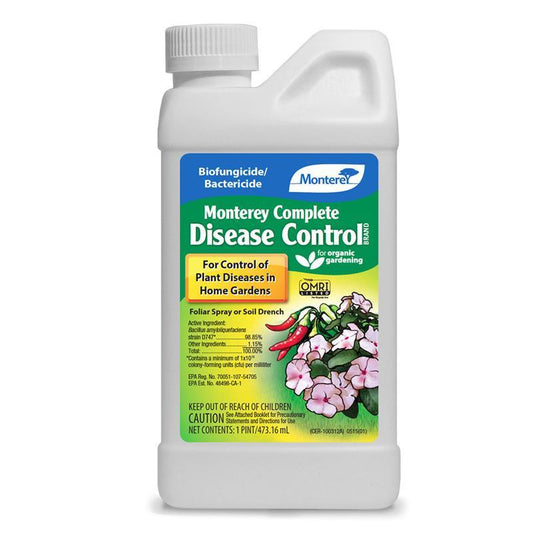
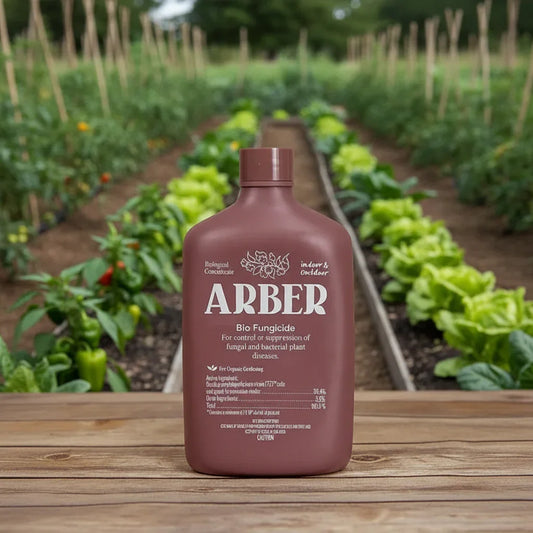
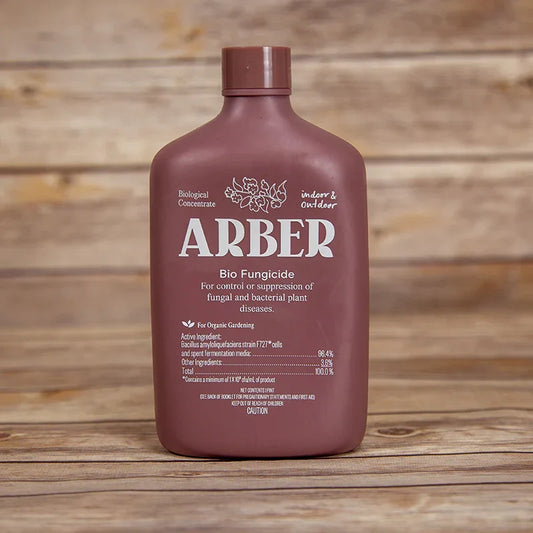
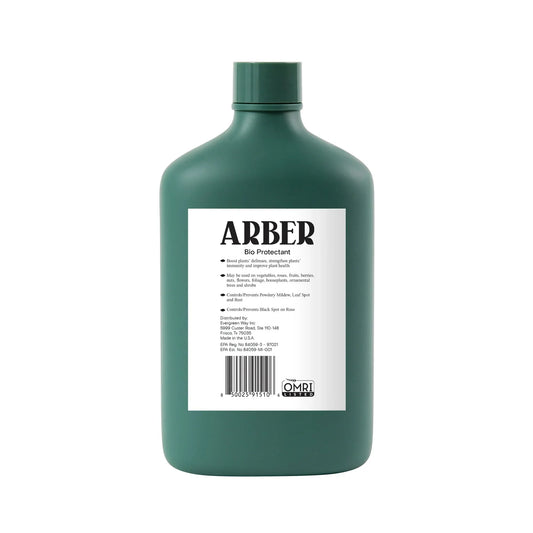
This collection lists Monterey Complete Disease Control in a pint and Arber Bio Fungicide Concentrate. Check their individual labels for crop and disease coverage. Concentrates require measuring and mixing as the label directs. A ready-to-use format can be easier to handle for a small planting if its label covers the same job. Confirm the formulation and size on the listing before ordering. If you need to compare two containers from the same brand, read the label on each one.
Plan for moisture and airflow
Clear plant debris and spent blooms. Improve air circulation by giving plants space, and reduce leaf wetness where you can. Check whether your watering method leaves flowers and leaves wet for long periods. A Botrytis cinerea treatment plan depends on what you grow and where the disease appears. Use the label and crop-specific guidance to decide whether a fungicide fits that plan and when it is intended to be used.
Check flowers and fruit during damp weather
Look at spent flower petals and soft fruit first if plants have been damp. UC IPM notes that high humidity and wet tissue favor gray mold. Remove old blooms and damaged tissue that can hold moisture. Leave space between plants so leaves and flowers can dry. These steps can help prevent Botrytis from getting established where wet foliage and poor airflow are part of the problem.
Use the current label at purchase
Read the label details for the size and formulation you are ordering. Check the application equipment it calls for, the precautions for handling it, and how you will store any unused product. If the label distinguishes between preventing disease and applying it after symptoms appear, use that distinction as part of your purchase decision. When the crop is near harvest, check the directions for harvest timing before adding a product to your cart.
Decide whether a product belongs on your list
Write down the crop, where it grows, and what part of the plant shows damage. If the label gives separate directions for different crops, mark the section that applies to yours. If you cannot find your site or the use you have in mind, keep looking for a label that does cover it. If you have more than one crop, check each one before assuming that a single product will meet all your needs.


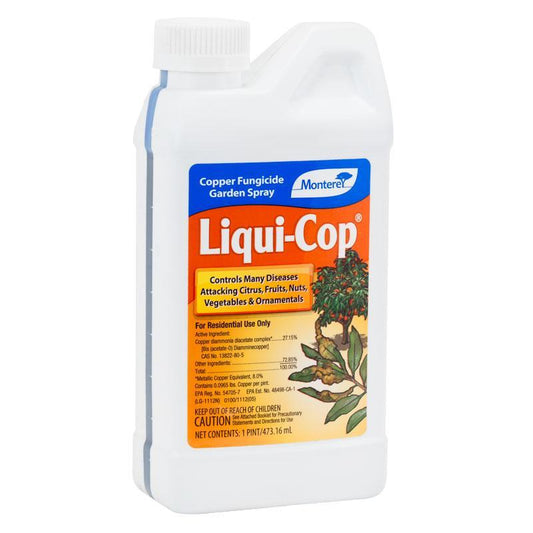

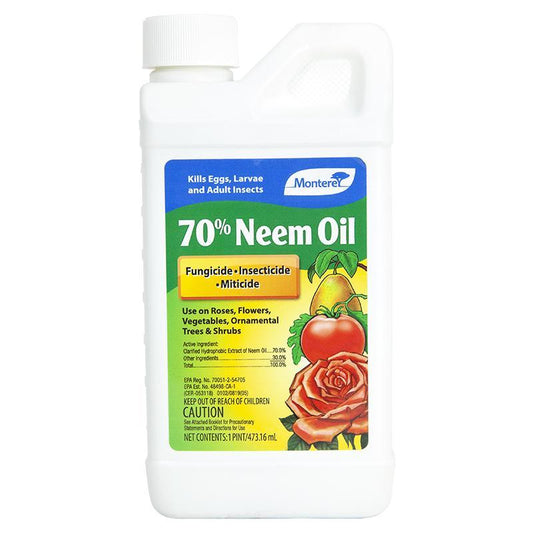


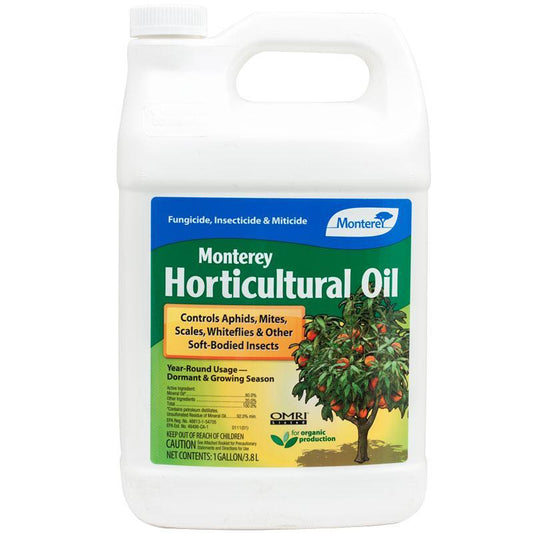

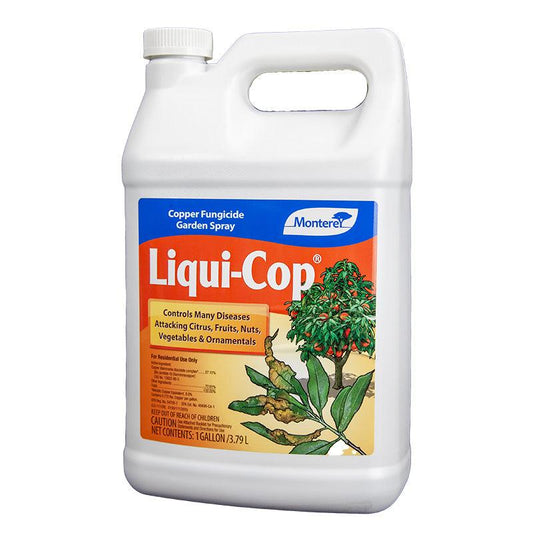




 Sold out
 Sold out


