

Introduction
When is the best time to plant wildflower seeds? For many mixes, spring or fall works well, but the right timing depends on your climate and the species you choose. Local rainfall, soil temperature, and moisture also affect seed germination.
Learning when to plant wildflowers starts with reading the seed packet and choosing species suited to your site. Our guide to wildflowers, not weeds can help you get started with wildflower gardening.

Spring or Fall: When to Plant Wildflower Seeds
The best time of year to plant wildflowers is not the same everywhere. Spring planting gives seeds a growing season to establish before winter. Sow after conditions become suitable for your selected species and keep the soil moist during early establishment when needed.
Fall is another time to plant wildflower mixes, especially where seeds benefit from winter cold and moisture. Some native plants need cold, moist stratification before they germinate. For these species, plantings in the fall can provide those conditions naturally.
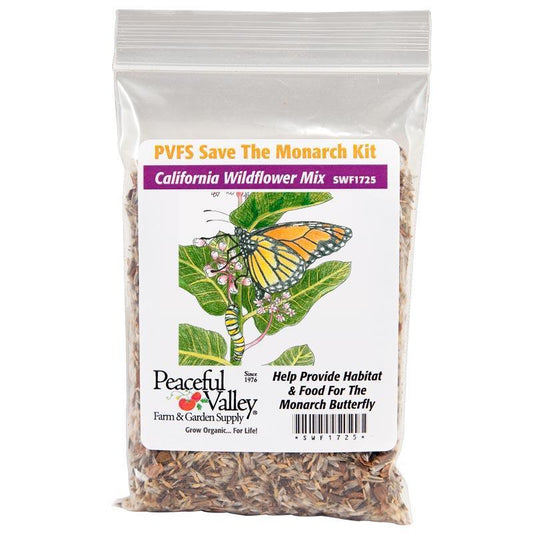
If you are deciding when to sow wildflower seeds, follow the directions for your specific mix rather than using one date for every species. The North American Perennial Native Wildflower Mix is one option, while the Northwest Wildflower Mix is designed for a specific region.
Our wildflower planting video and guide to site preparation and planting time provide more planting help.
Can You Plant Wildflowers in Summer?
Can you plant wildflowers in the summer? Sometimes, but summer heat can make establishment harder because soil dries quickly.
Gardeners also ask, can you plant wildflowers in July and can you plant wildflower seeds in July? Summer sowing may work for suitable species when water is available, but it is not automatically the best time of year to plant wildflower seeds.
Likewise, can you plant wildflowers in august or can you plant wildflower seeds in august? The answer depends on your climate, rainfall, species, and time remaining before cold weather. If you wonder, is July too late to plant wildflower seeds or is it too late to plant wildflower seeds, check the seed mix and local conditions instead of relying only on the calendar.

Choose the Right Site
Most meadow mixes prefer full sun, but not every wildflower does. Choose wildflower plants for shade when sunlight is limited. The North American Shade Wildflower Mix is designed for lower-light sites and can be useful when growing wildflowers in shade.
Some wildflowers tolerate poor soils, and adding large amounts of fertilizer is not automatically helpful. Match the species to your growing conditions. If a soil test indicates a need, choose amendments carefully rather than fertilizing by habit.
You can browse wildflower seeds for garden areas and other flower seeds to compare options. A wildflower lawn seed mix should also be selected for the site's climate, light, and intended use.
Preparing and Sowing the Site
Good preparing the soil starts with removing existing vegetation. Wildflower seedlings compete poorly with established weeds, so reducing weed seeds and perennial weeds before planting is important.
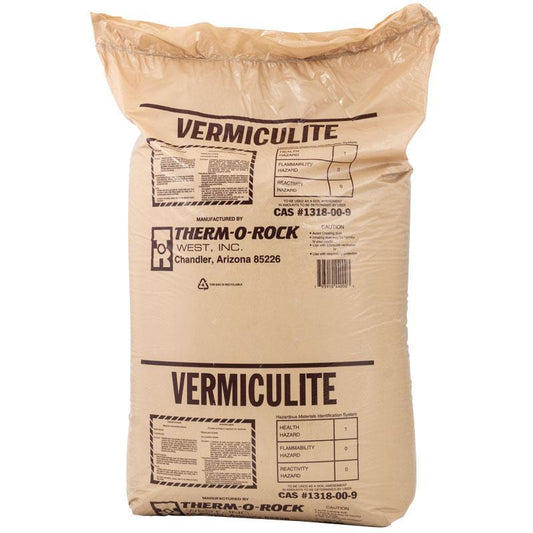
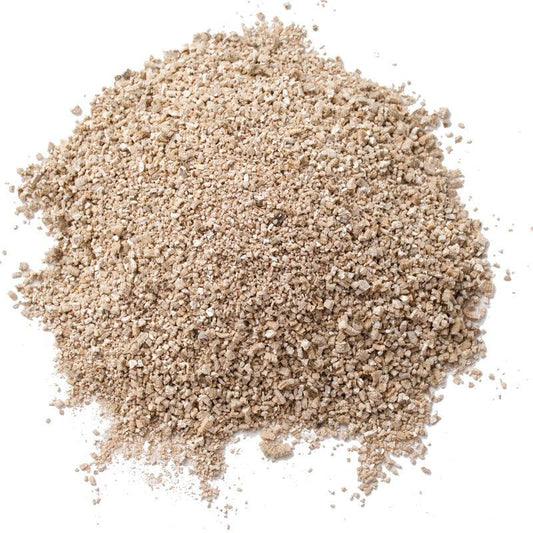
When sowing wildflower seed, spread it evenly across the prepared planting area. Mixing tiny seed with an inert carrier such as vermiculite can make even distribution easier. Press seed into the surface for good contact rather than deeply burying small seeds unless the packet directs otherwise.
Read how to grow flowers from seed and how to read a seed packet before sowing seeds. Different species have different planting depths and germination needs.
How long does it take wildflower seeds to germinate? There is no single answer. Species, moisture, temperature, dormancy, and other conditions affect the timing.

Choosing Wildflowers for Your Goals
An annual wildflower may flower during its first season, while many perennials take longer to establish. Some mixes include both.
Wildflowers can also attract pollinators when suitable flowering species are chosen. See our guide to attracting pollinators to the garden for planting ideas.
The best time to spread wildflower seeds still depends on the species and region. Whether deciding when to grow wildflowers in spring or fall, give young wildflower seedlings time and suitable moisture to establish. Wildflowers may be easy to grow once established, but good site preparation matters.
Conclusion
There is no single national answer for when to plant wild flowers. Spring and fall are common planting seasons, while summer planting requires closer attention to heat and water.
If you are wondering when is a good time to plant wildflower seeds, start with your regional climate and seed packet. Proper site preparation, suitable species, and good seed-to-soil contact matter as much as the planting date.















5 comments
Spring of 2020 we started our garden in May and it turned out well. I used a hose and watered daily for about 5 weeks to get it going. In late fall I planted more annuals and perennials about two days before the first snow, we live in New Hampshire. The Lupines are already going strong!
I have in Pennsylvania in the Bucks County Area .
If you have a problem with birds digging up your seeds .
It’s good to
In a separate area throw bird seed .
So you still are doing some good . For the natural wild life .
Of course with seeds .
Sometimes planting in a well tilled area .
And using the
Throw method .
…..
Just as nature normally does it own seed planting
…..
Also I usually wait two to three days and re-seed. And yes water immediately. Causing the seeds to set in the ground .
It’s kinda funny how people do not like squirrels.
EVERY ONE has to eat.
Remember that you are planting a garden for nature. Birds and the bees and yes other bugs.
I find myself sowing seeds in the early spring time . Here late April..
Because of the weather we still get cold nights
Enjoy your self planting and yes you can make any area look awesome
Thank you for your information.
Sincerely Gregg
I too live in an area filled with birds and my attempts at sowing seeds met with limited results. Now, I cover any bed(and almost anything I plant until it sprouts) with chicken wire and weigh down the ends with small-medium rocks. The chipmunks and squirrels are the biggest nuisance as they constantly dig in any fresh dirt they encounter. The wire works really well, though I once caught a chipmunk underneath. He’s able to dig through the wire a bit, but I figure he’s due his share. I first used chicken wire to bury bulbs and it worked liked a charm.
On Mt. Palomar San Diego, Ca. rain conditions vary greatly, year to year. Best success with wild flowers is to use a 3 prong cultivator to rake in the seeds. Long 5 foot handle." Any time of the year. Let Mother Nature germinate in her own time. Place seed in a container such as a salt shaker. Shake the seed out at a good pace within a 20 foot square, that rake in, re-rake over with the backside of a regular rake. Do another 20 foot square. Than, “See the lilies in the fields, they toil not.”
I live in an area full of birds of many kinds, so unless I apply a light covering to the seeds, they are gone almost immediately. After spreading the seeds, I cover with a thin application of a bagged organic mulch, then water. I have great success with this for several years.