Choose Bay Area winter crops from workable soil, usable light, root-zone moisture, and the garden's actual frost exposure—not from one regional calendar. Greens, roots, and peas can fit many winter sites, but a foggy coastal bed, saturated bayside clay, a warm inland wall, and a cold low pocket do not share the same establishment window. Diagnose the bed first, then choose a crop and protection plan that can be managed through rain and mild spells.
Use the Bay Area winter garden plan to place crop choices in seasonal context. Match crop selection, sowing sequence, and frost-pocket protection to soil workability, drainage, irrigation, pest pressure, and any nearby bare-root planting.
Test the planting window before choosing seed
- Workability: Do not enter or prepare a bed when soil smears, shines, ribbons strongly, or stays molded. Use the winter soil-care guide if saturated ground is the binding constraint.
- Light: Track direct sun and bright open-sky light at crop height. Short days, a marine layer, buildings, and evergreen canopies can make a theoretically hardy crop grow too slowly for the space.
- Temperature: Measure soil where seed or roots will sit and air temperature in the coldest relevant zone. The same yard can contain a warm wall and a frost pocket.
- Moisture and drainage: Check below the surface. Seed can rot in a saturated seedbed, while containers under eaves may remain dry after rain.
- Forecast and management: Consider the next rain, wind, and cold event, plus whether covers can be secured, vented, removed, cleaned, and reused.
The UC Master Gardeners' local winter guidance distinguishes foggy, sunny, and hotter subareas and directs gardeners to watch frost warnings. That reinforces a site-specific decision. USDA hardiness zones describe average annual extreme minimum temperatures for perennial screening; they do not supply vegetable planting dates or guarantee protection in a particular freeze.
Subregional crop and timing matrix
| Bay Area segment | Crop opportunities | Trigger to proceed | Reason to pause or change course |
|---|---|---|---|
| Coastal fog belt | Leafy greens, selected roots, and peas where light and airflow are adequate | Workable, draining bed; sufficient light; foliage can dry; stable supports for peas | Persistent leaf wetness, wind exposure, slow growth, or a saturated crown zone |
| Bayside flats and heavy soils | Raised or well-drained beds with greens, roots, or peas matched to the usable depth | Soil crumbles, does not smear, and the planting row drains after rain | Plastic clay, ponding, slick planting holes, or traffic required across the bed |
| Warmer inland valleys | Succession greens, roots, and peas where mild growth continues | Root-zone moisture and soil temperature fit the crop; forecast lows remain manageable | A warm spell followed by a freeze, dry sheltered soil, or heat that stresses a cool crop |
| Exposed hills and frost pockets | Hardier choices or movable containers with site-specific protection | Cold-air route is mapped; cover and supports are wind-secure; soil is workable | Unsafe wind, low-point freeze exposure, erosion, or protection that cannot be ventilated |
The crop names are options, not promises. Variety, plant age, temperature duration, soil condition, daylight, and pest pressure affect performance. Days-to-maturity figures are estimates under stated or typical conditions and commonly stretch in low light or cool soil.
Sequence greens, roots, and peas from conditions
Leafy greens
Choose greens for the available light, harvest size, disease information, and expected temperature range. Smaller or repeated harvests can fit a marginal window better than waiting for a large head. Space plants for airflow in foggy or rain-prone beds, irrigate the root zone when needed, and avoid keeping foliage wet unnecessarily. Use succession sowing to distribute weather risk instead of planting the entire seed supply at once.
Root crops
Roots require a seedbed that is workable through the intended depth and not crusted or waterlogged. Do not force fine preparation in wet clay. A raised bed may offer a usable surface, but verify the lower profile drains and that the bed does not create runoff or dry faster than expected. Thin and harvest according to the crop rather than relying on a calendar; cold and limited light can slow development.
Peas
Peas need compatible soil temperature, drainage, light, and a support that will not fail in wind. Where pea inoculation is applicable, match the inoculant to the legume and follow current storage and use directions; inoculation is not a substitute for workable soil. Do not sow into a saturated trench. In exposed sites, install support before roots and wet soil make access difficult.
Grow Organic's soil-temperature guide explains how to measure the seedbed, and the seed-starting guide covers propagation steps. Use them after confirming that the bed has a workable planting window.
Protect a frost pocket without treating the Bay Area as frost-free
Cold air can settle in low areas while nearby slopes and urban surfaces remain warmer. Put a thermometer near crop height in the actual low spot and follow a trustworthy local forecast. Identify tender seedlings, active growth, containers, and crops near their tolerance boundary. Appropriately moist—not soggy—root zones, movable containers, and temporary covers can reduce exposure when correctly used, but no tactic guarantees survival.
Install protection before conditions become unsafe. Use clean material of suitable weight and size, support it when the system requires clearance, secure it against wind, and plan ventilation or removal as sunlight and temperature recover. A cover can raise humidity, extend leaf wetness, impede pollination, abrade foliage, or become a sail. Reuse and repair durable materials where practical, and plan for end-of-life disposal rather than treating plastic as impact-free. The low-tunnel frost guide provides system technique.
Keep crop rotation and living roots practical
Succession planting can extend productive root occupancy and reduce the risk of committing every seed to one weather window. Rotation adds crop diversity, but small gardens rarely achieve perfect family separation. Combine records and rotation with clean seed or starts, sanitation, resistant varieties where appropriate, and accurate pest identification.
Keep beds rooted between cash crops when light, water, drainage, and the next rotation permit. A cover crop is not automatically the best choice in a saturated bed or a short turnaround window. A protected residue layer and delayed sowing may create less disturbance. Base fertility on a representative soil test, crop need, bed history, product analysis, and label directions; yellowing from cold, low light, or saturated roots may not respond to fertilizer.
Scout winter risks before they erase the planting window
Slugs and snails can damage seedlings and low foliage during moist periods; look for irregular holes, slime trails, and night activity. Aphids or whiteflies may persist on protected plants. Spider mites can remain in dry, stressed pockets, while rodents may take seed or roots. Extended leaf wetness can favor foliar disease. Identify the organism or disorder before acting, then use monitoring, sanitation, airflow, moisture correction, barriers, and habitat management as appropriate.
Protection does not prevent every pest or disease. Covers can exclude some pests when correctly installed, but they may also hide an infestation or raise humidity. Inspect beneath them. If a pesticide is justified, confirm the target and site on the current label, follow all directions and applicable regulations, and protect beneficial and nontarget organisms.
Atmospheric-river rain, localized flooding, wind, frost, or an unusual winter dry interval can interrupt the sequence. Pause traffic and sowing on saturated soil. Recheck containers and beds under overhangs during dry spells. Delay handling covers or trellises when wind or access is unsafe. Snow or ice at higher exposed sites requires the same condition-first approach.
Change the sequence when the weather changes
If heavy rain arrives before emergence: Stay off the bed, observe crusting and runoff from a path, and wait for workability before deciding whether to re-sow. Do not cultivate saturated clay to rescue seed. If the row washed out or remained ponded, correct the water path and seedbed condition before using more seed.
If a mild spell accelerates growth: Check water and support needs, but keep the next cold event in view. Thin or harvest according to crop condition, and avoid pushing tender growth with an automatic fertilizer dose. Rapid top growth does not prove roots have adequate oxygen or that the frost pocket has disappeared.
If frost is forecast after transplanting: Verify the expected low at the site, the crop's condition, and whether protection can be installed safely. A well-rooted hardy crop and a tender new transplant may require different decisions. Do not claim a cover will guarantee protection; duration, wind, plant contact, soil moisture, and setup all matter.
If growth stalls in the fog belt: Recheck daylight, soil temperature, drainage, spacing, roots, and pest evidence before adding water or nutrients. Slow winter growth can be the rational outcome of limited energy. Harvesting smaller leaves, pausing a succession, or shifting future starts to a brighter zone may be safer than forcing growth.
If a winter dry break persists: Probe the active root zone in beds, containers, and areas under eaves. Irrigate only zones that need it, then verify depth and runoff. The correct response may differ between an exposed raised bed, a sheltered container, and a clay bed that still holds storm water.
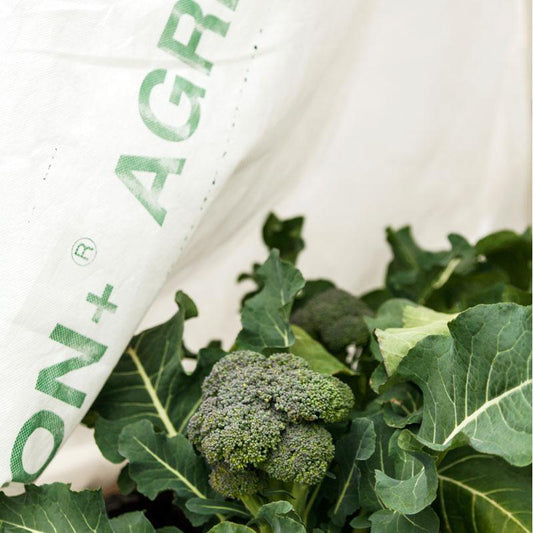
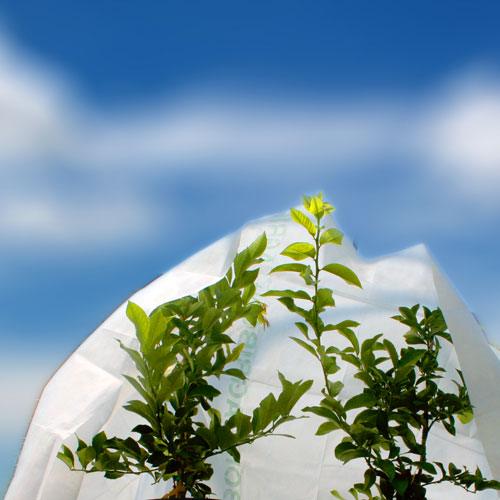
How to compare frost covers: Fabric weight changes both insulation and light transmission, so select the cover for the crop, forecast low and duration, bed dimensions, foliage contact, wind exposure, and ventilation plan. A cover works only when it extends over the complete canopy and its perimeter can be secured near the ground before temperatures fall. Check the temperature and moisture beneath it, edge gaps, wind abrasion, condensation, and daytime heat; open or remove it when light, pollination, or warming requires access. A timer, forecast, or product rating cannot account for every frost pocket, stored-soil-heat condition, or crop tolerance. Frost fabric may reduce exposure, but it cannot guarantee that plants will avoid injury or make a crop suitable for the remaining cool-season window.
Choose crops and protection after checking the bed
When a bed has workable soil, adequate light, compatible temperature, and a crop that fits the site, compare All Vegetable Seeds by crop type, maturity estimate, temperature response, disease information, and growth habit. For starts that should remain in controlled conditions until outdoor conditions are suitable, compare Plant Propagation equipment by capacity, sanitation, temperature, light, durability, and reuse.
When monitoring supports exclusion or short-term exposure reduction, compare Floating Row Covers and Frost Protection by material, weight, size, supports, ventilation, handling, and current instructions. Recheck Online Store availability, shipping eligibility, and crop or product requirements immediately before purchase. A collection does not establish local suitability.
Winter crop readiness checklist
- Soil crumbles and the planting row drains without standing water.
- Measured light and soil temperature fit the crop and expected growth period.
- The local low spot and forecast minimum have been checked.
- Seed, starts, support, and protection match the chosen crop and site.
- Root-zone moisture will be checked independently of a fixed irrigation schedule.
- Succession, rotation, and reserve seed reduce exposure to one weather window.
- Slug, snail, sap-feeder, rodent, and disease scouting is practical.
- Cover can be secured, inspected, ventilated, removed, reused, and stored safely.
Coordinate planting with the rest of the winter garden
Use the Bay Area winter garden plan to coordinate planting with soil workability, rain and irrigation decisions, wet-weather IPM, and bare-root and dormant work. Compare the bed with conditions described in the Bay Area fall crop guide before making the next sowing.
Plan for the next season
Use winter records to prepare for spring and summer.
Compare local conditions with Southern California, Sacramento–Sierra, and Oregon. Apply only the advice that matches your soil, exposure, forecast, water, and crop response.