Grow winter vegetables from the Sacramento Valley to foothill frost zones only when the crop can use the available light and the soil can support roots without saturation or freeze injury. Define the harvest stage, measure soil and protected-space temperatures, compare the local minimum and cold-air drainage, and plant a small succession. A crop that survives but makes no useful growth may be a spring-holding crop rather than winter production.
Use the regional winter plan to decide which beds can support food production. Check the soil guide before opening saturated or frozen ground, and the water guide before shutting down irrigation or relying on snowmelt. Choose crops, successions and protection only after the six readiness gates below pass.
Pass six winter production gates
- Light gate: The site or protected space receives enough usable light for the intended stage.
- Soil gate: Soil is workable and can drain; it is not saturated, frozen or thaw-softened.
- Temperature gate: Soil and air match the species, cultivar and stage rather than a general “hardy” label.
- Water gate: Root-zone moisture is adequate and irrigation can operate safely during rain gaps.
- Runway gate: The crop can reach the desired stage under shortening or slowly lengthening days and local cold.
- Protection gate: Covers can be ventilated, anchored, monitored and managed for wind or snow load.
Subregional winter crop and timing matrix
| Segment | Realistic winter use | Plant or continue when... | Hold when... |
|---|---|---|---|
| Sacramento Valley floor | Established greens, roots, brassicas, peas or protected successions suited to low light | Clay is workable, roots drain and fog-season light supports the target stage | Bed remains saturated or protection traps humidity |
| Delta-influenced gardens | Hardy crops with wind-secure protection and measured moisture | Starts are hardened, fabric is anchored and foliage can dry | Wind abrasion or structural risk exceeds benefit |
| Lower Sierra foothills | Cold-tolerant crops or overwintering beds in stable, drained sites | Soil accepts water, frost runway and access support care | Runoff, freeze-thaw or fire-placement conflicts remain |
| Higher foothills/frost-snow zones | Overwintering or protected production only where cold and load capacity fit | Crop tolerance, structure, soil and access align | Ground is frozen, snow load is unsafe or monitoring is unreliable |
Possibilities include hardy greens, roots, brassicas, peas and other crops selected for the site, but no list applies universally. Cultivar, plant stage, day length, rooting volume, wind, soil and duration of cold all affect outcome. Catalog maturity is an estimate and frost protection is not a guarantee.
Define harvest stage before choosing a succession
Baby leaves require a different runway than mature heads. A root crop may continue sizing slowly; an established brassica may hold without much growth. Decide whether the winter purpose is fresh harvest, holding, overwintering for spring or protected propagation. That decision changes acceptable light, space and labor.
Start small. Label a short row or tray with cultivar and sowing date, then record emergence and usable growth. If it stalls, check light, soil temperature, saturation, pests and root space before sowing more. The seed-starting guide provides propagation technique, while the soil-temperature guide explains measurement.
Operate covers as climates, not blankets
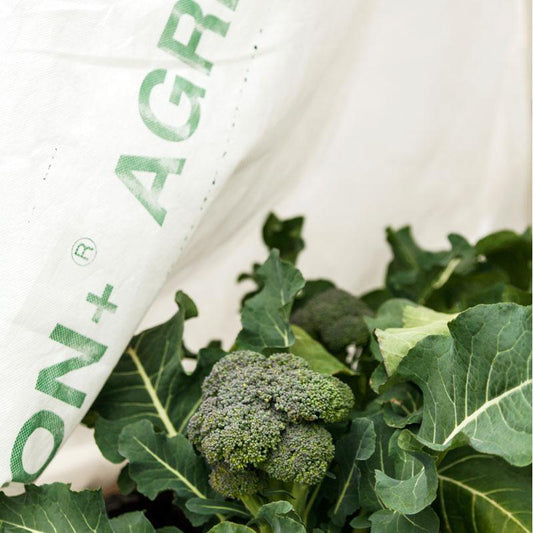
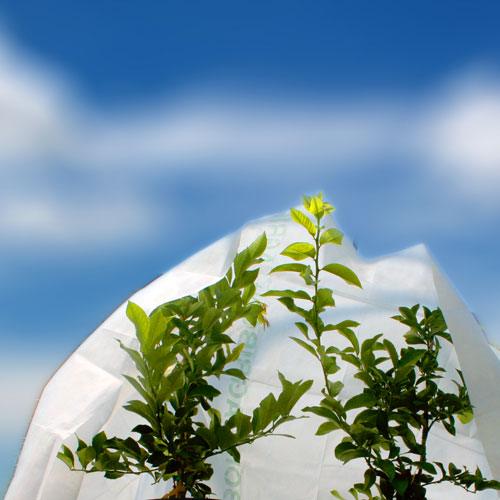
A floating row cover or low tunnel changes temperature, wind, humidity and light. Measure inside at plant height. Vent on suitable days, keep fabric off foliage as the system requires, anchor it for Delta and canyon wind, and inspect after storms. In snow zones, use only structures suited to the expected load or remove them before an event.
Protection can reduce exposure but cannot guarantee survival, disease prevention or harvest. The established guide to low tunnels and frost protection covers technique. Do not work on covers during unsafe wind, ice, smoke or beneath loaded branches.
Use different failure diagnoses across the gradient
Valley fog: Pale, slow plants may lack light or root oxygen. Check bed drainage and protected-space humidity before fertilizing. Delta wind: Torn margins and one-sided injury may be mechanical or desiccation; inspect anchoring and root moisture. Lower foothills: Uneven emergence can align with runoff or pressure differences. Higher foothills: Heaving, freeze injury and snow damage can interrupt roots and crowns.
Slugs can damage moist lowland seedlings, rodents may use protected beds, and aphids can persist under cover. Frost or waterlogging can resemble pest injury. Inspect for the organism or sign and use the winter IPM guide before treatment.
Match water and soil to the crop stage
Newly germinated seedlings use a shallow volume and can dry even when deeper clay is wet. Established roots may reach moisture below the surface. Check the actual rooting layer without keeping the whole profile saturated. A fixed winter watering interval is unsafe because rainfall, fog, container size, soil texture, wind and plant stage differ.
Deliver water to roots and allow foliage to dry when conditions permit. After meaningful rain, pause irrigation only where moisture evidence supports it. Beds under eaves, tunnels and dense canopies may sit in a rain shadow. In foothills, frozen soil or a saturated low point may not accept an application safely.
Do not cultivate Valley clay to “improve” drainage while it smears. Use established paths and open only the planting row when workable. On slopes, protect the surface and repair distribution before sowing. Fertility depends on soil test, crop need, product label and the slow uptake expected under winter light.
Plan three kinds of succession
Harvest succession: Small sowings aim at repeat baby-leaf, root or mature-crop harvests. This requires enough light for continued growth. Holding succession: A hardy crop reaches useful size before the lowest-light period and is harvested gradually. The risk is carrying disease, slugs or rodents under dense cover. Overwintering succession: A crop establishes roots, pauses or slows, and resumes as conditions improve. It needs a spring space and a plan for bolting, pests and turnover.
Write the intended use on the label. If a crop intended for holding is judged by midwinter growth, it may look like a failure; if a harvest succession is actually only surviving, resource use may be disproportionate. Keep a bed available for the next rotation rather than filling every space.
Audit a protected space each week and after events
- Minimum and maximum temperature at plant height
- Condensation, leaf wetness and ventilation opportunity
- Soil or media moisture at root depth
- Cover anchoring, tears, abrasion and contact with foliage
- Snow or standing-water load and safe access
- Aphids, slugs, rodents, disease signs and natural enemies
- Actual harvest or growth relative to water, labor and materials
After a warm sunny day, a closed tunnel can overheat; after sunset it may lose heat rapidly. After wind, inspect anchors before assuming the plants were cold-damaged. After snow, observe from a safe location and do not enter beneath a compromised structure.
Know when a crop's winter use has ended
Remove a crop when disease, pest pressure, structural damage or resource cost exceeds its remaining value. Retain healthy roots where sanitation and rotation allow, cover the surface and record what ended the succession. Do not fertilize or repeatedly treat a nearly finished crop merely to keep a planted appearance.
Conversely, do not remove a cold-tolerant overwintering crop after one stalled period if roots and crown remain healthy and holding it for spring is intentional. Reassess after thaw and lengthening light. The decision is based on plant condition and planned use, not cosmetic winter growth.
Rotate and keep beds rooted with limits
Rotation diversifies residues and avoids repeating host families, but it does not prevent every pest or disease. Succession can extend root occupancy, but sowing into low light or saturated soil increases failed disturbance. Legume inoculation applies only when the crop and inoculant match and does not guarantee nitrogen fixation.
When a cash crop is not realistic, retain healthy roots, residue or a manageable cover. Keep material away from crowns and account for slugs, rodents, drainage and defensible space. A protected bare bed is preferable to a full sowing that cannot establish.
Two crop examples
Valley winter greens: A gardener wants another lettuce succession, but clay remains wet and fog has kept the prior planting slow. The batch stays in a bright, ventilated protected area while the bed drains. Only a small transplant test moves after the soil crumbles, and the tunnel is vented from temperature and humidity readings rather than opened on a fixed schedule.
Higher-foothill overwintering bed: A hardy green survives under cover, but snow and inaccessible roads are forecast. The gardener evaluates whether the structure can safely remain, harvests what is useful and leaves soil protected. A new succession is deferred because the planting would depend on uninterrupted access and guaranteed protection.
Use a go/test/hold/protect decision
- Go: all six gates pass and the crop has a defined winter use.
- Test: a short row, tray or sensor reading can resolve one uncertain factor.
- Hold: temporary saturation, fog, wind or a cold event is the only blocker.
- Protect: maintain an established crop or covered bed without demanding new growth.
How to compare frost covers: Fabric weight changes both insulation and light transmission, so select the cover for the crop, forecast low and duration, bed dimensions, foliage contact, wind exposure, and ventilation plan. A cover works only when it extends over the complete canopy and its perimeter can be secured near the ground before temperatures fall. Check the temperature and moisture beneath it, edge gaps, wind abrasion, condensation, and daytime heat; open or remove it when light, pollination, or warming requires access. A timer, forecast, or product rating cannot account for every frost pocket, stored-soil-heat condition, or crop tolerance. Frost fabric may reduce exposure, but it cannot guarantee that plants will avoid injury or make a crop appropriate for the remaining seasonal runway.
Choose seed and protection after the matrix
When the gates support a crop, compare All Vegetable Seeds. For a monitored starting system, review Plant Propagation. For wind or cold exposure, compare Floating Row Covers or Frost Protection. Recheck inventory, shipping eligibility, instructions and crop/site fit before purchase.
Record the winter result
Log segment, bed and protected-space temperatures, light constraints, soil workability, moisture, crop/cultivar, desired stage, emergence, harvest, pests, protection and weather events. The outcome is useful growth or a protected overwintering crop achieved with proportionate resources—not proof that one Valley-to-foothill winter schedule works everywhere.
As days lengthen, separate spring propagation from winter production. Start only crops whose indoor or protected period, hardening plan and expected transplant window fit the segment. A Valley gardener may prepare starts while higher-foothill ground remains frozen. Record the target transplant condition—workable soil, minimum temperature, root-zone moisture and forecast—not a fixed date. If starts outgrow their space before the bed is ready, potting on or delaying a later batch may be safer than forcing the transplant.
Add the reason for every cover change and irrigation override. These notes reveal whether survival came from crop tolerance, site protection or a mild event and help avoid attributing one winter's result to a guaranteed technique.
Keep an unused comparison plant or short uncovered section only when doing so is safe for the crop. A reference can show whether protection changed growth, but it should never be used where likely injury would be unacceptable.
Use crop records to plan the next season
Use your crop and protection records when planning fall garlic and cool crops, spring transplants between frost and heat, and summer crops for heat and short windows.
If your microclimate resembles another region, compare the Bay Area winter-crop guide, Southern California coast-to-frost-pocket guide, or Rockies seed-starting guide. Apply only advice that fits your soil, exposure, forecast, water and crop response.