Choose Bay Area fall crops from soil temperature, root-zone moisture, daylight, forecast heat, and the local frost trajectory—not from one regional planting date. Garlic, leafy greens, roots, peas, and protected starts can all belong in a fall garden, but their order changes between the coastal fog belt, bayside clay, warmer inland valleys, exposed hills, and frost pockets.
Begin with the Bay Area fall garden plan, then decide what should be sown, transplanted, delayed, or protected. Keeping beds productively rooted through the dry-to-wet transition depends on avoiding failed plantings during lingering heat, saturated soil, low light, or an assumed first-rain date.
Diagnose the planting window that is actually present
Walk each prospective bed with four questions. Is the soil workable? Is there enough moisture for establishment? Are soil temperature and available light compatible with the crop? Is the next weather hazard more likely to be heat, heavy rain, wind, or frost? A bed is ready only when the answers fit the crop and the gardener can maintain those conditions.
Check moisture below the surface. Coastal fog can leave foliage and mulch damp while the seed zone remains dry. A brief shower may not reach the future root zone beneath eaves or a mature canopy. Conversely, clay that looks dry on top may still smear and compact below. If the soil ribbons, shines, or holds a footprint, pause bed preparation and use the decision process in the Bay Area fall soil guide.
Measure soil temperature at planting depth at a consistent time for several days. Compare it with the seed packet or supplier's germination guidance. Then look ahead: a warm inland bed may germinate quickly but expose seedlings to a heat event; a coastal bed may be cool enough for greens yet have less light and longer leaf wetness; a frost pocket may shorten the establishment window even when a nearby slope remains mild.
Days to maturity are estimates, not promises. Shorter days, cool soil, transplant stress, variety, nutrition, and pest pressure can slow growth. Use the number to compare crops and plan succession, then add a buffer for fall conditions. USDA hardiness zones describe average annual extreme minimum temperature; they do not supply a planting calendar or guarantee that a particular night will remain above a crop's tolerance.
Subregional crop and timing matrix
| Bay Area condition | Good candidates to evaluate | Plant when | Delay or change course when |
|---|---|---|---|
| Coastal fog belt with cool soil and limited afternoon heat | Lettuce, Asian greens, arugula, radish, turnip, peas, and other cool-season crops suited to available light | The seed zone is evenly moist, the crop's germination range is met, and airflow can be maintained | Leaf wetness persists, soil remains too cold for reliable establishment, or dense planting would worsen disease pressure |
| Bayside bed with clay or clay loam | Transplanted greens, garlic in a well-drained workable bed, shallow-rooted successions, and raised or protected planting areas where appropriate | A sample crumbles instead of smearing and water can enter without ponding | The bed is saturated, a heavy storm is imminent, or planting would require damaging cultivation |
| Warmer inland valley with lingering summer heat | Heat-tolerant cool-season varieties, protected starts, garlic after the bed and variety conditions align, and small successions of roots or greens | Nights are cooling, the forecast allows establishment, and irrigation can keep the root zone even | A heat wave, dry wind, or smoke event would stress new seedlings or make outdoor work unsafe |
| Exposed hill or frost pocket | Cold-tolerant greens and roots, movable protected starts, peas where wind support is practical, and garlic selected for the site's conditions | Wind protection, drainage, soil moisture, and the local frost outlook are acceptable | Covers cannot be secured and ventilated, soil is eroding, or the forecast risk exceeds the crop's tolerance |
Use the matrix as a decision tool, not a crop guarantee. Variety traits matter. A crop category may include cultivars with different temperature responses, maturity estimates, disease tolerances, and growth habits. Read the current packet and variety description, and keep notes about what the bed actually experienced.
For example, a foggy coastal gardener might test one short row of lettuce and radish where morning sun and airflow are adequate, while an inland gardener waits through a forecast heat spike and hardens transplants under protection. A bayside gardener may keep starts in containers until clay crumbles, and a gardener with a low frost pocket may reserve the most exposed bed for a hardier succession. The crop list overlaps; the order and safeguards do not.
Sequence the fall food garden
1. Finish or release summer beds deliberately
Keep productive summer crops only while their harvest, health, and water use justify the space. Remove plants that are finished or confirmed as disease sources, but do not strip every flowering refuge from the garden. Rotate crop families where practical and record what occupied each bed. Rotation can help diversify root patterns and interrupt some pest or disease cycles, but it does not erase a persistent soilborne problem.
2. Establish the quickest cool-season successions
Sow or transplant small blocks rather than filling the whole bed at once. Lettuce, arugula, Asian greens, radishes, turnips, and other fast crops can provide several decision points. If the first sowing meets unexpected heat, poor germination, or slug pressure, the next can be adjusted. Thin to the spacing on the packet; crowding in a foggy or rainy site can reduce airflow and extend leaf wetness.
Protected starts can conserve bed time, especially where inland heat lingers or soil is temporarily unworkable. Use clean containers and appropriate seed-starting media, provide sufficient light, and harden plants gradually. A cover or low tunnel may moderate exposure, but it must be secured, kept from crushing plants, and ventilated whenever interior temperatures rise. Reuse durable materials and plan for repair and end-of-life rather than treating plastic as disposable.
3. Add roots and peas where the bed fits
Direct-sown roots need a seedbed that supports contact without being pulverized. Avoid deep cultivation of wet clay; consider a different workable bed rather than forcing the crop. Maintain even moisture through germination, then check below the surface before watering again. Peas need suitable soil conditions, support, and enough light and air movement. If the seed supplier recommends inoculation, use the compatible inoculant and follow its storage and application directions; inoculant is crop-specific, not a universal soil additive.
4. Place garlic after drainage and variety decisions
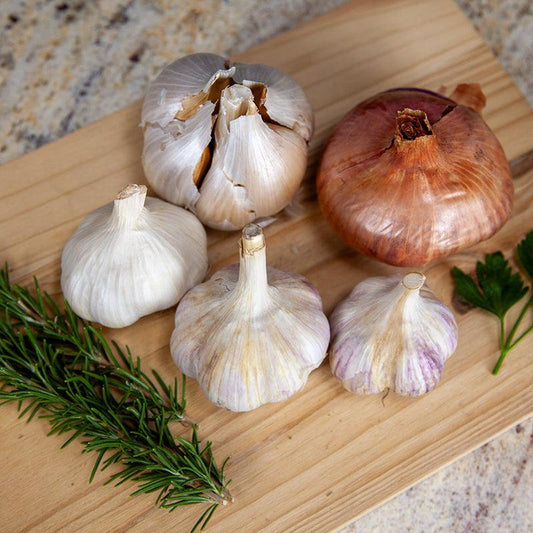
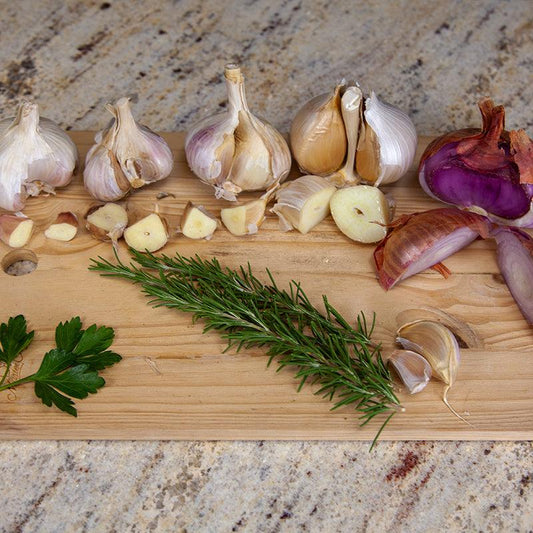
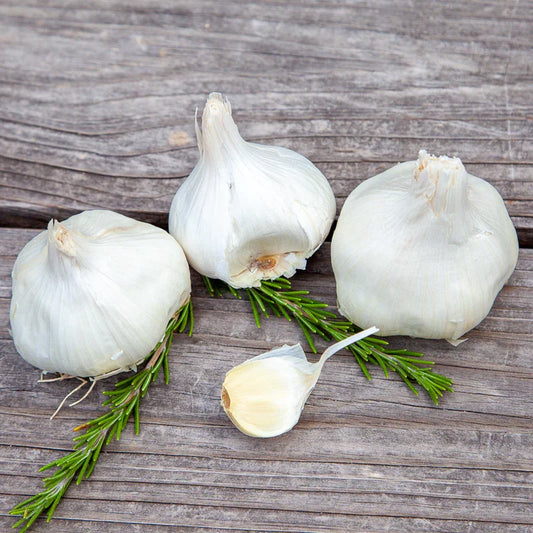
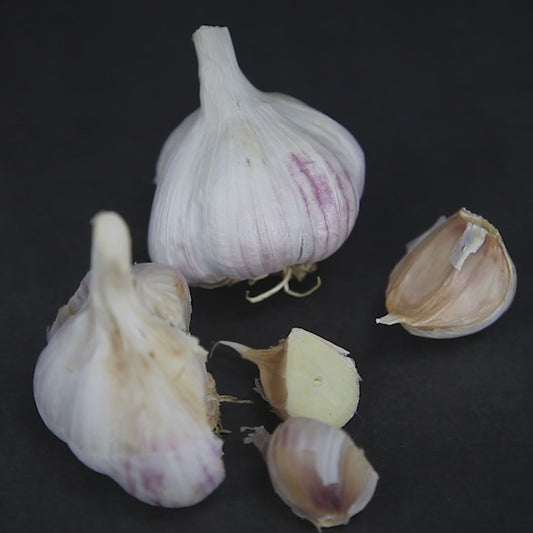
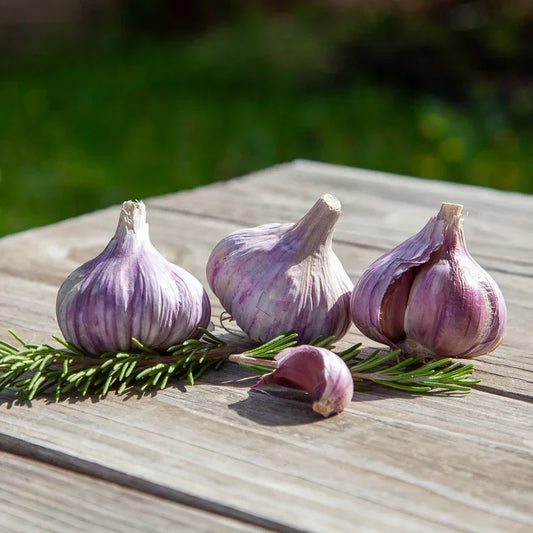
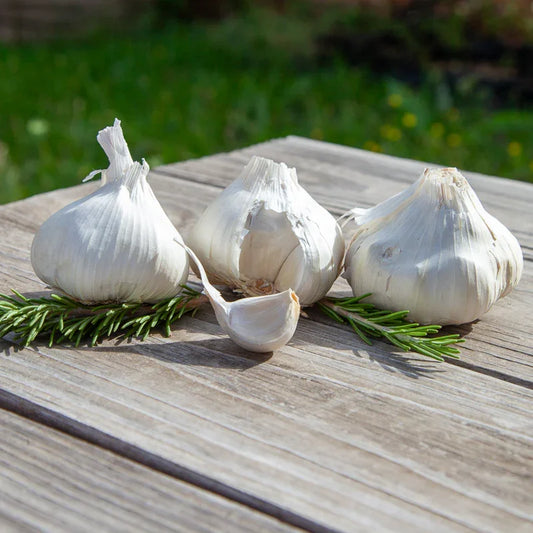
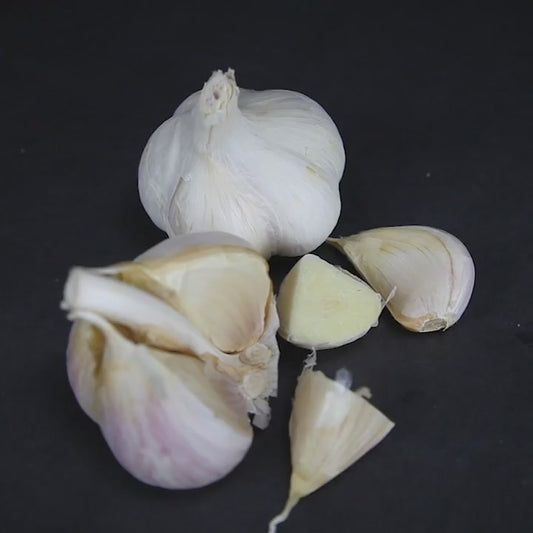
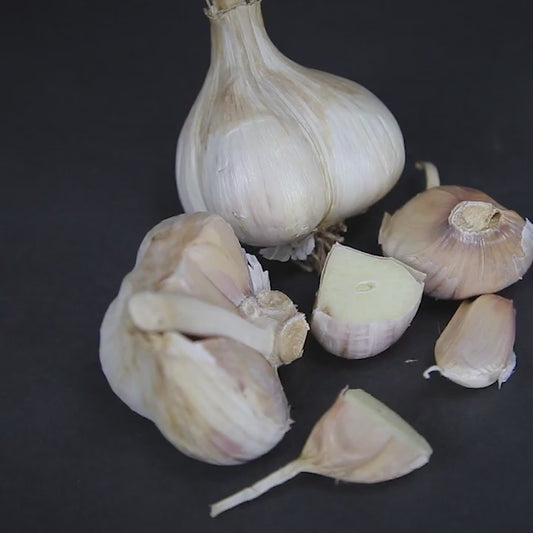
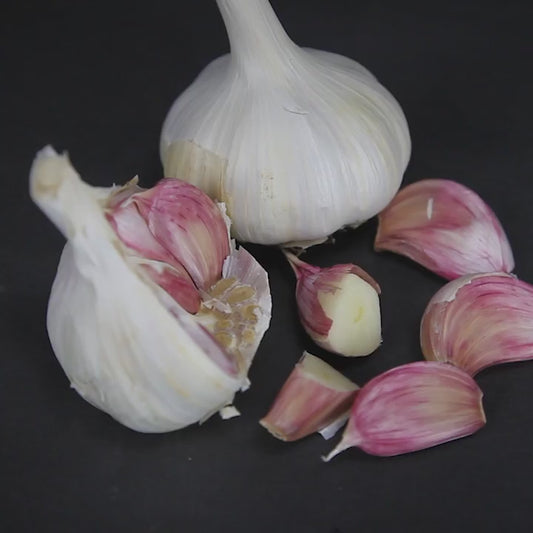
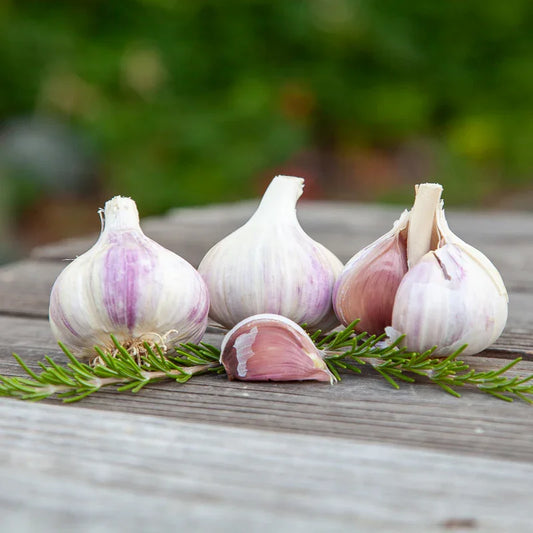
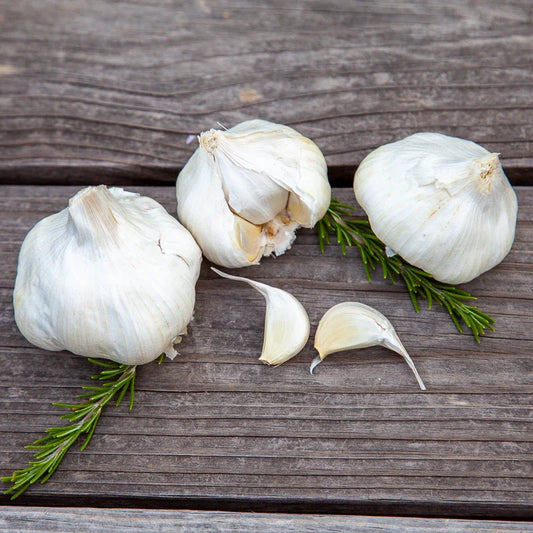
Garlic deserves its own bed decision because it remains in place for months. Choose a location that does not stay saturated after winter rain, review the crop history, and correct major drainage problems before planting. Select a type and variety for the site's chill pattern, heat, and expected season rather than assuming all garlic behaves alike. Grow Organic's garlic climate guide covers those selection differences.
Once the bed and variety are chosen, use the garlic planting, care, and harvest guide for clove orientation, spacing, care, and harvest technique. Follow current product directions, and confirm shipping eligibility and agricultural restrictions before ordering propagation material.
5. Keep an intentional open-bed plan
If a cash-crop window will not work, avoid leaving the soil bare by default. Retain healthy roots, use a suitable mulch, or establish a cover crop when there is enough time, water, and labor to manage it. The choice should fit the next food crop and its termination date. Living cover supports continuous root activity, but it can also compete for water or complicate a quick turnaround.
Manage fall risks without treating by the calendar
Delayed rain: Irrigate establishing seed and transplants from measured root-zone need. UC Master Gardener guidance notes that irrigation frequency changes with root depth, soil texture, and weather. A damp surface is not proof the full seed or transplant zone is wet.
Heavy first storms: Pause planting and traffic on saturated ground. Inspect drainage after the event, and re-sow only when the bed is workable and erosion or ponding has been addressed.
Lingering heat, wind, or smoke: Delay transplanting during severe conditions, use temporary shade only where ventilation remains adequate, and follow local public-health guidance during unhealthy smoke. Shade cloth can lower exposure but does not eliminate heat stress.
Frost: Use a thermometer in the actual low spot and follow local warnings. Choose hardier crops or movable protection where the risk is real. Frost cloth may reduce exposure when correctly installed, but it cannot guarantee protection.
Pests and disease: Scout undersides of leaves and the soil surface. Cool moisture may increase slug and snail activity; aphids or whiteflies can persist in sheltered plantings; mites may remain after heat stress; rodents may shift to seed, roots, or bulbs; and prolonged leaf wetness can favor foliar disease. Identify the organism and damage before acting. Start with sanitation, spacing, barriers, habitat management, and other integrated practices. If a pesticide is needed, follow the label and applicable regulations and protect beneficial and nontarget organisms.
Use succession and rotation as regenerative tools
Succession planting reduces the risk of committing every seed to one weather window and can lengthen productive root occupancy. Crop rotation increases diversity, but small gardens rarely achieve perfect separation, so combine it with clean planting material, resistant varieties where appropriate, sanitation, and accurate records. Legumes can add a different root system and biological relationship, while roots, leafy crops, and cover crops occupy soil differently. These practices can support more diverse rotations and better seasonal use; they do not guarantee yield or prevent pests and disease.
Avoid automatic fertilizer schedules. Base nutrient additions on a representative soil test, crop need, bed history, product analysis, and label directions. Yellowing caused by saturated roots, cool soil, salinity, or disease will not necessarily improve with more fertilizer.
Choose crops after the matrix
Once the planting conditions and intended harvest are clear, compare the current All Vegetable Seeds collection by temperature response, days-to-maturity estimate, crop form, disease information, and space. For a well-drained bed with an appropriate variety plan, compare the live Seed Garlic collection by type and current guidance.
Recheck inventory, regional eligibility, shipping windows, and instructions immediately before purchase. The correct Bay Area fall sequence may be greens first and garlic later, protected starts while inland heat fades, peas after wind support is ready, or no planting until saturated clay can be handled without damage. Let the observed condition choose the next crop.
Continue the Bay Area fall series
Return to the complete Bay Area fall garden plan, then align crop timing with soil workability and living cover, rainfall and irrigation, fall IPM and beneficial habitat, and perennial and slope preparation. Together, these conditions determine whether a planting window is usable.
Continue the regional cycle
Continue planning for this region with winter guidance, spring guidance, and summer guidance.
Compare this season’s assumptions with Southern California guidance, Sacramento–Sierra guidance, and Oregon guidance. Transfer only reasoning that fits local soil, exposure, forecast, water and crop response.