Fall in the San Francisco Bay Area is not a date on the calendar; it is a transition you can observe. The useful starting signals are cooler nights, shorter days, declining plant water use, soil temperatures that suit the next crop, and either the first soaking rain or an irrigation event that wets the future root zone. Because the coast, bayside flats, inland valleys, exposed hills, and frost pockets can experience those signals weeks apart, a Bay Area fall garden plan should be built from conditions rather than a single regional planting date.
Move the garden from the Mediterranean dry season toward cooler, wetter weather without leaving soil bare, compacting clay, overwatering after a token rain, or rushing crops into conditions they cannot use. Start by diagnosing each site, then protect soil, correct water movement, establish suitable food crops, conserve beneficial life, and prepare perennials and infrastructure for storms or local frost. The related Bay Area guides provide step-by-step help for each decision.
Diagnose your Bay Area fall before you act
Begin with a garden walk that separates what is happening in the air from what is happening in the root zone. A cool morning or a short rain can feel like fall while the soil beneath mulch remains dry. Conversely, a bayside clay bed can stay wet and poorly aerated long after the surface looks workable. Dig a small inspection hole or use a soil probe in representative beds. Note how far moisture has moved, whether the soil crumbles or smears, and whether water is entering the profile or running sideways.
Then compare that observation with the next ten days of weather. A forecast heat event, dry wind, atmospheric river, or frost advisory can change the order of work. USDA hardiness zones are useful shorthand for average annual extreme minimum temperatures, but the USDA explains that zones are general guides, not forecasts or planting calendars. In the Bay Area, cold-air drainage, elevation, wind exposure, soil moisture, and urban heat effects often matter more to a particular garden than the zone printed for a nearby ZIP code.
Regional condition checklist
Use this checklist before committing seeds, compost, irrigation changes, or tender plants:
- Root-zone moisture: Is the future crop zone dry, evenly moist, saturated, or wet only at the surface?
- Soil workability: Does a handful crumble with gentle pressure, or does it form a slick ribbon or smear?
- Infiltration: Does applied water enter where it lands, pool in low areas, or run downhill?
- Soil temperature: Is it within the germination or establishment range printed for the crop or cover-crop seed?
- Plant water use: Are established plants drying the soil as quickly as they did during summer, or has demand clearly slowed?
- Nighttime trend: Are nights cooling steadily, and is a local frost warning relevant to your site?
- Daylight and exposure: Which beds now receive fewer hours of direct sun because of buildings, slopes, or evergreen shade?
- Plant health: Which plants are heat-stressed, diseased, still productive, or harboring pests?
- Storm readiness: Are downspouts, drains, swales, paths, terraces, irrigation lines, and slope covers ready for concentrated rain?
- Fire and access constraints: Are mulch, vegetation, and stored materials consistent with local defensible-space and access requirements?
Write down the observations by bed or hydrozone. A coastal lettuce bed, a sunny inland tomato bed, and a young orchard on a slope should not receive the same irrigation change simply because they share an address.
How fall work changes across Bay Area microclimates
The Bay Area's microclimates do not merely alter timing; they alter the risks. Near the coast, cool air and fog can slow drying and extend leaf wetness. On bayside flats, heavy soil can become unworkable after rain. Warmer inland valleys may retain summer heat while nights cool rapidly. Exposed hills shed water and catch wind, while nearby low spots collect cold air. Use the following comparison to choose the path that resembles your garden.
| Garden segment | What to check first | Fall emphasis | Main caution |
|---|---|---|---|
| Coastal fog belt and marine terraces | Leaf-wetness duration, wind, soil warmth, and actual root-zone moisture | Choose cool-season crops that can establish with available light; improve air movement; irrigate only from measured need | Do not confuse fog or a damp surface with a wetted root zone, and do not create dense, persistently wet canopies |
| Bayside flats and heavy soils | Workability, ponding, compaction, and drainage after irrigation or rain | Protect aggregation, keep traffic off wet beds, cover bare ground, and slow water application | Do not cultivate, amend, or walk on clay while it smears or compresses |
| Warmer inland valleys | Forecast heat, overnight recovery, soil temperature, and remaining crop demand | Phase down irrigation rather than stopping abruptly; protect new seedlings from lingering heat; use succession planting | A cool week may be followed by damaging heat, and dry winds can raise demand quickly |
| Exposed hills and frost pockets | Runoff routes, slope cover, wind exposure, and site-specific minimum temperatures | Stabilize soil before major storms; secure covers and trellises; separate ridge, slope, and low-pocket decisions | A ridge may be windy but mild while a protected-looking low area freezes; one thermometer cannot describe both |
If your property crosses more than one segment, divide it into management zones. Hydrozone irrigation by plant need, exposure, and soil rather than operating every valve for the same duration. The purpose is not perfect control; it is avoiding the largest mismatches as weather changes.
A condition-based Bay Area fall action timeline
This timeline is organized around triggers. Move forward when your site reaches the condition, and move back when heat, saturation, frost, or smoke makes the next task unsafe.
Phase 1: Late-dry-season reset
Trigger: Nights are trending cooler, daylight is declining, but the soil profile has not received a soaking rain.
Map bare soil, stressed plants, compacted traffic areas, leaks, clogged emitters, and runoff routes. Remove annual crops that are finished or clearly diseased, but do not strip every stem and flower from the garden. Retain healthy flowering habitat and structurally safe refuge for beneficial organisms. Harvest or support summer crops that still justify their water use, and make a deliberate decision about the rest.
Repair irrigation before reducing it. A blocked emitter can look like seasonal water stress, while a broken line can keep clay saturated. Check delivery with catch containers or emitter flow ratings, and inspect moisture below the surface. UC Master Gardener guidance emphasizes that irrigation frequency depends on crop roots, soil texture, and weather. For practical planting and seasonal tasks, see Grow Organic’s fall garden guide.
Cover the most vulnerable soil first. Mulch is appropriate around many established plants when it is compatible with the crop, rodents, drainage, and local fire guidance. Where there is enough establishment time and water, living roots may be the better tool. Choose species for the actual season, termination plan, irrigation capacity, and future crop—not simply because a package is labeled as a cover crop.
Phase 2: Establish the next living cover
Trigger: Soil is cool enough for the selected seed yet warm enough for germination and root establishment, and moisture can be maintained until rain becomes reliable.
Prepare only as much seedbed as necessary. In compacted or clay soil, avoid deep disturbance when the profile is too wet or powder-dry. A shallow, targeted preparation may protect structure better than repeated tillage. On slopes, minimize loose soil before storm season and use practices that slow runoff without directing water toward buildings or unstable ground.
For cover crops, read the seed label and match the mix to light, drainage, expected minimum temperatures, height, and the date and method by which it must be terminated. Legumes may require a compatible inoculant, while cereal-heavy mixes can produce substantial biomass that needs management before the next crop. Maintaining living roots can support aggregation, nutrient cycling, and habitat, but it is not automatically water-free or labor-free. In a delayed-rain year, establishment may require irrigation; if that water is unavailable, a suitable mulch or protected residue layer may be the more honest choice.
Phase 3: Recalibrate water after meaningful rain
Trigger: Rain or irrigation has wetted the root zone deeply enough to measure, not merely dampened the surface.
Wait until the soil can be examined without damaging it, then check several depths and locations. Rainfall is rarely distributed uniformly beneath eaves, dense canopies, containers, or slopes. Shut down or reduce irrigation only in zones where rainfall has met plant need. Continue monitoring young transplants, containers, and sheltered beds, which can dry faster than the surrounding landscape.
After the first meaningful storm, walk the property while drainage evidence is still visible. Photograph ponding, sediment deposits, rills, overflowing beds, and downspout discharge. Correct minor obstructions and irrigation overspray promptly, but treat major drainage, retaining-wall, or slope instability as a professional problem. Rain capture must follow local rules and should use clean roof runoff, screened storage, safe overflow routing, and mosquito management.
Slow application is especially important in heavy soils. Cycle-and-soak irrigation can give water time to enter rather than run off, but the cycle length must be tested on the site. On uneven ground, true drip systems generally distribute water more predictably than long soaker hoses. Recheck filters, pressure, and emitter output before assuming the system is winter-ready.
Phase 4: Sequence food crops from local constraints
Trigger: The bed is workable, the crop's soil-temperature requirements are met, and the interval to local frost or low-light slowdown is compatible with establishment and maturity.
Build the crop list from the garden's limiting factor. Coastal beds may favor lettuce, Asian greens, radishes, peas, and other cool-season crops when light and air movement are adequate, but persistent leaf wetness can increase disease pressure. Inland sites may have enough warmth for quick establishment yet still need temporary protection during a heat spike. A frost pocket may require hardier choices or movable protection even when a nearby slope stays mild.
Use days-to-maturity as a comparison tool, not a promise. Temperature, daylight, soil, transplant stress, variety, and pest pressure can slow a crop. Work backward from the likely low-light or frost constraint, add a margin for slower fall growth, and sow smaller successions rather than committing the entire bed at once. Start protected transplants where that produces a useful head start, but provide ventilation and harden plants gradually.
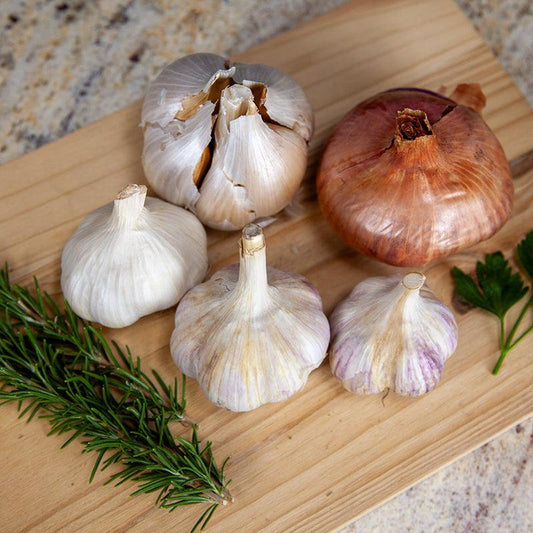
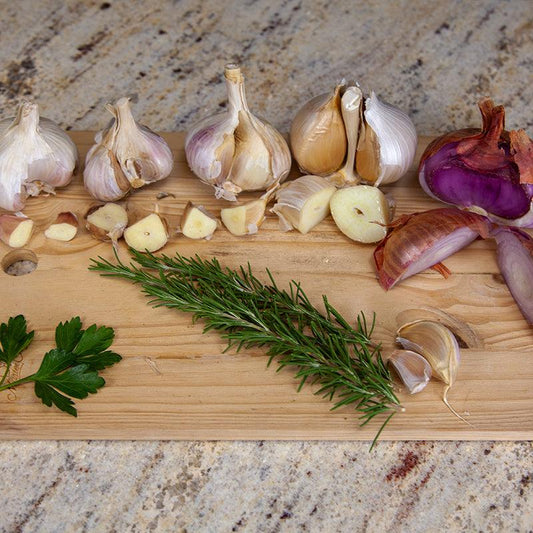
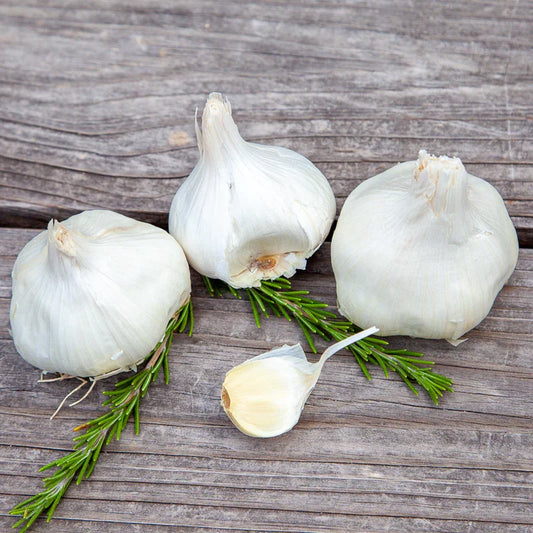
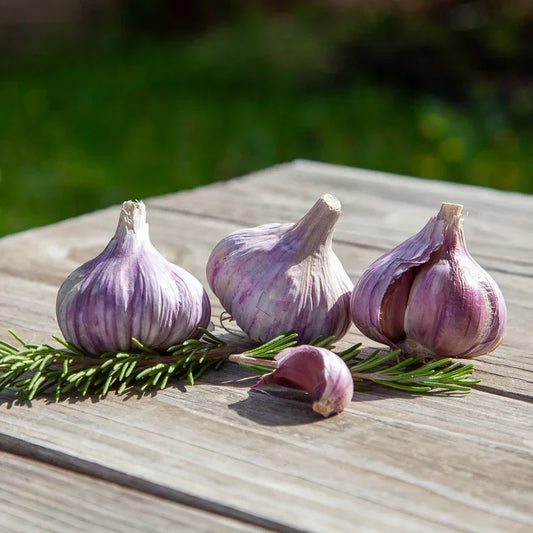
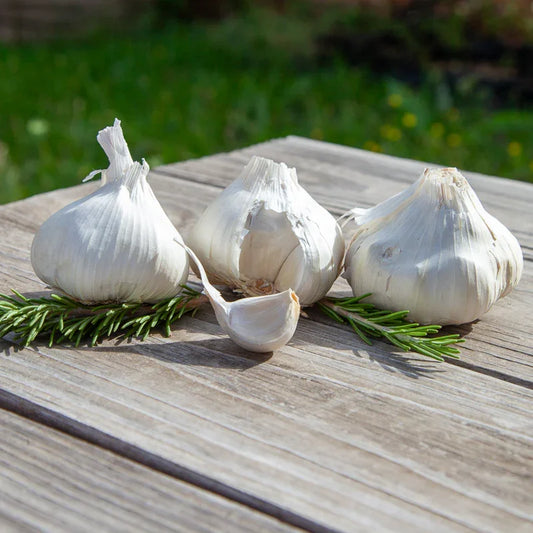
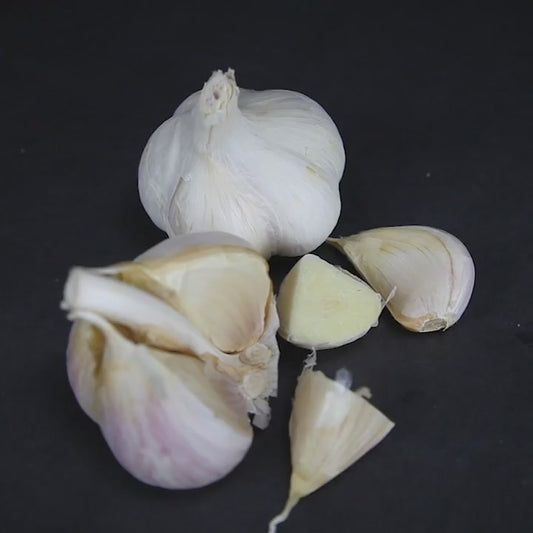
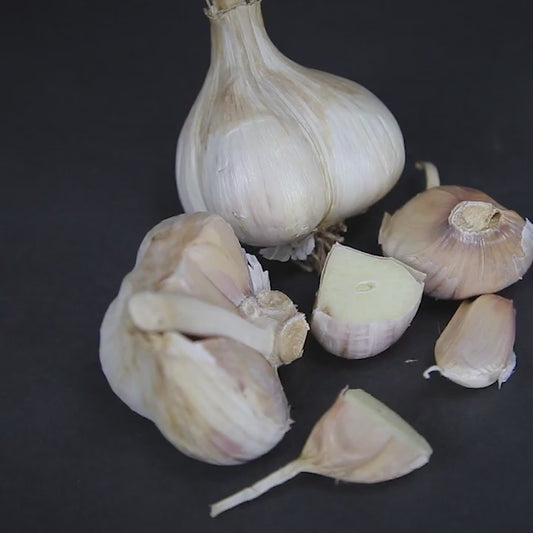
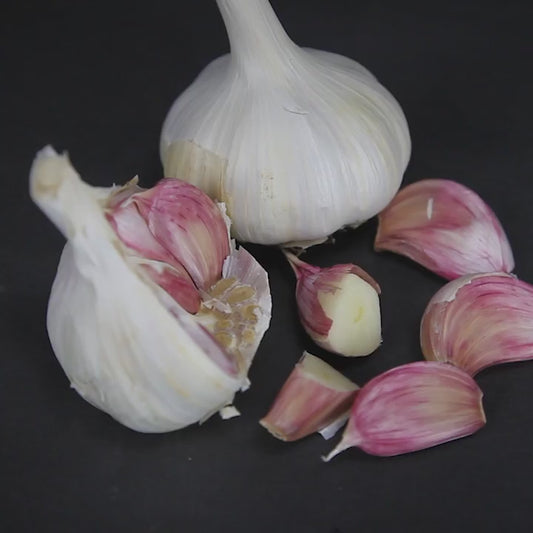
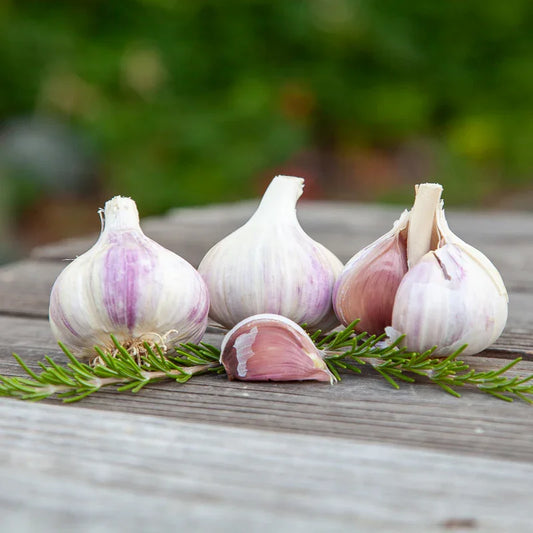
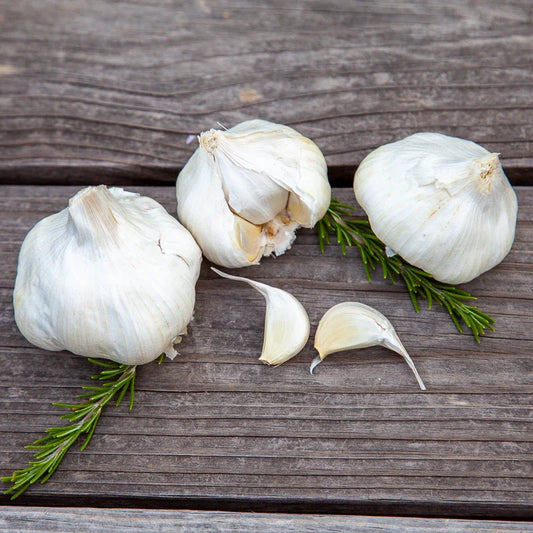
Garlic belongs in the fall decision set, but planting timing and variety choice should reflect soil drainage, local chill pattern, and the product's current guidance. Avoid placing cloves in saturated soil or forcing them into a bed that still needs drainage correction. Keep the detailed planting steps in Grow Organic's garlic growing guide.
Phase 5: Shift from cleanup to integrated pest management
Trigger: Moisture returns, summer-stressed plants decline, or monitoring shows a pest or disease pressure increasing.
Fall cleanup should be selective. Remove confirmed diseased tissue, infested crop residues, fallen fruit that sustains a known pest cycle, and dense material that blocks inspection or airflow. Keep healthy habitat where it supports predators, parasitoids, pollinators, and other beneficial organisms without creating an unacceptable rodent, fire, or access problem.
Expect slugs and snails to become more active in cool moist areas, while aphids and whiteflies may persist in sheltered sites. Spider mites can remain relevant after heat and drought stress. Rodents may shift feeding as summer crops end. Foliar disease risk rises where fog, rain, overhead irrigation, or crowding prolongs leaf wetness. Identify the organism and damage before treating. UC IPM defines integrated pest management as an ecosystem-based strategy using monitoring, cultural practices, biological control, habitat management, and targeted treatments when needed. If a pesticide is warranted, use a product registered for the site and pest, follow the label, observe local regulations, and protect beneficial and nontarget organisms.
Phase 6: Prepare perennials and infrastructure
Trigger: Summer heat is easing, soil moisture can support root recovery, and storms or local frost are becoming plausible.
Inspect young fruit trees, berries, vines, and other perennials for irrigation gaps, trunk or cane injury, broken ties, girdling labels, unstable stakes, and rodent exposure. Correct water stress from observation; do not promote tender late growth with an automatic fertilizer application. Nutrient additions should follow soil or tissue evidence, crop needs, product directions, and the history of the planting.
Secure trellises, clear drainage paths, service cutting tools, protect irrigation components where freezing is a real local risk, and store reusable season-extension materials clean and dry. Frost cloth and low tunnels can reduce exposure when correctly installed, but they do not guarantee protection. Covers must be secured against wind, kept from damaging plants, ventilated when temperatures rise, and managed with reuse and end-of-life in mind.
How the regenerative practices work—and where they have limits
A regenerative fall plan is useful when every practice has a stated mechanism and a realistic constraint.
- Keep soil covered: Suitable mulch, crop residue, or living cover can reduce surface sealing, erosion, and avoidable evaporation. Too much or poorly placed material can shelter rodents, interfere with small seedlings, hold excess moisture against sensitive crowns, or conflict with defensible-space rules.
- Maintain living roots: Actively growing roots feed soil organisms and help build pore structure. They also use water and nutrients, so the crop must fit the site's supply and the next planting.
- Use soil-test-based nutrient cycling: Testing, bed history, and crop observation help distinguish a genuine nutrient need from a drainage, pH, salinity, root, or irrigation problem. Compost and fertilizer are not universal cures.
- Hydrozone irrigation: Grouping plants and valves by water need, exposure, soil, and root depth reduces obvious mismatches. Zones still need seasonal measurement and maintenance.
- Rebuild infiltration before rain: Soil cover, roots, protected structure, and corrected compaction can improve how water enters soil. They cannot make an unstable slope, obstructed drain, or poorly designed grade safe.
- Retain functional beneficial habitat: Diverse flowers, refuge, and reduced pesticide disruption can support natural enemies. Habitat does not guarantee pest prevention, and it should be balanced with sanitation and site safety.
The intended outcomes—more continuous soil cover, less avoidable water loss, more resilient nutrient cycling, and greater support for beneficial organisms—are mechanisms to work toward, not guaranteed results. Weather, starting soil condition, crop choice, and execution determine what occurs in a particular garden.
Bay Area fall risks that can reverse the plan
Delayed rain: Keep checking the root zone and irrigate new seed or transplants as needed. Do not let a symbolic shower end the dry-season plan.
Atmospheric rivers and heavy first storms: Pause soil work, keep traffic off saturated beds, and inspect runoff safely. Protect bare soil before the forecast, but do not enter flooded areas or attempt structural drainage repairs during a storm.
Lingering heat and smoke: Delay transplanting during severe heat, provide condition-appropriate shade without blocking ventilation, and monitor water demand. During unhealthy smoke, follow local public-health guidance and limit strenuous outdoor work.
Frost: Use a thermometer in the actual frost pocket and follow local warnings. Hydration, site selection, and correctly installed covers may reduce injury, but no method guarantees protection.
Slope erosion: Maintain cover and slow concentrated flow. Do not redirect runoff to neighboring property, foundations, or unstable ground; seek qualified help for significant erosion or drainage failures.
Choose the next action, not a shopping list
Only select materials after the diagnosis identifies a need. If the priority is living soil cover and the site has enough establishment time and water, compare the species, growth habit, termination method, and seasonal fit in Grow Organic's Year Round Cover Crop Mixes. If the workable bed is ready for garlic and the variety fits your local conditions, review the current Seed Garlic collection. For condition-appropriate cool-season succession crops, browse Vegetable Seeds by crop needs and maturity rather than buying from a universal calendar.
Recheck live inventory, shipping eligibility, variety requirements, and product directions before purchase. The best fall action may be to repair drainage, wait for workable soil, or keep irrigating an establishing crop—not to add another input.
A practical fall order
- Measure root-zone moisture, workability, infiltration, temperature, and exposure by garden segment.
- Protect vulnerable soil before the next major wind or rain event.
- Repair irrigation and drainage problems, then adjust water from observed demand.
- Establish living cover or mulch only where the practice fits water, fire, pest, and future-crop constraints.
- Sequence garlic and cool-season crops from soil temperature, maturity, light, and the local frost or heat trajectory.
- Monitor and identify pests; use sanitation, habitat, barriers, and label-qualified controls in that order when appropriate.
- Stabilize perennials, slopes, trellises, tools, and irrigation before storms or frost make the work harder.
- Recheck after the first soaking rain. Fall is a series of observations, not one completed checklist.
That last recheck is what makes the plan regional and regenerative. A foggy coastal garden may need airflow and continued root-zone measurement; a bayside clay garden may need patience and traffic control; an inland garden may still be managing heat; an exposed hill may be preparing for wind and runoff while a nearby low spot prepares for frost. Follow the condition that is actually present, and let the calendar remain a reminder to look.
Use the five supporting Bay Area fall guides
- Diagnose structure, compost, and living cover with Rebuilding Bay Area Soil Before the Rains.
- Sequence garlic, greens, roots, and peas with Garlic, Greens, and Cool-Season Crops for Bay Area Fall Gardens.
- Audit rainfall, irrigation, drainage, and runoff with Capturing the First Rains Without Waterlogging Bay Area Soil.
- Identify pests and protect natural enemies with Slugs, Snails, Rodents, and Beneficial Habitat.
- Prepare trees, berries, structures, and slopes with Preparing Bay Area Perennials and Slopes for the Dry-to-Wet Transition.
Continue the regional cycle
Continue planning for this region with winter guidance, spring guidance, and summer guidance.
Compare this season’s assumptions with Southern California guidance, Sacramento–Sierra guidance, and Oregon guidance. Transfer only reasoning that fits local soil, exposure, forecast, water and crop response.