

Introduction
Coconut coir for plants can help a container hold water without relying on peat. It is light, easy to store, and useful in many garden blends. However, good results depend on the product, plant, and watering routine.
The benefits of coconut coir are mostly physical: it changes how a mix holds moisture and air. It is not a complete fertilizer. Start with a clear goal before adding it to a pot or bed.

What Is Coconut Coir?
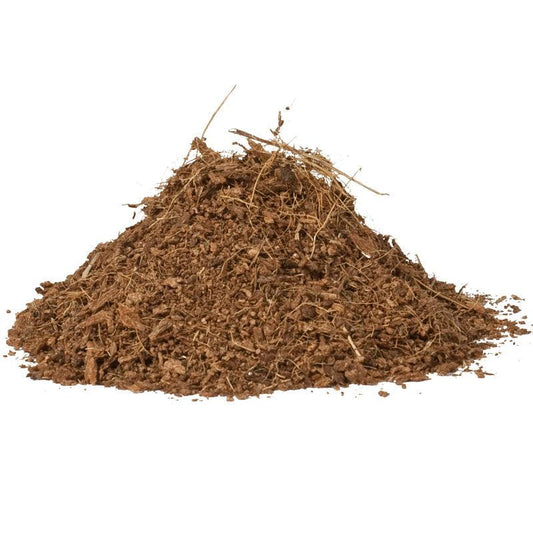
Coir comes from the husks of coconuts. The coconut industry processes this material into fibers, chips, and fine particles called pith. These forms have different uses.
What is coco coir compared with ordinary dirt? It is plant material, not mineral soil. Products sold as coco coir soil may contain coir alone or a blend of ingredients.
In the coco peat vs coco coir comparison, “coco peat” usually means the fine, spongy pith. Coir is the broader term, although sellers sometimes use both names interchangeably.
Coconut Fiber Benefits and Moisture
Does coco coir retain water? Yes. Fine coir can hold several times its dry weight in water. Actual capacity varies with particle size and processing.
Other coco coir benefits include easy handling and pore space for roots. Coarse chips and fibers can improve drainage in a suitable blend, while fine pith retains more moisture. Packing any mix tightly reduces air space.
When choosing coconut husk for plants, match the grade to the task. Fine material suits many seed mixes; chunky material behaves differently.
Choose and Prepare Your Coir
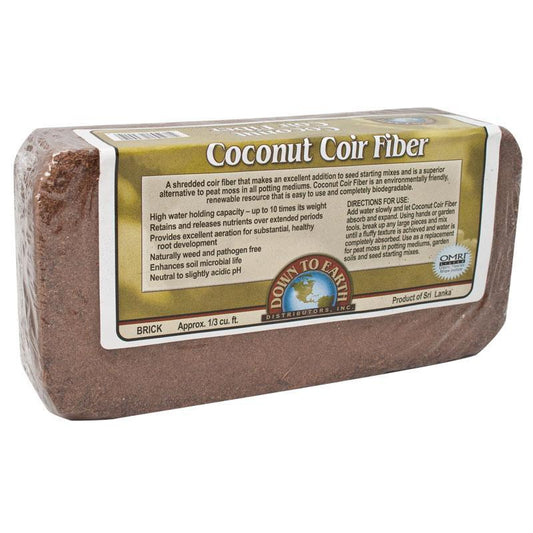
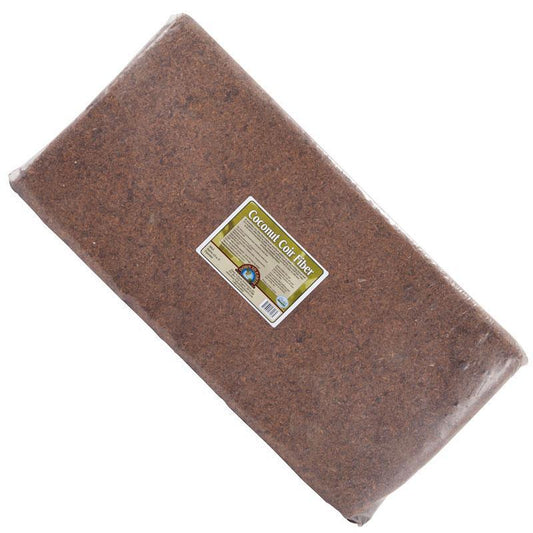
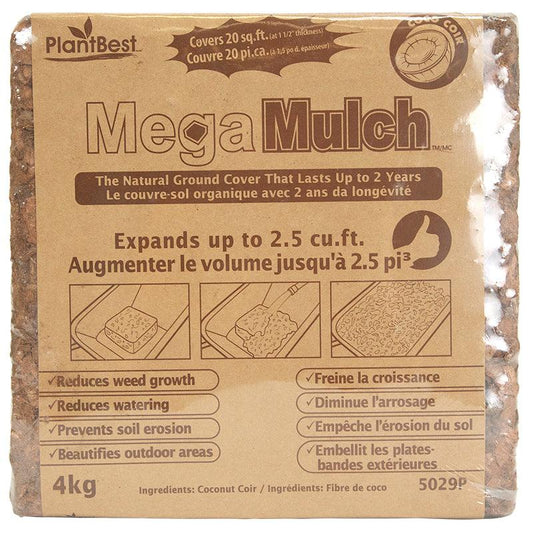
Coconut coir bricks expand when soaked. Put compressed bricks in a tub larger than their expected finished volume. Add water as directed, wait for expansion, then loosen clumps.
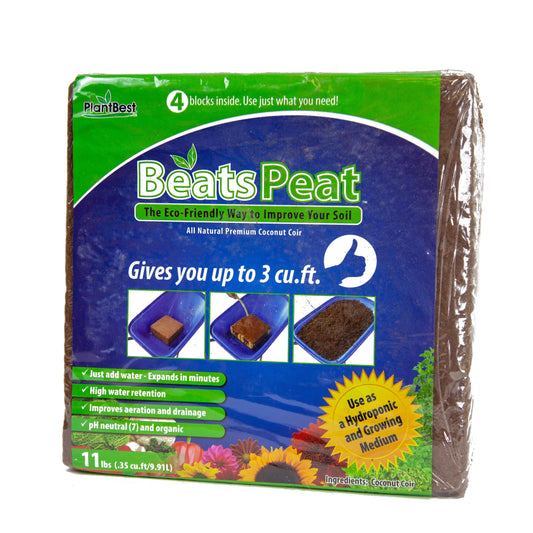
Compare Coco Peat bricks and BeatsPeat by expanded volume and instructions. Coco coir bricks for plants do not all need the same amount of water.
Check processing details before buying:
| Label detail | What it tells you |
|---|---|
| Washed | Soluble salts have been reduced. |
| Buffered | Treatment changes nutrient exchange behavior. |
| Tested | Ask for salt measurements and the test method. |
Washing and buffering are different. Coir can affect calcium and magnesium availability, so match fertilizer to your crop and product. Do not add supplements automatically.
For organic coconut coir for plants, check more than the word “natural.” If buying organic coconut coir bricks for plants for certified production, confirm acceptance with your certifier.
Containers and Vegetable Growing
Coconut fiber for planting works best when moisture, air, and nutrition are balanced. Use a tested potting mix recipe or a prepared blend. Our growing-media guide explains ingredients, including rice hulls.
Growing vegetables in coco coir requires a complete feeding plan. Compost alone may not supply everything a crop needs. Check moisture below the surface before watering, and keep drainage holes clear.
Coir often has pH levels around 5.5–6.8, but the finished blend and irrigation water matter. Browse growing media for crop-specific options.

What Does Coco Coir Do for Soil?
A coco coir soil amendment can help sandy garden soil retain water. In clay soils, it is not a cure for compaction or standing water. Correct drainage problems first.
Start with a small trial when using coconut husk for planting. Mix hydrated material evenly through the intended rooting area. There is no universal rate for all soil mixes. Keep notes on watering and plant response.
Watch our coir soil amendment video for preparation. The square-foot gardening video offers bed-planning ideas.
Other Uses and Environmental Tradeoffs
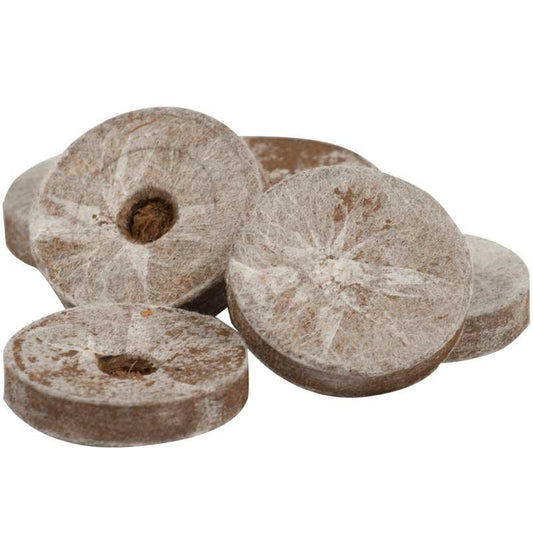
Coconut fiber for gardening also comes as mulch bricks and fiber pots. These coconut coir products are not substitutes for fine seed-starting media. For surface cover, follow our compost and winter mulch guide.
Coconut coir benefits include using a byproduct from a renewable resource. It is an alternative to peat moss, but “eco friendly” is not a guarantee of low impact. Processing water, salt disposal, and shipping still matter.
Conclusion
Gardening with coconut coir works best when you choose the right form and adjust care to the crop. Check salts, avoid compaction, and plan feeding. Compare coir options by their specifications, not promises alone.
FAQs About Coco Coir
Can you mix coco coir with potting soil?
How to use coconut coir in your garden?
What is coconut coir good for?
Can plants grow in coconut coir only?
Can you use just coco coir as potting soil?
What is the average lifespan of coconut coir?
Is coconut coir good for plants?
Is coco coir good for plants needing dry conditions?
Does coconut coir hold water?




19 comments
Silas, you can amend with compost if you have very heavy compact soil. Compost will feed the soil microbes better than coco coir, but if you don’t have compost coco coir will also help improve the tilth of your soil.
Is it advisable to use coco coir in the soil mix when growing apricots? I have read that apricots need well drained soil, but it sounds as if coco coir improves both the water retention AND the drainage of the soil.
Gummy, you can add coco coir as a soil amendment to your existing soil. It does not provide any nutrition to your plants, but is great for loosening up clay soil and helps to improve the water holding capacity as well. I would not use it as a soil replacement though.
Can I use Coconut coir fiber as soil based mixture in planting honeydew melon?
Wow such a nice post on coco coir. Now i can know about coco coir and its benefits, uses.
Thanks for sharing.