From Seed to Harvest: Planting Pepper Seeds and Growing Pepper Plants Indoors
Growing pepper plants indoors is no longer just a backup plan for short summers. For many gardeners, it is a reliable way to get earlier harvests, extend the season, and enjoy fresh peppers even when outdoor conditions are unpredictable. With the right setup and expectations, growing pepper plants indoors can work for both beginners and more experienced growers.
This guide explains what actually matters, from when to start pepper seeds indoors to caring for mature plants, using clear, practical advice that works in real homes, not just ideal greenhouses.

Why Grow Pepper Plants Indoors?
Peppers are heat-loving plants with a long timeline. In cooler climates, outdoor growing seasons may not provide enough warm days for peppers to mature fully. Starting indoors solves that problem.
An indoor pepper garden also gives you control over temperature, light, and moisture. That means fewer setbacks from cold snaps, heavy rain, or pests. Indoor growing works especially well for smaller-fruited peppers, snack peppers, and many compact hot varieties.
When to Start Pepper Seeds Indoors
One of the most common questions gardeners ask is when to start pepper seeds indoors. Timing matters because peppers grow slowly at first.
Most gardeners should begin starting pepper seeds indoors 8 to 10 weeks before their last frost date. Hot peppers often benefit from the longer end of that range because they take more time to grow.
Starting too early can lead to leggy plants if light is insufficient. Starting too late often results in smaller plants and reduced yields.
Choosing the Right Pepper Varieties
Not every pepper variety behaves the same indoors. Growth habit, fruit size, and maturity time all matter.
Smaller-fruited peppers tend to adapt best:
- Shishito and Padron peppers
- Mini bell and snack peppers
- Cayenne and jalapeño types
Larger peppers like sweet bells or habaneros can grow indoors, but they need more space and stronger light. You can explore many suitable options in the full pepper seeds collection, including sweet pepper seeds and hot pepper seeds.
Choosing from proven varieties of peppers makes indoor success much easier.

How to Start Pepper Seeds Indoors
Soil and Containers
For planting pepper seeds, always use a light seed starting mix. Garden soil is too dense and can hold excess moisture.
Fill trays or small pots with the mix, then place each planted seed about ¼ inch deep. Gently water to settle the soil without washing seeds away.
Temperature and Germination
Pepper seeds are slow and picky. Successful seed germination depends heavily on warmth.
Ideal soil temperature is 75°F to 85°F. A seedling heat mat is one of the most helpful tools for indoor peppers because it gently warms the soil from below. Without warmth, germinating pepper seeds can take weeks or fail entirely.
Under good conditions, most pepper seeds sprout in 7 to 21 days. Be patient. Peppers take longer than tomatoes.
Light Requirements for Indoor Peppers
Once seedlings appear, light becomes the top priority. A sunny window is rarely enough.
Use a grow light placed close to the plants. Peppers need strong, bright light for 12 to 16 hours a day. Insufficient light causes thin stems and slow growth.
Adjust the light height as seedlings grow to keep plants compact and strong.
Caring for Pepper Seedlings
Watering
Water carefully. The soil should stay evenly moist but never soggy. Overwatering is one of the most common indoor mistakes and can damage young roots.
Air and Spacing
Good airflow helps prevent mold and disease. Avoid overcrowding trays. As pepper seedlings grow, thin or transplant them so each plant has room.
Seedlings are ready for the next step once they develop a healthy set of true leaves.

Transplanting Pepper Plants Indoors
When roots begin to fill the starter container, it is time to transplant pepper plants into larger pots.
Use a high-quality pots mix designed for vegetables. Containers should drain well and allow roots to spread.
This stage is critical. A healthy indoor pepper plant depends on a strong root system early on.
Growing Mature Pepper Plants Indoors
Containers and Placement
Most indoor peppers need containers that hold at least 3 to 5 gallons of soil. Larger varieties need even more space.
Place plants where temperatures stay between 70°F and 80°F. Cold drafts and sudden temperature changes can slow growth and reduce flowering.
Feeding and Nutrition
Indoor peppers rely completely on you for nutrients. Regular feeding supports steady growth and fruiting. This guide on growing peppers successfully explains fertilizer basics and timing.
Healthy plants flower more consistently and produce better fruit.
Pollination Indoors
Peppers are self-pollinating, but indoors they may need help. Without wind or insects, flowers can drop.
Simple solutions include:
- Gently shaking plants
- Using a small paintbrush to move pollen
This small step greatly improves yields in an indoor pepper garden.

Managing Growth Through the Seasons
Peppers can live much longer indoors than outdoors. Some plants continue producing for a year or more.
Growth may slow during darker months. Adjust watering and feeding rather than forcing growth. For long-term care tips, the pepper growing guide offers helpful insights.
Common Problems Growing Peppers Indoors
Indoor growing avoids many outdoor pests and weather extremes, but it introduces its own set of challenges. Most problems with indoor pepper plants are environmental rather than disease-related, and small adjustments usually solve them.
Weak Growth From Low Light
What to look for:
Pepper plants become tall and spindly, lean toward windows or lights, and develop pale or small leaves. Growth may slow even though the plant looks “healthy” at first.
How to fix it:
Peppers need strong, consistent light. Place plants under grow lights for 12–16 hours per day, keeping the lights 6–12 inches above the foliage. A bright window alone is rarely enough, especially in winter. Rotating plants regularly also helps keep growth even.
Overwatering
What to look for:
Yellowing leaves, drooping despite wet soil, slow growth, or a sour smell from the potting mix. Roots may begin to rot if the soil stays wet too long.
How to fix it:
Let the top inch of soil dry before watering again. Always use containers with drainage holes and a well-draining potting mix. Empty saucers after watering so roots aren’t sitting in water.
Low Humidity
What to look for:
Leaf edges may dry or curl, flower buds may drop, and plants can appear stressed even when watered correctly.
How to fix it:
Peppers prefer moderate humidity. Use a humidity tray, group plants together, or run a small humidifier nearby. Avoid placing plants close to heating vents or drafty windows.
Flower Drop
What to look for:
Flowers form but fall off before setting fruit. This is common indoors and often frustrating for gardeners.
How to fix it:
Flower drop is usually caused by temperature stress, low humidity, or inconsistent watering. Keep temperatures between 70–85°F during the day and avoid cold nighttime drafts. Gently shaking plants or hand-pollinating flowers with a soft brush can also improve fruit set.
Nutrient Imbalances
What to look for:
Slow growth, pale leaves, or poor flowering despite good light and watering.
How to fix it:
Indoor peppers rely entirely on you for nutrients. Use a balanced fertilizer at regular intervals, and avoid over-fertilizing, which can cause excess leaf growth at the expense of flowers and fruit.
With indoor peppers, most issues can be corrected by adjusting light, water, temperature, or humidity. Paying attention to early warning signs helps prevent small problems from becoming major setbacks—and makes indoor pepper growing far more rewarding.

Pepper Varieties That Make Sense Indoors
Indoors, compact plants are easier, but you can still grow a wide range if you have space and strong light. Great options from our seed lineup include:
Sweet pepper choices:
- Orange Wonder Sweet Bell Pepper Seeds (Organic)
- Cal Wonder Sweet Bell Pepper Seeds (Organic)
- Purple Beauty Sweet Pepper Seeds (Organic)
- Chocolate Sweet Pepper Seeds (Organic)
- Golden Calwonder Sweet Pepper Seeds (Organic)
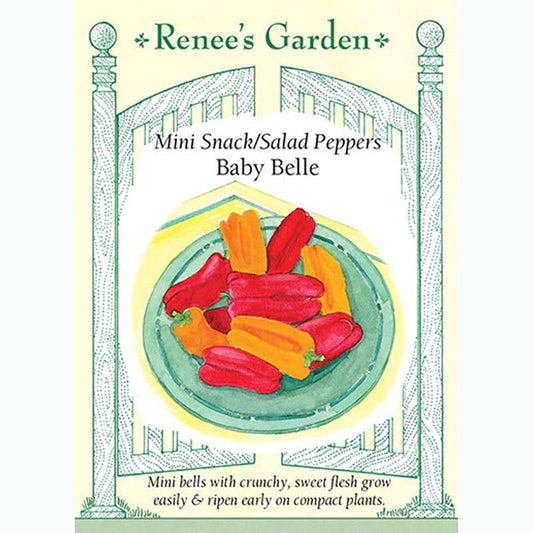
- Baby Belle Mini Snack/Salad Peppers Seeds
Mild to medium heat:
- Anaheim College 64 Hot Pepper Seeds
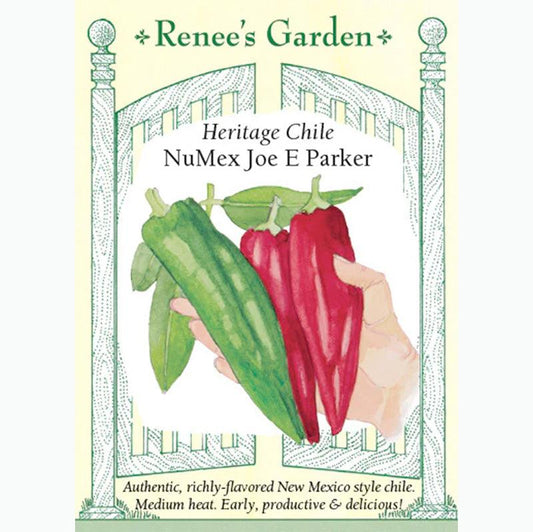
- NuMex Joe E. Parker Heritage Chile Seeds
- Italian Pepperoncini Seeds
- Marconi Red Sweet Pepper Seeds (Organic)
- Nardello Sweet Pepper Seeds (Organic)
Hot options:
- Hot Cayenne Slim Pepper Seeds (Organic)
- Cayenne Mix Hot Pepper Seeds (Organic)
- Hot Ring-O-Fire Cayenne Pepper Seeds (Organic)
- Hot Jalapeno Early Pepper Seeds (Organic)
- Aji Rico Hot Pepper Seeds
- Organic Hot Orange Habanero Pepper
- Organic Pepper, Hot Habanero (1 oz)
Fun small-fruited plants for indoor growing:
Conclusion
Growing pepper plants indoors takes planning, patience, and consistency—but it works. By learning how to plant pepper seeds indoors, managing warmth and light, and choosing the right varieties, gardeners can enjoy fresh peppers regardless of climate. Starting seeds indoors gives you greater control over germination, early growth, and overall plant health.
Indoor growing extends the season, protects plants from weather stress, and opens the door to experimenting with new pepper varieties. Whether you’re starting from seed or selecting high-quality genetics from reputable sources offering pepper seeds for sale, success comes from starting small, adjusting as you learn, and building confidence one plant at a time.
FAQs About Growing Peppers Indoors
Can I grow peppers indoors all year?
How do you keep pepper plants alive indoors?
How long do pepper plants take to grow indoors?
How to grow peppers in pots indoors?
When should I start my peppers indoors?
What month do you plant peppers?
How much light do peppers need indoors?
How often should I water my indoor pepper plant?
How to grow peppers without soil?
What pepper varieties can I grow indoors?