

Introduction
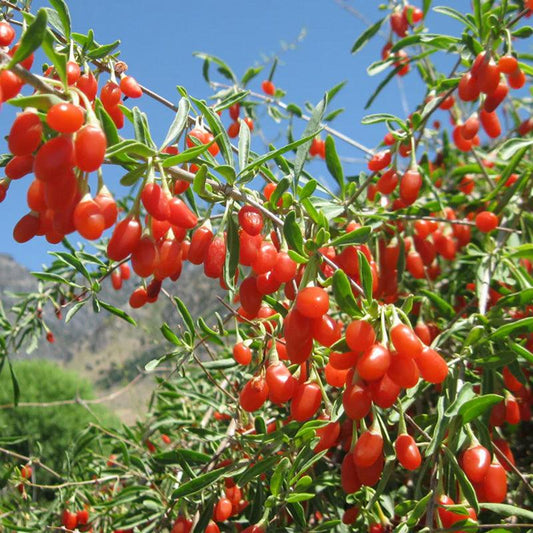
A goji berry plant brings purple flowers and colorful, nutrient-rich fruit to the garden. Also called wolfberry, this hardy, woody shrub loses its leaves in winter and can produce an attractive display when given the right growing conditions. Learning how to grow goji berries starts with choosing a sunny planting spot, providing suitable soil, and allowing enough room for the plant’s spreading branches.
With proper care, goji berries can become a productive addition to a home garden. Understanding their basic growing needs, from planting and watering to pruning and harvesting, can help your plants establish well and produce healthy fruit.
Explore our goji selection and home garden overview before choosing the best planting spot for your plant.

Goji Berry Plant Quick Facts
- Hardiness: Commonly grown in USDA zones 3–10 (performance varies by site and winter lows).
- Sun: Full sun for best flowering and fruiting; partial shade can help in extremely hot afternoons.
- Soil: Well-drained soil is the key; goji plants dislike soggy roots.
- Soil pH: Target 6.8–8.1 (test and amend gradually if needed).
- Spacing: Space plants 4–6 feet apart for mature shrubs and good airflow.
- Pollination: Commonly self-fertile; some gardens see improved yield with a second plant nearby.
Where do goji berries grow?
Lycium barbarum is native to China and grows in many temperate gardens. A goji berry bush prefers full sun. It tolerates partial shade, but heavier shade can reduce flowering.
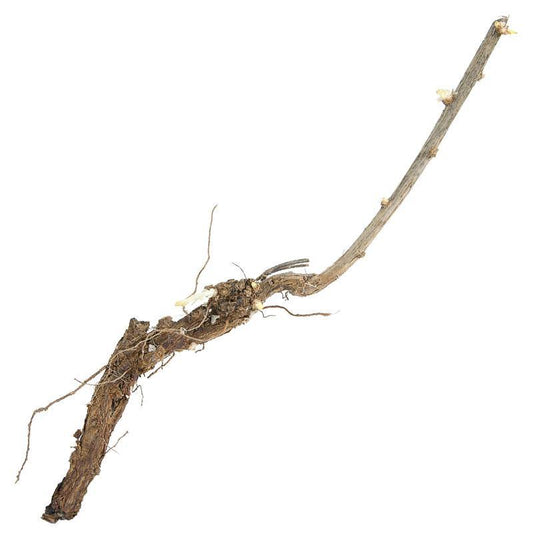
Although sometimes called a goji berry tree, it naturally forms a shrub with arching stems. Unlike compact berry bushes, it can spread through shoots from its roots. Review landscaping ideas and leave harvesting space.
How to plant goji berries
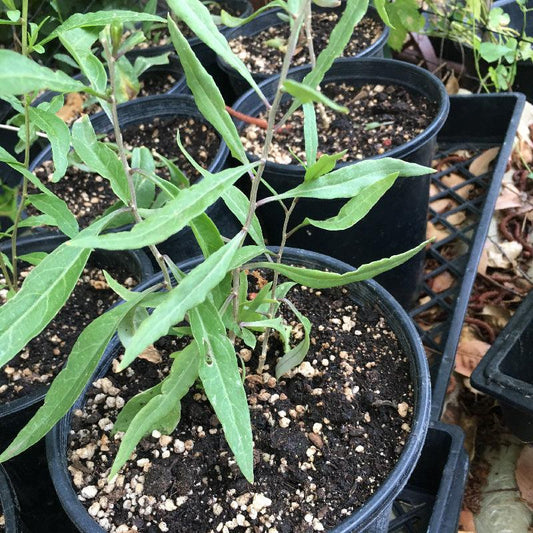
Start planting goji berry plants in spring when soil is workable. A potted nursery plant avoids the uncertainty of seedlings.
How do you plant goji berry shrubs correctly? Dig a hole twice as wide as the root system. Keep the existing soil line level with the ground, backfill, and water thoroughly. Allow about five feet around a freestanding shrub.
Goji berries thrive in freely draining soil. Test acidity with soil pH kits; slightly alkaline conditions suit this crop. Add oyster shell flour only when testing shows a need to raise pH. Already alkaline soil needs no lime. Keep mulch away from stems and remove weeds that compete with young roots. Before planting, check local guidance on spread: this shrub can escape gardens in some regions.

How to grow goji berries in containers
Choose a sturdy pot with drainage holes. A five-gallon nursery pot can start a young shrub, but mature roots need more space.
Use potting soil designed for containers. Keep outlets clear and move into a larger pot as roots fill the container. Our container growing guide explains this route. Good drainage matters more than a fixed watering schedule. Roots in pots face more winter cold than roots underground. Ask local Extension about protecting containers in your climate, and never leave a pot sitting in collected water.
Goji berry plant care
Water new transplants consistently. Established shrubs tolerate some drought, but long dry spells can limit fruit production. Check moisture during the growing season, especially in pots. Avoid keeping roots waterlogged.
Excess nitrogen encourages leafy goji berry growth at the expense of the crop. Base feeding on soil results and plant condition.
Wear gloves when handling thorny stems. Remove unwanted root shoots early to keep nearby paths clear.
To prune gojis, remove dead, damaged, and crossing branches during dormancy. Shorten overlong stems to an outward branch and tie retained stems to supports. Avoid severe summer cutting, which can reduce harvests. Follow our pruning and training guide for shaping options.

Pest and disease checks
Growing goji berry plants requires regular leaf checks. Aphids, mites, and powdery mildew can occur; these shrubs are not immune.
For aphids, begin with control methods such as washing insects from sturdy shoots. Following UC IPM advice, protect beneficial insects: ladybugs and green lacewing larvae eat aphids. Purchased predators do not guarantee control.
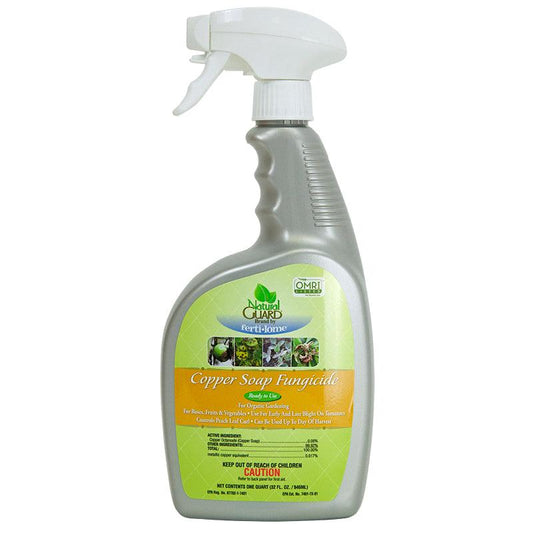
Before choosing natural insecticides or mildew treatments, confirm the diagnosis and label approval for the crop. Improve airflow and follow harvest intervals.
When to harvest goji berries
Knowing when to pick goji berries means watching ripeness, not just dates. Wait until each red berry reaches full color, often bright red or orange-red, and softens. Pick gently because ripe fruit bruises easily.
Eat sound ripe fruit fresh, freeze it, or prepare dried goji berries using suitable drying guidance. Avoid eating unripe fruit.
Conclusion
Successful goji berry cultivation combines sunlight, careful watering, and manageable branches. Use our seasonal growing guide to plan care. Record flowering and harvest dates to improve next year’s routine.


42 comments
Andree, have you measured your soil pH and the levels of phosphorus in your soil? Usually when a plant does not produce flowers it is a problem with their nutrient levels in the soil, in particular, phosphorus. Goji berries also need a more alkaline soil than most plants. So combined with getting your soil pH correct and increasing your phosphorus, your plants should be producing more fruit the following year.
I bought a gogi plant 5 years ago. I transplanted it in a larger pot that I burried in the ground (did not want it to spread like raspberries). It is in a sunny spot, near the rhubarb which is doing very well. I live in zone 5A.
It greens very well in the spring but no flowers. This spring for the first time I saw very few white flowers but they produced no berry. Last year and this year I saw a few purple blooms at the end of August-beginning of September which of course will turn into nothing.
Any suggestion or do I just throw it in despair? Thank you for any useful response.
Tish, a couple of things to consider, how is the pH of your soil. Goji berries like a more alkaline soil. Also how much phosphorus is in your soil? Plants need phosphorus to flower and produce fruit so you may be lacking that element. Maybe some bone meal. That will help raise the pH and also provide some phosphorus.
Hi there. My goji berry was a potted plant I put in the garden 7 yrs ago. I’ve trimmed the bush but have had no berries. I’ve seen a few flowers but no nerries. It does make lots of baby plants that I pass on.
Why no berries?
Thank you.
EMJ, I think they turn from green to red. However there are black goji berries. Do you know what varieties you planted? We sell the Phoenix Tears, which product red berries when ripe. They are hardy to zone 3, so they should be ok with a light frost. They do need more alkaline soil so you might want to check your soil’s pH and add some lime if your soil is too acidic.