
Collection: Powdery Mildew Treatment for Plants

-

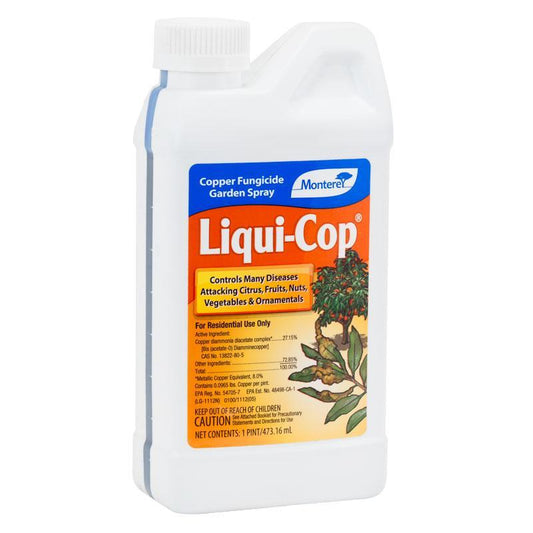
Liqui-Cop Concentrate (Pint)
Regular price $16.99Sale $16.99Unit price per -

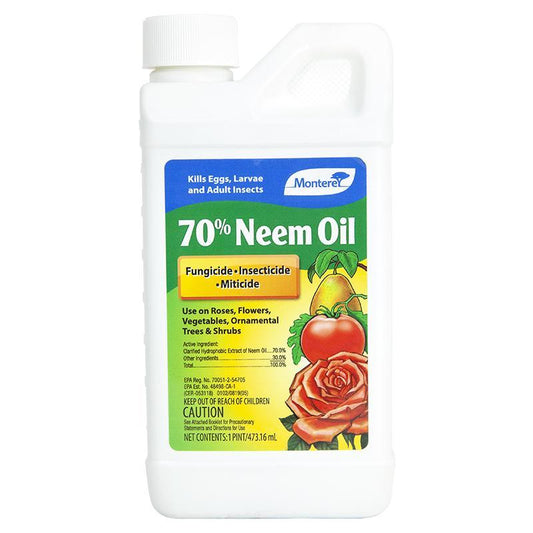
Monterey Neem Oil 70% Concentrate (Pint)
Regular price $27.99Sale $27.99Unit price per -


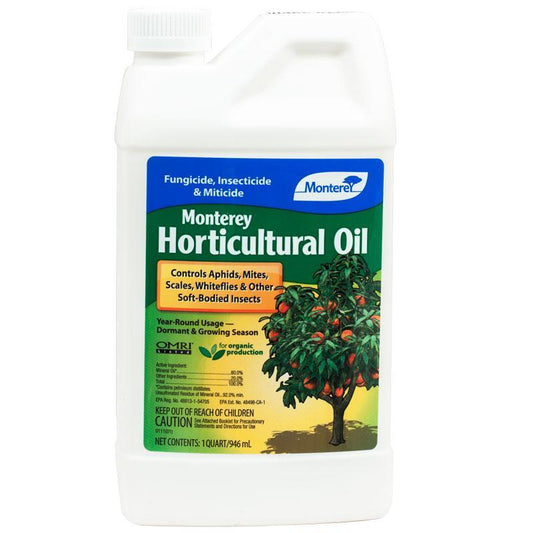
Organic Monterey Horticultural Oil (Qt)
Regular price $14.99Sale $14.99Unit price per -

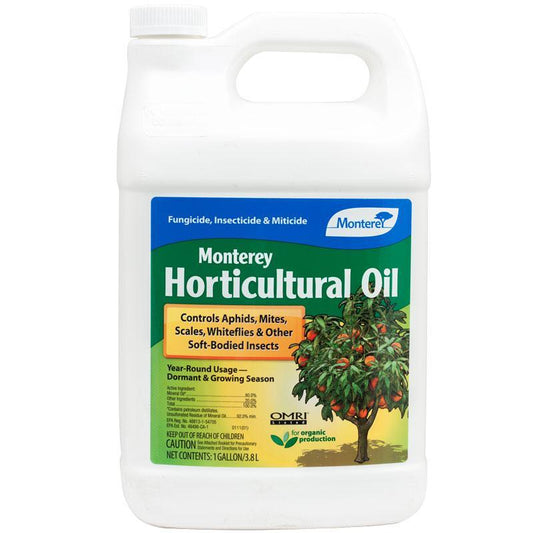
Organic Monterey Horticultural Oil (Gal)
Regular price $41.99Sale $41.99Unit price per -

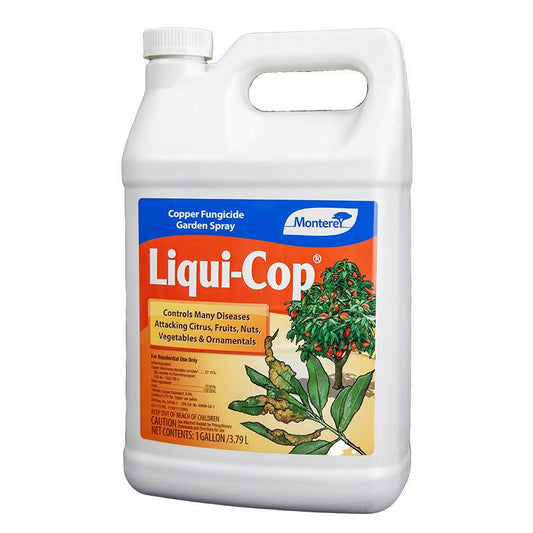
Liqui-Cop Concentrate (Gallon)
Regular price $59.99Sale $59.99Unit price per -

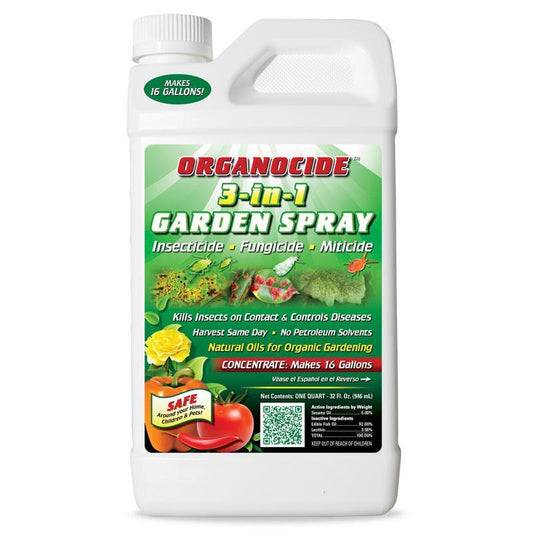
Organocide Concentrate (Quart)
Regular price $33.99Sale $33.99Unit price per -

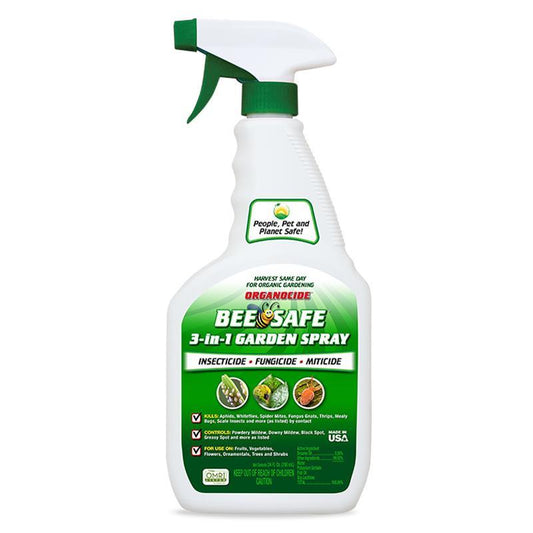
Organocide Ready To Use (24 Oz)
Regular price $18.99Sale $18.99Unit price per -

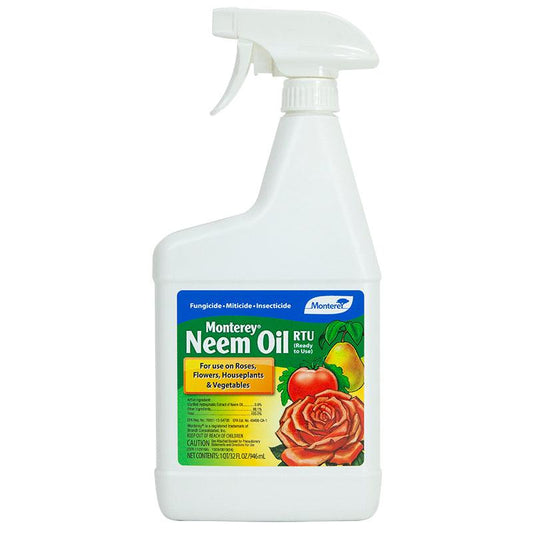
Monterey Neem Oil Ready To Use (Qt)
Regular price $16.99Sale $16.99Unit price per -
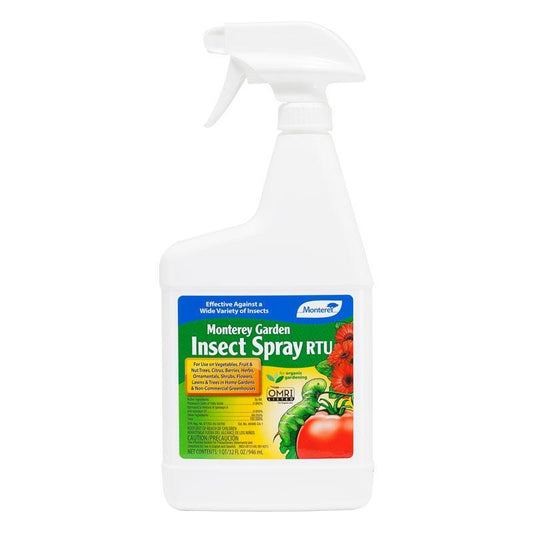
Monterey Garden Insect Spray Ready To Use (Qt)
Regular price $12.99Sale $12.99Unit price per -
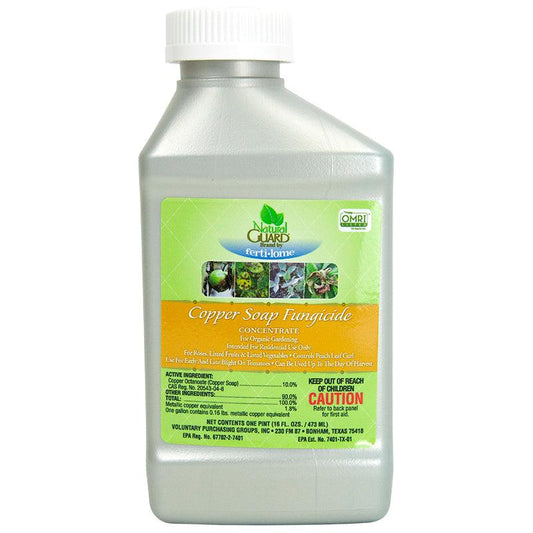
Fertilome Copper Soap Liquid Fungicide Concentrate (Pint)
Regular price $19.99Sale $19.99Unit price per -
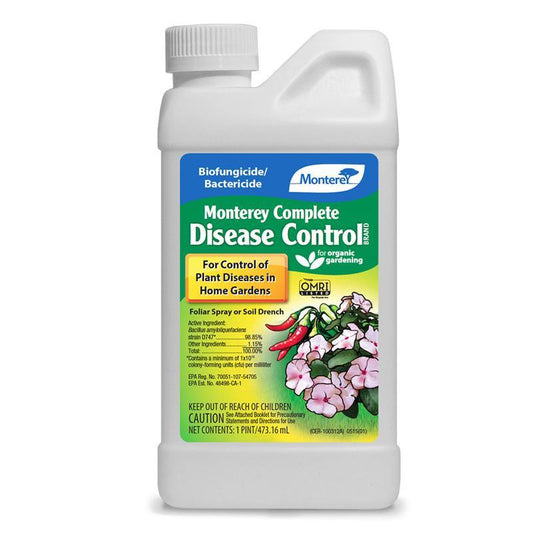
Monterey Complete Disease Control (Pint)
Regular price $20.99Sale $20.99Unit price per -
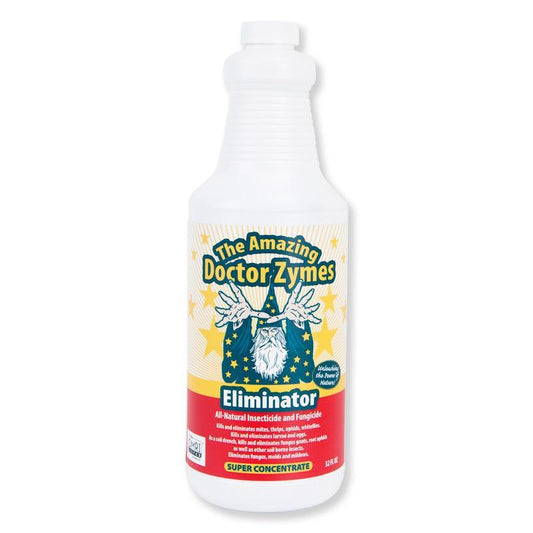
Doctor Zymes Insecticide/Fungicide Concentrate (Quart)
Regular price $37.99Sale $37.99Unit price per -
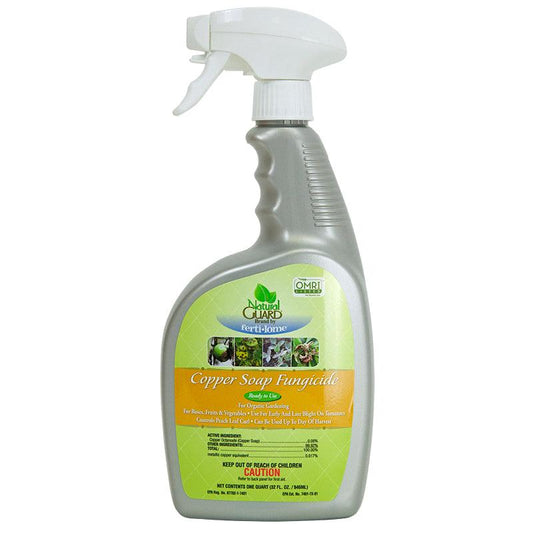
Natural Guard Copper Soap Liquid Fungicide RTU (Qt)
Regular price $13.99Sale $13.99Unit price per -
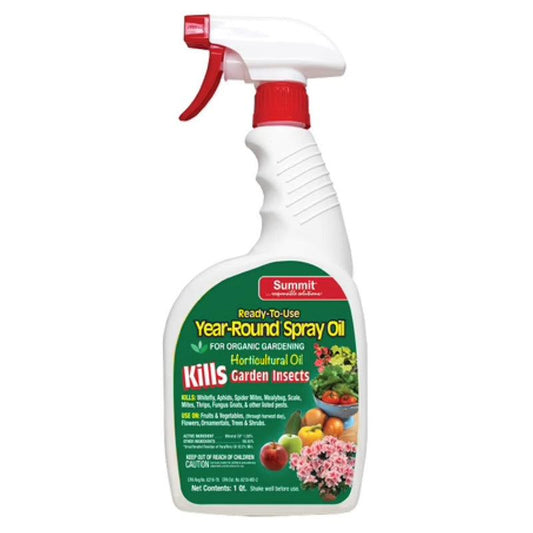
Organic Summit Year Round Horticultural Spray Oil RTU (Qt)
Regular price $12.99Sale $12.99Unit price per -
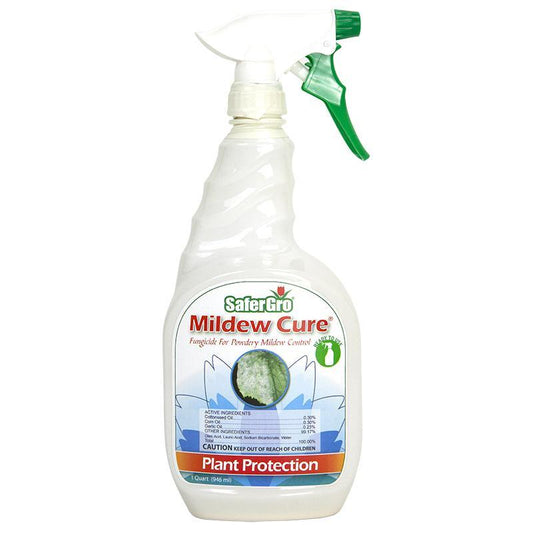
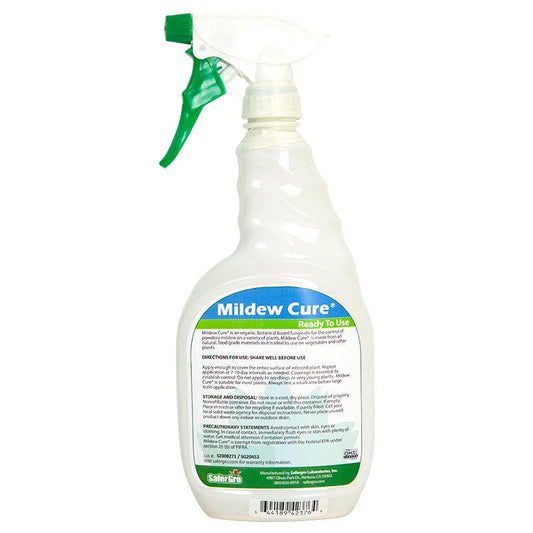
Mildew Cure Ready-to-Use (32 oz)
Regular price $19.99Sale $19.99Unit price per -
New

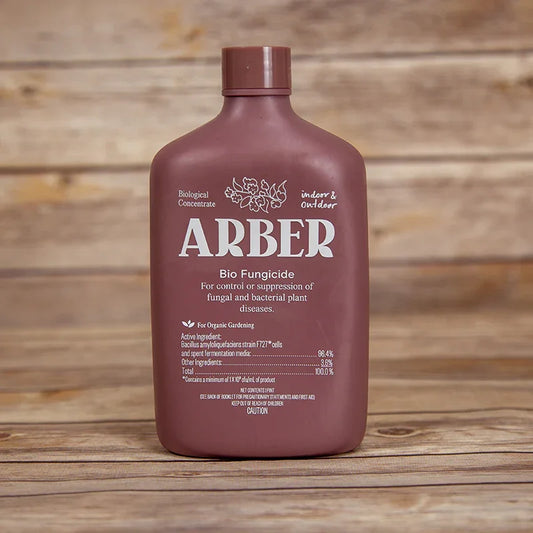
Arber Bio Fungicide Concentrate
Regular price $15.99Sale $15.99Unit price per -
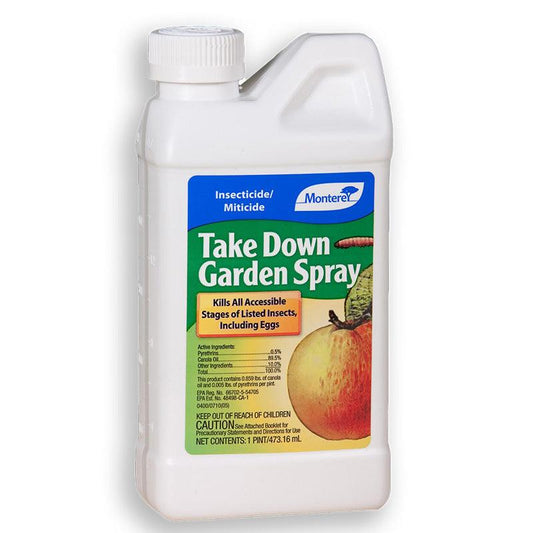
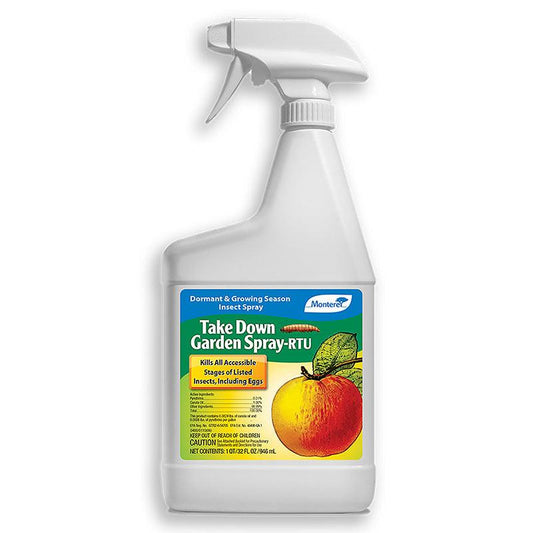
Monterey Take Down Garden Spray
Regular price $21.99Sale $21.99Unit price per -
New

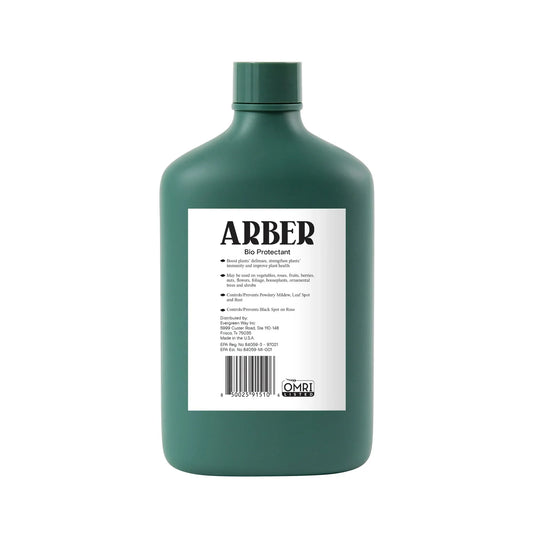
Arber Bio Protectant
Regular price $24.99Sale $24.99Unit price per -

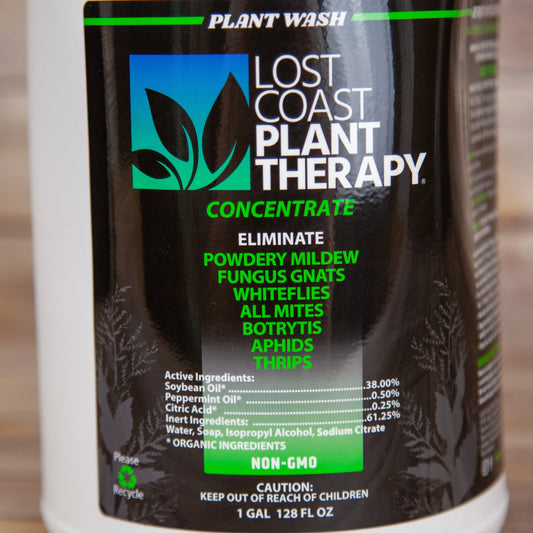
Lost Coast Plant Therapy 1 Gallon
Regular price $259.99Sale $259.99Unit price per -
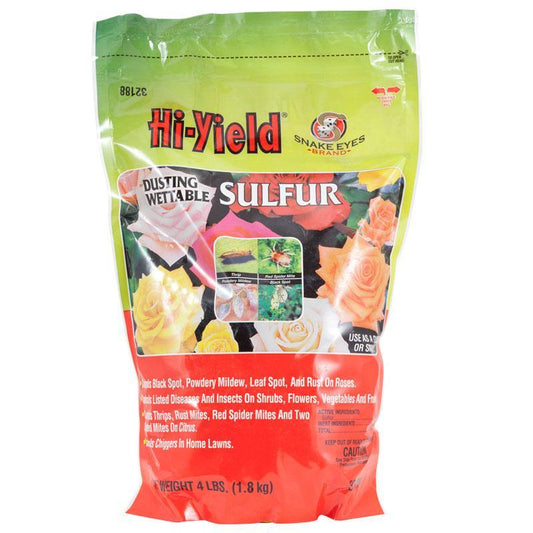
 Sold out
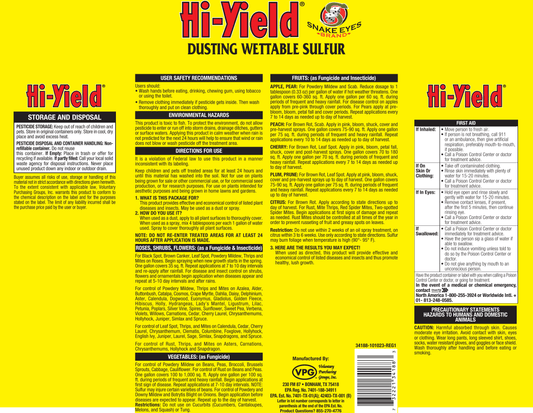
Hi-Yield Wettable Sulfur (3.25 lb)
Regular price $14.99Sale $14.99Unit price per -

 Sold out
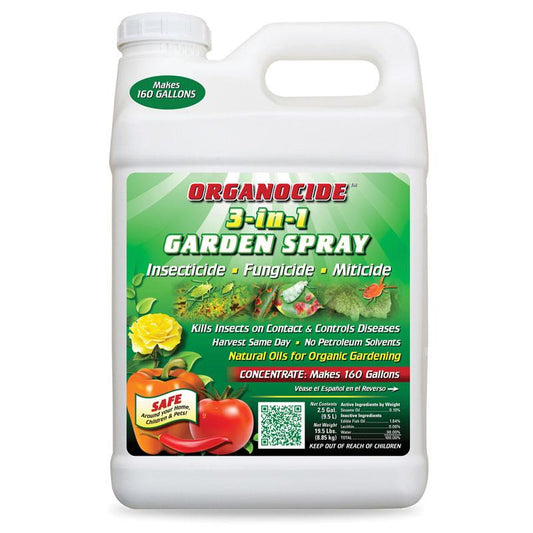
Organocide Concentrate (2.5 Gallon)
Regular price $226.99Sale $226.99Unit price per$0.00Regular priceSold out -
 Sold out
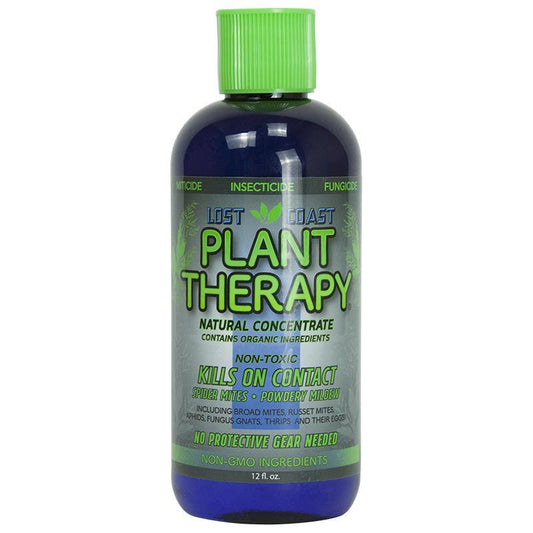
Lost Coast Plant Therapy (12 oz)
Regular price $41.99Sale $41.99Unit price per -
 Sold out
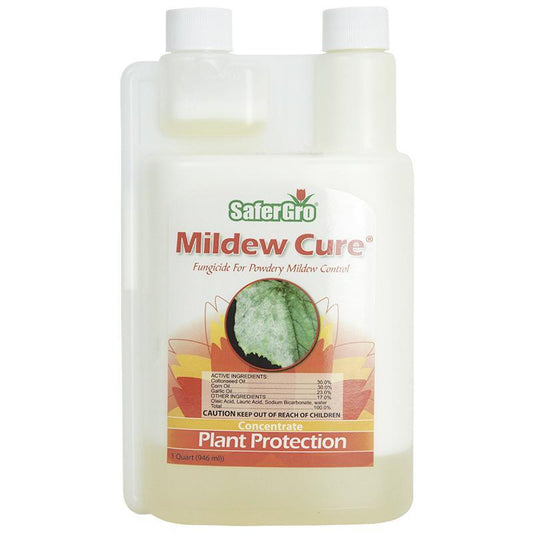
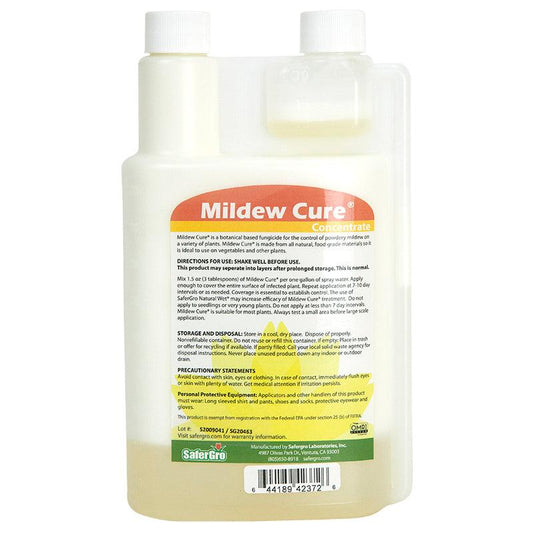
Mildew Cure Concentrate (Quart)
Regular price $24.99Sale $24.99Unit price per


