How to Store Kale: How to Freeze and Keep Your Garden Harvest Fresh Longer
A productive kale patch can give you more leaves than you can eat at once. Learning how to store kale helps protect that harvest, reduce food waste, and keep homegrown greens ready for salads, soups, smoothies, and meal prep.
Fresh kale stores best when it stays cold and dry. For a longer harvest, freezing kale is an easy option. The key is removing excess moisture before refrigeration and blanching leaves before long-term freezing for the best color, flavor, and texture. Oregon State University Extension recommends refrigerating dry kale in an airtight container for up to about one week.

How to Store Fresh Kale in the Refrigerator
If you have just harvested a bunch of kale, remove damaged leaves but wait to wash the rest until you are ready to use them. Wet kale leaves spoil faster.
For how to store fresh kale, place the dry leaves in a food-safe container or plastic bag and keep them in the crisper drawer. Keep the refrigerator at 40°F (4°C) or below. A layer of dry paper towels can help absorb moisture if condensation develops.
Gardeners often ask how to store kale in the fridge after picking. The simplest method is:
- Keep the leaves dry.
- Remove wilted or damaged pieces.
- Refrigerate them in a container or loosely closed bag.
- Wash under running water just before preparing or eating.
A salad spinner works well after washing because it removes excess water quickly.
So, how long does kale last in fridge? Properly stored kale can stay in good condition for about a week, although storage life can vary depending on temperature, humidity, and how fresh the kale was when harvested.
The answer to how long does kale last in the fridge or how long is kale good for in the fridge depends on how fresh it was at harvest and how dry it stays.
The same approach works for kale from the grocery store or a prepacked bag of kale.

How to Freeze Kale
If your garden is producing faster than you can eat kale, freezing is a good long-term option.
Many gardeners ask can you freeze kale, can I freeze kale, or can you freeze fresh kale? Yes. For the best quality, the National Center for Home Food Preservation recommends blanching most leafy greens for 2 minutes before freezing. Blanching slows enzyme activity that can cause losses in color, flavor, and texture during frozen storage.
How to Freeze Kale Step by Step
For how to freeze kale, start with young, healthy leaves.
Wash them well, remove woody stems, and place the leaves in boiling water for about 2 minutes. Move them immediately into an ice bath and cool for about 1 minute to stop the cooking.
Drain thoroughly. Too much moisture can lower frozen quality. Pack the leaves into freezer-safe containers or bags, remove as much air as possible, and freeze.
If you want individual portions, spread the drained leaves on a baking sheet first, freeze until firm, then transfer them to freezer bags.
Can You Freeze Kale Raw?
You may see advice for how to freeze kale raw, especially for smoothies. Kale will freeze without blanching, but blanching is recommended because it helps maintain quality during frozen storage.
Frozen kale will be softer after thawing because freezing damages the cells in leafy vegetables. For that reason, it is better for soups, casseroles, sauces, smoothies, or sautéed dishes than fresh salads.
A little olive oil and garlic can turn thawed kale into an easy side dish.

How to Keep Kale Fresh Longer
Knowing how to keep kale fresh comes down to controlling moisture. Do not store wet leaves, and refrigerate freshly harvested kale as soon as practical.
If you use paper towels, replace them when they become damp. Check the container every few days and remove any leaves that have become slimy, rotten, or badly deteriorated.
Kale Varieties to Grow for a Fresh Harvest
Grow Organic's Kale Seeds Collection offers several varieties that work well for repeated harvests and home cooking.
- Red Russian Kale Seeds (Organic) produce tender leaves suited to salads and cooking.
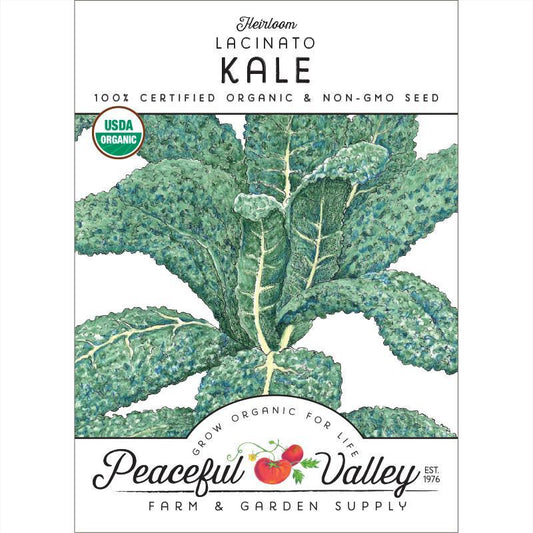
- Lacinato Kale Seeds (Organic) produce dark, textured leaves. Lacinato is also called dinosaur kale and can be harvested repeatedly.
- Curly Roja Kale Seeds (Organic) offer colorful curled leaves and mature in roughly 50 to 70 days.
- White Russian Kale Seeds (Organic) are another useful cool-season option.
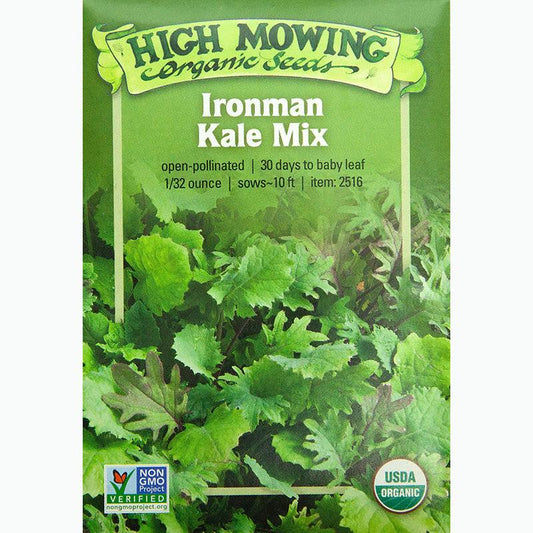
For more varieties, explore Ironman Kale Mix, All Stars Kale Seeds, Dino Kale Seeds, or 'Mars Landing' Specialty Kale.
You can also read Kale: The Superfood of the Garden, learn why Lacinato is called dinosaur kale, or try your harvest in kale chips and Kale & Black Bean Salad.
Conclusion
The best way to store kale depends on when you plan to use it. Refrigerate dry leaves for short-term storage and blanch before freezing for better long-term quality. Keeping water under control is the most important step. Dry leaves last longer, while properly prepared frozen kale gives you an easy way to enjoy your garden harvest months later.