

Introduction
Rice hulls for gardening are lightweight materials made from the protective covering around rice grains. After harvest, rice mills remove these coverings. Gardeners can then use processed hulls in potting mixes, beds, compost, or as mulch.
What is a rice hull? It is also called a rice husk or rice chaff. The main uses for rice hulls are improving pore space, covering soil, and adding a biodegradable ingredient to growing media. They are useful, but they are not a complete fertilizer.
Explore our soil improvement books, gardening books, and Resource Center for more soil information.

Why Use Rice Hulls in the Garden?
One of the main rice hull benefits is improved drainage and aeration. Whole hulls create spaces where air and water can move. This can help plant roots in container mixes that would otherwise stay too dense.
Purdue Extension reports that parboiled hulls can increase drainage and air-filled pore space in peat-based media. This makes them a possible perlite substitute in a tested mix.
The rice husk benefits depend on the complete mix. Rice hulls generally drain well, so claims about water retention, moisture retention, or greater water holding capacity should not be made without considering the other ingredients.
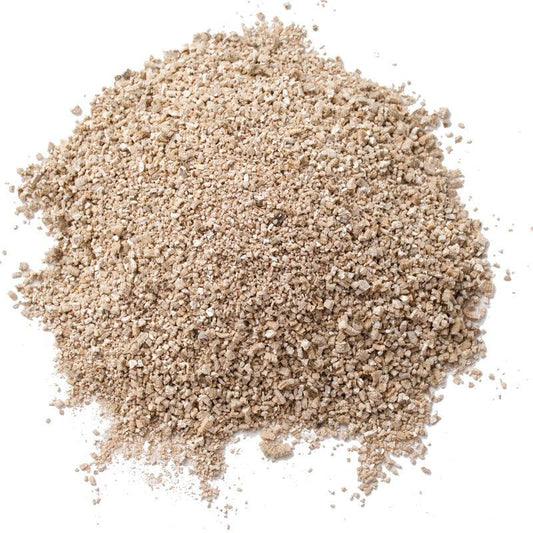
For more options, compare perlite, vermiculite, and diatomite. The common perlite vs vermiculite question matters because each material changes a mix differently.
Types of Rice Hulls and Their Gardening Benefits
Processing changes how rice hulls behave in growing mixes. Most of the research summarized below concerns container growing media, so results may differ in garden beds.
| Type | Uses and Potential Benefits | Limitations and Considerations |
|---|---|---|
| Raw or Fresh Rice Hulls | Unprocessed material from rice milling. Do not assume it offers the same performance as a tested, processed horticultural product. | Fresh hulls may contain rice seeds that can sprout. Purdue Extension identifies this as a reason for parboiling hulls before horticultural use. |
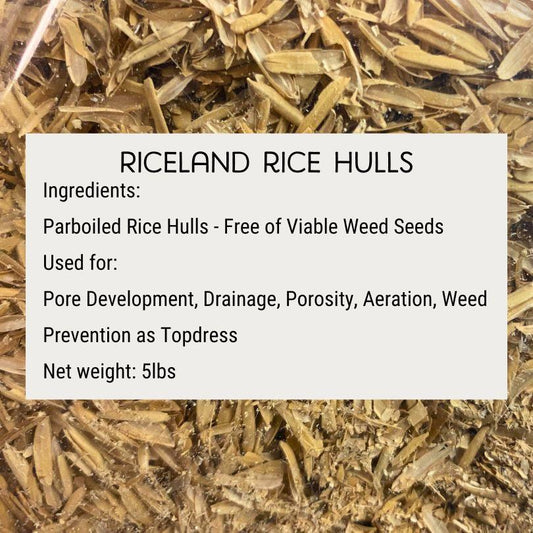
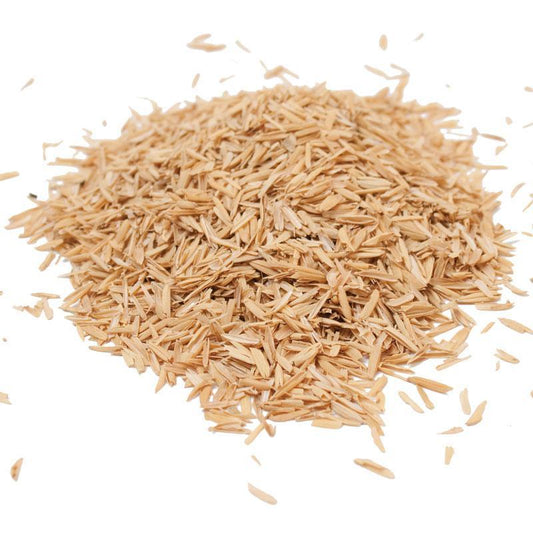
| Whole Parboiled Rice Hulls | Can increase drainage and air space in peat-based potting mixes. They can serve as an alternative to perlite in suitable formulations. As container mulch, they have also suppressed bittercress and liverwort in USDA research. | Parboiling helps eliminate viable seeds. Benefits depend on the mix and application. Weed-control results do not guarantee control of every weed or existing weeds. See Purdue's substrate guide. |
| Composted Rice Hulls | Used as a growing-media ingredient. The University of Arkansas explains that composting breaks hulls into smaller particles that can provide water-holding capacity. | Their role differs from that of whole hulls used to increase air space. Do not substitute one for the other without considering the complete growing mix. |
| Carbonized Rice Hulls | Used in some potting and rooting media. Research published by the International Society for Horticultural Science describes good drainage and high porosity in the material studied. | These findings apply to the material studied, not every carbonized product. Check the product's pH and suitability for your crop rather than assuming a universal benefit or mixing rate. |
What about rice husk ash? This table does not recommend ash as a general garden amendment. The sources reviewed do not establish a universal benefit or application rate for home gardens.
How Rice Hulls Are Processed For Gardening
Raw hulls are the material left after milling. Parboiled hulls are processed with heat. Purdue Extension notes that parboiling helps eliminate viable rice and weed seed.
Carbonized hulls are different. They have been heated under conditions that turn part of the material into char. Rice husk ash is different again and should not be treated as ordinary hulls.
Is carbonized rice hull good for plants? It can be used in some growing media, but its chemistry depends on how it was produced. Research into the benefits of carbonized rice hull in plants cannot automatically be applied to raw or parboiled hulls.

How to Use Rice Hulls for Soil
A rice hulls soil amendment can add temporary structure and pore space. When using rice hulls for soil, follow the product directions or a tested potting recipe rather than one rate for every crop.
For rice husk for gardening in containers, mix processed hulls with materials such as peat, coir, bark, or compost. The right amount depends on the crop and the rest of the mix. See our growing-media guide, growing medium ingredients, and soil amendments.
Gardeners can also try rice hulls for garden beds when a lightweight material fits the soil goal. For rice hulls garden use, remember that adding hulls is not a replacement for testing and managing the whole garden soil.
Our guide to good soil drainage explains other ways to improve wet or compacted conditions.
Can Rice Hulls Be Used as Mulch?
Yes. Rice hull mulch can cover the soil surface, and research has found parboiled hulls useful for suppressing some weeds in nursery containers. However, the material is light and may blow away.
When using rice hulls as mulch, apply enough to form a useful surface layer and watch for movement from wind or irrigation. The best depth depends on the setting. Rice hulls for mulch may work better in protected containers than on a windy, exposed site.

Are Rice Hulls Fertilizer?
The phrase rice hull fertilizer can be misleading. Plain hulls are mainly a growing-media or soil amendment. They add carbon-containing organic matter as they break down, but they do not supply complete plant nutrition.
So, how to use rice husk as fertilizer? Do not rely on untreated hulls as the main fertilizer. Base fertility on crop needs and soil or media testing. Browse fertilizer and growing supplies or organic fertilizer.
For specific nutrient products, read our guides to citrus fertilizer and blood meal.
Rice Hulls, Sustainability, and Soil
The benefits of rice production include useful byproducts, and hulls can be reused instead of treated only as waste. This may support an eco friendly growing approach in some situations.
Still, the environmental impact depends on processing, transportation, replacement rate, and local alternatives. Perlite requires mining and high-temperature processing that uses energy, including fossil fuel in some supply chains. Rice hulls also require processing and transport, so neither material should be called impact-free.
For long term growing, remember that rice hulls break down while mineral materials such as perlite remain much longer. That difference matters when planning soil improvement through more than one growing season.
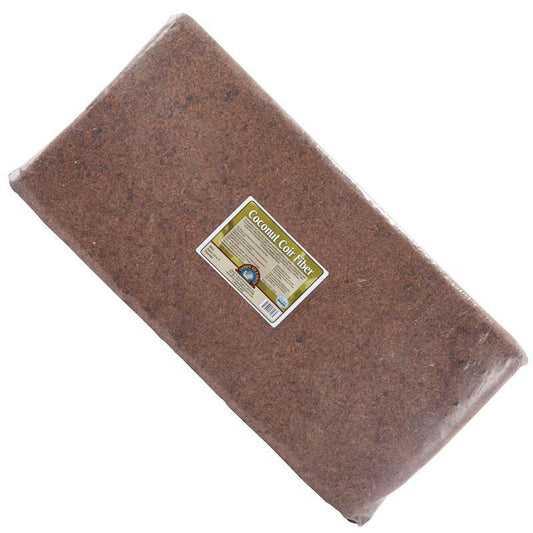
Read more about humus and humic materials and coco coir.
Conclusion
The uses of rice hull materials depend on how they were processed. Parboiled rice husks for gardening can add air space, improve drainage, and serve as surface mulch. A rice husk for plants should be chosen for a clear soil or media goal rather than added simply because it is natural.
The rice husk benefits for plants come mainly from physical changes to growing media. Likewise, the benefits of rice husk in plants should not be confused with fertilizer effects. Used in the right mix, rice hulls for plants can support suitable root-zone conditions and normal plant growth.
You can also review our 5 lb rice hull product before choosing a rice hull for plants.




20 comments
I found they kept snails away – the hulls are light and stick to them making progress difficult.
Using rice hulls in addition to volcanic rock or pumice as soil amendments (not mulch) for aeration is a good practice for organic farming. If your soil has a high amount of microbial activity, the rice hulls break down over time and give your microbes something to do. The byproducts are good for your soil. That’s in addition to providing great aeration alongside the pumice or volcanic rock. Using it as a mulch would be a waster in my opinion. I use barley straw or pre-charged (inoculated) wood chips depending on the situation.
Marlisa, you could use rice hulls to improve drainage, however, keep in mind that they are an organic material and will therefore break down over time. You might be better off amending your soil with either perlite or pumice which will not break down and will not need to be replaced every few years.
Can I use rice hull to amend clay soil to be used for dragon fruit cultivation?
Plant Grandie, you would use the carbonized rice hulls more like you would biochar. Non-carbonized rice hulls are used more like you would compost, to add organic matter to the soil, loosen the soil and help retain moisture.