Best Kale Companion Plants: What to Plant With Kale for a Healthier Garden
Kale is a dependable leafy green that grows well in cool weather, but the plants around it can make a difference. Thoughtful companion planting can help you use garden space efficiently, support beneficial insects, and make pest problems easier to manage.
The best kale companion plants do not magically protect kale from every insect. Instead, they work well beside kale because they have different growth habits, attract helpful insects, or use garden space without crowding the crop.
This guide explains the best companion plants for kale, which plants need extra care nearby, and how to build a healthier vegetable garden.

Why Companion Planting With Kale Can Help
Good companion planting with kale starts with understanding what kale needs. Kale prefers fertile, well-drained soil, steady moisture, and a long cool season. It is also a fairly large plant, so nearby crops should not block its light or compete heavily for water.
A practical companion gardening kale plan can provide several benefits:
- Make better use of limited gardening space
- Add flowers that attract beneficial insects
- Keep soil covered between larger plants
- Spread harvests across the growing season
- Increase plant diversity
Research on companion planting is mixed. Some traditional pairings have little scientific support, so companion crops should not replace proper spacing, crop rotation, row covers, or regular pest checks. Oregon State University Extension describes companion planting as a way to make better use of garden space and stagger harvests, while flowering plants can also help attract beneficial insects.

Best Companion Plants for Kale
Beans and Peas
Legumes can be useful companion plants for kale because they grow differently from broad-leaved kale.
Bush beans are especially useful where summers are mild. Their roots form nodules with nitrogen-fixing bacteria. However, they do not instantly fertilize nearby kale. Much of that nitrogen becomes available after roots and plant material break down.
OSU Extension specifically lists legumes as companions for brassicas because nitrogen stored in their root nodules can become available over time.
Keep tall pole beans to the north side of the bed so they do not shade your kale leaves.
Lettuce and Spinach
Lettuce and spinach can be great companions because they stay fairly low and mature faster than full-sized kale.
You can tuck these crops between young kale plants, then harvest them before the kale needs all the available space. They also enjoy similar cool temperatures.
For raised beds, this pairing is especially useful because it lets you harvest more food from the same area without overcrowding.
Onions and Other Compact Crops
Onions, scallions, and similar narrow plants fit between larger kale plants without casting much shade.
Some gardening guides claim strong-smelling plants repel aphids, but research support for scent alone is limited. It is better to view onions as space-efficient neighbors rather than guaranteed pest control.
Dill, Alyssum, and Other Flowering Plants
Small flowers can be valuable near kale because they provide nectar and pollen that can help support hoverflies, lacewings, parasitoid wasps, and other beneficial insects.
Oregon State University Extension recommends plants such as alyssum, dill, yarrow, clover, daisies, and coneflower to help attract beneficial insects.
Place flowers along the outside of the bed so they do not crowd the kale.

Plants to Use Carefully Around Kale
Not every plant near kale is automatically harmful. The bigger issue is shared pests and diseases.
Other Brassicas
Broccoli, cabbage, cauliflower, Brussels sprouts, collards, turnips, and mustard belong to the same plant family as kale. Growing many brassicas together can create a larger target for pests.
Common problems include:
- Cabbage loopers
- Imported cabbage worm
- Diamondback moth larvae
- Flea beetles
- Cabbage maggots
These insects can chew holes in leaves or damage roots. University of Minnesota Extension lists all of these as important kale pests.
Gardeners sometimes call adult pest insects cabbage moths, although the imported cabbageworm adult is actually a white butterfly. Regardless of the name, covering young kale with lightweight row cover at planting or soon after emergence can prevent adult butterflies and moths from reaching the plants to lay eggs.
Crop rotation also matters. University of Minnesota recommends avoiding areas where kale or related brassicas have grown during the previous four years.
Large, Spreading Vegetables
Pumpkins, squash, and other vigorous vines can shade kale and compete for moisture. Large tomato plants may do the same later in summer.
They are not poisonous neighbors. They simply need more room than most companion plants to kale.

How to Plan Kale Planting
Proper kale planting matters more than any companion combination.
University of Minnesota Extension recommends planting kale seeds about ¼ to ½ inch deep and thinning seedlings to roughly 8 to 12 inches apart for full-sized plants. Baby-leaf crops can be planted more closely.
For a fall crop, count backward from your average frost date. Kale is cold tolerant, and fall crops often develop excellent flavor as temperatures drop.
A simple growing kale companion plants layout might look like this:
- Kale as the main crop
- Lettuce or spinach between young plants
- Bush beans farther away where summer temperatures allow
- Dill or alyssum around the border
- Onions or scallions in open spaces
This gives each kale plant growing room while making better use of the bed.
Protect Kale From Pests
Even good companion planting kale combinations need regular checking.
Look at both sides of leaves once or twice a week. Imported cabbageworms and cabbage loopers often hide underneath. Flea beetles leave many small holes, especially on seedlings.
Row covers placed over kale at planting or soon after emergence can prevent adult butterflies and moths from reaching the plants to lay eggs. Check the plants for existing eggs or caterpillars before covering. Handpick caterpillars when populations are small.
If deer visit your garden, you may also wonder do deer eat kale. Deer will browse many garden vegetables, especially when food is scarce. Physical barriers such as fencing are the most dependable protection. University of Minnesota notes that deer may eat almost any plant when under nutritional stress.
Kale Varieties From Grow Organic
Grow Organic offers several varieties for different gardens and harvest styles. Browse the Kale Seeds Collection when planning your next crop.
- Red Russian Kale Seeds (Organic)
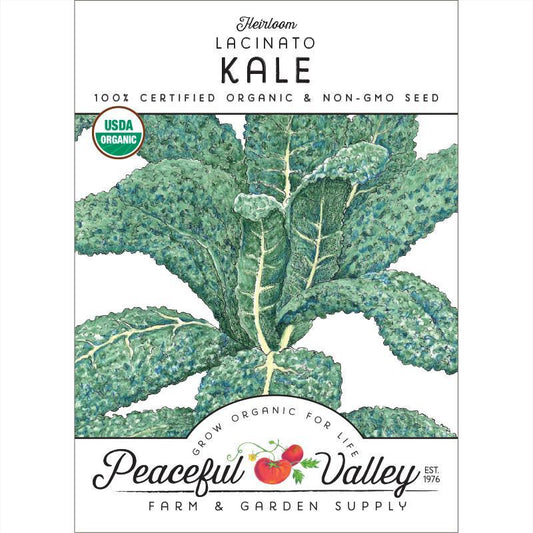
- Lacinato Kale Seeds (Organic)
- Curly Roja Kale Seeds (Organic)
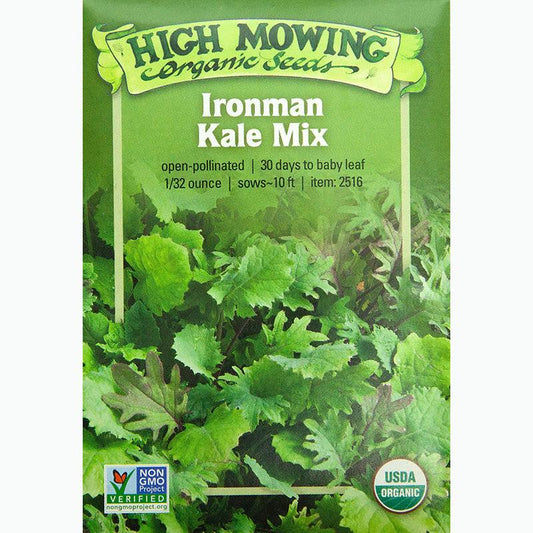
- Ironman Kale Mix Seeds (Organic)
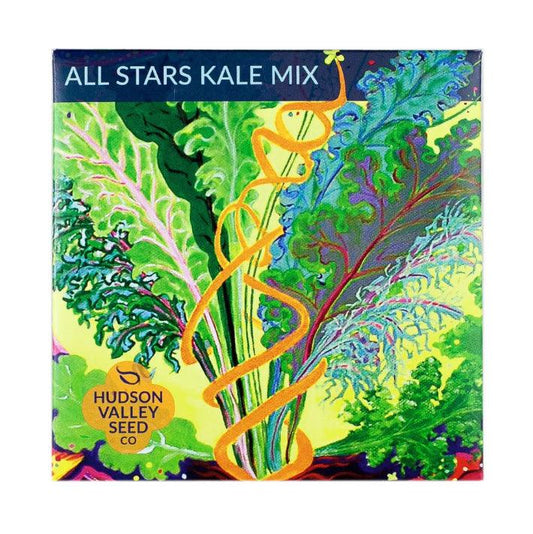
- All Stars Kale Seeds (Organic)
- Dino Kale Seeds (Organic)
- 'Mars Landing' Specialty Kale Seeds
- White Russian Kale Seeds (Organic) and the larger Organic White Russian Kale 1 oz size
- Grow Organic also lists another Curly Roja Kale option.
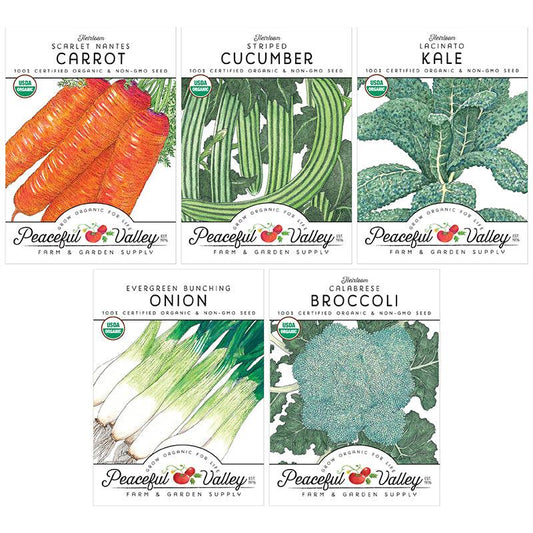
For mixed gardens, the Organic Vegetable Collection includes Lacinato kale, while the Frost Kissed Collection and Edible Front Yard Collection include Red Russian kale.
For more help with kale growing, read Kale: The Superfood of the Garden or watch How to Grow Kale. You can also learn why Lacinato is called dinosaur kale, read about growing dinosaur kale in Northern California, or compare it with other greens in the Chard vs Kale vs Spinach guide.
After harvest, try Kale Chips or Kale & Black Bean Salad.
Conclusion
The best companion plants for kale are plants that use space differently, mature at different times, or support beneficial insects. Lettuce, spinach, legumes, onions, and small flowering plants are useful choices.
The most successful kale companion plant plan still depends on proper spacing, steady moisture, crop rotation, and regular pest checks. Treat companion planting as one useful tool, not a guarantee against insects.