Oregon’s fall garden plan has two opposite clocks. West of the Cascades, the priority is to establish cover and cool crops before declining light and prolonged rain make soil and plant health harder to manage. In central and eastern Oregon, the clock may be an early hard freeze, cold soil, wind, and limited irrigation water. The coast, Willamette Valley, Cascade sites, and high desert cannot share one planting, watering, or winterization date.
Oregon's climate divide should guide the next step. Coastal gardens trade a long season for cool temperatures, wind, and disease pressure. Western valleys need winter drainage and summer irrigation. Cascade, high-elevation, central, and eastern sites may face earlier freeze, stronger wind, and tighter water limits.
Use the same statewide order while adapting each step to the site: identify the local transition; cover exposed soil; plant only what can establish under current soil temperature and the frost trajectory; reduce irrigation from measured demand; prepare drainage or freeze protection; scout carryover pests; and stabilize perennials and infrastructure.
Diagnose the fall transition
Start with soil workability, root-zone moisture, soil temperature at the relevant planting depth, declining day length, the local forecast, and the garden’s cold-air drainage. The first soaking rain can trigger drainage and soil-cover work in western Oregon, but it is not a statewide signal that irrigation has ended. An east-side bed may remain dry while nights become cold enough to stop useful establishment. A coastal bed may remain frost-free yet too cool and dim for a slow crop to finish.
Use forecasts as changing evidence, not guarantees. Record the garden’s actual minimum temperature, wind exposure, first meaningful rain, and whether crops or covers are establishing. USDA hardiness zones summarize average annual extreme minimum temperatures; they do not provide a first-frost date, snow load, soil-freeze depth, or planting calendar. Elevation and low pockets can make nearby sites diverge.
Regional condition checklist
- Has a soaking rain occurred, or is irrigation still the only meaningful water at root depth?
- Is western soil workable, or does it smear and compact under traffic?
- Is soil still within the selected seed’s establishment range?
- How many realistic growing days remain before the site’s first hard-freeze or low-light limit?
- Are beds bare, cropped, mulched, or ready for a cover that can actually establish?
- Does irrigation enter the root zone, run off, or remain excessive after rain?
- Are drainage paths open for heavy western storms?
- Are exposed east-side beds protected from wind and erosion without exceeding the water budget?
- Do slugs, disease, rodents, mites, grasshoppers, or storage pests have fresh evidence?
- Are trellises, covers, irrigation, and young perennials ready for wind, rain, snow, ice, or freeze?
Repeat the checklist when the pattern changes. A delayed first rain can extend irrigation in western valleys. An early freeze can close the establishment window in the high desert before western gardens begin saturated-soil precautions. One calendar cannot capture that divergence.
Compare Oregon’s fall garden segments
| Segment | Primary fall transition | Priority response | Common mistake |
|---|---|---|---|
| Oregon coast | Cool temperatures, wind, increasing rain, long leaf wetness, and a relatively long but slow season | Establish suitable cover or cool crops early enough for growth, preserve airflow, secure structures, and protect drainage | Assuming a long frost-free season provides enough heat or light for any fall crop |
| Willamette and other western valleys | Summer-dry soil moves toward repeated rain and winter saturation | Cover soil, test infiltration, keep traffic off wet ground, and reduce irrigation only from actual moisture | Cultivating after clay becomes plastic, or stopping irrigation after a light rain that did not wet roots |
| Cascade foothills, mountains, and high elevations | Rapid temperature decline, stronger frost, snow or ice exposure, and a short establishment window | Use short-season or protected plans, secure load-bearing structures, and winterize systems by local freeze exposure | Using a valley date or relying on a cover to guarantee frost protection |
| Central Oregon high desert | Large day-night swings, wind, low humidity, early freeze risk, and coarse or volcanic soils | Conserve root-zone moisture, protect soil from wind, choose crops and covers that can establish, and plan freeze-safe irrigation | Importing a west-side rain calendar or leaving irrigation on an exposed schedule |
| Columbia Plateau, Blue Mountains, and eastern basins | Cold, wind, limited water, and locally alkaline or saline soils and irrigation water | Match crop, amendment, and irrigation decisions to tests and local constraints; retain safe cover | Adding lime, sulfur, fertilizer, or organic matter without evidence, or assuming every east-side soil shares one chemistry |
Sequence the Oregon fall work
1. Keep soil covered before the local window closes
Choose living cover where seed can germinate and roots can establish before cold, saturation, or low light stops useful growth. Where that window has closed, use clean residue or an appropriate mulch that protects soil and permits inspection. Western gardens should preserve aggregation and drainage before prolonged rain. East-side gardens should reduce wind erosion and bare-soil exposure without committing scarce water to an unsuitable cover.
Do not work saturated western clay, and do not till dry, windy soil simply to create a finished surface. Use the Oregon fall soil-cover guide to choose among a cover crop, clean residue, mulch, or waiting after checking workability, water, wind, and the spring termination plan.
2. Plant garlic and cool crops from conditions
Garlic, roots, greens, and other cool crops need separate decisions about cultivar, soil temperature, drainage, maturity, winter survival, and protection. A coast or Willamette planting can face cool wet soil and disease pressure; a Cascade or high-desert planting can face early freeze and short root establishment. Work backward from the actual site and crop requirement, not a statewide date.
Prepare a protected backup when conditions are marginal, and do not bury a new planting in amendments not justified by a soil test. Use the Oregon garlic, roots, and cool-crop matrix to match crops to the site, and the established fall garden guide for planting steps.
3. Prepare for opposite water risks
West of the Cascades, test whether water infiltrates or begins to perch, pool, and run off. Clear drainage without sending sediment or amendments off site. Reduce irrigation as demand and rainfall change, but verify moisture at root depth. Central and eastern gardens may still need irrigation for active roots even as freezes threaten exposed plumbing. Wind and coarse soil can maintain demand while short days slow growth.
Separate irrigation zones by plant, root volume, soil, and exposure. Winterize only the components whose local freeze exposure requires it, and follow applicable backflow and water rules. Use the Oregon fall water decision tree to balance drainage, moisture conservation, and irrigation shutdown.
4. Shift IPM from summer carryover to winter conditions
Western moisture favors slugs, snails, foliar disease, and some root problems, while east-side gardens may carry rodents, mites, grasshoppers, and drought-stressed plants into cold weather. Storage pests enter the picture as harvest moves indoors. Identify the organism or evidence and inspect the root zone before treating. Heat, drought, freeze, waterlogging, and nutrient stress can resemble pests.
Retain functional habitat and soil cover without preserving a disease reservoir or a rodent route next to vulnerable crops. Use sanitation selectively, then physical, cultural, or correctly labeled targeted controls. The Oregon fall IPM guide can help separate pest pressure from water, weather, and root stress before you act.
5. Stabilize perennials and infrastructure
Inspect young roots, irrigation, ties, trellises, shade, covers, trunk exposure, and storm or snow load. Complete repairs while access and soil condition are safe. Avoid heavy calendar-driven pruning that removes needed structure or exposes tissue; timing depends on crop, disease, dormancy, and weather. Prepare dormant-season purchases by site and cultivar requirements rather than assuming availability means suitability.
Use the Oregon orchard, berry, and infrastructure checklist to protect roots, service water systems, repair supports, and manage season extension before winter conditions make the work harder.
Use a condition-based action timeline
| Trigger | Act now | Verify next |
|---|---|---|
| Soil is within the selected seed’s establishment range and moisture is adequate | Sow the chosen cover or crop, label it, and reserve water for emergence if rain is unreliable | Check emergence, stand, roots, weeds, and the termination or protection plan |
| Soil is too cold, wet, dry, or the freeze window is too short | Use appropriate residue or mulch, protect the surface, and postpone the living cover | Monitor workability, erosion, pests beneath cover, and the next planting opportunity |
| First soaking rain arrives west of the Cascades | Inspect infiltration, pooling, drainage, and runoff; reduce irrigation only where root-zone moisture supports it | Recheck after the next meaningful storm and keep traffic off plastic soil |
| Freeze is forecast for a high or east-side site | Harvest vulnerable produce, secure condition-appropriate covers, protect exposed irrigation, and follow crop-specific guidance | Vent or remove covers when conditions change; assess new damage after thaw |
| Summer crop is finished or diseased | Harvest, remove consequential infected material, retain clean cover, and choose a new crop or protected rest | Record the plant family and diagnosis for rotation and spring planning |
| Slugs, disease, rodents, or storage pests appear | Identify fresh evidence, correct moisture or access, set a threshold, and use least-disruptive tactics | Measure live pressure and new damage instead of old symptoms |
| Heavy rain, wind, snow, or ice becomes credible | Secure structures, clear drainage, remove unsafe material, and protect erosion-prone soil | Inspect load, anchors, runoff, root exposure, and irrigation after the event |
| Soil test or bed history shows a documented need | Apply a suitable input by crop need and label while conditions permit | Record material, analysis, amount, area, and crop response |
Connect regenerative practice to local mechanisms
Continuous cover can intercept rain, reduce erosion, moderate the soil surface, and support roots. Living roots can feed soil organisms where temperature and moisture allow. Hydrozone irrigation can reduce unnecessary applications. Diverse rotations and retained habitat can support beneficial organisms. These mechanisms may improve resilience, but they do not guarantee soil improvement, pest control, or yield.
Measure the result. In the wet west, record infiltration, pooling, aggregation, cover persistence, and disease. In the high desert and east, record wind movement, root-zone moisture, irrigation water use, establishment, and salt patterns. A dark amendment or dense cover is not automatically evidence of success.
Tradeoffs differ across the divide. A west-side living cover can compete with a crop and complicate termination in saturated soil; an east-side cover can consume water needed by perennials. Mulch can protect soil but shelter slugs or rodents and may conflict with wildfire guidance. Plastic covers and irrigation parts require maintenance, reuse, and end-of-life planning. Choose the lowest-input practice that addresses the diagnosed constraint.
Do not prescribe lime, sulfur, compost, or fertilizer from regional soil stereotypes. Western Oregon includes acidic soils, but a particular bed may not need lime; east-side ground may be alkaline or saline, but chemistry varies. Test representative soil and, where relevant, irrigation water. Match any amendment to the crop and institutional interpretation.
Plan safely for frost, rain, wind, smoke, and cold
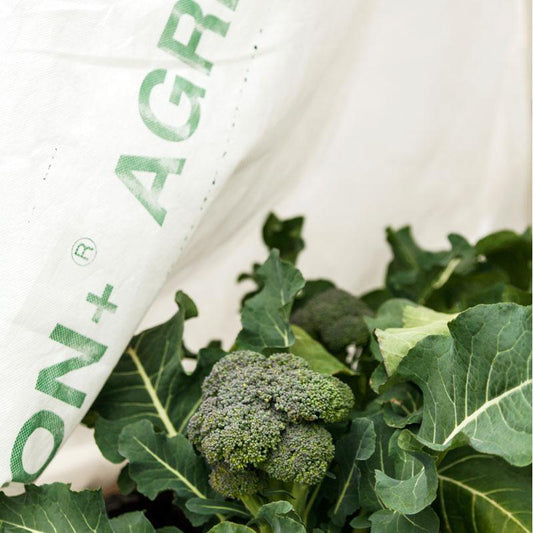
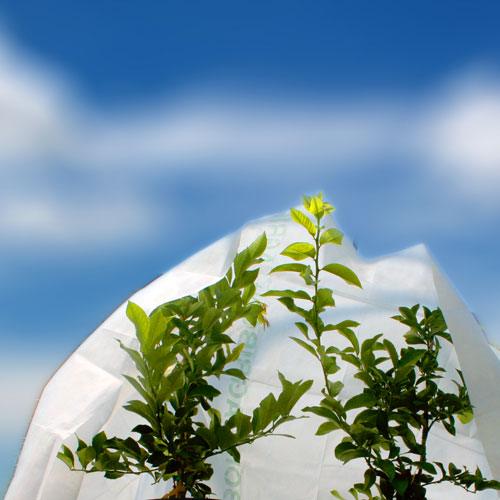
Frost protection reduces exposure under specified conditions; it does not guarantee survival. Select material and support by crop, forecast, wind, ventilation, and expected precipitation or snow. Secure covers so they do not abrade plants or become hazards, and prevent heat buildup when sun returns. Use the established guide to protecting plants with low tunnels for installation and ventilation steps.
Before heavy western rain, protect soil, clear safe drainage paths, and avoid driving or digging on wet beds. Before east-side wind, secure residue, cloth, and lines. During smoke or unsafe air quality, follow current public-health guidance and postpone strenuous outdoor work. After freeze, hail, wind, or smoke, distinguish weather injury from pests or disease before applying a product.
Storage is part of the fall system. Harvest only suitable produce, cure or store by crop-specific institutional guidance, and inspect for injury or pests. Do not bring diseased material into a storage area or claim that one temperature or humidity fits all crops. Sanitation and monitoring reduce risk without guaranteeing preservation.
Build a simple fall field record
For each bed or perennial zone, record subregion, elevation or cold-air context, soil texture and workability, root-zone moisture, minimum temperature, rainfall or irrigation, crop stage, cover, drainage, and active pest evidence. Photograph fixed locations after the first storm and first hard freeze. The record helps separate a statewide recommendation from what actually happened at the site.
For cover crops, track seed, establishment condition, stand, water used, weeds, winter survival, and the planned termination trigger. For garlic and cool crops, record cultivar, planting condition, soil temperature, protection, and emergence. For perennials, record support, root-zone cover, irrigation shutdown, injury, and dormant-season decisions. These are management observations, not yield promises.
Apply the plan to four common Oregon decisions
A western bed is bare and rain is approaching
Check whether soil is workable and warm enough for the selected cover to establish. If it is, sow with a defined termination plan and protect seed from runoff. If the window is marginal, trial a small area or use clean residue or mulch rather than forcing a stand that leaves soil exposed. After the first soaking rain, inspect infiltration and pooling without walking across plastic clay. Do not add compost simply because the bed is open.
A high-desert bed is dry but nights are freezing
Do not wait for west-side rain. Probe the active root zone and decide which perennials or crops still justify irrigation. Protect soil from wind with a cover that does not demand an unrealistic establishment budget. If sowing a crop or cover, compare germination and root establishment with the forecasted freeze trajectory. Exposed irrigation components may need local winterization even while active roots still need water, so separate the delivery and shutdown decisions.
Garlic is planned for two different Oregon gardens
The coast or Willamette site may offer a longer root-establishment period but require excellent drainage and disease-aware bed selection. A Cascade or central Oregon site may approach frozen soil much sooner and face heaving, snow, or wind. In both places, use suitable, healthy planting stock, bed history, cultivar requirements, and soil condition. Do not transfer the same date, mulch practice, or protection assumption across the divide.
A young berry or tree remains stressed after summer
Check whether the original root ball and surrounding soil are receiving compatible moisture. Inspect ties, mulch clearance, trunk injury, rodents, drainage, and signs of active growth. In the wet west, avoid sending the plant into winter saturation; east of the Cascades, do not shut water before the root zone is ready. Delay nonessential heavy pruning, fertilization, or relocation until crop-specific guidance and conditions support it. Stabilize the support and protect the root zone first.
These examples share one rule: separate the plant’s current need from the region’s next hazard. Western rain does not automatically cure summer drought; east-side cold does not automatically end root water use; a long coastal season does not guarantee heat; and a frost blanket does not make an unsuitable crop or damaged root system resilient.
Choose collections after the action sequence
When soil temperature, moisture, establishment window, and termination capacity align, compare the verified Year Round Cover Crop Mixes collection. After cultivar, drainage, planting material, and local timing are resolved, review Seed Garlic. For a crop that can establish in the named segment, use All Vegetable Seeds by maturity, cold tolerance, disease considerations, and intended use.
If forecast, crop, and structure justify protection, compare Frost Protection by weight, light transmission, ventilation, dimensions, anchoring, and reuse. Choose a specific blanket only when its verified characteristics fit the crop, structure, and expected weather. Recheck Online Store status, inventory, and destination eligibility before purchase.
Coordinate soil, crops, water, pests, and infrastructure
Keep related decisions connected. Soil cover affects drainage and pest shelter; crop choice affects irrigation and protection; shutting down water can affect young roots; and season-extension structures add wind, snow, and ventilation demands. Recheck the garden after each major change so one correction does not create a new problem elsewhere.
Use the Oregon winter plan when soil, temperature, precipitation, and plant growth make winter conditions controlling. The timing will differ by coast, valley, mountain, and high desert. Until then, keep soil covered, water moving safely, crops matched to conditions, pest pressure identified, infrastructure secure, and first-rain and hard-freeze observations recorded.
What a prepared Oregon fall garden looks like
West of the Cascades, the plan should be ready for repeated rain without sacrificing soil structure. In the Willamette Valley, irrigation should taper from measured moisture rather than a calendar. At elevation and in the high desert, vulnerable crops and water systems should be ready for the actual freeze risk. Across the east side, wind, water, and soil chemistry should constrain choices before imported west-side advice does.
A regenerative fall plan does not demand identical cover or production everywhere. It keeps soil protected, retains living roots where they can establish, uses tests before nutrient or pH inputs, directs water where roots can use it, and preserves habitat without ignoring disease or rodents. Repeat the checklist whenever rain, freeze, wind, or crop stage changes—and let Oregon’s climate divide determine the next action.
Post the checklist with the irrigation and harvest record so a change in weather produces a documented change in management. The purpose is not perfect prediction; it is to notice the transition early enough to choose a safer soil, crop, water, pest, or infrastructure response.
Carry fall observations into winter, spring, and summer
Use rain, freeze, soil, and crop records to prepare for winter, spring, and summer.
For statewide fall planning, compare Washington, cold-climate, and Interior West. Apply only the advice that fits your precipitation, elevation, soil, wind, water, and crop response.