Fall garden closing is a sequence of practical decisions: harvest what cold will damage, plant only what can still establish, keep soil covered, reduce irrigation from measured demand, and protect perennials and equipment before freeze. Upper Midwest, Great Lakes, and New England gardens reach those conditions at different times, so use soil warmth, root-zone moisture, forecast lows, and local exposure rather than a single date.
Use the fast soil-cover guide to choose mulch, residue, or a cover crop; the garlic and cool-crop guide for planting and harvest timing; the fall water guide for rain, drainage, and shutdown; the fall IPM guide for rodents, slugs, and stored-harvest pests; and the winterizing guide for perennials, tools, and irrigation components.
Check conditions before closing each part of the garden
- Probe active-root moisture and confirm whether autumn rain has reached the intended depth.
- Measure soil temperature at seeding or planting depth before sowing cover crops, garlic, or final cool crops.
- Compare establishment and maturity time with local frost, daylight, and soil-cooling trends.
- Inspect exposed soil, runoff paths, compaction, and saturation before cultivating or adding material.
- Run remaining irrigation zones and check filters, pressure, emitters, wetting, leaks, and drainage.
- Separate healthy residue from material with confirmed pests or disease.
- Inspect stored produce and storage spaces for damage, moisture, sanitation, and pest entry.
- Check young perennial roots, trunks, ties, supports, and mulch clearance.
- Follow current official freeze, storm, smoke, flood, pesticide, and access guidance.
Why one regional calendar fails
Long winters, freeze-thaw cycles, and early fall frost compress the transition. Lake and coastal influence may hold warmth longer, while elevation and cold-air pockets can end growth abruptly. USDA hardiness zones describe average extreme winter minimums; they do not provide fall planting dates or frost guarantees.
| Area | Typical fall pattern | What to check | Practical response |
|---|---|---|---|
| Upper Midwest plains | Sharp temperature drops, wind, and early hard freezes | Soil warmth, root moisture, exposed soil, and system freeze risk | Establish cover early, finish vulnerable harvests, and protect equipment before cold arrives. |
| Great Lakes belts and shore zones | Lake moderation, humidity, and localized heavy rain | Actual soil cooling, drainage, leaf wetness, and shoreline exposure | Use site measurements rather than inland dates and keep rainfall from saturating beds. |
| Northern interior Northeast | Short establishment window and rapid loss of light | Time for roots or cover to establish before cold soil limits growth | Choose reliable, fast cover or protected residue when the living-crop window is too short. |
| Coastal and upland New England | Coastal moderation contrasted with cooler uplands and cold pockets | Elevation, frost history, wind, drainage, and soil condition | Time planting, harvest, and protection from the garden’s own exposure. |
A sheltered urban bed, windy slope, sandy outwash, heavy clay, or nearby water can reverse regional expectations. Treat these patterns as starting points to verify.
Use fall conditions to choose the next action
| Condition | Priority action | Verify | Next decision |
|---|---|---|---|
| First soaking rain arrives | Probe the active root zone and trace infiltration and runoff. | Whether rain replaced irrigation or created saturation | Reduce watering, repair drainage, or continue targeted irrigation. |
| Soil remains warm enough for seed | Choose a cover species or mix that fits establishment time and termination plans. | Seed-to-soil contact, moisture, winter survival or kill, and future crop | Sow promptly or use mulch or residue if establishment is doubtful. |
| Frost enters the forecast | Prioritize vulnerable harvests, young plants, and freeze-prone equipment. | Forecast low and duration, crop tolerance, site cold pockets, and protection capacity | Harvest, protect selectively, winterize, or wait. |
| Daylight and water demand decline | Recheck root-zone moisture before reducing irrigation. | Crop stage, soil texture, recent rain, and overnight recovery | Shorten, separate, or close zones based on measured need. |
| Stored produce or residue shows damage | Identify the pest, disease, or moisture problem. | Fresh injury, living organisms, sanitation, and storage conditions | Separate affected material, correct conditions, and monitor. |
| Perennials or structures need protection | Inspect roots, trunks, ties, anchors, loads, and access. | Cultivar needs, forecast hazards, and component condition | Repair, protect, postpone, or remove unsafe material. |
Close the garden in a useful order
- Protect people and secure hazards before routine garden work.
- Harvest vulnerable crops and inspect stored produce.
- Check soil moisture, drainage, and remaining irrigation zones.
- Cover harvested beds with a suitable crop, residue, or mulch.
- Plant garlic or final cool crops only where establishment conditions fit.
- Scout and identify pests or disease before sanitation or treatment.
- Protect young perennials and service reusable tools, supports, and irrigation.
This order prevents later inputs from hiding earlier problems: fertilizer cannot repair drainage, a pesticide cannot correct cold or water stress, and a calendar date cannot replace soil temperature or a realistic establishment window.
Protect soil before cold or saturation limits growth
Cover exposed soil promptly, relieve only confirmed compaction at workable moisture, and establish living roots while enough warmth remains. When a cover crop cannot establish, retain healthy residue or use suitable mulch rather than leaving soil bare.
Clay, silt loam, sandy outwash, acidic soils, organic soils, and poorly drained beds need different repairs. Use soil testing and bed history to justify compost, fertilizer, pH adjustment, or other amendments; mature organic materials can still add salts or excess nutrients.
Adjust water and drainage before shutdown
Reduce irrigation only after root-zone observations show lower demand. Check infiltration before heavy rain, repair runoff paths, and winterize components when local freeze risk and equipment instructions require it.
Run a measured cycle through active zones. Timers automate valves but do not prove that roots received water, while rain gauges do not prove useful recharge. Correct pressure, clogging, leaks, runoff, or drainage before changing runtime or closing the system.
Plant only what fits the remaining fall window
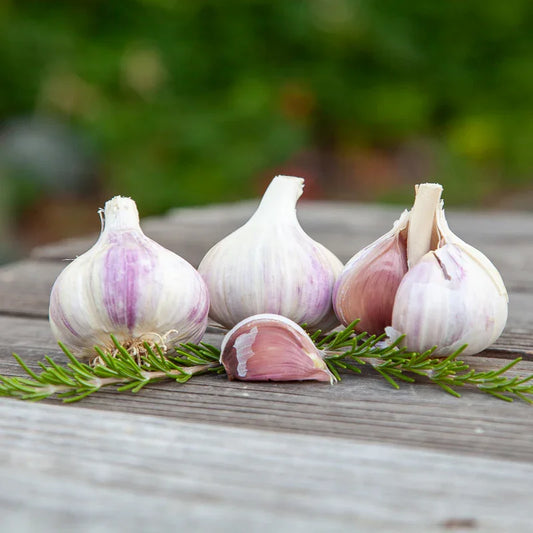
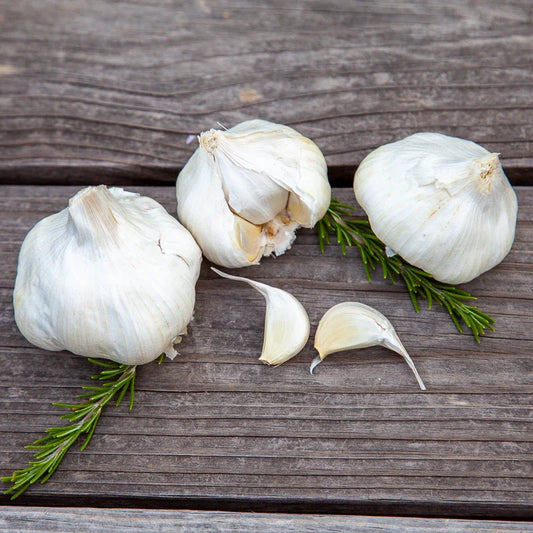
Work backward from soil temperature, local frost, declining light, and the intended harvest or establishment stage. Garlic and cool crops still need suitable soil, moisture, cultivar fit, and time to root.
Days-to-maturity and hardiness descriptions are qualified estimates. Add germination or transplant recovery and a weather buffer. Leaving a bed protected and unplanted is better than forcing a crop into conditions that cannot support it.
Identify fall pests before choosing a response
Retain useful habitat where it does not conflict with rodents, slugs, sanitation, water, or safety. Remove diseased residue selectively and inspect stored produce for fresh damage.
Separate pest injury from cold, roots, salts, compaction, moisture, and storage conditions. If a pesticide is justified, follow the current label and applicable law for crop or site, target, rate, protective equipment, timing, reentry, harvest, and environmental restrictions. No treatment guarantees prevention or storage success.
Protect perennials and durable systems before winter
Check young roots, trunks, crowns, ties, supports, drainage, tools, and irrigation before storms or freeze. Complete urgent repairs without adding unnecessary pruning or root stress.
Verify cultivar hardiness, chill, dormancy, shipping window, and destination restrictions individually. Keep mulch off trunks and crowns, loosen constricting ties, and follow equipment instructions when draining or storing components.
Check whether each fall practice is helping
| Practice | Expected benefit | What to observe | Tradeoff |
|---|---|---|---|
| Rapid fall soil cover | Less bare soil through rain, freeze, and snowmelt | Covered area, erosion, stand density, and spring residue | Seed, establishment water, reseeding risk, and termination |
| Healthy residue or mulch | Surface protection when living cover cannot establish | Soil moisture, runoff, crown clearance, and pest shelter | Material, labor, rodents, slugs, and fire placement |
| Test-based nutrient inputs | Fewer unnecessary nutrient or salt additions | Test result, input history, and crop response | Sampling cost and test limitations |
| Fall irrigation zoning | Water matched to active crops and root volumes | Pressure, wetting depth, runoff, and remaining demand | Maintenance, plastic, energy, and winterization work |
| Selective sanitation | Reduced carryover without removing all habitat or cover | Confirmed problem material, beneficial habitat, and recurrence | Labor and disposal requirements |
| Preventive equipment maintenance | Longer safe service life | Leaks, fasteners, abrasion, cleanliness, and spring readiness | Time, replacement parts, and storage space |
These are expected mechanisms, not guarantees. Keep a practice only when garden observations and the full cost in water, labor, imported material, plastic, maintenance, and disposal support it.
How local conditions change fall priorities
Upper Midwest early freeze: When the forecast drops suddenly, harvest vulnerable crops and protect freeze-prone irrigation components first. A cover crop that cannot establish should be replaced with reliable surface protection.
Great Lakes heavy autumn rain: Lake-moderated temperatures may keep crops growing, but saturated soil can close planting and cultivation. Probe the intended depth and protect drainage paths before working the bed.
Northern New England short establishment window: Compare soil warmth and time to root before sowing cover or planting garlic. Choose a faster, winter-killed, or winter-hardy option only when its verified behavior fits the goal.
For step-by-step fall tasks, see Growing a Fall Garden and adapt the suggestions to current soil, weather, and crop stage.
Plan across seasons and nearby climates
Use winter guidance for snow and dormant-season planning, spring guidance for thaw and planting, and summer guidance for the next short production season.
If your site shares conditions with the Rockies, Oregon, or Washington fall regions, transfer only the advice that fits your soil, exposure, water, forecast, and crops.
Match products to the fall task
After diagnosing the need, compare cover-crop mixes, seed garlic, or vegetable seeds. Check species or cultivar, establishment requirements, maturity, winter behavior, application or planting directions, current availability, and destination eligibility. Waiting, retaining residue, using mulch, or leaving a bed protected may be better when no product fits the conditions.
Record what is ready for winter
Keep one garden record for soil cover, water delivery, crop timing, pest evidence, stored harvest, perennial status, repairs, and the next check. Repeat photographs and sampling points make change easier to judge. Note closed valves, skipped plantings, and areas intentionally left undisturbed.
Move into winter care when local soil, crop, and weather conditions have changed, not simply when a calendar date arrives. Beds within the same garden may reach that point at different times. Check local Extension guidance and current product labels when unusual site conditions, cultivar needs, or legal requirements remain uncertain.
Plan for rain, saturation, and dry gaps
Autumn rain can replenish roots, run off compacted soil, or saturate poorly drained beds. Measure how deeply water moved and where excess flow exits. Keep irrigation decisions separate from stormwater routing, and never concentrate runoff toward structures, paths, septic areas, or unstable slopes.
Diagnose the soil constraint
Decide whether a fall soil problem is physical, chemical, or biological, then choose a test that can answer the question. Clay, sandy outwash, acidic soil, organic soil, compaction, and drainage limits do not share one repair. Compost, fertilizer, tillage, and leaching are not interchangeable solutions.
Audit water before closing the system
Inspect the source, filter, regulator, valves, laterals, emitters, wetting depth, and outlet during a measured cycle. Correct leaks, pressure differences, clogging, or unsafe drainage before winterization. Map every closed valve and capped outlet and test any zones that remain active.
Use elevation and cold-air drainage as decision variables
Higher elevation, north-facing slopes, and low cold-air pockets can shorten the fall window, while lake and coastal influence may moderate temperatures. Track the site’s actual soil cooling and frost pattern when choosing cover crops, garlic timing, harvest, and protection.
Prepare for fall and winter hazards
Early freeze, ice, heavy snow, intense rain, wind, smoke, and lingering drought can change priorities. Follow official guidance first, secure hazards when conditions are safe, and check roots, irrigation, structures, and stored produce before resuming routine work.
Scout beds and stored harvests
Inspect for slugs, rodents, cabbage pests, beetles, foliar disease, and stored-harvest damage. Compare living organisms, fresh injury, moisture, roots, and storage conditions. Use a crop- or site-specific threshold and choose pesticides only when the current label and applicable law support the target and use.
Check whether winter preparation achieved its goal
Compare soil cover, infiltration, runoff, root protection, crop establishment, and input use at marked points. Include seed, establishment water, imported material, labor, maintenance, and termination. Adjust next year’s plan from the measured result rather than the label attached to the practice.