Prepare Oregon orchards, berries, and garden infrastructure for winter by reading the site, not by following one statewide cleanup date. Western gardens must protect roots and structures before repeated rain saturates soil. Cascade, high-elevation, central, and eastern sites may face freeze, snow, wind, and exposed irrigation while roots still need measured moisture. Inspect first, stabilize urgent risks, and postpone work that would injure wet soil or non-dormant plants.
A protected root zone, serviceable supports and tools, safe water systems, and a documented dormant-care plan are the fall goals. Avoid stripping the garden or promising that covers will prevent cold damage. Use the Oregon regenerative fall garden plan to coordinate perennial, structural, turnover, and season-extension decisions with soil, water, crops, and pests.
Start with an Oregon fall garden checklist
- Map Oregon coast, western-valley, high-elevation, or central/eastern exposure rather than relying on a regional average.
- Check the local frost trajectory, recent rain, soil workability, wind, smoke, and forecasted snow or ice.
- Probe moisture at active perennial roots and inspect crowns for saturation, erosion, or exposed roots.
- Check trunks, canes, ties, stakes, trellises, wires, anchors, gates, and raised-bed edges.
- Scout for fresh slug, disease, rodent, mite, grasshopper, and storage-pest evidence before cleanup.
- Identify diseased, damaged, crossing, dead, and productive wood without assuming all pruning belongs in fall.
- Test irrigation zones, mark lines, service filters, and locate shutoffs before freezing conditions.
- Inventory reusable covers, hoops, clips, sandbags, labels, clean tools, and repair parts.
- Protect postharvest soil with suitable living cover, residue, or mulch while keeping trunks and crowns clear.
- Record cultivar, hardiness evidence, chill needs where relevant, planting condition, and unresolved diagnosis.
Prioritize hazards and irreversible damage: unstable supports, water moving toward buildings or slopes, exposed roots, broken branches, and vulnerable plumbing. Delay cosmetic work when soil is plastic, tissue is not dormant, disease diagnosis is uncertain, or a structure cannot safely carry the expected load.
Use a perennial readiness table
| Decision | Conditions support the action when | Wait or get help when |
|---|---|---|
| Plant or relocate a perennial | Species and cultivar fit the site; soil is workable; drainage and establishment water are ready; shipping timing is appropriate | Ground is saturated or frozen, roots cannot be protected, or hardiness and destination eligibility are unresolved |
| Add root-zone cover | Material is clean and appropriate; soil moisture is checked; trunks, crowns, and inspection space remain clear | Cover would seal saturated soil, hide active rodents or slugs, or conflict with wildfire guidance |
| Prune | Immediate safety or sanitation work is correctly identified, or crop-specific guidance supports the timing and cut | The plant is not suitably dormant, rain favors disease spread, the diagnosis is uncertain, or major limbs require an arborist |
| Repair a trellis or support | Load is removed safely, anchors are stable, and access will not compact wet soil | Wires are under uncontrolled tension, posts are unstable, utilities may be present, or wind and ice make work unsafe |
| Shut down irrigation | Active roots have adequate moisture and exposed components can be winterized to system and local requirements | East-side or sheltered roots remain dry, the procedure is unknown, or backflow and plumbing safety are unresolved |
| Extend the season | Crop, ventilation, anchoring, daily access, and snow or wind loads are manageable | The cover could overheat, abrade plants, trap moisture, become windborne, or create an unsupported structural load |
Hardiness zones describe average annual extreme minimum temperature, not a guaranteed survival result or planting calendar. Confirm cultivar hardiness, chill requirement, dormancy, root condition, and microclimate separately. Cold-air drainage, elevation, wind exposure, soil saturation, and container roots can change risk within one property.
Change the work across Oregon
Oregon coast
Longer but cooler fall conditions, wind, and frequent moisture make anchoring, airflow, crown clearance, and drainage central. Inspect berry canes and trellises for wind movement before storms. Do not assume rain reached roots under roofs or dense evergreen canopies. Use covers only when their ventilation and anchoring can be managed through changing weather.
Willamette and western valleys
Finish traffic-heavy work while soil remains workable, then protect beds before repeated rain. Heavy ground can stay saturated around new plants even when the surface looks firm. Map low areas, keep mulch away from trunks, and avoid digging or moving loaded equipment through plastic clay. Disease sanitation should be diagnosis-specific rather than a whole-garden purge.
Cascade and high-elevation sites
Earlier frost, snow, ice, and rapid weather shifts move structural and plumbing checks forward. Mark irrigation components before snow, remove or support items not designed for loads, and secure covers. Planting depends on root condition, species, soil, access, and establishment opportunity; a delivery date alone is not a planting signal.
Central and eastern high desert
Wind, dry air, coarse or volcanic soil, alkaline or saline conditions in some sites, and early freeze can coexist. Preserve measured moisture at active roots while protecting exposed lines. Use wind-stable soil cover and inspect around young trunks for rodent sign. Do not import west-side shutdown timing or assume cool air means the root zone is wet.
Protect perennial roots without hiding problems
Apply suitable mulch or residue only after checking soil moisture, crown health, and pest evidence. Spread it over the root zone without piling it against trunks or crowns. In wet western gardens, dense cover can maintain excess crown moisture or shelter slugs; in dry interior gardens, loose material can blow or increase a site-specific fire concern. Adjust depth, material, and placement to the actual function.
Living roots can reduce bare-soil exposure and help maintain structure between crop cycles, but a cover crop must establish under the site's temperature, moisture, light, and termination constraints. It may require irrigation or compete with young perennials. Use the Oregon fall soil-cover guide to choose between living cover and dry-interior protection.
Do not add lime, sulfur, fertilizer, or concentrated amendments because Oregon soils are described broadly as acidic, volcanic, alkaline, or low in organic matter. Use a representative soil test, crop need, current condition, and label. A young plant stressed by saturated roots will not be repaired by an automatic fertilizer application.
Prepare orchards and berries for dormant care
Remove broken material that presents an immediate hazard using safe technique, but schedule routine structural pruning by crop, disease risk, dormancy, and local guidance. Some pruning cuts made before prolonged wet weather can increase disease exposure; some plants fruit on wood that a hurried cleanup would remove. Label varieties and productive canes now, photograph structure, and write the intended training cut before picking up a tool.
Inspect ties for girdling, wires for abrasion, posts for rot, and guards for trapped moisture or rodents. Replace a failed tie with a flexible, correctly positioned support rather than tightening it. Clean and maintain tools so they make controlled cuts and last longer. The established fruit-tree pruning guide covers cut and training technique, while the cane-berry guide explains crop-specific structure.
For incoming bare-root material, verify destination restrictions, shipping window, cultivar fit, root condition, and planting readiness. Keep roots protected according to current supplier and institutional guidance; do not use a generic soaking, storage, or planting duration. The bare-root tree care guide provides receiving and first-year detail.
Service water and infrastructure safely
Run each irrigation zone while conditions are safe. Note leaks, uneven output, clogged emitters, pressure changes, and exposed components. Western rain may allow reductions only after it wets the active root zone. East-side wind and coarse soil may maintain need even as nights cool. Use the Oregon fall water transition for the observation tree.
Winterize lines, valves, filters, pumps, and backflow components only with instructions appropriate to the system and local requirements. Avoid improvised pressure or heat. Leave shutoffs accessible and label disconnected zones. If plumbing, electrical service, backflow prevention, or slope drainage is outside garden-scale work, use a qualified professional.
Unload trellises before tightening wires. Replace degraded parts where repair is no longer safe, but reuse sound hoops, clips, labels, and covers. Dry and store materials so they can be inspected again. Reuse reduces waste only when the material remains structurally suitable and clean enough for its next crop.
Use season extension as a managed system
A low tunnel or protected structure can moderate exposure, but it does not guarantee frost protection. Match the cover to crop tolerance, forecast, wind, ventilation, and support capacity. Keep material from abrading foliage, anchor it without trip or entanglement hazards, and inspect after storms. Snow or ice can exceed a lightweight structure's design.
Ventilation remains necessary when solar gain raises temperature or condensation increases leaf wetness. A protected planting still needs root-zone moisture checks and pest scouting. If the gardener cannot open, close, secure, and inspect the structure as conditions change, reducing the protected area can be safer and more effective than expanding it.
Choose materials after checking the site and task
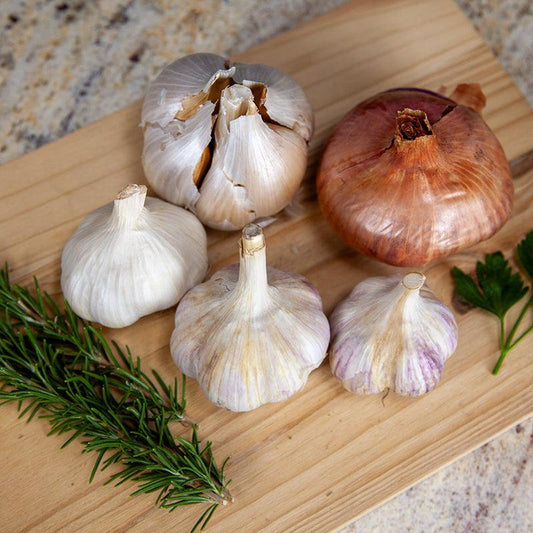
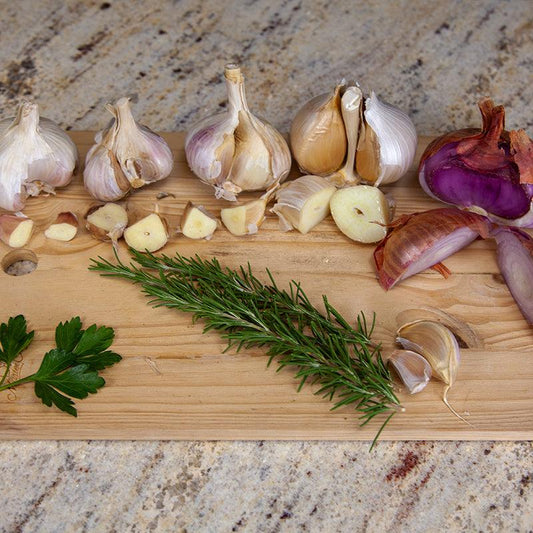
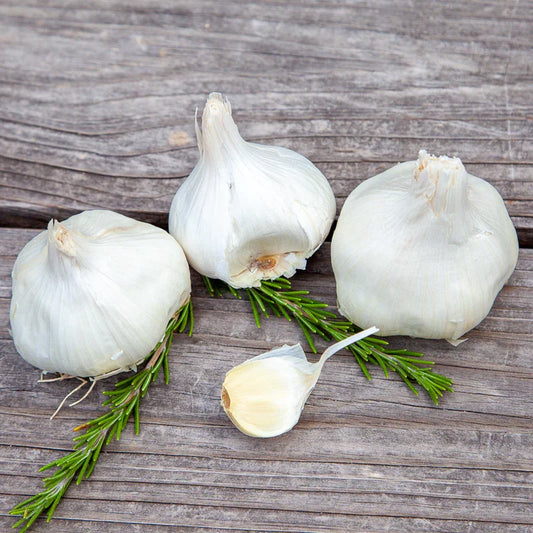
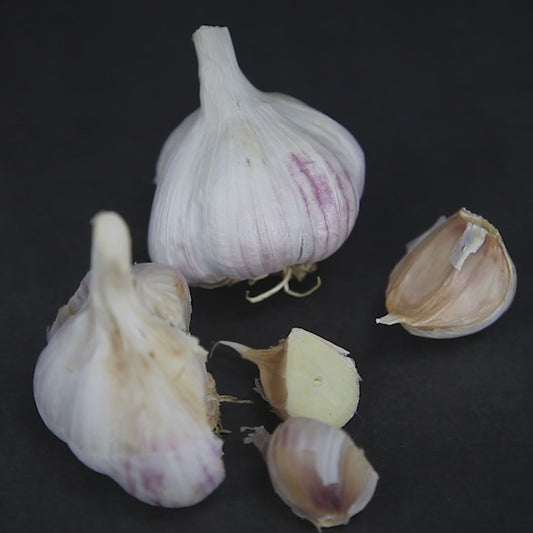
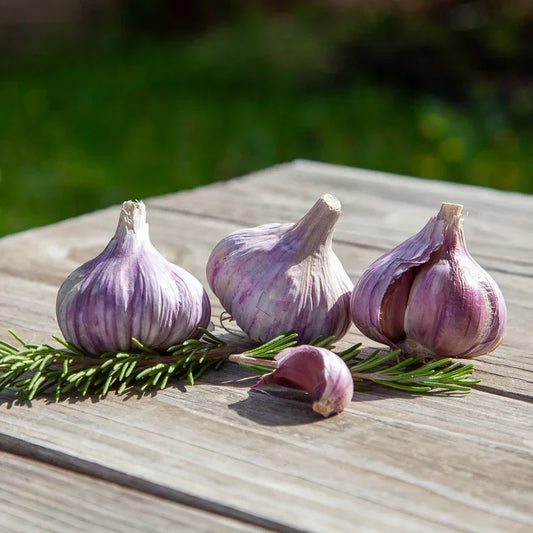
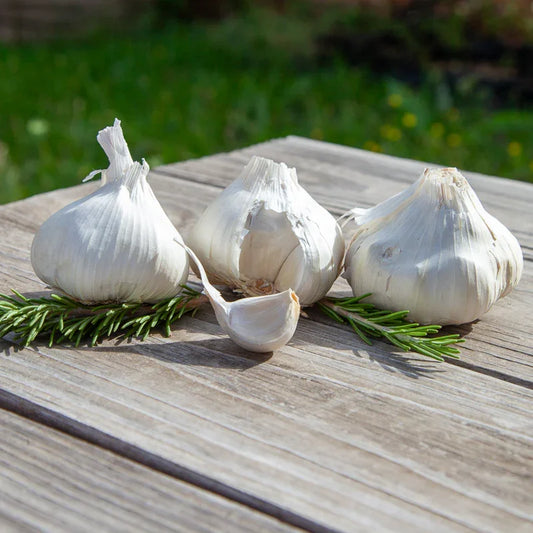
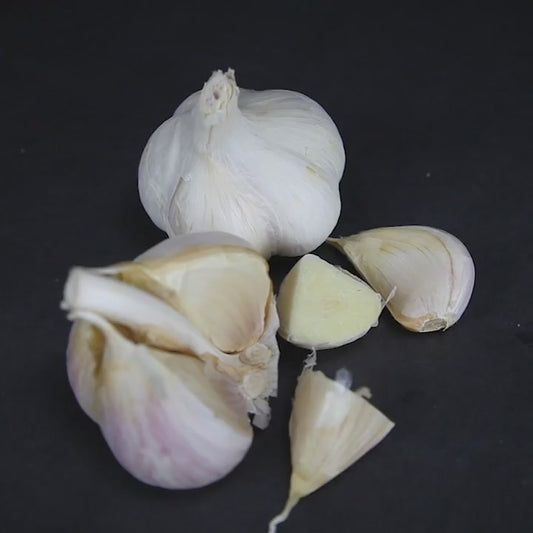
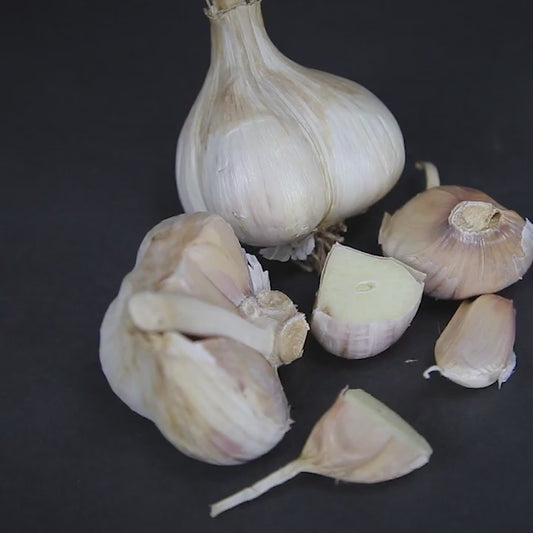
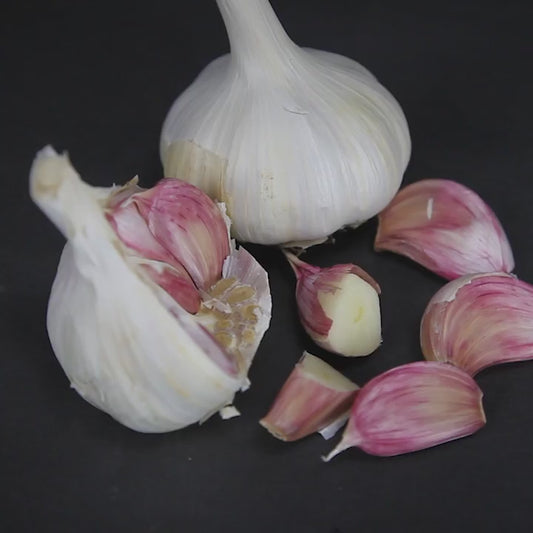
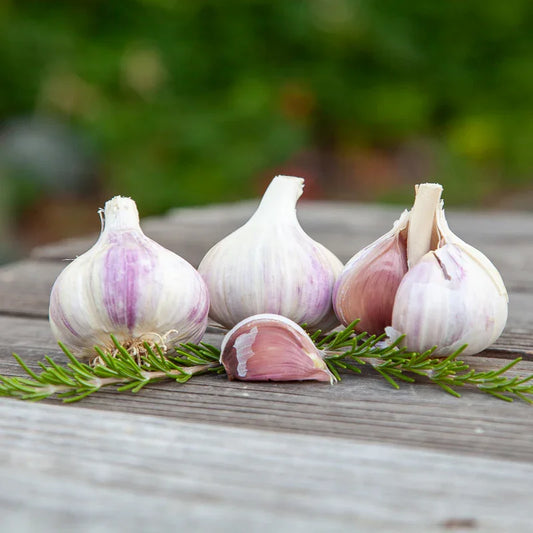
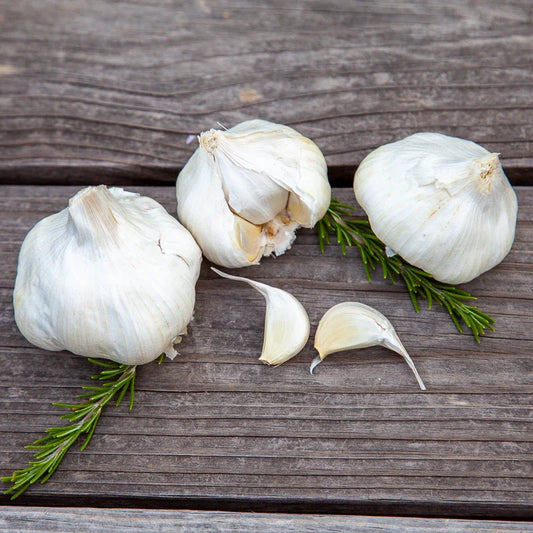
For a verified open-bed need, compare the published Year Round Cover Crop Mixes collection by establishment and termination fit. If the separate crop plan supports garlic, use the Seed Garlic collection only after confirming shipping, cultivar, site, and planting conditions. Match Pruning & Cutting Tools to the planned cut and safe maintenance, and consider Berries & Vines only after hardiness, chill, destination, dormancy, and establishment needs are verified.
Recheck Online Store availability and regional eligibility before purchase. No product can correct an unidentified drainage problem, an unsafe trellis, or an unsuitable cultivar. Follow tool instructions and live-plant guarantee and shipping terms.
Complete fall preparation with clear next steps
Record completed and deferred work, along with the condition that will trigger the next action and any qualified help or crop guidance needed. Photograph trees, berry rows, drainage paths, supports, and irrigation before winter hides details. Carry unresolved pest evidence into the Oregon fall IPM diagnostic rather than treating during general cleanup.
The intended outcomes are better perennial survival probability, safer turnover, protected soil, and less infrastructure waste—not guarantees. A finished fall system is one where roots are monitored, soil is covered appropriately, supports and water components are understood, and every delayed action has a condition-based next step.
Carry perennial and infrastructure records into the next seasons
Use root, support, irrigation, and protection records to prepare for winter, spring, and summer.
For Oregon perennial and infrastructure care, compare Washington, cold-climate, and Interior West. Apply only the planting, pruning, cover, support, and winterization advice that fits your crop, soil, elevation, rain, freeze, wind, and safe access.