Plant Oregon garlic, roots, and cool crops from the actual soil temperature, drainage, remaining establishment window, and local hard-freeze trajectory—not one statewide fall date. The Oregon coast and Willamette Valley can offer a longer but cooler season with increasing rain and disease pressure. Cascade, high-elevation, central, and eastern gardens may meet frozen soil, wind, and short days much sooner.
First decide whether the crop can establish, whether soil is workable, and whether water and protection are dependable. Then choose cultivar, maturity, sowing or transplant method, and a backup. Use the Oregon regenerative fall plan to coordinate planting with soil cover, irrigation, pests, and winter preparation across the climate divide.
Read the Oregon fall planting triggers
Measure temperature at the crop’s planting depth when it will change the decision, inspect root-zone moisture, and compare the forecast with observed cold-air drainage. Declining light can slow growth even before hard freeze. A first soaking rain may provide useful moisture west of the Cascades or may make clay unworkable; it says little about an east-side bed still dependent on irrigation.
Days to maturity is an estimate under suitable conditions, not a harvest guarantee. Add establishment time and slower fall growth. For overwintering crops, confirm cultivar, drainage, winter tolerance, and spring management. USDA hardiness zones summarize average annual extreme minimum temperatures; they do not supply a first-freeze date or planting calendar.
Use a subregional crop and timing matrix
| Oregon segment | Plant when | Crop directions to evaluate | Wait or change the plan when |
|---|---|---|---|
| Oregon coast | Soil is workable and drained, seed-zone temperature fits, and the crop can use a cool, windy, low-light season | Garlic in suitable drainage; lettuce, spinach, Asian greens, radish, turnip, hardy herbs, and other condition-fit cool crops | Leaf wetness and disease are high, wind prevents establishment, or maturity requires heat the site will not supply |
| Willamette and western valleys | Planting material can establish before saturated soil and low light dominate; drainage and bed access are ready | Garlic, roots, greens, peas or broad beans where locally suitable, and transplants selected for the remaining window | Clay smears, water pools, a first rain did not actually wet roots, or spring termination conflicts with the crop |
| Cascade and high-elevation sites | Short-season or overwintering cultivar fits the rapid freeze, snow, wind, and spring-thaw pattern | Garlic and hardy roots or greens only with site-specific winter fit; protected starts and backups | Roots cannot establish before freeze, snow-load protection is unsafe, or a valley variety or date is being assumed |
| Central Oregon high desert | Irrigation can support establishment, soil and nights fit the crop, and wind protection is safe | Garlic selected for climate; fast roots or greens; protected fall starts; season extension with realistic limits | Daily swings, early hard freeze, dry seed zone, or wind will defeat establishment |
| Columbia Plateau and eastern basins | Crop fits the cold, water, soil chemistry, and remaining light; locally tested protection is available | Garlic, roots, and cool crops chosen by cultivar and site; cover or rest where production window is closed | Salinity, alkalinity, limited water, rodents, or short season has not been addressed |
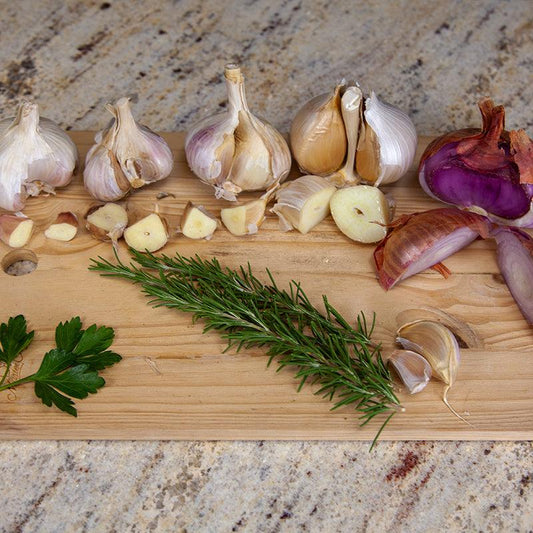
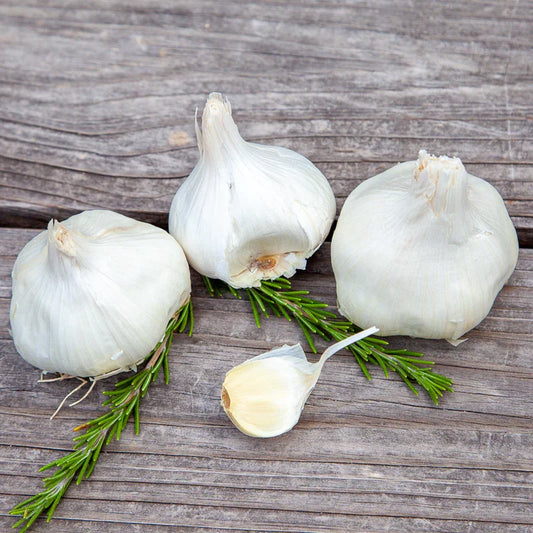
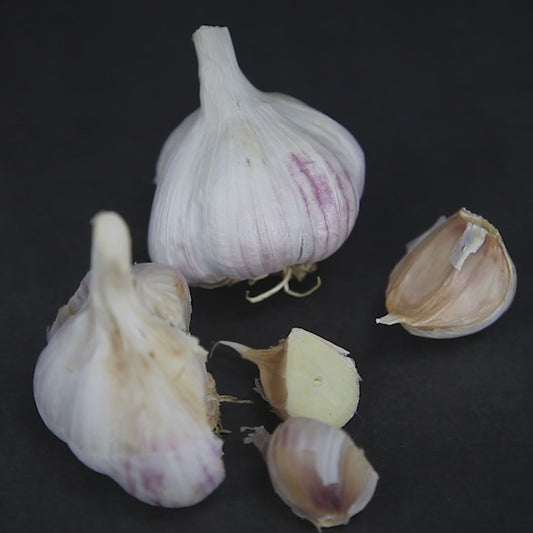
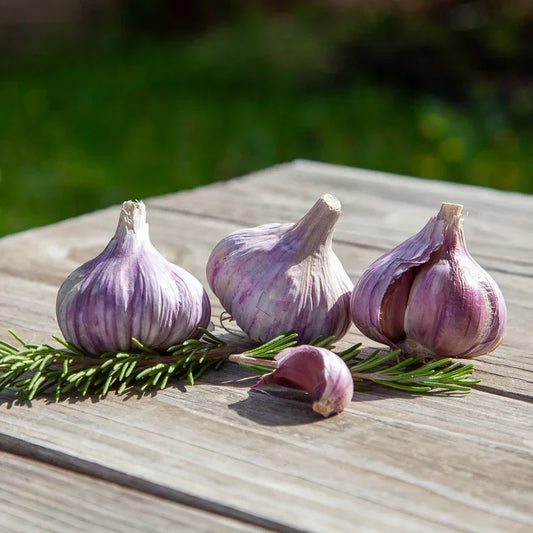
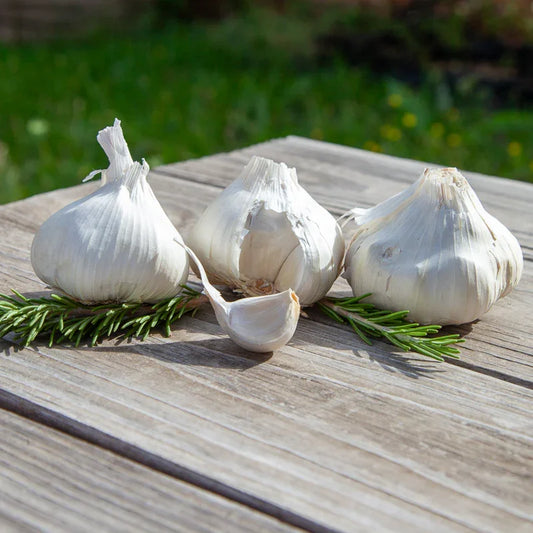
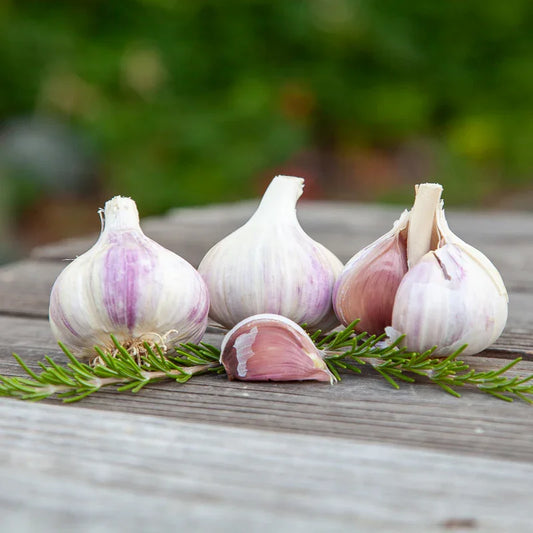
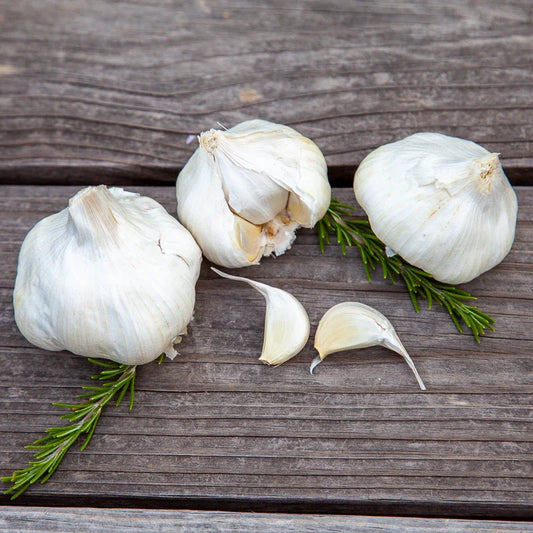
These crop directions require cultivar-level checks. Use the established guide to choosing garlic for climate, then follow the garlic growing guide for planting and care. Apply those instructions only when the Oregon site has suitable soil, drainage, water, and establishment time.
Plan garlic across the Cascade divide
Start with healthy planting stock and a bed that drains. Garlic needs an establishment and winter plan, not only a planting event. West of the Cascades, prolonged wet soil and foliar or root disease can become primary constraints. Avoid a low, water-holding bed and do not work saturated soil. At elevation and east of the Cascades, soil may freeze earlier and exposed planting may face wind, heaving, or snow.
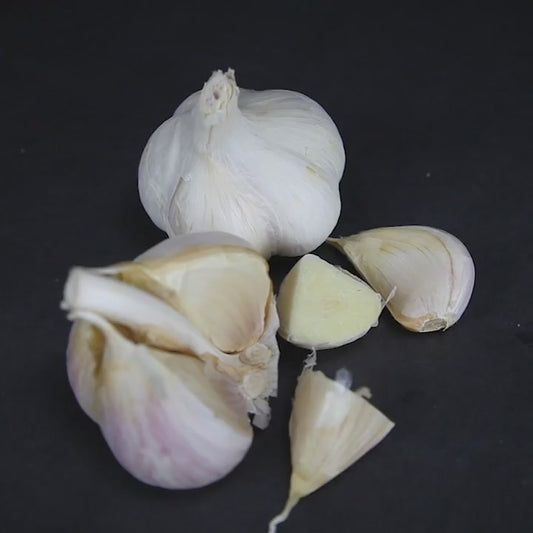
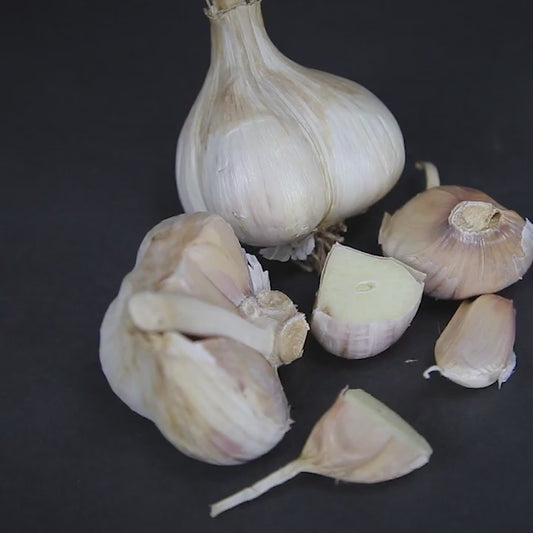
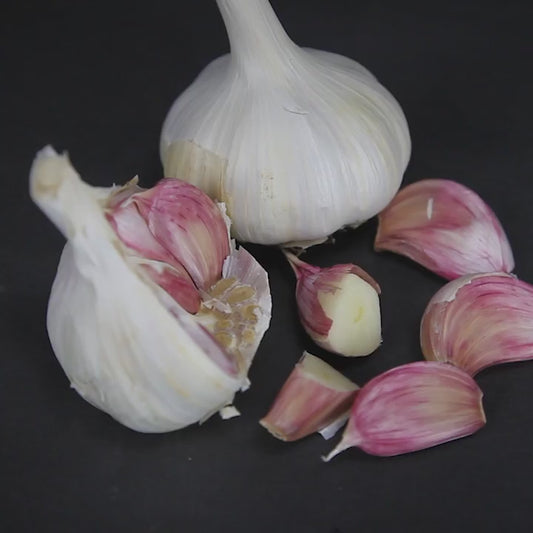
Choose garlic by documented type and cultivar traits, local winter and spring pattern, harvest goal, and current availability. Do not guarantee bulb size, winter survival, or maturity. Mulch depth and timing depend on soil, precipitation, freeze, rodents, and crop guidance; a wet coastal bed and a dry high-desert bed should not automatically receive the same treatment.
Sequence roots, greens, and protected starts
- Inventory open and finishing beds. Record plant family, disease, pests, drainage, root-zone moisture, and the date or condition when the bed can open.
- Match crop to the limit. Compare germination, transplant tolerance, days to maturity, cold tolerance, light, and water with the actual segment.
- Use a small trial when marginal. Sow a labeled section and keep a backup in a protected, ventilated propagation area.
- Protect soil and roots. Retain cover, avoid wet-soil cultivation, and ensure irrigation or rain reaches the seed zone without runoff.
- Thin or transplant by crop condition. Crowding can raise disease and slow roots; disturbance can also damage plants in cold, wet, or windy weather.
- Set a stopping rule. If the crop cannot establish before cold, drainage is failing, or pest pressure is consequential, protect the bed and postpone rather than force it.
Use the general fall garden guide for planting steps. Adjust timing to the coast, valley, elevation, high desert, and east-side water supply rather than using one statewide date.
Use season extension honestly
A low tunnel, row cover, cold frame, or protected propagation space can modify wind and temperature, but it cannot make every crop or site suitable. Select material and support for crop, frost, ventilation, light, rain or snow load, and wind. Secure it, keep it from abrading leaves, and vent when heat builds. No cover guarantees frost protection.
On the coast, extra cover may worsen leaf wetness or disease unless airflow is managed. In the Willamette Valley, access across wet soil and drainage around structures matter. At elevation, snow load and rapid freezes can exceed a light structure’s design. In the high desert, clear sunny days can heat a closed structure even when nights are cold.
Connect succession to rotation and soil cover
Record plant family and important pests or disease before choosing the next crop. Rotate when garden scale and crop need permit, recognizing that rotation reduces some risks but does not guarantee prevention. Succession planting can extend root occupancy and diversify the bed when the crop can establish; otherwise clean residue, mulch, or a cover crop may protect soil better.
Legume inoculation may be appropriate when the legume, inoculant strain, site history, storage, and label align. It is not a universal fall input. Use the Oregon soil-cover guide to decide whether living cover, residue, mulch, or another organic-matter practice fits the bed.
Protect plantings from local pest and weather pressure
Coastal and western plantings can face slugs, snails, foliar disease, and root disease as moisture increases. Interior gardens may face rodents, grasshoppers, mites, wind, drought stress, or an early freeze. Storage pests matter after roots or other produce move indoors. Inspect organisms, fresh damage, root-zone moisture, and recent weather before treating.
Keep crowns and rows visible, remove consequential diseased material selectively, and retain soil cover elsewhere. Use the Oregon fall IPM diagnostic for thresholds and escalation. Follow pesticide labels and applicable regulations; no tactic guarantees prevention.
Manage water and soil chemistry by evidence
Western rain does not instantly replace irrigation if roots remain dry, and eastern cold does not instantly end active-root water use. Probe before changing a zone. Keep water off foliage where prolonged leaf wetness is a disease concern, and prevent runoff or erosion. Use the Oregon fall water guide to choose between reducing water, conserving moisture, correcting distribution, or protecting drainage.
Do not add lime, sulfur, fertilizer, or compost from a regional stereotype. Test representative soil, account for irrigation water where relevant, and match input to crop and label. Garlic, roots, and greens can have different nutrient and pH needs; one fall amendment cannot be assumed to serve them all.
Choose seeds and garlic after the matrix
When crop, cultivar, maturity, drainage, and segment align, compare the verified All Vegetable Seeds collection. Review Seed Garlic only after the garlic type, bed drainage, local winter, spring management, shipping status, and planting window are resolved.
Recheck Online Store availability, destination eligibility, and live shipping information before purchase. A product listing does not establish hardiness, maturity, or success in every Oregon microclimate.
Choose whether to plant, test a small area, or pause
Plant the intended area only when the seed or planting material fits the cultivar goal, the soil is workable and drained, temperature and light can support establishment, water is available, and the likely freeze trajectory is accounted for. Label it, and set the next observation by emergence or crop stage rather than a routine date.
Test a small area when the coastal light, western drainage, high-elevation, or high-desert window is marginal. Keep backup seed or transplants protected. Compare germination, growth, leaf wetness, root-zone moisture, and cold response with the main bed. Results apply to that site and cultivar, not all Oregon gardens.
Pause planting when clay is plastic, the seed zone cannot stay moist, the crop cannot establish before freeze or low light, wind protection is unsafe, drainage fails, or active disease would threaten the planting. Harvest what remains, remove consequential infected material, and protect soil with a viable cover. A missed crop is less costly than damaged soil and wasted planting material.
Revisit the choice when conditions change. A repaired drain or milder forecast may justify moving from a small test to the intended planting. A sudden cold forecast, atmospheric river, irrigation shutdown, or rodent outbreak may require a pause. Record the change so next fall begins with local evidence rather than a remembered date.
Keep a planting decision log
Record subregion, elevation or cold-air setting, soil temperature and workability, root-zone moisture, cultivar, planting material, protection, minimum temperature, rain or irrigation, emergence, pests, and any stopping rule. Photograph consistent rows after the first soaking rain and first hard freeze.
Longer root occupancy, more diverse rotations, fewer failed calendar plantings, and better use of short windows are intended outcomes—not promises. Each crop should have a condition-based planting path, a backup where needed, and soil protection if the window closes.
Carry the log into winter and spring. Note which garlic emerged before cold, which roots established under cover, which greens remained clean in western rain, and where wind or freeze stopped growth. That record can refine cultivar and bed choices without turning one unusually mild or severe season into a permanent rule.
Carry crop records into winter, spring, and summer
Use cultivar, emergence, freeze, and protection records to prepare for winter, spring, and summer.
For Oregon fall crops, compare Washington, cold-climate, and Interior West. Apply only the cultivar, timing, water, and protection advice that fits your drainage, light, elevation, freeze trajectory, and remaining establishment window.