From Garden to Table: Purple Peppers and Must-Try Purple Pepper Varieties
Purple peppers bring bold color, surprising flavor, and real garden appeal. For beginner to intermediate gardeners, purple peppers are also a great way to learn how peppers grow, ripen, and change over time. From sweet bells to spicy types, these peppers are eye-catching in the garden and versatile in the kitchen.
Most purple peppers are types of capsicum annuum. Their purple color comes from anthocyanins, the same pigments found in blueberries. As fruit matures, many purple peppers shift color again, often turning red when fully ripened.

What Makes Purple Peppers Unique
A purple pepper is not just green pepper dyed purple. These peppers develop a deep purple skin in response to sunlight and genetics. Some stay purple longer than others, while many change color as they mature.
In terms of taste, purple bell peppers usually start out mild and crisp. As they ripen, sugars increase and flavor improves. Heat levels depend on the pepper variety, not the color.
Popular Purple Pepper Varieties to Grow
Purple bell peppers
One of the most popular purple bell pepper varieties is the Purple Beauty Bell Pepper. The purple beauty pepper plant produces blocky fruit with thick walls and a mild taste. When young, the fruit is dark purple, and as it matures, it eventually turns red.
A purple pepper plant grows similarly to green or red bell peppers, thriving in full sun with well-drained soil and consistent watering. For gardeners looking for reliable results, purple bell pepper seeds—like Purple Beauty Sweet Bell Pepper Seeds (Organic)—are a great choice, providing consistent shape, color, and flavor. These peppers are often harvested while still purple for fresh salads or snacking, though they develop more sweetness when fully ripe.
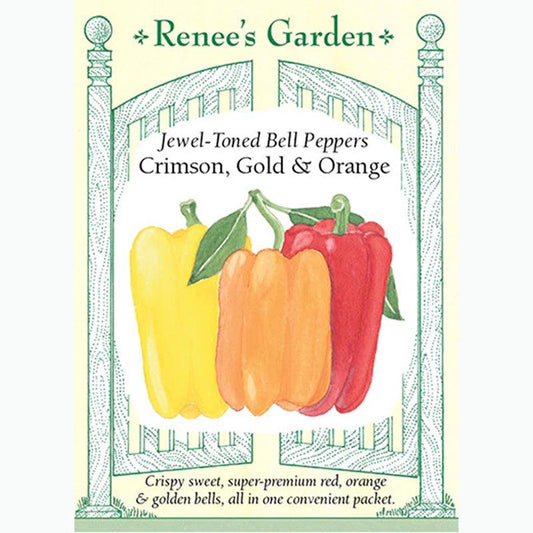
Other options, such as the King of the North Sweet Bell Pepper Art Pack (Organic) and Jewel Toned Crimson, Gold, & Orange Bell Pepper Seed Mix, allow gardeners to explore a variety of colors and ripening stages across bell pepper plants.
Purple hot peppers
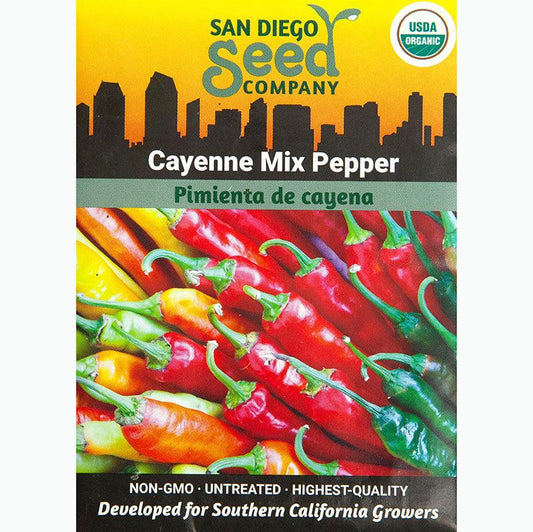
Purple peppers are not limited to sweet types. Purple cayenne pepper, sometimes called cayenne pepper purple or purple cayenne, brings both color and heat. These are examples of purple hot pepper plants that add spice to the garden.
Purple cayenne types start purple, then often turn red as they mature. They work well for drying once fully ripe.

How to Grow Purple Peppers Successfully
Purple peppers follow the same basic care as other peppers, with a few details to keep in mind.
Starting seeds
For best results, start seeds indoors 8 to 10 weeks before your local frost date. Warmth matters. Use a heat mat to keep soil temperatures steady until seeds sprout. Transplant seedlings once they have several true leaves.
You can browse all available pepper seeds in the full pepper seeds collection, including both sweet pepper seeds and hot pepper seeds.
Light, soil, and feeding
Purple peppers need full sun to develop strong color. Without enough light, fruit may stay green. Plant in well-drained soil and feed regularly. This guide on Best Fertilizer for Peppers: 6 Tips for Growing Peppers explains how nutrition supports healthy growth.
For a full season overview, the pepper growing guide and how to grow peppers guide are helpful resources.
Harvest timing
Purple peppers can be harvested at different stages. Many gardeners pick bell peppers when they are purple for visual impact, even though flavor deepens as they mature. Hot types are best harvested when fully ripened for maximum heat.
If you plan to save seeds, allow fruit to fully mature so seeds stay true to type.

From Garden to Kitchen
In the kitchen, purple peppers shine when eaten fresh. They add color to salads and raw platters. Cooking dulls the purple tone, so they are best used raw if color matters. A small purple pepper works well sliced thin or used whole for garnish.
For inspiration on pepper diversity, the Parade of Peppers article shows how color and shape vary across types.
Conclusion
Purple peppers are more than a novelty. They are productive, flavorful, and easy to grow with basic care.
Whether you grow a purple bell pepper plant or a sweet pepper purple like Purple Beauty, these peppers bring vibrant color from garden to table and help gardeners better understand how peppers grow and ripen.