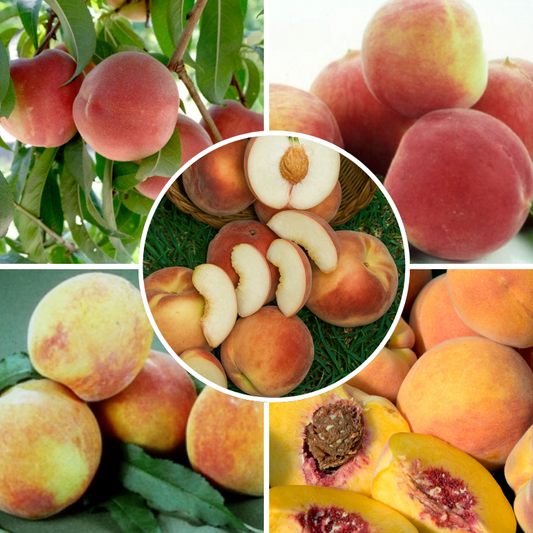
Quick answer: Many peach cultivars are self-fruitful, but verify the exact cultivar because a second compatible tree, bloom weather, and pollinator activity can still affect fruit set.
Most—but not all—peach cultivars are self-fruitful, meaning one compatible tree can set fruit with pollen from its own flowers. “Self-pollinating” does not mean pollinators, suitable weather, winter chill, or good tree care are unnecessary. This guide explains what the term does and does not promise.

Self-Fruitful Versus Self-Pollinating
Peach flowers still need pollen transferred to receptive flower parts. Bees and other insects often perform that work even on a self-fruitful cultivar. Self-fruitful means pollen from the same cultivar can be compatible; it does not mean the flower completes pollination without movement.
Why One Tree May Still Produce Poorly
- Insufficient or excessive winter chill: bloom can be weak, uneven, or poorly timed.
- Frost or rain during bloom: flowers or young fruit can be damaged and pollinator activity can fall.
- Few pollinators: compatible pollen still needs to move among flowers.
- Tree stress: poor light, water stress, nutrient imbalance, disease, or severe pruning can reduce fruiting.
- Young age: a newly planted tree needs time to establish before carrying a normal crop.

Exceptions Matter
Do not assume every named peach is self-fruitful. Some cultivars are pollen-sterile or require compatible pollen from another peach that blooms at the same time. Product descriptions and nursery pollination notes should control the decision for the exact cultivar. When a second tree is required, choose a documented compatible partner—not merely any peach.
Would a Second Peach Help?
A second compatible cultivar may increase pollen availability and can extend the harvest season, but it cannot correct insufficient chill, frost damage, poor sun, or unhealthy trees. Gardeners with limited space can choose one verified self-fruitful cultivar. Larger orchards may combine compatible early-, mid-, and late-season selections for diversity and harvest spread.

Support Pollination in the Garden
- Avoid applying insecticides to open flowers or when bees are actively foraging unless the label specifically permits that use.
- Follow every pesticide label, including crop, timing, rate, and pollinator-protection directions.
- Provide flowering plants outside the peach bloom period to support beneficial insects across the season.
- Prune for light and access without removing excessive fruiting wood.
- Thin a heavy fruit set after natural drop to protect branches and improve the remaining crop.
Buying Checklist
- Is the exact cultivar self-fruitful, pollen-sterile, or dependent on a pollinizer?
- If a partner is needed, do bloom periods overlap?
- Does the cultivar’s chill estimate fit the site?
- Does its harvest window complement existing trees?
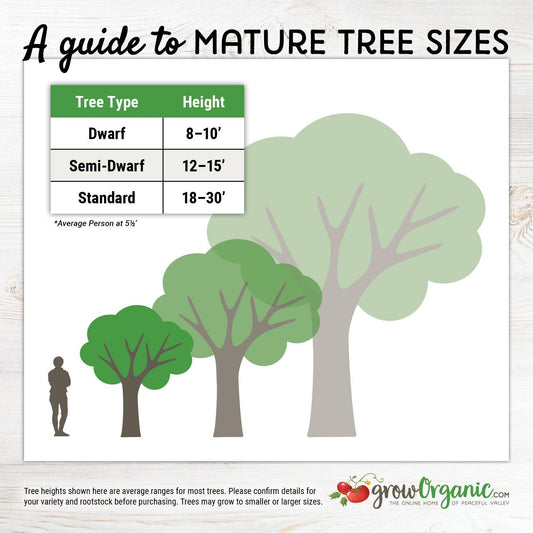
- Will the rootstock and trained canopy fit the available space?
Browse bare-root peach trees and verify the pollination information on each current listing. For unusual fruit traits rather than pollination, see our guide to uncommon peach types.