Plant Southern California fall crops when summer heat has declined enough for the selected seed or transplant, while soil remains warm enough for establishment and local frost still leaves a realistic harvest path. The immediate coast, inland valleys, foothills and canyons, and mountain frost pockets do not share one sowing date. Add water availability, first-storm behavior, declining light, and pest carryover before choosing cool-season crops or garlic.
Fall planting begins only after heat, soil, water, crop, and remaining-season conditions agree. Use the Southern California fall garden reset to coordinate the work. The soil guide can help prevent damage to a dry, dusty, saturated, or eroding bed, and the irrigation guide can help establish crops when rain is delayed. Then choose the crop, garlic variety, sowing method, transplant timing, rotation, and succession.
Pass six fall planting gates
- Heat-departure gate: Soil and air trends fit germination or transplant establishment; one cool morning is not enough.
- Soil gate: The seed zone is workable, protected, and neither powder-dry nor saturated after irrigation or rain.
- Water gate: Irrigation or reliable rain can establish the crop without runoff, restrictions, or an untested emitter pattern.
- Season gate: Maturity range, desired harvest stage, daylight, and local frost exposure leave contingency.
- Plant gate: Seed is suitable and viable; transplants are healthy and hardened; garlic stock and climate fit are verified.
- Care gate: The gardener can protect, water, thin, scout, manage wind, and harvest the planting.
If a gate fails, hold seed, use a smaller test, select a young-harvest crop, transplant later, cover the soil, or rest the bed. Do not compensate for heat or insufficient season with excess fertilizer or daily automatic water.
Use a subregional crop and timing matrix
| Southern California setting | Planting signal | Crop path to evaluate | Wait or modify when |
|---|---|---|---|
| Immediate coast and marine layer | Seed-zone temperature fits, light is adequate, moisture is even, and foliage can dry appropriately | Cool-season greens, roots, peas, brassicas, herbs, and climate-suitable garlic; use successions based on growth response | Marine layer and shade make full maturity unlikely, leaf wetness raises disease risk, salt wind is active, or soil remains wet |
| Inland valleys | Hot afternoons and nights have moderated, roots recover overnight, irrigation passes, and soil temperature supports establishment | Direct-sown cool crops as the seed zone cools, healthy transplants, garlic selected for local conditions, and staggered sowings | Lingering heat, Santa Ana wind, uneven water, or salt stress threatens germination or transplants |
| Foothills and canyons | Fire and wind conditions permit safe work, the bed is stable, water infiltrates, and cold-air drainage is understood | Protected small sowings, wind-ready transplants, suitable garlic, or soil cover where risk is high | Red-flag weather, smoke, runoff, slope instability, strong wind, or frost pockets make care unreliable |
| Mountains and frost pockets | Crop tolerance and desired harvest fit the shorter window; soil is workable and warm enough to establish | Cold-tolerant or young-harvest crops, protected transplants where practical, garlic with locally verified fit, or a managed cover | Frost or snow outlook defeats maturity, irrigation is freeze-exposed, or protection cannot be managed |
This matrix is not a guarantee. Elevation, aspect, walls, canyons, urban heat, distance from the ocean, and cold-air movement can create a window different from the regional row. Record the exact bed and result.
Choose the harvest stage first
Define success as baby leaves, full heads, storage roots, peas, herbs, or another specific stage. Maturity descriptions may count from sowing or transplanting and assume particular conditions. Add establishment time and contingency for lingering heat, cool mountain nights, declining light, Santa Ana wind, first storms, and pests.
USDA hardiness zones describe average annual extreme minimum temperatures. They do not predict first frost, soil temperature, chill accumulation, or a safe vegetable planting day. Use the local forecast, site history, and direct measurements.
Sequence direct sowing and transplants
Prepare a protected seed zone
Rehydrate dry soil at a rate it can accept, check depth, and wait for workable moisture. Remove only enough clean cover to make seed contact. On slopes, anchor surface material and do not create a loose fine seedbed before wind or rain. In moist coastal soil, avoid unnecessary water.
Measure temperature as a trend
Take comparable readings at crop-relevant depth. Inland beds can remain hot while the coast is ready; mountain beds may cool below useful establishment conditions. Soil temperature is one gate alongside moisture, crop, forecast, and aftercare.
Use healthy, hardened transplants
A transplant can preserve time, but tender foliage and limited roots are vulnerable to heat, wind, salt exposure, and water failure. Harden plants gradually to the actual site. Set them only when the root zone, irrigation, forecast, and protection plan pass.
Sow small successions
Divide seed across condition windows and let emergence, crop growth, weather, and remaining season trigger the next batch. If a sowing fails, inspect heat, crusting, moisture, depth, seed condition, slugs, birds, rodents, and disease before repeating it.
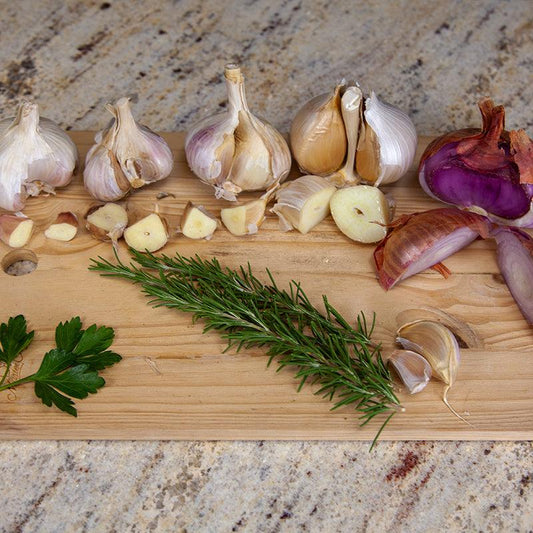
Choose garlic for climate and site
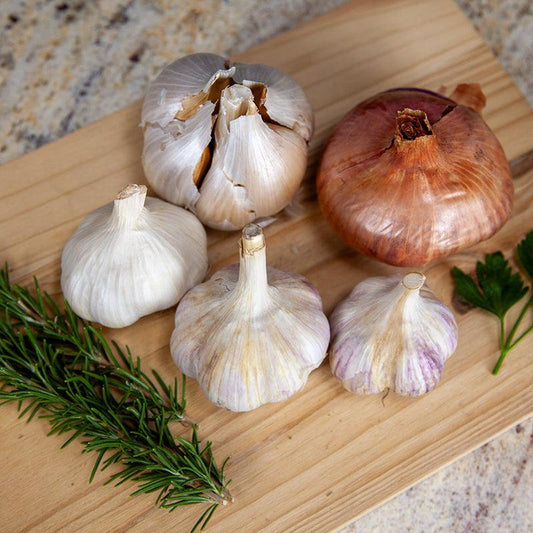
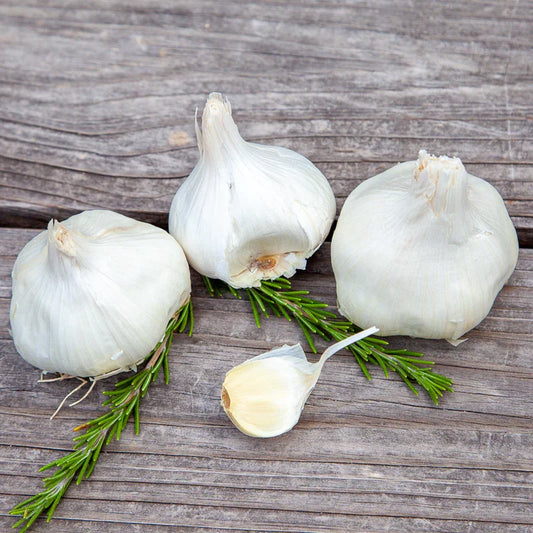
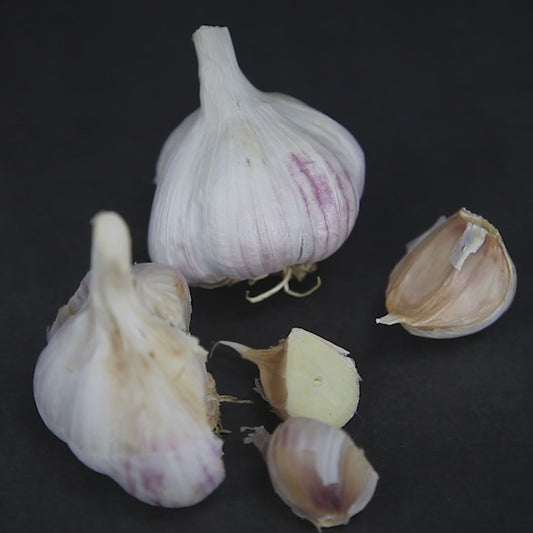
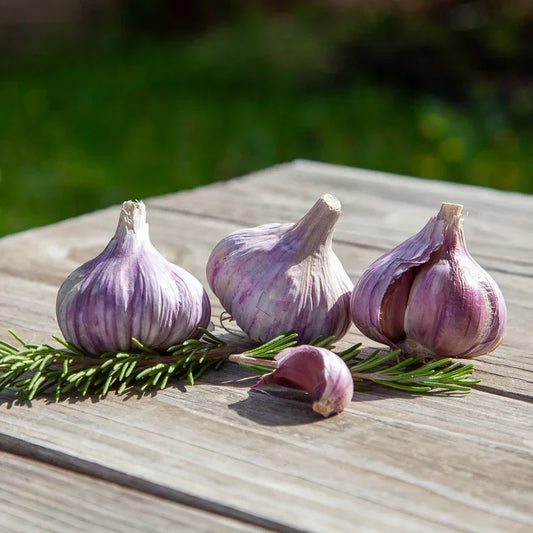
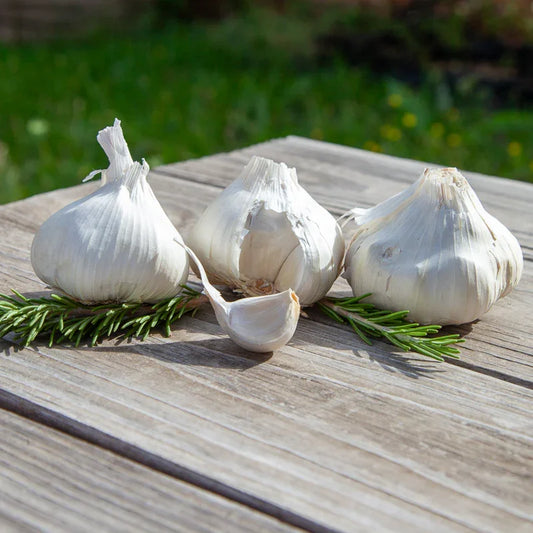
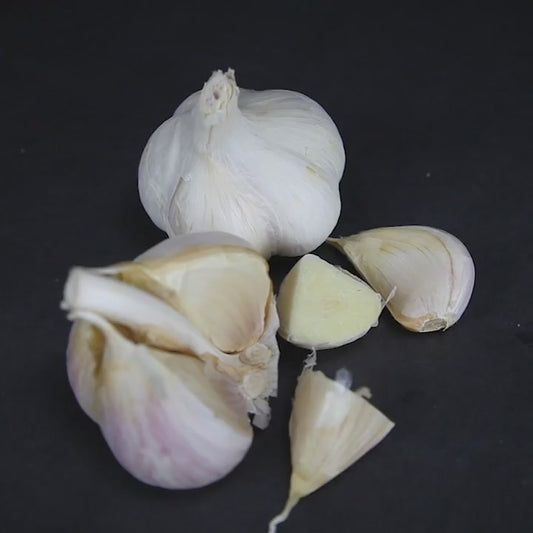
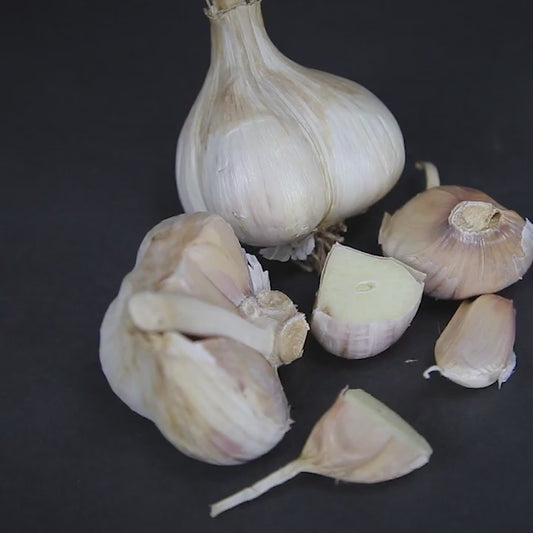
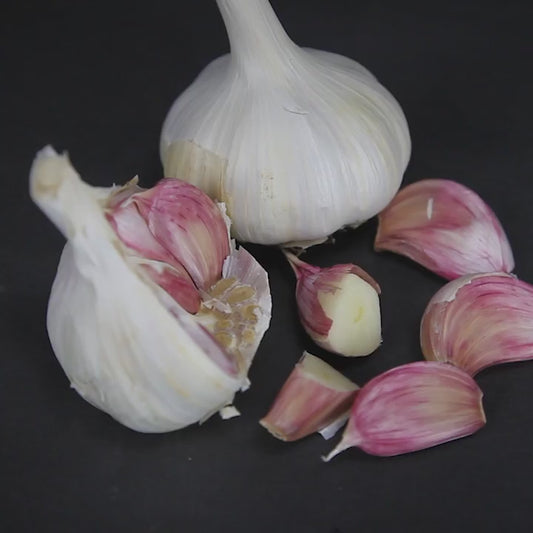
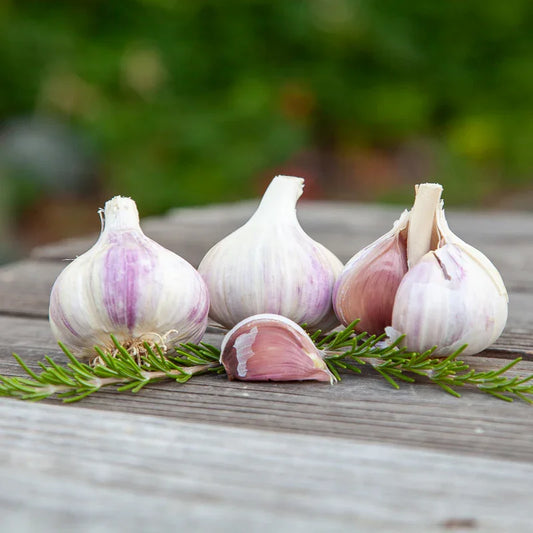
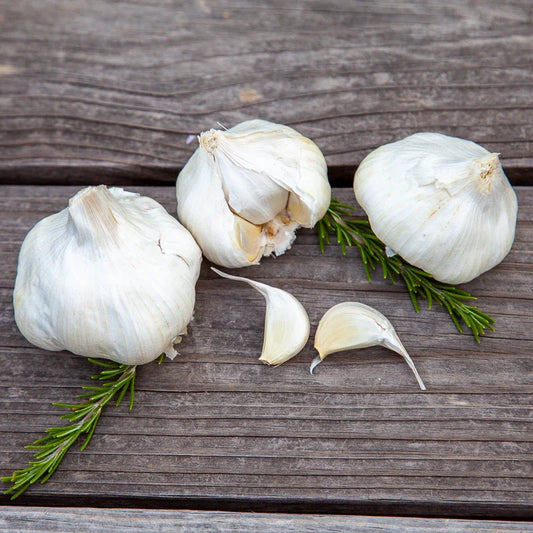
Garlic selection should consider local winter chill, heat, cultivar traits, source, intended harvest, soil, water, and handling. Coastal, inland, and mountain sites can favor different choices. Use How to Choose Garlic for Your Climate for selection depth and How to Grow Garlic for planting and care technique.
Prepare a well-drained bed based on soil testing and crop need. Do not apply compost or fertilizer by a universal recipe. Keep planting stock healthy and handle it according to supplier guidance. Chill, maturity, bulb size, and harvest results cannot be guaranteed.
After climate and bed fit are established, compare Seed Garlic by variety traits, current availability, and destination eligibility. Confirm regional shipping immediately before purchase.
Choose cool-season crops from site bottlenecks
Coast: Consider light, moisture, salt wind, and foliage drying as much as frost. Use the brightest suitable bed and avoid overwatering because temperatures cooled.
Inland valley: Wait for sustained heat moderation at the seed zone. Maintain even establishment moisture while preventing runoff and salt concentration. Shade only when density, support, airflow, and removal can be managed.
Canyon or foothill: Keep plantings small and reversible through Santa Ana or fire weather. Secure covers, preserve access, and do not use flammable or loose material contrary to current local fire guidance.
Mountain: Favor crop tolerance and a conservative harvest stage. A quick crop may be realistic when full maturity is not. Keep a mulch or cover alternative ready if frost closes the window.
Browse All Vegetable Seeds only after defining crop family, maturity range, temperature response, harvest goal, and water. Performance descriptions are planning information, not promises.
Connect successions to rotation and living roots
Rotate crop families where feasible, using bed history to avoid repeating a known soil-borne problem. Small gardens and broad-host pests limit perfect rotation. Pair diversity with healthy planting stock, resistant varieties where appropriate, sanitation, water management, and scouting.
Succession planting can extend productive root occupancy and spread risk. It can also waste water and seed if repeated automatically. When a food crop no longer fits, choose a cover crop, mulch, or clean residue instead.
Legume inoculation is useful only when the correct crop-specific inoculant is indicated, viable, and applied according to its label. It does not replace suitable pH, soil, water, or fertility.
Manage fall pest carryover
Inspect leaf undersides and growing points for whiteflies, mites, aphids, and predators. Check ant trails, snail refuges, rodent signs, stem bases, and root-zone moisture. Heat, salt, wind, transplant shock, and irrigation faults can resemble biological injury.
Use correct identification and a practical threshold. Protect beneficial organisms and follow every pesticide label and applicable California requirements. Do not apply a broad control to protect a new succession from an unverified risk.
Adjust planting around Santa Ana wind and first rain
Before a Santa Ana event, follow current fire and safety guidance, secure covers and irrigation lines, and postpone transplanting if roots and foliage cannot be protected. Strong dry wind can desiccate a seed zone or new transplant even when deeper soil contains moisture. Do not respond by saturating the entire bed; verify the active root zone and system.
After wind, inspect abrasion, broken stems, cover movement, salt or dust deposits, emitter displacement, and soil erosion. Allow stressed plants to show recovery before feeding or pruning. Replace a transplant only after correcting the recurring exposure or delivery problem.
The first rain can soften a crust and support establishment, or it can run off, saturate a low spot, splash soil, and move seed or mulch. Check depth and bed stability before sowing. Delay work if soil smears or access compacts it. On canyon or foothill slopes, stay out of hazardous runoff and debris-flow areas.
Check whether garlic is ready to plant
| Question | Go when | Wait or revise when |
|---|---|---|
| Does the variety fit? | Climate traits, source guidance, desired harvest, and site conditions align | The choice relies only on a broad hardneck or softneck label |
| Is the bed ready? | Soil is workable, draining, protected, and tested inputs match crop need | The profile is powder-dry, saturated, compacted, salty, or over-amended |
| Is planting stock sound? | Stock is healthy, properly stored and handled, and eligible for the destination | Cloves show unresolved disease, damage, or uncertain source |
| Can the crop be maintained? | Water, weed management, pest scouting, and harvest capacity are available | Water rules, travel, or infrastructure make establishment unreliable |
Do not guarantee chilling or bulb formation from a refrigerator treatment or regional label. Use current crop-specific guidance and supplier instructions. Record variety, source, planting material condition, soil test, water, emergence, weather, and harvest so future selection is based on the actual garden.
Evaluate each succession
Mark a representative section and record emergence, stand uniformity, root-zone moisture, temperature trend, pest evidence, and early growth. If the first batch establishes evenly, open the next small sowing. If it fails, identify the spatial pattern. A dry strip along a clogged lateral, shaded marine-layer edge, windward row, or saturated low spot each calls for a different response.
As days shorten, revise the desired harvest stage instead of forcing growth. Baby greens, thinnings, or soil cover may still provide value when a full head or storage root is no longer realistic. This makes successions adaptable without promising a harvest.
Use a final planting checklist
- Heat has moderated for the selected crop and method.
- The seed or transplant zone is workable and protected.
- Water is available, legal, and tested at rooting depth.
- Maturity and desired harvest fit local frost and declining light.
- Transplants are healthy and hardened for wind and exposure.
- Garlic choice fits climate, bed, and current eligibility.
- Rotation and pest history are recorded.
- A backup sowing or soil-cover option is ready.
The fall garden guide provides additional crop techniques. In Southern California, coast, valley, canyon, and mountain plantings open when heat, soil, water, frost, and aftercare agree.
Plan the next planting window
Use the Southern California winter crop guide to keep food production realistic across frost pockets, the spring crop guide to fit a fast succession before heat, and the summer crop guide to choose heat-adapted crops or strategic bed rest.
When local conditions cross regional lines, compare Bay Area fall crop guidance, Southwest fall crop guidance, and Sacramento–Sierra fall crop guidance. Keep only the advice that fits your soil, exposure, forecast, water, and crops.