Washington fall IPM starts by separating active damage from weather and cleanup effects. West of the Cascades, increasing moisture can bring slugs, aphids, and foliar disease into focus. In the Columbia Basin and other east-side gardens, rodents and storage pests may become more visible as fields and beds change, while mites can carry over from dry weather. Identify the pressure, set an action point, protect beneficial organisms, and escalate only when evidence supports it.
Use the Washington fall garden plan to coordinate pest and biodiversity decisions with the rest of the garden. When habitat or soil cover affects the diagnosis, check cover-crop and residue choices; when wet soil or irrigation stress may be causing symptoms, use the rainfall and moisture checks before treating.
Start with a repeatable diagnosis
Inspect affected and unaffected plants, both sides of leaves, crowns, stems, fruit, mulch edges, and the root zone. Map whether damage follows a wet low spot, dry edge, plant family, tunnel, storage area, or irrigation line. Photograph marked plants and record the same indicator again after the next rain, frost, or management step.
For slugs, look for fresh feeding, slime trails, hiding sites, and damage to tender growth; do not infer the culprit from a missing seedling alone. For rodents, distinguish gnawing, runways, holes, caches, and contamination from mole tunneling or insect feeding. For aphids and mites, inspect closely and note predators as well as pests. For spots or decay, compare leaf wetness, airflow, soil saturation, and host pattern before assuming disease.
If symptoms are unfamiliar, severe, spreading, or consequential, use clear photographs and a suitable specimen with WSU Extension or another qualified diagnostic service. An organism’s presence does not prove that it caused the damage.
Sample beyond the worst plant. Inspect the edge and center of the damaged area plus a comparable healthy bed. In slug-prone sites, check after a moist period and again when the surface dries. In rodent-prone sites, mark runways or new gnawing without sealing every hole immediately, because fresh sign helps distinguish current activity. For aphids or mites, count a consistent number of leaves and note predators, parasitized aphids, eggs, and webbing.
Storage is part of fall IPM. Separate sound produce from items with wounds, decay, or feeding damage; clean spills; monitor temperature and moisture appropriate to the crop; and inspect containers and the surrounding area for new sign. Do not rely on pesticide odor or an unverified repellent to protect food. Use crop-specific storage and food-safety guidance, and discard contaminated produce when authoritative guidance requires it.
Pest-versus-stress diagnostic table
| Observed pattern | Possible cause | Verify next | First low-disruption step |
|---|---|---|---|
| Irregular holes, rasped surfaces, or missing young tissue in moist shelter | Slugs or snails | Fresh night or morning activity, slime, hiding places, and exact damage | Remove shelter directly beside vulnerable plants, hand-pick or trap where practical, and protect seedlings |
| Gnawed roots, bulbs, bark, or produce with runways or burrows | Voles, mice, or another vertebrate | Track, hole, tooth-mark, timing, and species-specific signs | Remove food and cover attractants, protect high-value plants physically, and choose control only after identification |
| Leaf spots or decay where foliage remains wet | Foliar disease or weather injury | Host, symptom margin, airflow, irrigation, and diagnostic confirmation | Reduce avoidable leaf wetness and remove only clearly affected material when guidance supports it |
| Curled or sticky young growth with clustered soft-bodied insects | Aphids | Colony trend, cast skins, honeydew, and predators or parasitoid signs | Monitor tolerance, reduce excess nitrogen, and preserve natural enemies |
| Stippling or bronzing after a dry, dusty period | Mites or drought stress | Leaf undersides, mites, eggs, webbing, predators, and root-zone moisture | Correct dust or water stress and avoid broad-spectrum disruption |
| Wilting or yellowing after rain in a low spot | Saturation, root injury, or disease | Soil moisture, drainage, roots, and distribution | Stop unnecessary irrigation and protect wet soil from traffic |
| Sudden blackened or collapsed tissue after a cold night | Frost injury | Exposure, forecast, timing, and symptom progression | Wait for injury to declare itself before major pruning or treatment |
Change the IPM emphasis across Washington
Olympic Peninsula and coast
Persistent moisture, wind, and cool conditions make slugs, foliar disease, and saturated roots important. Keep soil covered without creating a thick wet mat against crowns. Improve airflow, target irrigation to soil, and inspect storm-blown debris before calling it pest damage. Secure traps or barriers so wind and rain do not make them ineffective or unsafe.
Puget Sound lowlands
Low winter light and increasing rain can slow crops while aphids, slugs, or disease remain active. A stalled plant is not proof of nutrient deficiency. Protect tender greens, manage dense canopy and leaf wetness, and tolerate minor damage when natural enemies are present and the crop remains functional.
Cascade and high-elevation sites
Frost, hail, snow, and wind can resemble feeding or disease. Confirm timing and exposure before treatment. Rodents may use protected structures or mulch as cold approaches. Secure covers, keep inspection access, and decide whether the crop has enough remaining value to justify intervention.
Columbia Basin and eastern Washington
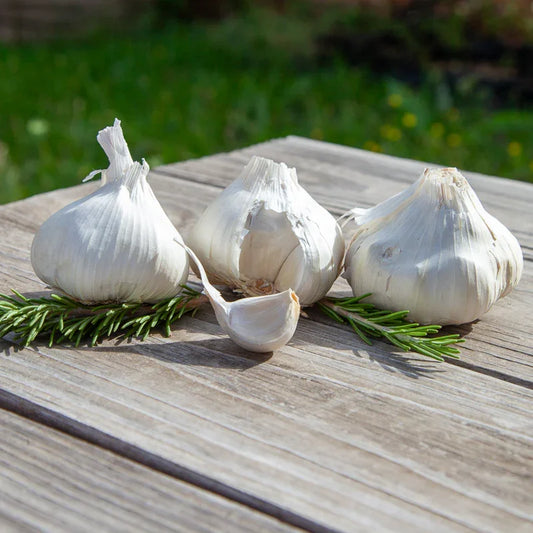
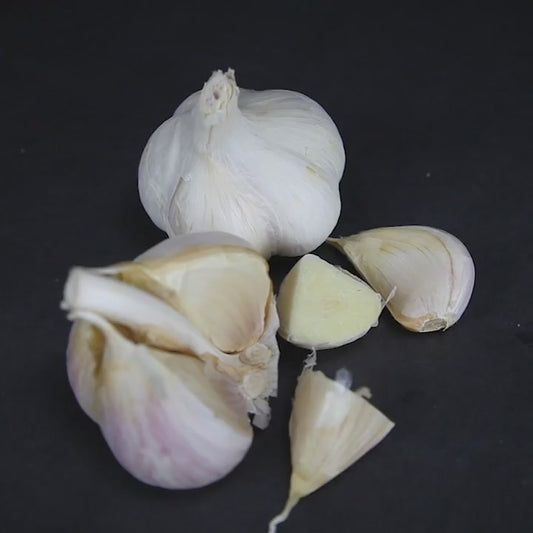
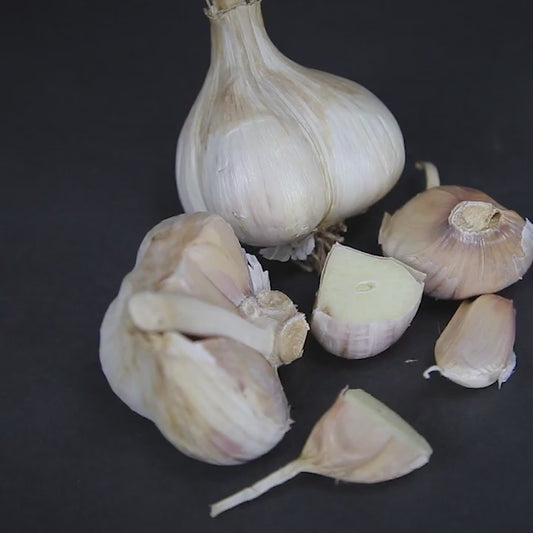
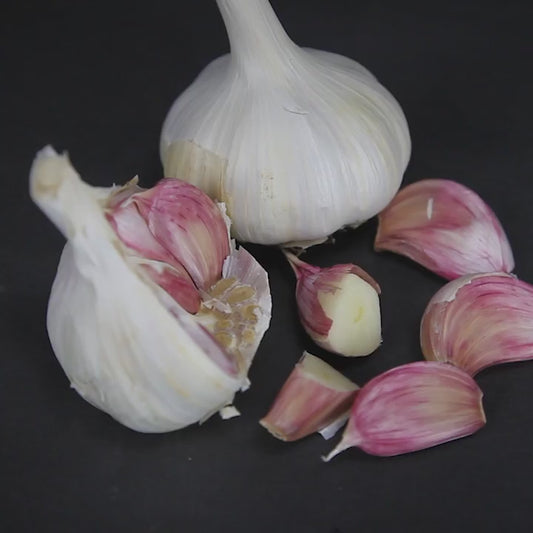
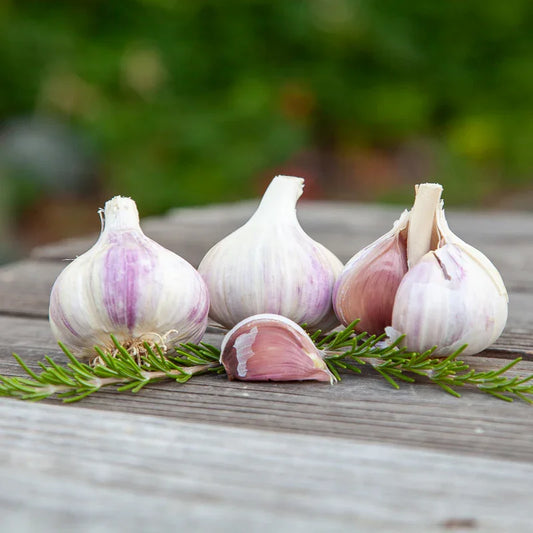
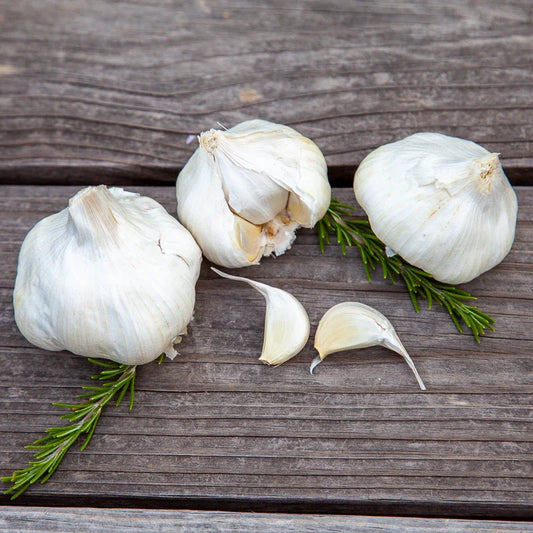
Rodents and storage pests may move toward food and shelter as fields, beds, and weather change. Keep seed, garlic, feed, and harvested produce in appropriate containers and remove spills. Inspect young trunks, bulbs, and irrigation lines for gnawing. Mites may persist after a hot dry season, but cooling, frost, salinity, and water stress can create overlapping symptoms.
Use an IPM escalation ladder
- Observe and identify. Record the organism, damage, location, crop stage, weather, and root-zone condition.
- Set an action point. Decide how much damage is tolerable for the plant’s value, remaining season, and intended harvest.
- Correct the site. Improve drainage, irrigation, airflow, storage, sanitation, or shelter placement without stripping soil bare.
- Use physical tactics. Hand-pick or trap confirmed slugs, exclude a named rodent where feasible, remove a limited infestation, or protect vulnerable plants.
- Preserve biological control. Keep predators, parasitoids, pollinators, and appropriate habitat functioning. Purchased beneficial organisms require a target pest, temperature window, release plan, and shipping eligibility.
- Use a labeled material only if needed. Confirm crop or site, pest, Washington registration, timing, weather, preharvest interval, and risk to nontarget organisms.
- Recheck the same indicator. Stop, change, or escalate from the trend rather than repeating automatically.
The organic IPM guide explains how to identify pressure, set a threshold, and choose a proportionate response. For slug technique, use the slug-management guide. A label is a legal direction; follow all requirements and applicable regulations. “Organic” does not mean harmless to people, pets, wildlife, pollinators, or natural enemies.
Balance soil cover, habitat, and sanitation
Fall soil cover can protect against western rain and eastern wind, while flowering or structural diversity can support beneficial organisms. Habitat can also shelter slugs or rodents. Keep cover functional, inspect beneath it, maintain space around trunks and crowns, and remove spilled seed, contaminated produce, and confirmed disease reservoirs.
Avoid bare-soil overcleanup. Retain healthy roots and safe residue where they protect the bed, and use rotation when feasible. Do not compost diseased or infested material when crop-specific or local guidance calls for exclusion. Store seed and harvested crops in clean, suitable conditions and monitor for gnawing, droppings, insects, moisture, and decay.
The beneficial-insect habitat guide covers plant choices. Verify any native-status claim for the relevant Washington geography rather than using “Pacific Northwest native” broadly.
Handle slugs and rodents as different problems
Slug management works best around vulnerable crop stages and confirmed activity. Reduce hiding material directly beside seedlings without removing all soil protection. Inspect boards, pots, dense weeds, and wet edges. Hand-picking or monitored traps can show whether pressure is changing. If bait is considered, confirm the active ingredient, crop or site, label, weather, placement, and risks to pets and wildlife.
Rodent management begins with species and sign. Voles, mice, rats, squirrels, and moles do not have identical behavior or legal controls. Protect trunks or storage with suitable exclusion, reduce accessible food and shelter, and use traps or other controls only with current species-specific guidance. Never place a pesticide or bait contrary to its label, and protect children, pets, wildlife, and nontarget organisms.
Distinguish disease from wet-weather stress
West-side fall spots and yellowing can reflect pathogens, low light, saturated roots, nutrient imbalance, old summer injury, or normal senescence. Examine symptom progression and root conditions. Improve drainage and airflow before applying a disease product. Do not fertilize a wet, stalled crop on color alone.
Selective sanitation can reduce inoculum where a diagnosis supports it, but severe pruning during stress can create more injury. Clean tools appropriately between affected and healthy plants when mechanical spread is plausible. Keep irrigation off foliage when possible, and avoid working among wet plants if crop-specific guidance warns about spread.
Choose a control only after identification
When diagnosis and threshold justify an intervention, begin with Organic Pest Control and filter by the confirmed organism, site, label, Washington registration, and nontarget risk. If a target pest and fall conditions fit biological control, compare the Beneficial Insects collection while checking live release and shipping requirements. For a confirmed slug problem, review Slug Baits, Repellent & Treatment only after cultural and physical steps are considered.
Check current Online Store availability, regional eligibility, and the label immediately before purchase. A separately confirmed disease may require a different response and should not be folded into an unverified pest treatment. No individual product is mandatory.
Measure the fall IPM result
Record fresh slug damage, trap counts or observations, rodent sign, aphid colonies, disease spread, predators, and crop recovery on the same plants and locations. Note weather and irrigation changes so a decline in damage is not credited automatically to a product.
The intended outcomes are earlier diagnosis, fewer broad-spectrum interventions, better predator-prey balance, and less crop loss without a prevention guarantee. Washington fall IPM succeeds when western moisture and eastern cooling change the scouting plan—and cleanup protects both soil and the beneficial organisms that help keep the garden in balance.
Adapt pest management through Washington's seasons
Use the winter IPM guide for slugs, storage, and disease, the spring IPM guide as tender growth and frost overlap, and the summer IPM guide for smoke, heat, mites, and disease.
Gardeners near a regional boundary can compare Oregon fall pest pressure, cold-climate rodents, slugs, and storage pests, and Rockies rodents, grasshoppers, and freeze damage. Use only practices that match local soil, exposure, forecast, water, and crop response.