In this video, Tricia shares her tips on planting and growing artichokes.
How to Grow and Care for Artichokes in Your Garden
Artichokes are not only a delicious addition to your meals but also a stunning landscape plant that can thrive in various climates. With their long life span and striking foliage, they’re a must-have for any organic gardener. Whether you’re in USDA zone 8 like many Mediterranean plants or growing them as an annual in colder regions, here’s how to successfully grow and care for artichokes.
For more on this topic, see Planting & Growing Artichokes; Growing Artichokes in Containers: A Complete Guide; Integrating Artichokes into Edible Landscaping.
Preparing the Soil
Artichokes are perennial plants that can produce for 6–7 years, so proper soil preparation is essential. Begin by selecting a sunny location with ample space, as artichokes can grow up to 4 feet tall and spread 6 feet wide. If you live in a hot summer climate, consider planting them in a spot with some afternoon shade.
To prepare the soil:
- Add a generous amount of compost to the first 12 inches of soil to enrich it.
- Mix in a slow-release fertilizer with phosphorus and potassium, such as a foothill fertilizer mix, which also helps maintain an alkaline pH of 6.5–8, ideal for artichokes.
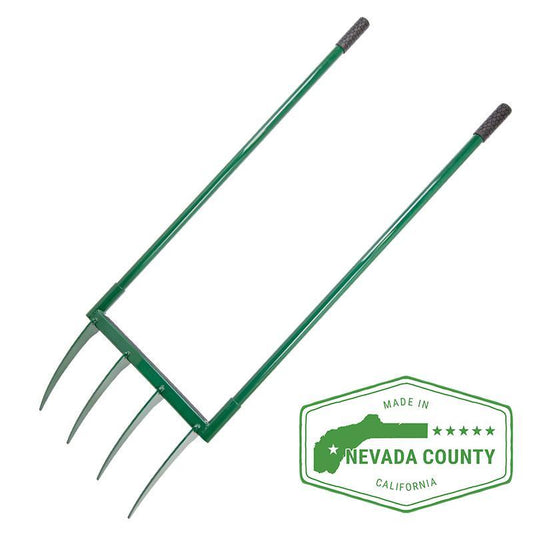
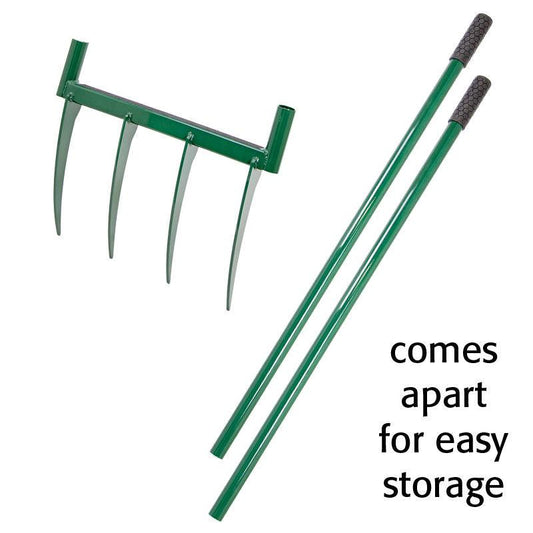
- Use a broadfork to dig the amendments into the soil to a depth of 8 inches.
For the best results, make sure you’re using high-quality amendments and fertilizers. Explore our full range of Fertilizers & Growing Supplies to give your artichokes the nutrient-rich foundation they need to thrive.
Planting Artichokes
Artichokes can be started from seeds, but planting root sections or crowns yields better results.
- Water the prepared bed thoroughly before planting.
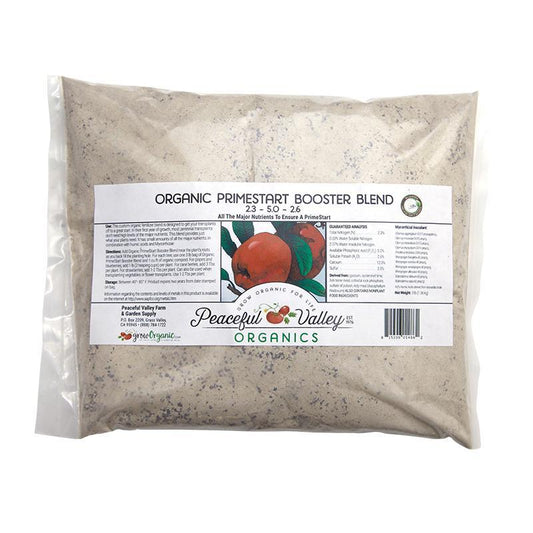
- Dig a hole 6–8 inches deep, adding a root growth booster like PrimeStart Booster Blend to encourage healthy development.
- Cover the crown with 6–8 inches of soil and mulch the bed to retain moisture and suppress weeds.
Seasonal Care
- Winter Planting: In warmer climates, artichokes can be planted in winter, while colder regions should wait until early spring.
- Spring Fertilization: Apply a nitrogen-rich fertilizer in spring to support vigorous growth.
- Watering and Mulching: Keep the soil consistently moist and use mulch to prevent weed competition.
With proper care, your artichoke plants will reward you with abundant yields and a striking presence in your garden. They’re not just vegetables; they’re a statement!