

Check Each Product Listing
Seed source, certification, treatment status, life cycle, and packet size vary by item. Organic certification applies only when it is stated on that product page.
Compare options in Tomato Seeds by variety details, growing traits, and packet information.


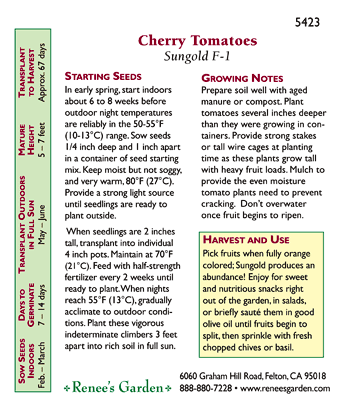


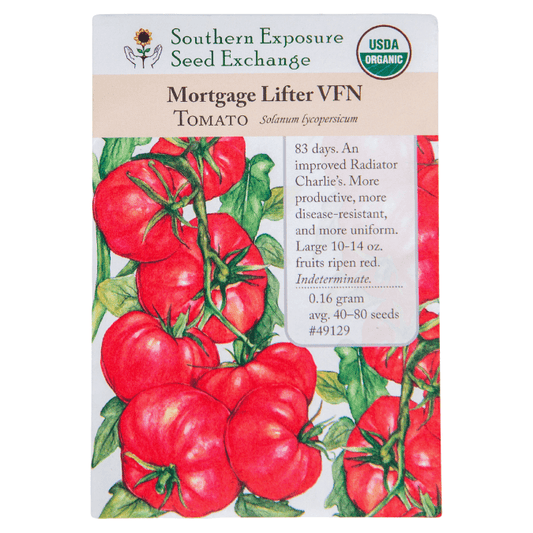
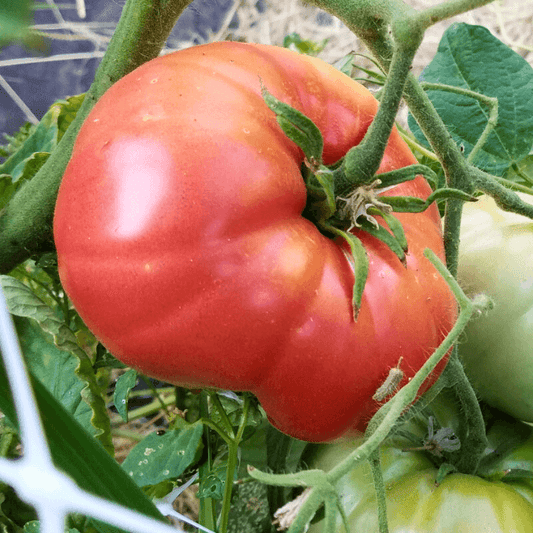


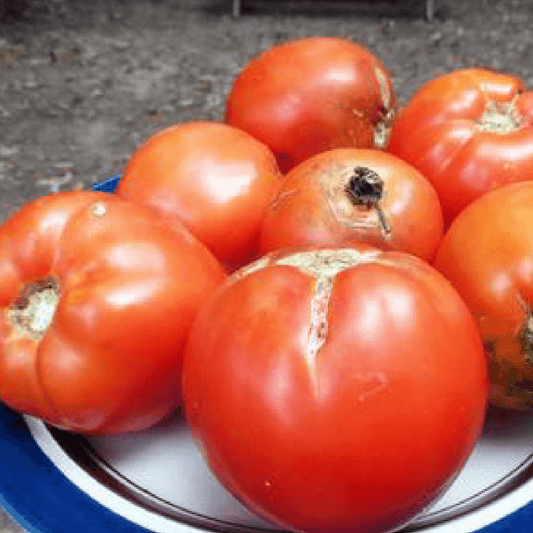

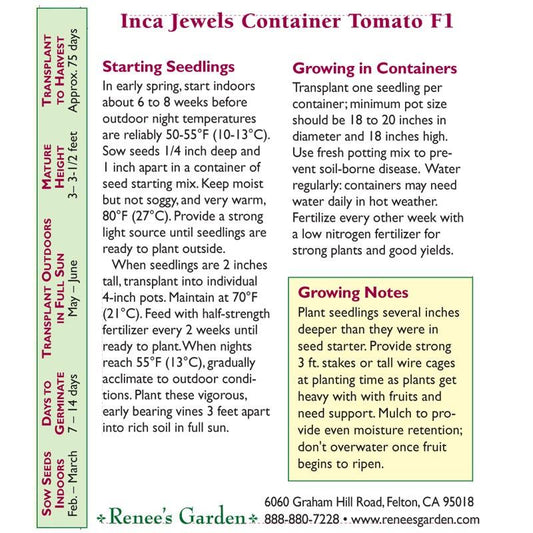
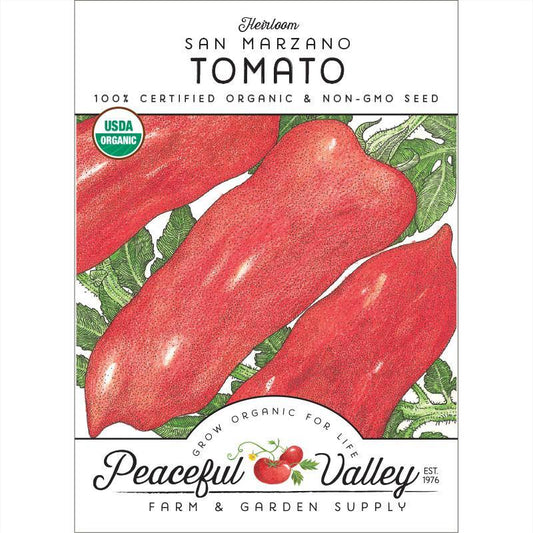
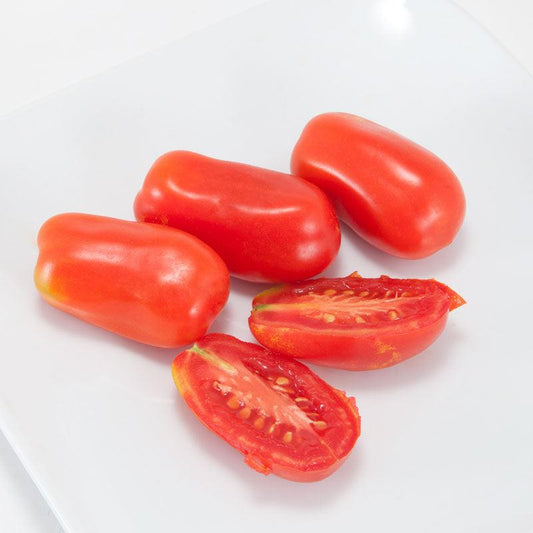
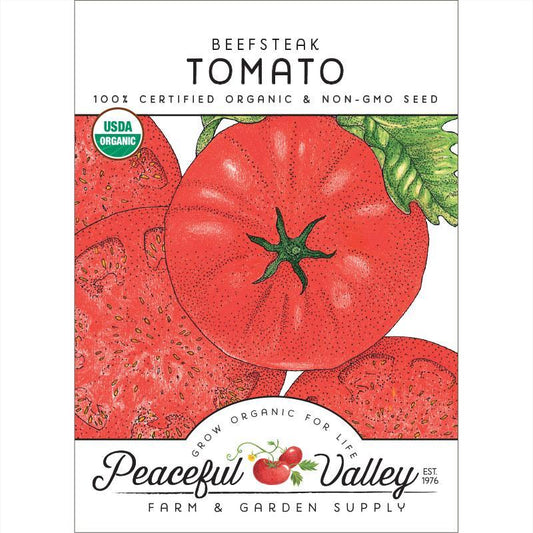
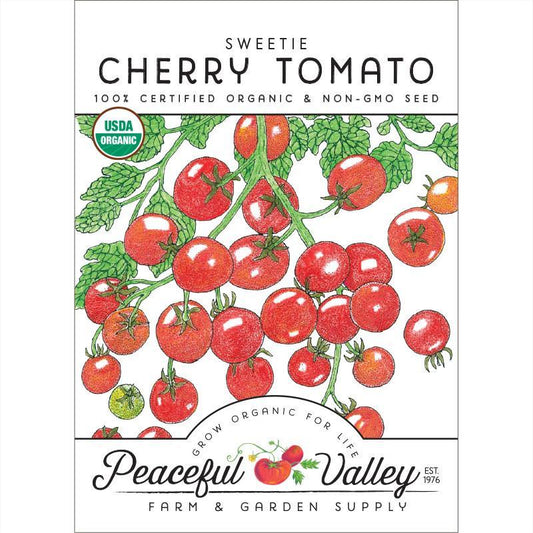
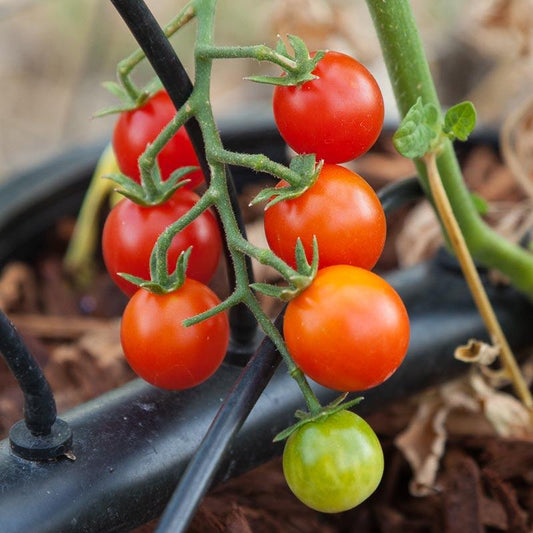
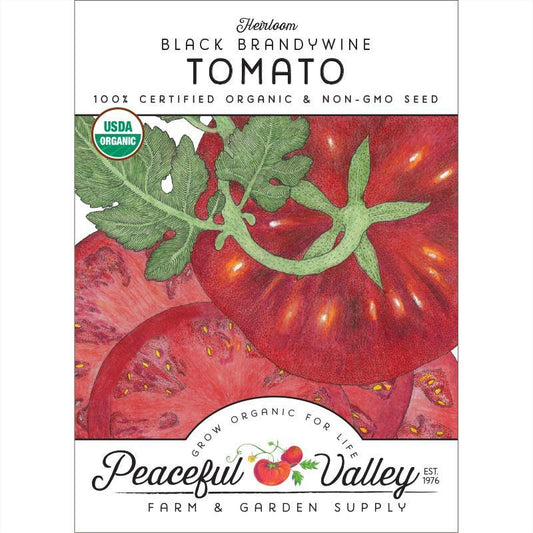
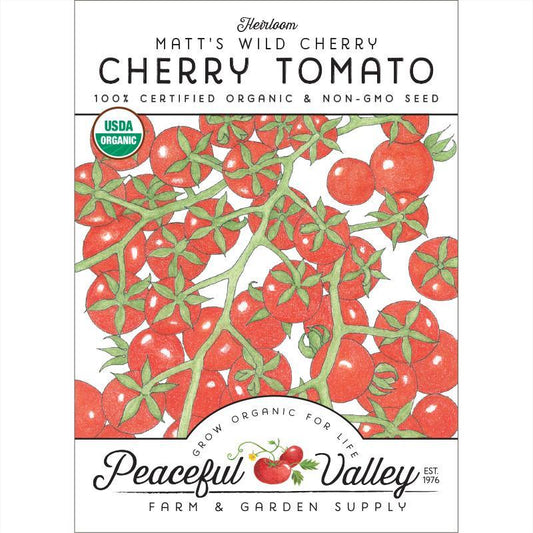
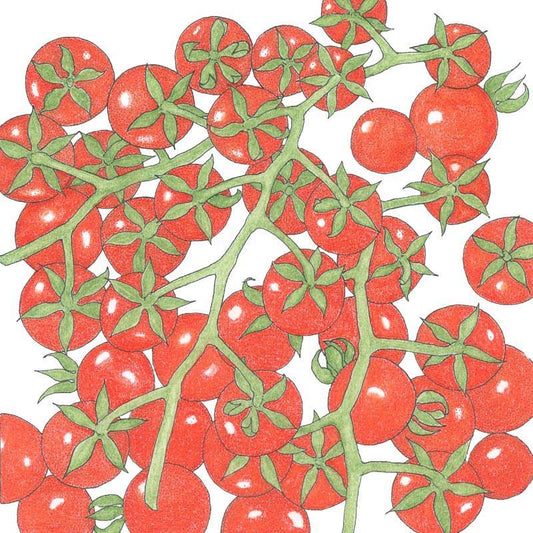
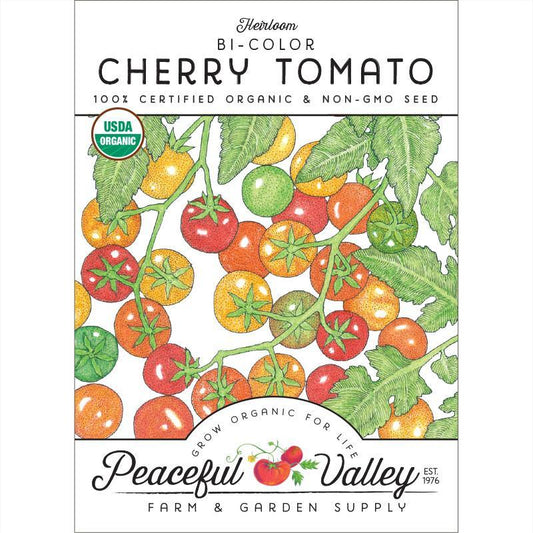
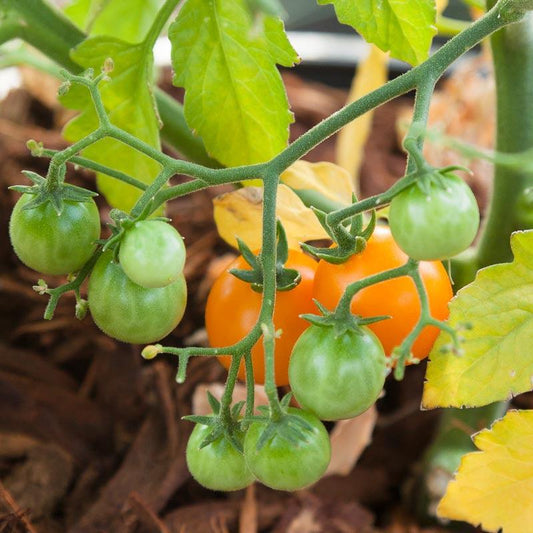
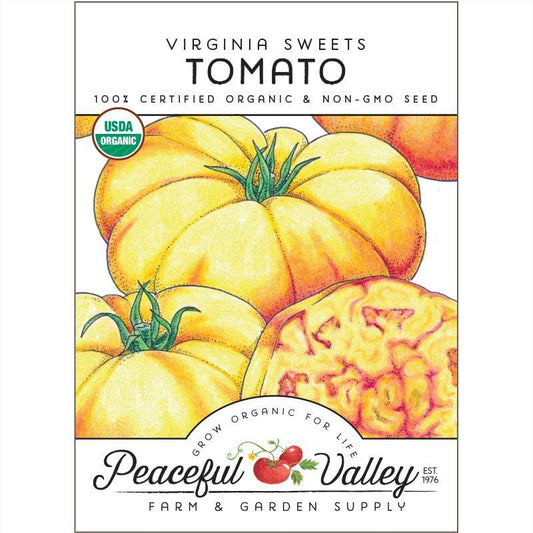
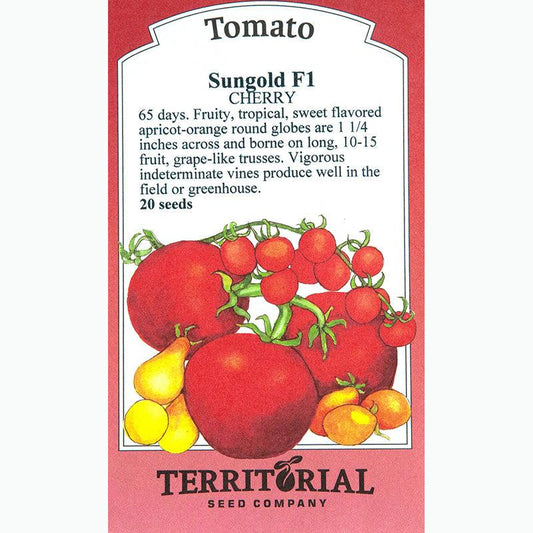
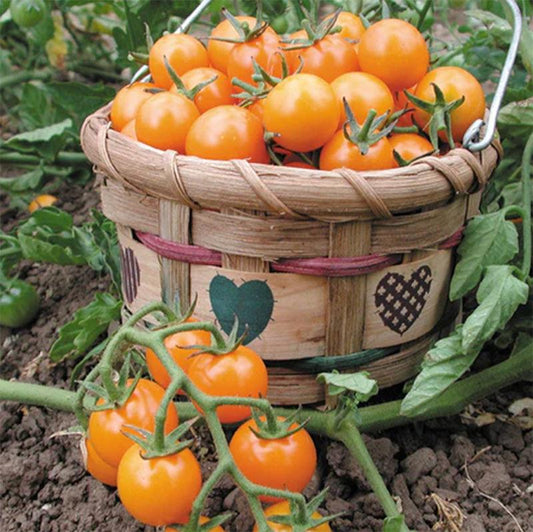
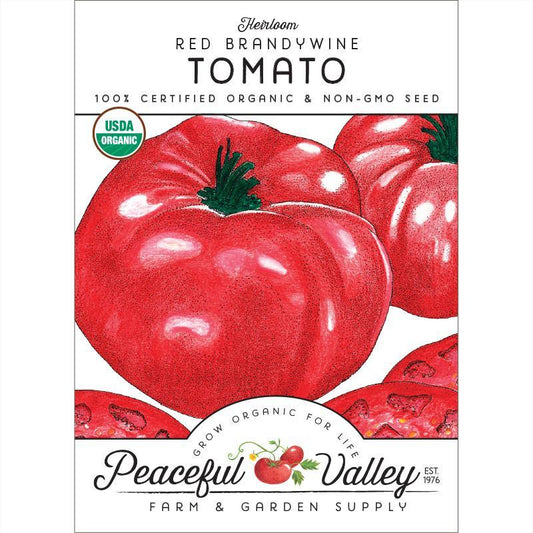
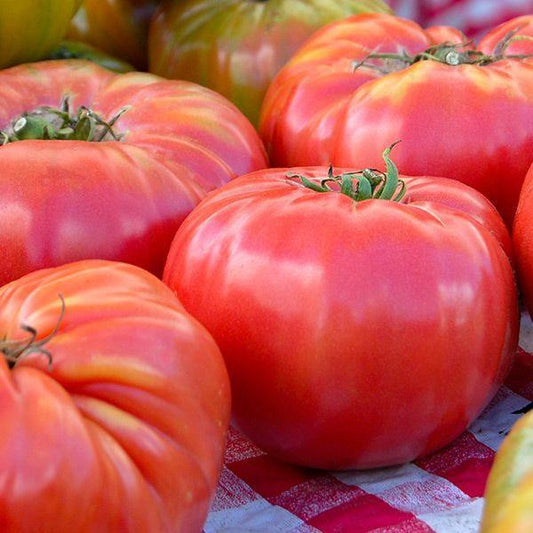

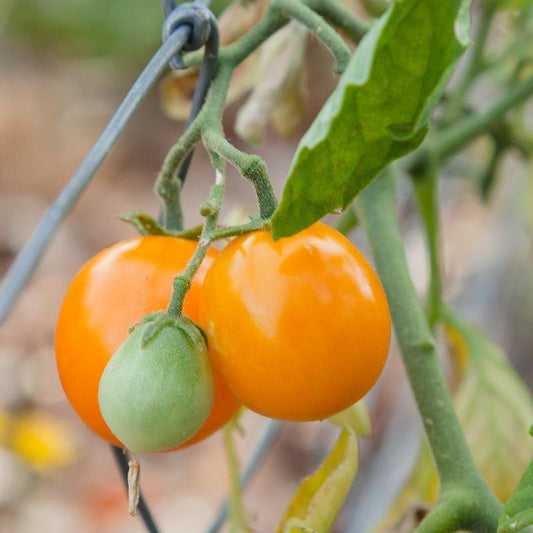
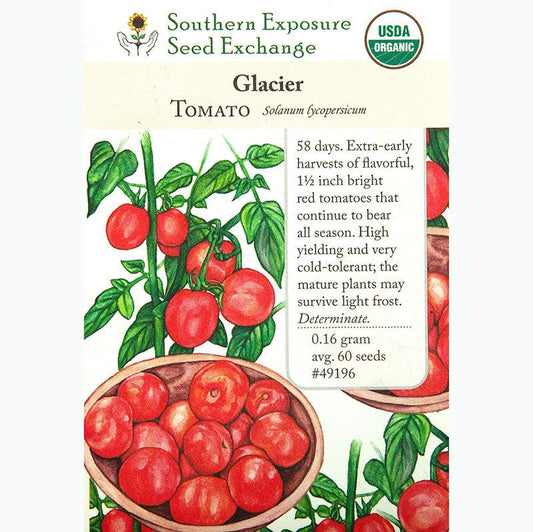
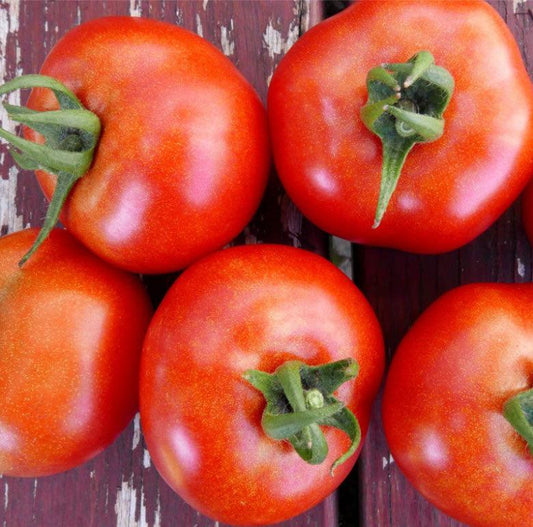
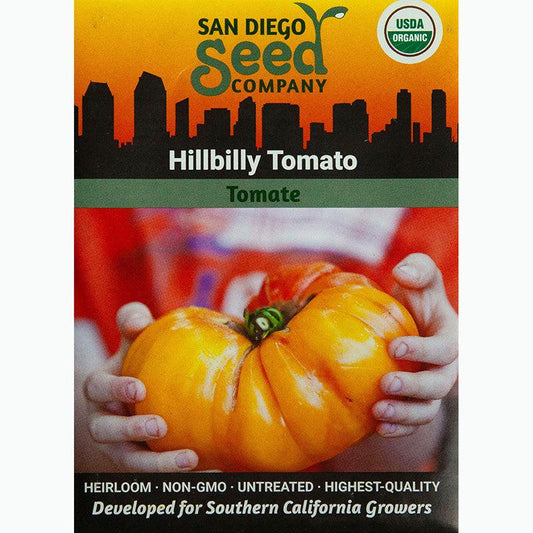
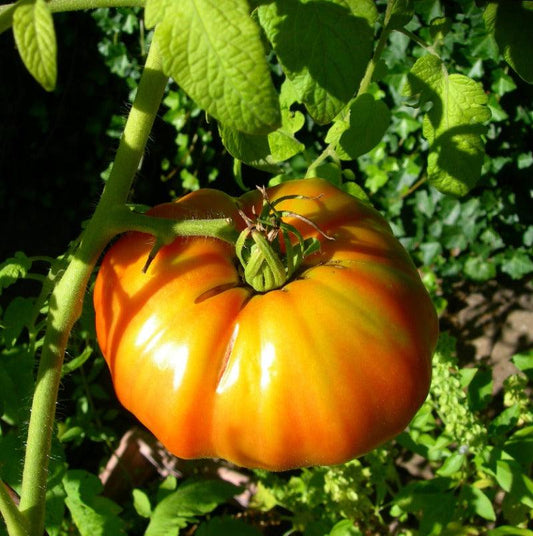
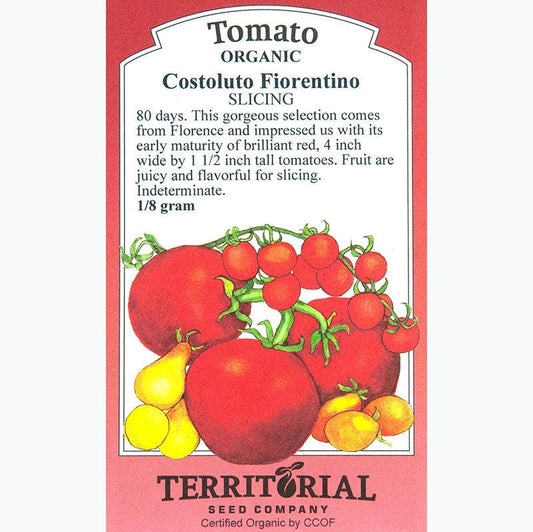

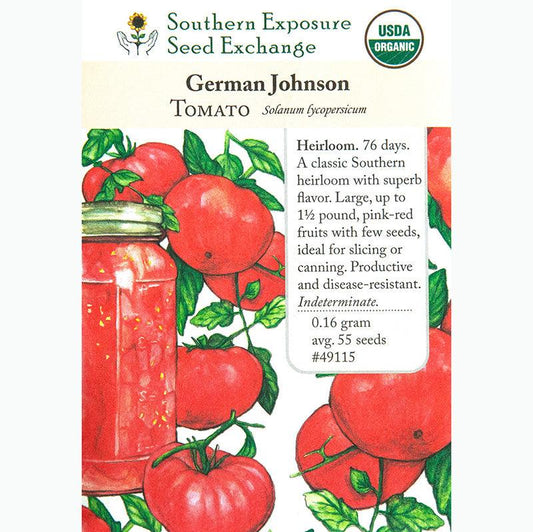
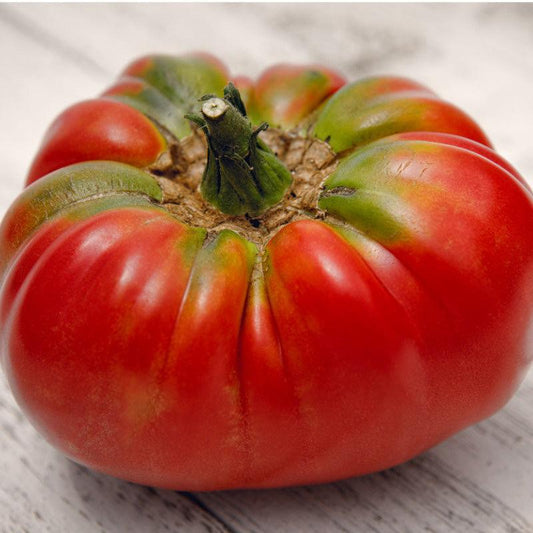
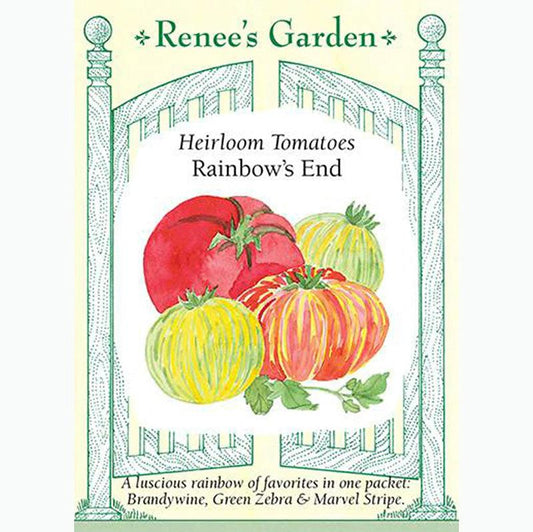
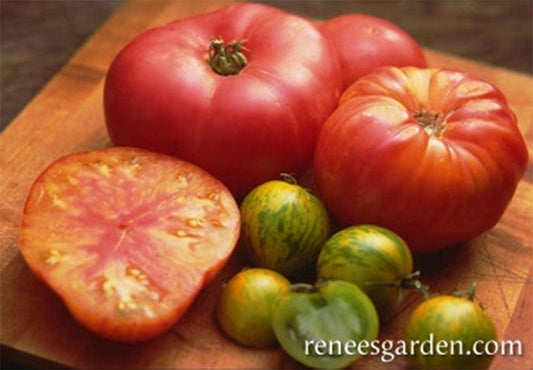
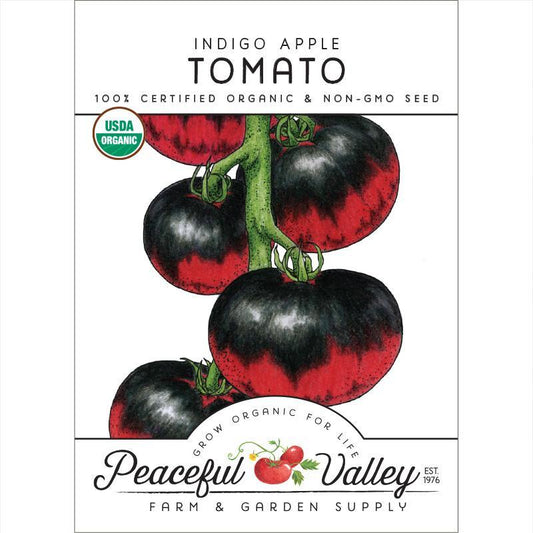
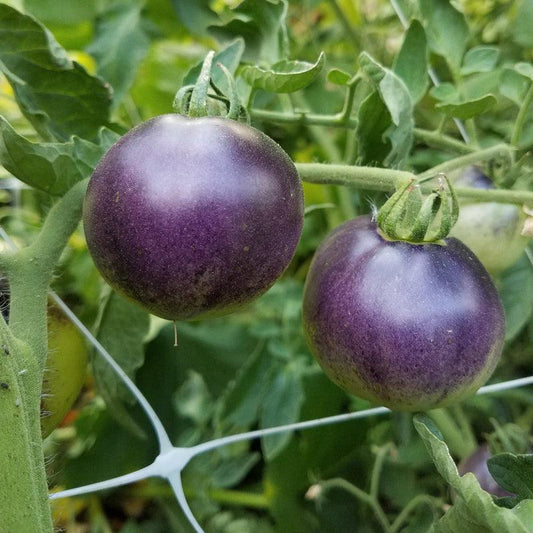
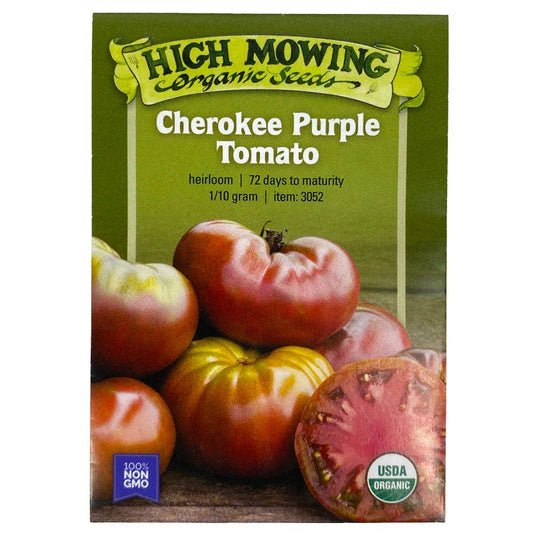


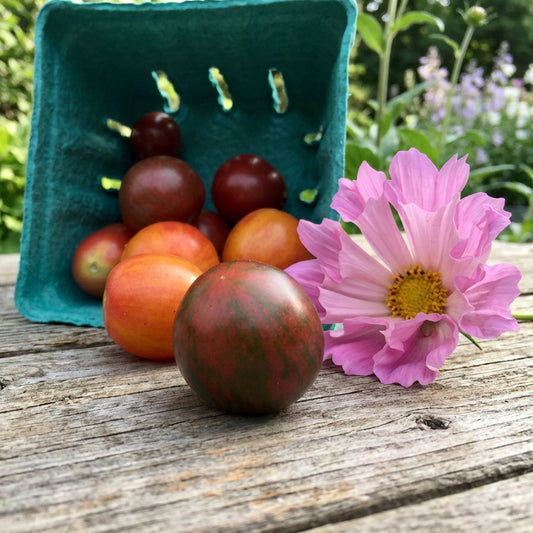
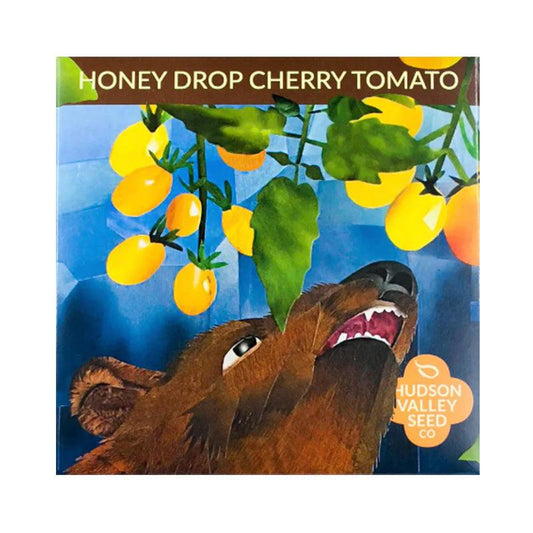
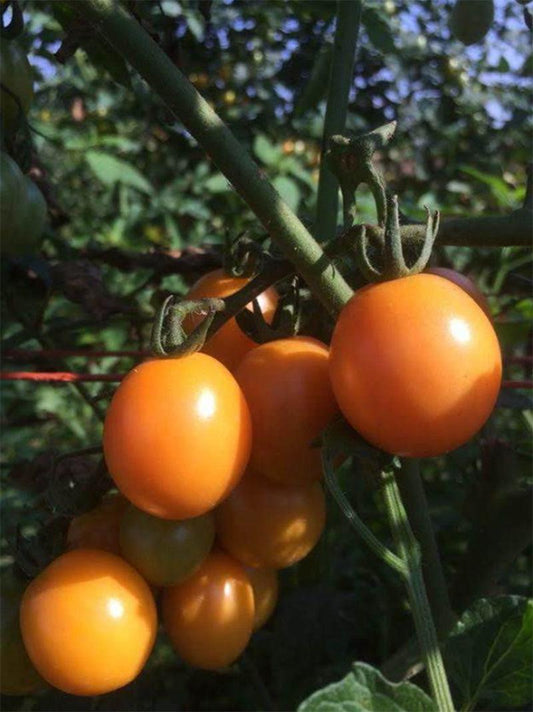
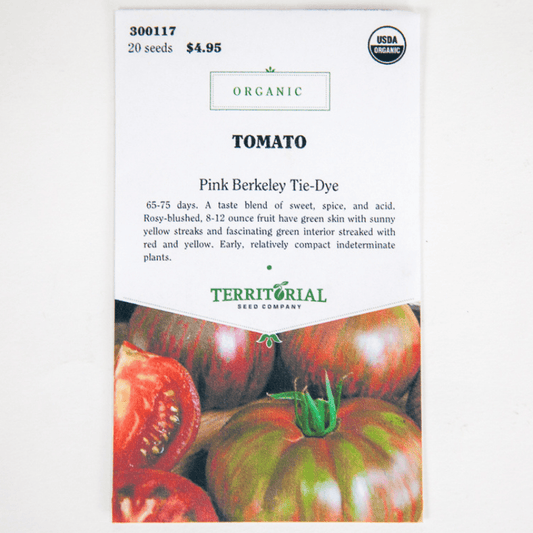
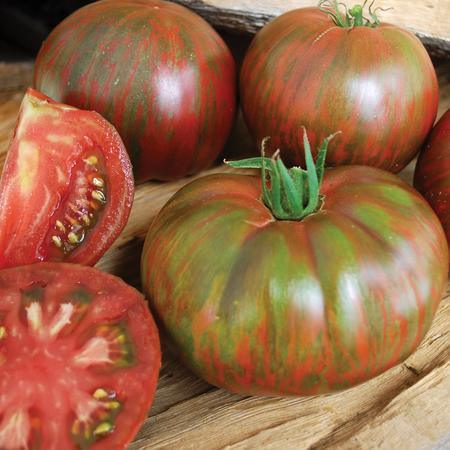

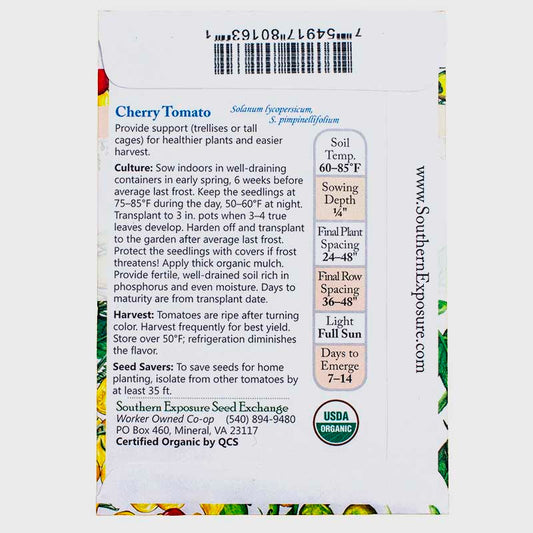
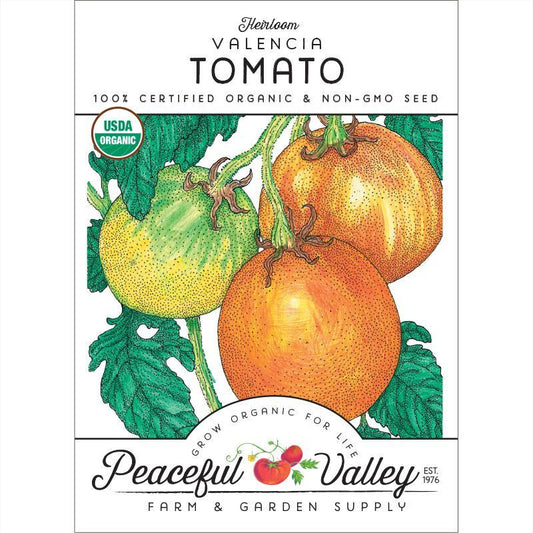
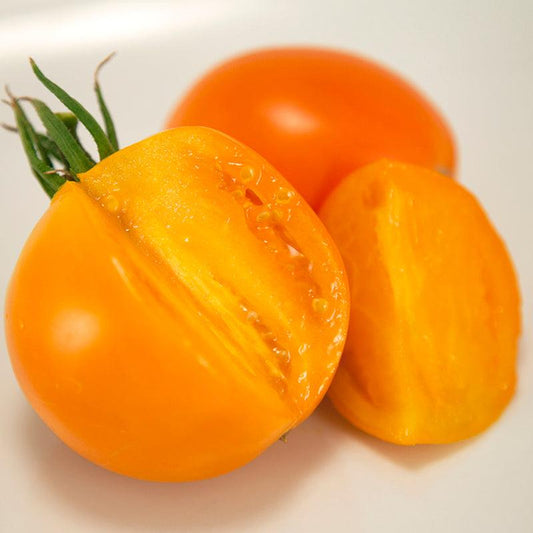

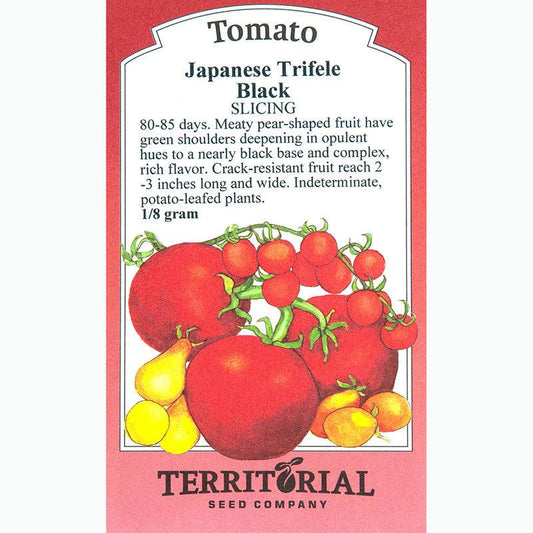
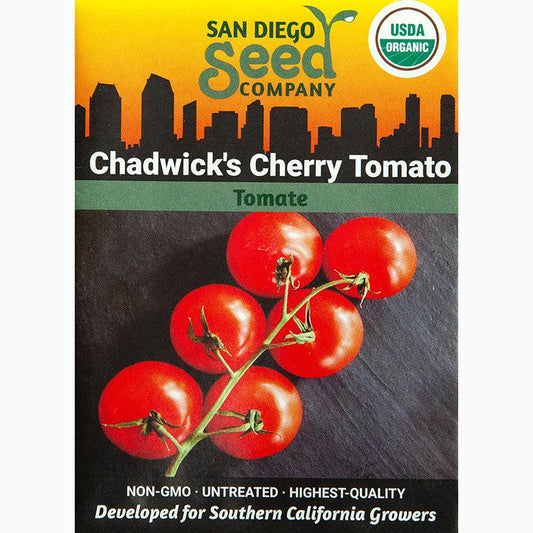
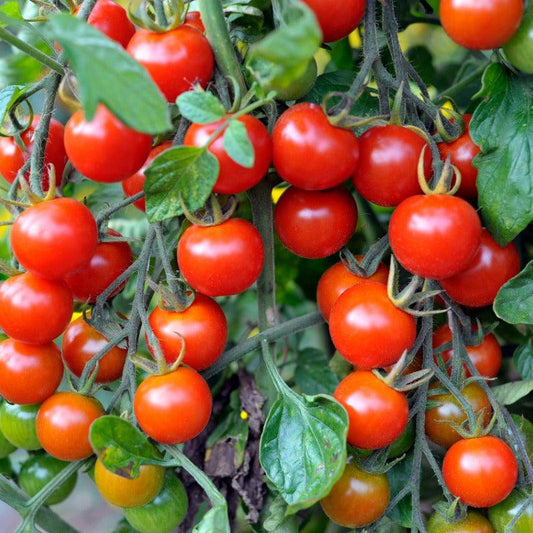

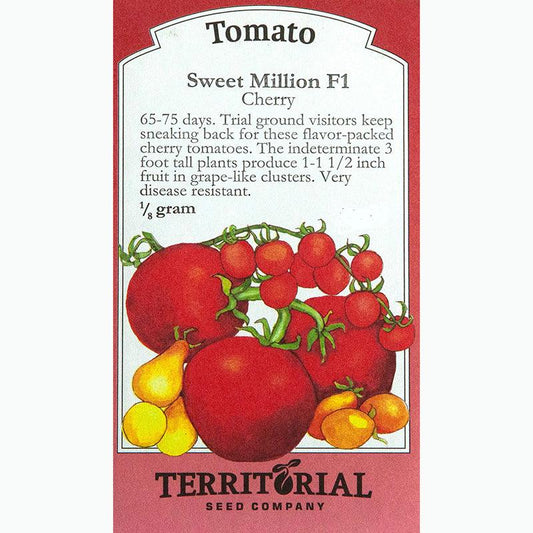

Start with how you eat tomatoes and where you will grow them. A cherry tomato gives you small fruit for picking by the handful. A large slicer suits sandwiches. A paste tomato is worth comparing if most of your harvest will go into sauce. Check the plant’s size and days to maturity as well as the fruit type before you buy.
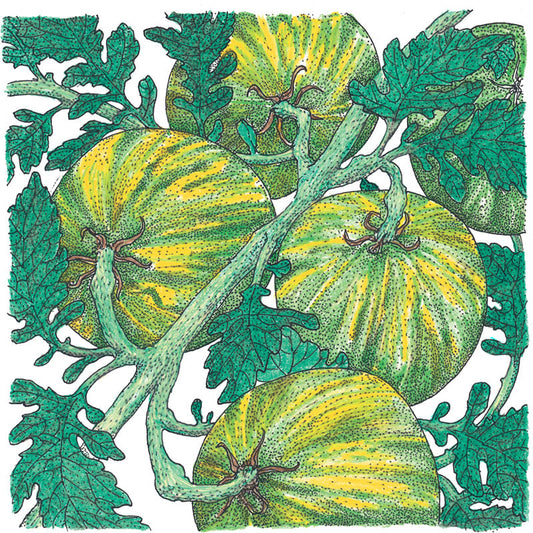
Sungold Orange Cherry is a choice for small orange fruit. Compare it with Green Zebra, which gives you a different size and look for fresh use. If you want large slices, check the listings for Mortgage Lifter VFN and other slicers. Read the maturity guidance and plan space for the support each variety needs.
See San Marzano Tomato Seeds and Paste Rosso Sicilian for a sauce planting. If you cook small batches, plant enough for the batch you want and check when the variety tends to ripen. For a pot or a short row, look at Inca Jewels Roma Container Tomato Seeds and compare its stated growth habit with the paste types you would grow in a bed.
Check the variety page for determinate or indeterminate growth. A determinate plant can be easier to fit into a set space, while an indeterminate plant continues growing and needs support as it extends. Measure the area you can give each plant. If you grow in a container, check the variety’s container guidance and how you will anchor the support before sowing.
Check whether the maturity estimate starts at sowing or transplanting. Use the sowing instructions to set a date for starting plants and make sure you have room to hold them until outdoor conditions are suitable. For organic tomato seeds, confirm the organic designation on the individual listing.
For a small garden, start with a fruit type you will eat often. If you have a second space, add a plant for a different job. Try a cherry tomato for regular fresh picking and a paste tomato if you also want to cook sauce. Compare whether the plants can share the same support or need separate cages.
For a larger planting, label each variety in the tray and at transplant. Keep a note of the first harvest and where the plant grew. That helps you decide which seed to order again based on the harvest and space you actually had.
If you are growing tomatoes in the same beds again, look at which plants filled their support first and which still had room. Check how often you were able to pick the ripe fruit. Keep the fruit types you used and change the seed choice for a plant that took more space than expected. That way you can order around the room you have and the way you cook.