Establish Bay Area berries and other perennial food plants in spring only when the root zone is workable, the plant is suitable for the site, irrigation is dependable, and there is enough mild weather for roots to begin growing before local summer stress. That window is not one date for the nine-county region. A fog-coast garden may stay cool and damp while an inland valley is already approaching hot, dry afternoons; bayside clay may be too wet to dig even when a raised bed nearby is ready.
The safest sequence is to confirm that planting conditions are suitable, correct drainage and irrigation constraints, install durable supports, plant without burying crowns or creating a water-holding basin in heavy soil, cover the root zone appropriately, and then monitor new growth. Use the Bay Area spring planting plan to coordinate this work with annual crops, soil, water, and IPM rather than treating perennial planting as an isolated weekend task.
Decide whether the perennial site is ready
| Observation | Ready to plant when | Wait or change the plan |
|---|---|---|
| Root-zone condition | Soil crumbles when handled, the hole drains appropriately for the plant, and roots will not sit in a perched wet zone | Clay smears or compacts, water remains in the test hole, or a slope is actively eroding; use a better site or wait for workability |
| Plant fit | Species and cultivar match the site’s chill, heat, light, space, pollination, hardiness, and harvest needs | The decision relies only on a broad USDA zone or an unverified “Bay Area” recommendation |
| Weather transition | The plant is appropriately dormant or hardened, severe heat is not imminent, and local frost exposure is understood | A tender plant will move from protection into a frost pocket, or heat and drying wind are likely before irrigation and shade decisions are ready |
| Water system | Emitters have been pressure-tested, water reaches the actual root zone, and a new-plant zone can be adjusted independently | The system leaks, applies water unevenly, or forces a young plant to share the schedule of a mature tree |
| Support and access | Trellis, wires, posts, ties, and harvest paths can carry the mature crop without damaging utilities or structures | Support must be improvised after shoots lengthen, or the mature plant will block maintenance and airflow |
| Shipping and legal fit | The live plant is eligible for the destination and its current shipping window and condition are acceptable | State agricultural restrictions, dormancy, availability, or destination eligibility cannot be confirmed |
A USDA hardiness zone is one input: it summarizes average annual extreme minimum temperatures. It does not describe summer heat, fog, soil drainage, local frost pockets, or whether a berry cultivar receives suitable winter chill. Confirm those requirements by cultivar and site. If the plant has arrived but the site is not ready, follow the seller’s current care instructions and avoid letting roots dry or remain waterlogged; do not rush it into saturated clay.
Split the plan by Bay Area growing segment
Coastal fog belt
Cooler spring and summer conditions can favor berries that dislike extreme inland heat, but fog does not eliminate irrigation demand. Salt wind, limited heat accumulation, and extended leaf wetness may constrain fruit quality or increase foliar-disease pressure for some crops. Give canes and vines enough sun and air movement for the cultivar without placing them in the windiest exposure. Orient and prune supports so leaves dry, and verify that ripening requirements fit the specific coastal site rather than relying on a county-wide label.
Bayside flats and heavy soils
The first decision is soil structure and drainage, not fertilizer. Digging wet clay destroys pores and can create glazed planting-hole walls. Wait until the soil is workable, protect traffic lanes, and do a drainage assessment before buying amendments. Avoid filling a clay hole with a radically different mix that can behave like a container. Use the Bay Area spring soil sequence for test-based amendment decisions; a nutrient addition cannot correct oxygen-starved roots.
Warmer inland valleys
Heat arrives earlier and evaporative demand can rise quickly. Plant only if the irrigation zone is reliable and the root ball can be kept evenly moist without saturating surrounding soil. Prepare temporary, well-ventilated protection when a newly planted specimen may encounter unusual heat, but do not leave fabric against foliage or create a hot enclosure. Select cultivars by documented heat tolerance, chill requirement, mature size, and crop use. A generic “mild climate” description is not enough.
Exposed hills and frost pockets
On hills, wind loading and erosion affect both plant and support design. Set posts before roots and shoots occupy the work area, anchor them for the mature load, and route irrigation so it does not run downhill. Keep protective root-zone cover consistent with local defensible-space guidance. In low areas, cold air can settle even when nearby slopes remain mild; blossoms and new shoots may need a different risk decision than dormant wood. No cover guarantees frost protection.
Complete the spring planting checklist
- Map the mature system. Mark permanent plants, their expected spread, sun path, irrigation zones, support anchors, access lanes, and nearby structures. Leave room to prune, harvest, and inspect both sides of a row.
- Confirm plant and cultivar requirements. Check documented hardiness, chill, heat, pollination, light, soil, spacing, harvest season, and disease considerations. For detailed receiving and planting steps, use the bare-root tree care guide or the cane berry growing guide.
- Test the root zone. Check workability, drainage, compaction, and moisture below the surface. Use a soil test when fertility or pH could alter the decision; do not add fertilizer automatically to a new planting hole.
- Restart irrigation first. Flush lines as appropriate, inspect pressure and leaks, verify emitter output, and separate new plants from established perennials where possible. Use the Bay Area drip-system restart to check the full system before planting.
- Build or repair support. Replace worn ties, check wire tension, smooth sharp edges, and repair reusable hardware before shoots become tangled. Use ties that allow growth and inspect them through the season. Keep supports clear of electrical lines and buried utilities.
- Plant to the plant’s anatomy and the site. Identify the crown or root flare, spread or position roots according to the crop guide, and avoid burying a crown that must remain at soil level. Settle soil without excessive compaction. Water to remove large air pockets and confirm infiltration.
- Protect the root zone. Apply an appropriate organic surface cover where it will conserve moisture and reduce soil impact, but keep it away from trunks and crowns. On fire-prone properties, follow current local defensible-space rules rather than treating mulch as a universal prescription.
- Train selectively. Attach canes or vines to their intended plane, remove broken or clearly diseased material when correct for the crop, and avoid a heavy cosmetic pruning that strips useful leaf area. Consult fruit-tree pruning guidance for system-specific cuts.
- Prepare for summer. Note cultivar, planting condition, emitter location and output, support layout, pest observations, and the first signs of active growth. Schedule the next inspection by growth and weather, not by an inflexible calendar.
Match supports to berries, vines, and young trees
Support is part of plant health. Upright, separated canes and vines are easier to inspect, harvest, and keep aerated; properly placed tree supports can protect new structure without making the trunk permanently dependent. The design must match the crop’s training system, mature weight, wind exposure, and whether old fruiting wood will be removed. Do not stretch generic netting across wildlife routes or leave loose material where birds or other animals can become entangled.
Use reusable posts, wires, and hardware where they fit the system, and inspect natural-fiber or plastic components for wear. A material is not automatically regenerative simply because it is plant-based or reusable; imported material, irrigation needed to establish living cover, and end-of-life disposal all matter. Extending the life of sound supports reduces replacement waste, while removing broken wire and degrading plastic prevents fragments from entering the garden.
Protect new plants without overmanaging them
New leaves and blossoms can attract aphids, whiteflies, slugs, snails, and rodents. Warm, dry inland sites can also favor mite injury, while dense, moist coastal canopies can develop foliar problems. Scout the full plant and the root zone before treating. The Bay Area spring beneficial-insect IPM plan provides the diagnostic table and escalation ladder. Barriers, sanitation, habitat, and targeted controls should follow identification; no tactic guarantees prevention.
After planting, moisture must be judged at root depth. A small root system may need a different irrigation interval from an established planting, but no fixed schedule works across sandy coast soil, heavy bayside clay, containers, and hot inland ground. Probe the soil, observe new growth and drainage, and adjust application volume or frequency without keeping roots continuously saturated. Check the summer fruit-tree care guide before heat becomes the controlling condition.
Choose collections after site and cultivar fit are clear
Once the site-readiness table supports planting, compare the verified Berries & Vines collection by cultivar requirements, mature size, pollination, shipping status, and local heat and chill fit. Then use Plant Support to match the training system and mature load, not merely the plant’s current size. If a tree is the right system, review Fruit & Nut Trees only after confirming space, rootstock, chill, pollination, disease, and destination eligibility.
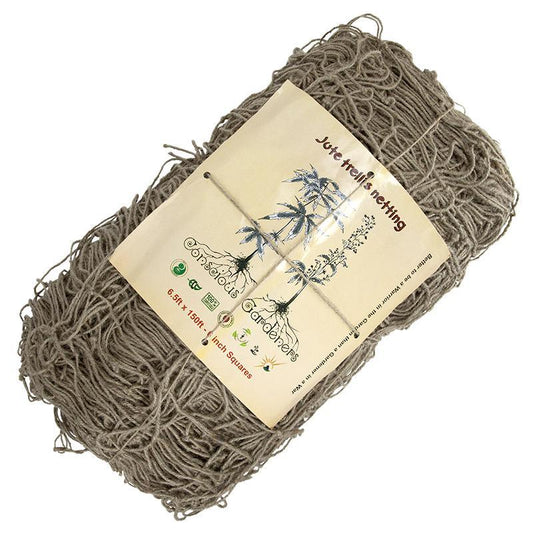
Specific option to evaluate: For Bay Area peas, pole beans, cucumbers, and other compatible seasonal vines, the Jute Trellis Netting (6½' × 150') provides approximately 6-inch openings that can separate and guide compatible growth for airflow, harvest access, and easier inspection. Choose it only when the crop's climbing habit, mature weight, opening size, post spacing, wind exposure, and access paths fit a natural-fiber net. Install and tension it on adequately anchored supports before stems tangle, keep it clear of paths and irrigation service points, and guide growth without girdling stems. Inspect sagging, fraying, anchor movement, stem abrasion, trapped debris, wildlife-entanglement risk, and crop load after wind or as fruit develops. The current product record does not provide a numeric load rating, so do not treat it as a structural solution for heavy woody vines or unsupported spans. Natural fiber can weather; plan removal and end-of-life handling for local conditions.
Live inventory, shipping windows, and state restrictions can change. Recheck each item immediately before purchase and again before planting. A product listing is not evidence that a cultivar is suitable for every Bay Area microclimate.
Prepare perennial plantings for summer
A well-prepared spring perennial system has more than a plant in the ground. It has workable soil, a verified water path, a support sized for mature growth, protected but inspectable roots, and clear conditions for the next action. Coastal gardens should watch leaf wetness and slow establishment; bayside clay gardens should watch drainage; inland gardens should watch rapid moisture loss and heat; exposed hills and frost pockets should watch wind and temperature at the actual plant.
Perennial root-zone cover, selective sanitation, and durable infrastructure can improve establishment odds, protect soil between crop cycles, and reduce material waste. They cannot guarantee survival or harvest. The useful Bay Area decision is to establish only what the site can carry through the dry season—and to finish the support, water, and monitoring system before summer makes those omissions expensive.
Carry perennial care into summer, fall, and winter
Use planting, support, and irrigation records to prepare for fall, winter, and summer.
For berry, tree, and perennial establishment, compare Southern California, Sacramento–Sierra, and Oregon. Apply only the cultivar, planting, support, and irrigation advice that fits your chill, heat, soil, wind, space, and destination rules.