Establish berries and young fruit trees between Valley heat and foothill frost only when site, roots, water, support and weather are ready together. Spring can be a narrow planting window, but a warm sale date is not permission to plant into saturated clay or unstable thaw. Verify cultivar/rootstock, chill and heat fit, drainage, mature size, irrigation and summer care before planting.
Match perennial care to the garden's setting. Sacramento Valley sites must account for heavy clay and fast-rising heat; Delta gardens can stay cooler and windier; lower foothills add slope and water-pressure differences; higher foothills may still face thaw-softened soil and frost.
Use the regional spring plan to set perennial priorities, the soil guide to verify workability, the water guide to commission establishment zones, and the IPM guide before treating blossom or leaf injury.
Decide when each perennial operation is ready
| Operation | Go when... | Hold when... |
|---|---|---|
| Choose cultivar/rootstock | Chill, hardiness, heat, mature size and site fit are verified | Zone or marketing claim is the only evidence |
| Plant | Soil workable/drained, roots healthy, irrigation/support and forecast align | Clay smears, slope softens or heat/frost makes establishment unsafe |
| Train/tie | Support fits mature load and wind; tie does not girdle | Structure or purpose is unclear |
| Protect blossoms | Crop stage, local minimum and ventilated/anchored system align | Protection is expected to guarantee fruit |
| Prune | Crop, fruiting wood and purpose are known | Frost injury/disease is unclear |
| Feed | Soil test, crop need and label support it | Growth is slow because soil is cold or saturated |
Four regional perennial tracks
Valley floor: Workable clay and a verified water zone must precede planting. Heat can arrive before new roots expand. Low frost pockets can threaten blossoms.
Delta-influenced: Wind affects canes, ties, covers and water demand. Use stable supports, gradual exposure and root checks.
Lower foothills: Integrate slope, pressure, fire-safe cover and later frost. Keep roots protected without concentrating runoff.
Higher foothills: Soil may remain frozen/soft and frost/snow credible. Delay rather than forcing planting; verify short-season and cold fit.
Spring perennial operations checklist
- Confirm exact site, cultivar, rootstock and mature size.
- Verify chill requirement, hardiness, summer heat and cold-air drainage.
- Test drainage and workability across the root zone.
- Inspect roots, crown/graft and plant condition.
- Pressure-test establishment irrigation.
- Map support, wind and future canopy/cane load.
- Review frost, rain, wind and heat forecast.
- Keep roots protected during handling.
- Set correct planting depth and avoid rich pockets.
- Keep mulch clear of trunk/crown and fire-compatible.
- Inspect for aphids, mites, earwigs, slugs, rodents and disease.
- Set post-plant, post-frost and first-heat checks.
Keep chill, hardiness and heat separate
Chill relates to winter dormancy/fruiting requirements; hardiness zones summarize average extreme minimum temperature. Neither proves heat fit, bloom safety or yield. Use cultivar and institutional evidence plus the site's records. Qualify all claims.
Plant into a complete summer-ready site
The bare-root tree care guide covers planting technique. Protect roots, set depth correctly and use site soil as directed. Avoid an isolated amendment pocket. Water only when drainage and weather are safe.
Before planting, identify who will irrigate through heat, how emitters will move as roots expand and which tree/berry gets priority during restrictions or outages. A spring window without summer capacity is not ready.
Use a source-to-root planting sequence
- Confirm label, cultivar, rootstock and exact site before unwrapping roots.
- Inspect plant and roots; photograph discrepancies and follow supplier guidance.
- Keep roots protected from sun, wind, drying and freezing during setup.
- Recheck workability, drainage and forecast at planting depth.
- Set crown, root flare and graft relationship according to crop guidance.
- Backfill with site soil as directed; avoid a rich isolated pocket.
- Water to settle only when soil can drain and the wetting zone is verified.
- Install support/guard without rubbing, girdling or trapping moisture.
- Replace compatible cover away from trunk/crown and inspect after events.
Commission the first-year hydrozone
New roots occupy a limited volume, but that volume expands. Place water where current roots can use it and plan to widen distribution as the plant establishes. Keep water away from the trunk and avoid coupling young plants to an established-tree or lawn schedule by default.
In Valley clay, check whether water ponds below mulch. In foothills, compare upper and lower emitter output and protect slope contours. Delta wind can dry containers and foliage while root zones remain moist. Record wetting depth and overnight recovery through first heat.
Set a spring-to-summer readiness timeline
| Trigger | Operation | Stop rule |
|---|---|---|
| Soil workable and site drained | Plant verified stock | Hold if clay smears or slope shears |
| Local frost threatens blossom/tender growth | Use monitored protection if system/crop fit | No guarantee or unsafe cover |
| Roots begin establishment | Adjust emitter placement/support | Do not force growth with unneeded fertilizer |
| Delta wind or storm | Inspect ties, abrasion, drainage and cover | Do not work in unsafe conditions |
| First significant heat | Check root moisture, recovery and trunk exposure | Pause expansion if care cannot keep up |
Use cultivar and site evidence before purchase
Write the planting location and verify mature dimensions, pollination needs where relevant, rootstock, chill requirement, hardiness, summer heat, soil and water. USDA hardiness zones summarize average extreme minimum temperature, not chill accumulation, heat tolerance or a planting date.
If any factor is missing, hold the purchase. Availability is not proof of fit. For plants already ordered, prepare a supplier-approved receiving contingency if wet soil, frost, smoke or inaccessible roads delay planting.
Handle berries and canes by fruiting system
The cane-berry guide covers technique. Confirm whether fruit forms on first- or second-year canes before pruning. Train to a support that handles crop weight, Delta wind and foothill conditions.
Keep crowns clear, inspect moisture and protect soil. Do not copy a Valley berry exposure to a high foothill frost pocket or vice versa.
Train canes and young trees for current—not maximum—load
Supports should guide growth without rigidly constraining expanding trunks or canes. Use ties that can be inspected and adjusted. Place anchors outside major roots where possible and account for wind direction, saturated soil and future crop weight.
After each wind or rain event, check lean, abrasion and tie tension. Repair only when the structure remains safe; replace brittle or undersized components. A durable support reduces waste only if it does not damage the plant.
Protect blossoms and new growth with limits
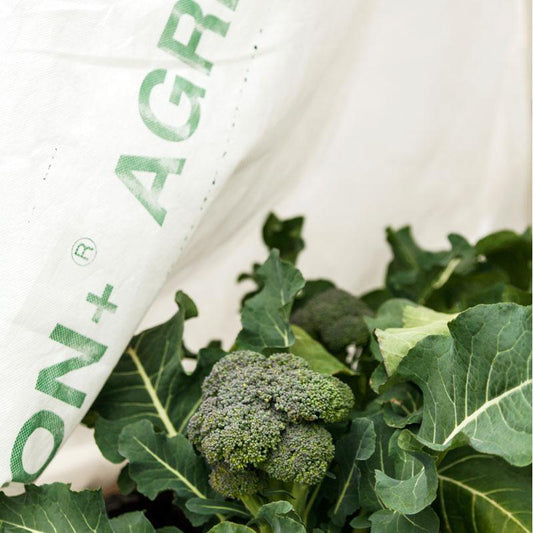
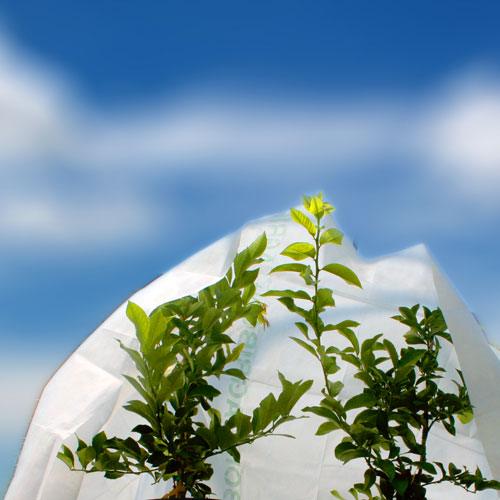
The frost-protection guide covers technique. Monitor inside temperature, anchor/ventilate and keep material from damaging tissue. Protection reduces exposure but does not guarantee blossoms, fruit set or harvest.
After frost, wait for injury to express before pruning broadly. Separate aphids, wind abrasion and disease. Follow every pesticide label and California requirement.
Scout the perennial transition
Inspect buds, blossoms, leaf undersides, trunk/cane bases, guards and mulch edges. Aphids may cluster on new tips; earwigs/slugs can use shelter; rodents can gnaw trunks; mites can emerge with heat. Frost, saturation and transplant stress can mimic pests.
Use repeat counts and a threshold. Preserve beneficials and functional habitat consistent with fire and water needs. Do not use a broad control from symptom alone, and do not assume a dormant-disease material belongs on every tree in spring.
Train, prune and maintain supports
The pruning guide covers cuts. Define the objective, crop stage and fruiting wood. Remove broken/confirmed disease material when guidance supports it; avoid automatic fertilizer or canopy removal.
Inspect stakes/ties for girdling and abrasion. Repair safe reusable components, but retire structures that cannot withstand load. Do not work in unsafe wind, heat, smoke or unstable soil.
Use root-zone cover for heat preparation
Cover can moderate soil exposure and reduce evaporation, but keep it from trunks/crowns, drains and emitters. In foothills, follow defensible-space rules. Monitor slugs/rodents and inspect wetting beneath cover.
Adjust deep winter or summer mulch to the current site rather than adding a new layer automatically. Cover must allow irrigation inspection, avoid continuous combustible placement near structures and remain stable in Delta wind. If imported material is used, record source, amount and reason.
Keep fertility conservative during establishment
Slow growth in cold or saturated soil is not proof of nutrient deficiency. Use soil test, crop need, rootstock/cultivar guidance and product label before feeding. Excess nitrogen can encourage tender growth or increase water demand before roots establish.
Compare new growth, leaf condition and root-zone function over time. Do not guarantee growth, blossom retention or yield from any fertilizer or amendment.
Respond to heat without abandoning the spring diagnosis
Before forecast heat, verify emitter flow, support, soil cover and trunk exposure. Do not saturate already wet clay. After the event, check overnight recovery and moisture at root depth before changing runtime.
If water or labor cannot support every new planting, prioritize young perennials and established high-value plants. Delay optional additions and keep unused soil covered. A smaller successfully established system is more regenerative than repeated replacement.
Two local examples
Valley young tree: Clay becomes workable and the irrigation zone passes. The tree is planted with trunk clear, support checked and first-heat trigger recorded. A low frost pocket still receives monitored blossom protection.
Lower-foothill berry: Slope soil is stable, but upper emitters underperform. Pressure is repaired before planting, canes are trained to wind-safe support and cover remains contour/fire compatible.
Choose plants and supports after site readiness
For a verified system, compare Berries & Vines, Plant Support, Fruit & Nut Trees or Frost Protection. Recheck inventory, shipping eligibility, cultivar fit and instructions.
Record perennial readiness for summer
Log cultivar/rootstock, site, planting depth, root-zone moisture, emitter output, support, cover, frost/heat, pests, training and next inspection. Higher survival probability and less infrastructure waste are intended outcomes, not guarantees.
Photograph labels, planting depth, guard clearance, tie points and the wetting pattern. Repeat after first heat, strong wind and a meaningful irrigation event. Include every deferred purchase, planting or pruning decision with the condition that will make it safe to reconsider. These records make it easier to compare plant response with the actual site, water and weather conditions instead of relying on memory.
Record actual establishment and any replacement, including the diagnosed cause, water used and labor required, before repeating the same choice next spring.
Use perennial records through the year
Carry your site and plant records into fall guidance, winter guidance, and summer guidance.
If another climate resembles your site, compare Bay-Area guidance, SoCal guidance, and Rockies guidance. Apply only advice that fits local soil, exposure, forecast, water and crop response.