Establish Southern California berries, vines, and their supports before heat only when the plant, root zone, irrigation, structure, and first-summer care all fit. A low-chill label, spring sale, or mild afternoon is not enough. Verify cultivar and rootstock, hardiness, chill model, heat tolerance, pollination, soil, drainage, water quality, mature size, support load, shipping condition, and local frost exposure.
Spring perennial planting succeeds when the plant can establish roots before heat and its irrigation, support, and first-summer care are already workable. Start with the Southern California spring establishment plan to assess the whole garden. Use the spring soil guide for test-based inputs, the spring irrigation guide for source-to-root readiness, and the spring IPM guide when symptoms need diagnosis.
Check whether the site is ready for a perennial
| Decision gate | Proceed when | Postpone when |
|---|---|---|
| Plant fit | Cultivar, rootstock, chill model, hardiness, heat, pollination, disease, mature size, and harvest objective fit the exact site | Fit depends on an unverified zone, chill number, or generic “Southern California” claim |
| Soil and drainage | Soil is workable and the root zone drains while retaining appropriate moisture | Soil smears, remains saturated, is frozen below the surface, or has unresolved salinity or contamination |
| Heat and frost runway | Roots can establish before likely heat and the plant can be protected from a site-specific cold event if needed | Severe heat, wind, frost, or a short mountain season makes establishment unlikely |
| Irrigation | The dedicated or compatible zone passes pressure, distribution, wetting-depth, and water-quality checks | The plant would share an incompatible zone or depend on an untested emitter |
| Support | Loads, anchors, utilities, access, materials, and training system are resolved | A temporary weak structure would create collapse, abrasion, or trip risk |
| Receiving and aftercare | Someone can inspect, plant or store as directed, monitor, and manage the first hot interval | Shipping, labor, storage, or first-summer care cannot be aligned |
Separate four perennial establishment tracks
Immediate coast and marine layer: Mild temperatures can lengthen the planting opportunity, but cool soil, limited heat, wind or salt exposure, leaf wetness, and low chill can affect fit. Do not assume a frost-light site satisfies every fruiting requirement.
Inland valleys and hot urban interiors: Rapid heat, reflected surfaces, dry air, salts, and high water demand narrow the establishment runway. Finish irrigation and root-zone protection before planting; choose heat and rootstock fit as carefully as chill.
Foothills and canyons: Slope, wind, runoff, cold-air drainage, wildlife, fire-weather access, and anchorage shape the planting decision. Do not install or plant on unstable soil or route irrigation toward an unsafe slope.
Mountains and frost pockets: Hardiness, late frost, snow or freeze-thaw, short seasons, and workable soil can be limiting. A plant may receive chill yet lose flowers or young growth to a late event; no cover guarantees protection.
Do not confuse chill, hardiness, and summer fit
Chill requirement describes dormancy response under a stated model; hardiness concerns cold tolerance under particular conditions; summer fit includes heat, sun, wind, water, disease, and harvest development. Values and models vary. Confirm cultivar and rootstock information with the supplier and current University of California Cooperative Extension or other authoritative local sources.
USDA hardiness zones summarize average annual extreme minimum temperature. They do not predict a particular frost, bloom injury, chill accumulation, heat tolerance, or a planting date. “Low chill” does not make a berry, vine, or tree suitable for every warm coast or inland freeze.
Receive and plant without exposing roots
Open live-plant shipments promptly in a protected place. Check identity, roots, crown or graft, stems, buds, moisture, breakage, pests, and premature growth. Photograph material problems and follow current seller instructions. Protect roots from sun, wind, heat, drying, freezing, and prolonged submersion.
Use the bare-root tree care guide to receive, plant, and care for a new tree through its first year. Plant only in workable soil, set crown or graft depth according to the plant, spread roots without severe bending, and avoid a heavily amended pocket unless a soil-specific recommendation supports it.
Build the support before growth becomes a load
Choose a training system from the species, cultivar, bearing habit, mature weight, wind, access, pruning and harvest needs. Locate utilities before driving anchors or posts. Keep structures clear of paths, doors, lines, irrigation, and defensible-space requirements. Inspect reused material for rot, corrosion, ultraviolet damage, sharp edges, and contaminated residues.
Ties should guide rather than girdle, and the structure should allow inspection and replacement. The Plant Support collection is a comparison pathway after the load and geometry are known. Compare material life, repairability, dimensions, attachment, crop contact, wind exposure, reuse, and disposal.
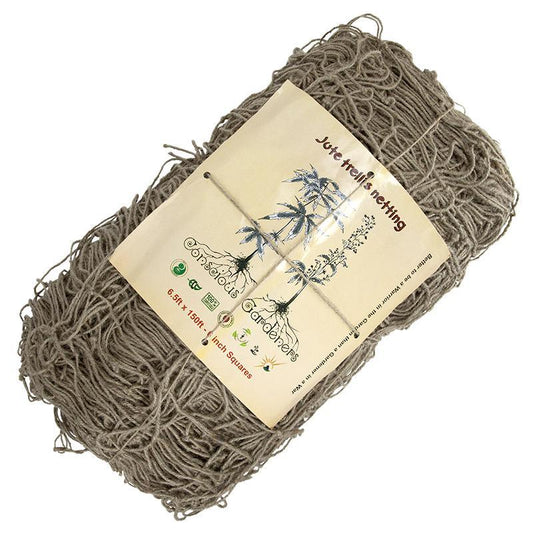
Specific option to evaluate: For Southern California seasonal vines that fit this support format, the Jute Trellis Netting (6½' × 150') provides approximately 6-inch openings that can separate and guide growth for airflow, harvest access, and easier inspection. Choose it only when the crop's climbing habit, mature weight, opening size, post spacing, wind exposure, and access paths fit a natural-fiber net. Install and tension it on adequately anchored supports before stems tangle, keep it clear of paths and irrigation service points, and guide growth without girdling stems. Inspect sagging, fraying, anchor movement, stem abrasion, trapped debris, wildlife-entanglement risk, and crop load after wind or as fruit develops. The current product record does not provide a numeric load rating, so do not treat it as a structural solution for heavy woody vines or unsupported spans. Natural fiber can weather; plan removal and end-of-life handling for local conditions.
Protect the root zone without creating a collar problem
Apply suitable surface cover after soil settles, keeping it away from crowns, trunks, and graft unions. Cover can reduce exposed soil, moderate surface heat, and lower avoidable evaporation, but it can hide emitters, rodents, snails, girdling, or persistent moisture. Inspect beneath it and follow current fire-safe placement guidance.
Check root-zone moisture rather than a fixed schedule. New plants begin with a limited root system; expand the wetted area as roots grow. Sandy soil, clay, decomposed granite, slopes, containers, hot walls, and marine exposure require different observation. Do not fertilize automatically at planting; use soil or tissue information, crop need, plant condition, water quality, and label.
Use selective pruning and sanitation
Remove broken, dead, dangerous, or confirmed diseased material when identification and timing are clear. Structural and fruiting cuts depend on species, age, bearing habit, training system, disease risk, and growth stage. Use the fruit-tree pruning guide for crop-specific cuts and the cane-berry guide for planting and training raspberries or blackberries.
Clean tools when transmission risk and the recommended protocol warrant it. Avoid removing productive or protective growth merely because spring has arrived. Targeted sanitation preserves soil cover and habitat while reducing unnecessary green waste; it does not guarantee pest or disease prevention.
Prepare for the first inland heat event
Before heat, verify that emitters remain in place, the wetted zone reaches current roots, ties have room, mulch is correctly placed, and wind or sun exposure is understood. A temporary shade material may reduce exposure only when it is correctly sized, securely supported, ventilated, monitored, and removed. Plastic and fabric have storage, reuse, and disposal costs.
Do not respond to wilt by watering automatically. Check root-zone moisture, drainage, transplant condition, salts, heat, wind, pests, and disease. Watering a saturated or root-damaged plant can make the problem worse.
Use a support maintenance table
| Observation | Risk | Corrective decision |
|---|---|---|
| Tie presses into enlarging stem | Girdling, abrasion, or trapped moisture | Loosen or replace with a plant-appropriate tie and inspect attachment points |
| Post moves under hand pressure or wind | Collapse, root damage, or injury | Unload safely and redesign anchorage for soil and mature load; seek qualified help when needed |
| Wire, netting, or edge is sharp or broken | Cuts to plants or people and wildlife entanglement | Remove access, repair or replace the damaged section, and manage discarded material |
| Vine mass blocks inspection or airflow | Hidden pests, disease, broken ties, and difficult harvest | Train selectively using species and bearing-habit guidance rather than shearing automatically |
| Support conflicts with irrigation or path | Dry roots, leaks, trips, and maintenance failure | Reroute only after utilities, water distribution, loads, and access are resolved |
Maintenance that preserves safe, repairable supports can extend material life and reduce waste. That outcome depends on inspection and compatible components; a biodegradable or natural material is not automatically durable, safe, or lower-impact in every application.
Define first-summer establishment success
Success is more than survival at planting. Record whether the plant remains firmly set without constriction, new growth is distributed appropriately, the crown and graft stay clear, roots receive water across an expanding area, and support still carries the intended load. Inspect after the first warm interval, wind event, irrigation adjustment, and strong growth flush.
Uneven growth may reflect root loss, planting depth, irrigation, salts, frost, heat, pests, disease, or normal cultivar behavior. Investigate before fertilizing or pruning. Fruit removal can sometimes support establishment, but the decision depends on species, plant size, crop load, condition, and authoritative guidance. No pruning, fertilizer, shade, or irrigation practice guarantees survival or harvest.
Turn over annual space beside perennials carefully
Protect perennial roots and irrigation when removing nearby cool-season crops or terminating cover. Avoid tilling through expanding roots, changing grade around crowns, or creating a bare hot strip. Replace annual roots with the next crop or suitable surface cover when conditions permit. Keep sanitation targeted so healthy residues and beneficial habitat are not removed without purpose.
Use a spring perennial planting checklist
- Map the exact coast, inland, canyon, foothill, mountain, or frost-pocket site.
- Verify cultivar, rootstock, chill model, hardiness, heat, pollination, mature size, and harvest goal.
- Check soil, drainage, salinity, water, slope safety, utilities, and legal restrictions.
- Confirm current shipping eligibility, live availability, receiving date, and aftercare labor.
- Pressure-test the irrigation zone and plan for root-zone expansion.
- Design and inspect support loads, anchors, ties, access, and materials.
- Receive and inspect plants promptly; keep roots protected according to instructions.
- Plant only during a safe workable interval and keep crown or graft placement correct.
- Apply appropriate root-zone cover and install only justified guards or protection.
- Record growth, moisture, heat, frost, supports, pests, and the next event-triggered check.
Choose live plants only after the site passes the checks
After the site passes the checks, compare Berries & Vines or Fruit & Nut Trees by cultivar, rootstock, chill, hardiness, heat, pollination, mature size, soil, water, disease notes, shipping window, and destination eligibility. Before ordering, confirm the individual plant’s current availability, restrictions, shipping conditions, and guarantee terms.
Southern California perennial establishment succeeds when the plant fits both winter and summer, support is ready before the load, roots receive measured water without saturation, and infrastructure can be repaired rather than discarded. Recheck every assumption when the first strong growth flush begins. When those conditions do not align, postponing or choosing a different plant is the productive decision.
Care for perennials through the year
Use the fall perennial and infrastructure guide to prepare citrus, avocados, and berries for winter, the winter bare-root guide to select and plant during dormancy, and the late-summer guide to prepare perennial areas for the next fall garden.
Gardens near a regional transition may also benefit from Bay Area spring perennial guidance, Southwest shade and support guidance, or Sacramento–Sierra berry and young-tree guidance. Use only advice that matches your plant, soil, exposure, forecast, and water.