Start the Bay Area fall garden when the next crop’s propagation and establishment needs overlap the remaining useful life of summer crops—not on one regional date. Selective shade may help inland seedlings or heat-stressed perennials, while a fog-coast bed may need more light and airflow rather than shade. Harvest or remove declining crops, protect the opened soil, repair supports, and reserve irrigation capacity before the transition accelerates.
Decide which crops to keep or remove, protect perennial roots and structure, harvest and sanitize selectively, start fall propagation in a controlled zone, prepare beds only when soil is workable, and keep soil covered. Coordinate these tasks with the water-wise Bay Area summer plan so shade, infrastructure, harvest turnover, and fall starts fit the garden's heat and water conditions.
Use a crop and perennial readiness table
| Decision | Conditions support the action | Wait, protect, or stop |
|---|---|---|
| Keep a summer crop | It is healthy, still producing or likely to finish, and its water use fits the budget | It is declining, cannot finish in local conditions, or has become a consequential pest or disease reservoir |
| Apply temporary shade | Heat or exposure is the identified stress, cloth can be ventilated and secured, and lower light will not compromise the crop | Fog, low light, disease, unsafe wind, or a pest problem—not solar load—is controlling the symptoms |
| Prune a perennial | Broken, hazardous, or confirmed diseased material needs selective removal, or a crop-specific training cut is timely | Heavy pruning would expose trunks or fruit to sun, remove needed leaf area, or is based only on a calendar |
| Start fall propagation | Seed temperature, light, water, airflow, and hardening space fit the crop and expected transplant window | Media will overheat, irrigation is unreliable, or the main bed will not open in time |
| Prepare a bed | Soil is workable, the next crop is selected, test-based amendments are known, and irrigation reaches the new root zone | Clay smears, subsoil is wet, heat or smoke makes work unsafe, or the bed will remain bare |
| Retain cover or residue | Material protects soil, permits inspection, and does not conflict with crop crowns or fire-safety rules | It harbors rodents, slugs, snails, mature weed seed, or consequential disease |
USDA hardiness zones describe average annual extreme minimum temperatures; they do not give a fall planting date or guarantee frost protection. In low pockets, compare realistic establishment and maturity with the site’s own cold-air pattern. On the coast, limited heat or light may be the next constraint instead.
Adjust the transition for each Bay Area segment
Coastal fog belt
Cool summers can support a continued lettuce, greens, herb, or other condition-fit succession, but long leaf wetness increases the value of airflow and selective sanitation. Shade may be unnecessary or harmful if it further reduces light. Inspect slugs, snails, and foliar disease before carrying dense residue into the next crop. Wind-harden seedlings and monitor small containers; fog does not guarantee root-zone moisture.
Bayside flats and heavy soils
Do not turn a bed by digging wet clay. Harvest above ground, keep traffic on paths, protect the surface, and wait for workability. A dry crust can hide wet subsoil. Use the summer soil decision table before adding compost or cultivating, and keep propagation in a separately manageable zone until the main bed is ready.
Warmer inland valleys
Fall propagation may need temporary shade, dependable small-zone irrigation, and ventilation while summer crops still occupy beds. Harvest and remove failing annuals before they consume water without a realistic return. Protect perennial roots and trunks from sudden exposure, but avoid heavy pruning during acute heat unless safety or disease requires it. Inspect plants for overnight recovery.
Exposed hills and frost pockets
Secure cloth and supports for wind, route irrigation without runoff, and keep erosion-prone soil covered. In frost pockets, count the next crop’s establishment and maturity from local conditions; keep a backup rather than depending on a cover to guarantee protection. Repair structures while access is clear and before wind or rain loads increase.
Complete the summer turnover checklist
- Inventory the working garden. Mark productive crops, declining crops, perennials, open beds, propagation space, water zones, supports, and pest or disease locations.
- Set keep, trial, and remove thresholds. Keep a crop that retains function; trial a small fall sowing when conditions are marginal; remove a plant when water, health, or seasonal time no longer supports it.
- Harvest before disturbance. Collect usable produce, remove fallen or overripe material that feeds pests, and keep food-safety decisions tied to current institutional guidance after smoke or unusual contamination.
- Sanitize selectively. Remove confirmed diseased tissue and mature weed seed where appropriate. Retain clean residue or habitat where it protects soil and does not conceal a consequential problem.
- Protect perennials. Check root-zone moisture, mulch clearance, ties, trellises, trunk exposure, fruit load, and broken structure. The bare-root and young-tree guide provides establishment detail.
- Repair and reuse support. Replace constricting ties, smooth sharp edges, tension wire safely, and remove degraded plastic. Keep reusable components labeled and dry for the next crop.
- Start fall crops by trigger. Match germination and maturity needs to the propagation zone and expected transplant conditions. Use the Bay Area crop matrix, not a universal date.
- Reassign irrigation. Cap or move emitters from removed plants and create a small, observable zone for propagation or new transplants. Follow the summer drip-zoning audit.
- Leave no avoidable bare soil. Choose a next crop, short cover, clean residue, or appropriate mulch according to water, timing, pest history, and fire-safety limits.
- Prepare for first rain. Clear blocked drainage and protect infiltration before a credible soaking-rain pattern, but check root-zone moisture rather than ending irrigation from one event.
Use shade as a temporary tool
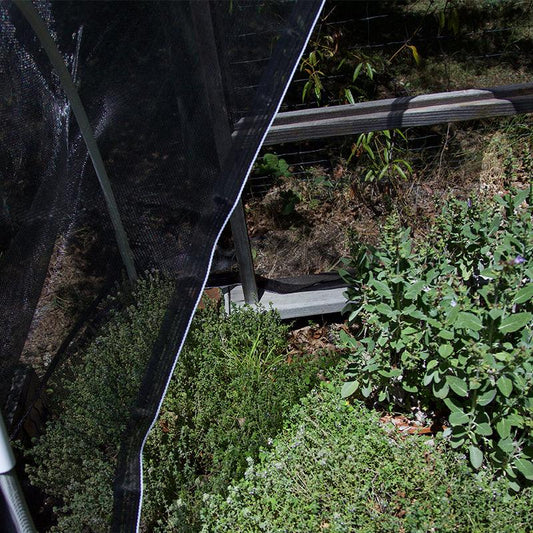
Shade cloth should solve a defined heat, light, or establishment problem. Select the percentage and dimensions for the crop, anchor it for expected wind, keep it above foliage with adequate airflow, and set a removal trigger. Too much or prolonged shade can slow growth, keep foliage wet, and reduce fall establishment. A poorly ventilated enclosure can trap heat.
Inspect shade after wind and as the sun angle changes. Reuse sound material and plan for end-of-life disposal. A product is not automatically regenerative because it reduces one heat event; material life, airflow, plant response, and the water used by the protected planting are part of the outcome. No shade system guarantees survival.
Prune and support without creating summer injury
Remove broken or hazardous material promptly and use disease-specific sanitation when confirmed. Avoid indiscriminate canopy thinning that suddenly exposes trunks, branches, or fruit. Use the established fruit-tree pruning guide to match cuts to the crop and training system.
Supports should carry the mature plant and crop load, permit inspection and harvest, and avoid constricting stems. Check stakes, wires, netting, and ties before transferring them to fall crops. Loose netting can entangle wildlife, and sun-degraded plastic can fragment. Structural maintenance extends useful life only when components remain safe.
Protect soil and beneficial habitat during turnover
Turnover often removes a large canopy just as soil is hottest. Stage the work so clean residue, mulch, a transplant, or an appropriate cover follows. Keep crowns and trunks visible, maintain inspection paths, and respect local defensible-space rules. Habitat can support predators but also rodents, slugs, and snails; pair it with the summer IPM diagnostic.
Do not fertilize simply because a bed is open. Review crop requirements and representative tests. Organic inputs can add salts, phosphorus, or excess nutrients. Protecting soil between crops and avoiding unnecessary applications can be more regenerative than rebuilding the bed with imported material every season.
Choose products after checking the site and task
When support requirements are defined, compare the verified Plant Support collection by mature load, crop system, wind exposure, repairability, and wildlife safety. For a documented heat or propagation need, review Sun Shade Cloths by shade percentage, airflow, anchoring, reuse, and removal trigger. For a justified cut, use Pruning & Cutting Tools to match tool capacity and maintenance to the material.
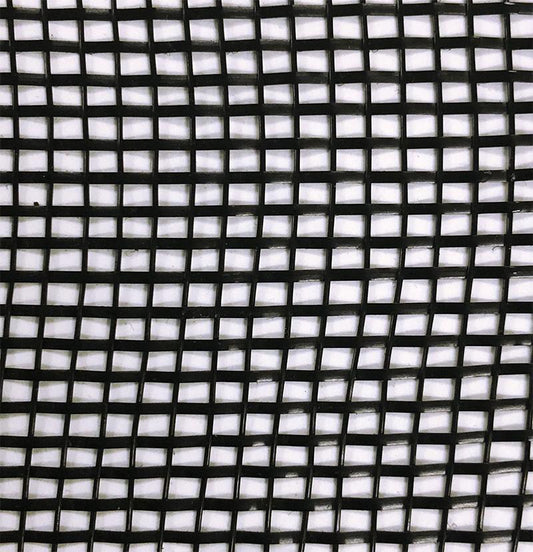
Specific option to evaluate: For Bay Area shade infrastructure, the 47% Black Woven Shade Cloth (72" wide, sold by the foot) is appropriate only after the shade percentage, span, wind exposure, and removal plan are defined. Its function is to reduce incoming solar radiation; it can also reduce photosynthesis or airflow if placed too densely or too close to foliage. Size the order for the 72-inch fabric width and required length, support it above the canopy where practical, tension it on a structure that can carry the wind load, and keep irrigation and harvest access open. Inspect anchors, abrasion, sagging, canopy temperature, root-zone moisture, and crop response after heat or wind events. Shade cloth is not a substitute for adequate water delivery, and it should be removed, cleaned, stored, reused, or retired when conditions or material integrity no longer justify it.
Recheck Online Store status and inventory before purchase. Wear appropriate protection, follow tool instructions, and do not make a cut beyond your experience or safe access. Choose shade cloth only when its verified density, dimensions, airflow, anchoring, and removal plan fit the measured exposure.
Record the transition to fall
Label each propagation batch with crop, cultivar, sowing condition, expected maturity, and the bed or backup site. Record shade, irrigation, germination, thinning, hardening, pest pressure, and the weather trigger that will allow transplanting. This makes a stalled batch diagnosable and prevents a broad “Bay Area” date from replacing evidence.
For every opened bed, note the outgoing plant family, important pest or disease findings, soil moisture and workability, irrigation changes, and the chosen cover. For perennials, record pruned or damaged wood, support repairs, root-zone condition, and any area newly exposed to sun. Photograph permanent support and emitter layouts before fall growth hides them.
Set a review point by condition: after the next heat event, when seedlings reach the crop’s transplant stage, when clay becomes workable, or after the first meaningful rain. If a fall crop cannot establish safely at that point, keep the backup, preserve soil cover, and revise the bed assignment. A delayed transition is preferable to sacrificing both the summer crop and the fall start.
What a fall-ready garden looks like
The garden is ready for fall when productive summer crops have a rational end point, declining crops are removed without overcleaning, perennial roots and structure are protected, fall propagation has workable heat and water, and opened soil is covered. Coastal gardens may need airflow more than shade; bayside clay needs patience; inland gardens need protected establishment; hills and low pockets need wind and temperature planning.
Perennial cover, selective sanitation, maintained supports, and staged turnover can improve survival odds, protect soil, and reduce infrastructure waste, but they do not guarantee results. Carry observations into the Bay Area fall garden plan and let the first soaking rain, soil workability, and crop establishment—not the calendar alone—set the next sequence.
Carry turnover records into fall, winter, and spring
Use planting, support, and soil-cover records to prepare for fall, winter, and spring.
For shade, harvest turnover, and fall starts, compare Southern California, Sacramento–Sierra, and Oregon. Apply only the shade, support, sanitation, and planting advice that fits your light, heat, wind, soil, water, crop, and fire-safety conditions.