Prepare Bay Area perennials and slopes for fall by stabilizing soil and water routes first, correcting active plant stress second, and postponing planting or pruning when heat, saturation, wind, frost, or instability makes the work unsafe. The dry-to-wet transition is not one date: a coastal perennial bed, bayside clay orchard, inland berry row, exposed hill, and frost pocket can reach their workable window at different times.
Use the Bay Area fall garden plan to coordinate perennial root zones, orchard and berry inspections, erosion prevention, selective sanitation, structures, and tools with the rest of the garden. Confirm cultivar-specific hardiness, chill, dormancy, planting, and pruning requirements before acting.
Diagnose the dry-to-wet transition
Walk the site before the first major storm. Check root-zone moisture, irrigation delivery, soil workability, mulch position, trunk and crown condition, stakes and ties, trellises, drainage paths, bare soil, slope rills, rodent signs, and access. Record each perennial by crop or species, variety if known, age, exposure, and management zone. A young tree on an inland slope and a mature berry in coastal fog should not receive the same fall operation merely because both are perennial.
Look for stress that changes the order of work. Wilting with dry soil, a blocked emitter, a girdling tie, broken support, exposed roots, trunk injury, saturated soil, or active disease is more urgent than cosmetic pruning. Declining daylight and cooler nights may slow demand, but a warm inland spell can keep roots using water. Verify moisture below the surface before reducing irrigation.
Review the forecast for heat, dry wind, smoke, atmospheric rivers, and site-specific frost. USDA hardiness zones describe average annual extreme minimum temperature; they do not predict a particular frost or establish whether a cultivar has received suitable chill. Use the current variety guidance and local observations, and qualify any planting or protection decision accordingly.
Perennial go/no-go decision table
| Proposed operation | Go when | No-go or delay when | Safer interim action |
|---|---|---|---|
| Plant or move a perennial | The plant is seasonally appropriate, the site fits its mature size and requirements, soil is workable, and establishment water is available | Clay is saturated, heat or frost risk is unsuitable, drainage is unresolved, or cultivar hardiness and chill fit are unknown | Hold and care for the plant according to current supplier guidance while preparing the site |
| Prune | The species, growth stage, objective, disease risk, and weather align with an established pruning recommendation | The cut is only calendar-driven, the plant is heat- or drought-stressed, wet weather raises disease concerns, or the gardener cannot make a safe cut | Remove only clearly broken or hazardous material if safe, and schedule structural pruning for the correct window |
| Add mulch or root-zone cover | Soil moisture and drainage are known, material is suitable, and placement avoids trunks, crowns, rodents, and fire conflicts | The soil is waterlogged, the material could block drainage, or defensible-space rules prohibit the placement | Protect the most erosion-prone bare soil with a compliant temporary method |
| Work on a slope | Ground is stable and safely accessible, soil is workable, and the action slows rather than concentrates runoff | Rain is imminent, soil is slipping, a wall or grade is failing, or water would be redirected toward structures or neighbors | Keep people off, photograph the problem, maintain safe drainage access, and obtain qualified assessment |
| Fertilize | A soil or tissue test, crop stage, history, and label support a defined need | The symptom could come from waterlogging, drought, salinity, disease, or root damage, or tender growth would face a hazard | Correct water and root-zone conditions and diagnose before adding nutrients |
Change the work by Bay Area subregion
Coastal fog belt
Prioritize airflow, drainage, and disease-aware sanitation. Cool foggy conditions can keep foliage and surface cover damp while deeper sandy soil still dries. Probe the root zone before watering. Avoid dense mulch against crowns and trunks, and do not prune simply to “open” every plant; species, timing, and disease biology determine whether a cut helps or creates an infection point.
Bayside clay and urban fill
Protect soil structure. If a sample smears, ribbons, or keeps a footprint, keep workers and equipment on established paths. Check for ponding around trunks and crowns after rain. Do not solve poor drainage by planting deeper or piling amendments in the hole. The Bay Area first-rain audit explains how to separate irrigation from drainage problems.
Warmer inland valleys
Heat and dry wind may remain the leading hazard even as nights cool. Continue condition-based irrigation for young trees, berries, vines, and other establishing perennials. Delay transplanting or major pruning during severe heat, and avoid automatic fertilizer that encourages tender growth. Inspect shade, trunk protection, and ties for damage, but remove temporary materials only when exposure and forecast allow.
Exposed hills and frost pockets
Stabilize bare soil, secure irrigation and trellises, and map water routes before storms. A ridge may be windy but relatively mild while cold air settles in a protected-looking low area. Use thermometers in the actual zones and follow local forecasts. Covers may reduce frost exposure when correctly secured and ventilated, but no cover guarantees protection.
Sequence perennial and slope work
1. Stabilize water and soil
Clear safe minor drain obstructions, repair leaks, secure lines, retain healthy roots, and protect bare soil. On slopes, avoid fresh deep cultivation before rain. Suitable cover crops, residue, or mulch can reduce surface sealing and erosion, but living cover needs establishment water and a termination plan. Significant erosion, concentrated runoff, unstable soil, or structural drainage belongs with a qualified professional. Grow Organic's verified erosion-control guide can supply technique context for nonstructural garden situations.
2. Inspect orchard, berry, and vine systems
Check trunks, canes, graft unions, root crowns, stakes, ties, guards, trellises, irrigation, and harvest residue. Remove girdling labels and adjust supports without creating rubbing or dependence. Pick up fallen fruit where it sustains a known pest or disease cycle. Keep healthy habitat where it supports natural enemies and does not conflict with rodents, fire safety, or access.
For new dormant material, verify cultivar hardiness, chill requirements, pollination needs, mature size, soil and drainage fit, regional eligibility, and current shipping window. The bare-root tree care guide covers receiving, planting, and first-year technique. None of those traits guarantees performance at a particular Bay Area address.
3. Prune selectively, not ceremonially
Remove confirmed diseased material according to crop-specific sanitation guidance and address broken, crossing, or hazardous growth only when the timing is suitable and the gardener can work safely. Different fruit trees, berries, vines, ornamentals, and perennial vegetables have different pruning windows and responses. Use Grow Organic's fruit-tree pruning guide for cut and training-system details rather than applying one fall rule to every perennial.
4. Protect root zones without hiding problems
Maintain suitable cover over soil while keeping mulch away from trunks and sensitive crowns. Inspect beneath cover for saturation, rodents, slugs, and irrigation distribution. Match imported material to soil tests, crop needs, salinity, and local fire rules. Root-zone cover can moderate evaporation and surface impact; it cannot correct a buried crown, girdling root, or failed drain.
5. Extend the life of structures and tools
Clean soil and plant residue from tools, dry them, inspect fasteners and handles, sharpen or service cutting edges as the manufacturer directs, and store equipment under cover. Clean pruning tools between plants when the disease situation warrants it. Repair trellises, guards, stakes, irrigation, and reusable season-extension materials before wind or rain exposes the weakness. Replace only parts that cannot be safely repaired, and separate reusable material from waste.
Plan for the weather reversal
Delayed rain: Continue to irrigate establishing perennials and living cover from measured root-zone need. Do not let a short shower end the dry-season plan. Heavy first storms: stop traffic and soil work, observe drainage from a safe location, and inspect slopes only after conditions stabilize. Lingering heat or smoke: delay transplanting and strenuous work, protect plants without trapping heat, and follow local health guidance. Early local frost: prioritize sensitive containers and young plants in the actual cold pocket, secure covers, and ventilate when temperatures rise.
Biological pressure also changes with moisture. Scout root-zone cover for slugs and snails and inspect perennials for aphids, whiteflies, mites, rodents, and foliar disease. Remove confirmed disease or pest reservoirs selectively rather than performing bare-soil cleanup. If treatment is justified, identify the target, follow the full pesticide label and California registration, and protect beneficial and nontarget organisms.
The regenerative value comes from keeping roots and soil protected, maintaining infrastructure instead of replacing it, and timing disturbance so the system can recover. Those actions may increase perennial survival probability, reduce erosion exposure, and lower material waste, but weather, starting condition, cultivar, and execution determine the result. Imported mulch, irrigation, plastic protection, and replacement plants all carry resource costs; use them where the diagnosed benefit justifies those costs.
Bay Area fall operations checklist
- Map perennials, management zones, slopes, drainage, irrigation, frost pockets, and access routes.
- Probe root-zone moisture and check soil workability before digging, planting, or changing irrigation.
- Correct leaks, clogged emitters, girdling ties, unstable stakes, broken trellises, and unsafe access.
- Protect bare ground before major rain without concentrating runoff or violating fire guidance.
- Inspect trunks, crowns, grafts, roots, canes, fruit, and foliage for injury, disease, and pests.
- Confirm variety hardiness, chill, pollination, mature size, drainage, and shipping fit before ordering.
- Prune only for a defined crop-specific objective in a suitable weather and disease window.
- Clean, sharpen, lubricate, repair, and store tools according to manufacturer guidance.
- Secure and inventory covers, guards, stakes, ties, filters, fittings, and other reusable materials.
- Recheck after the first soaking rain for ponding, erosion, exposed roots, shifted mulch, and support failure.
Choose materials after the go/no-go decision
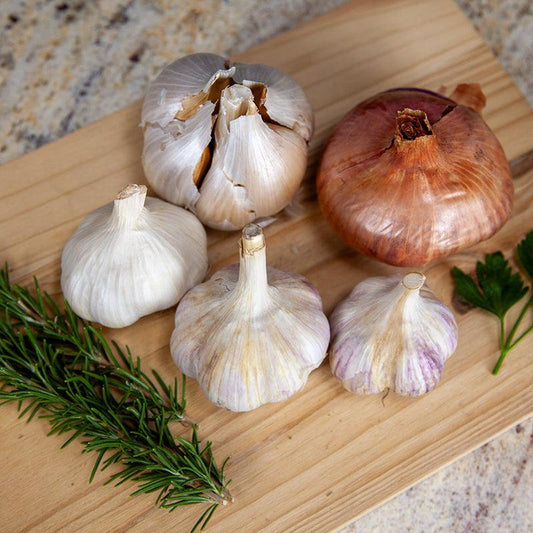
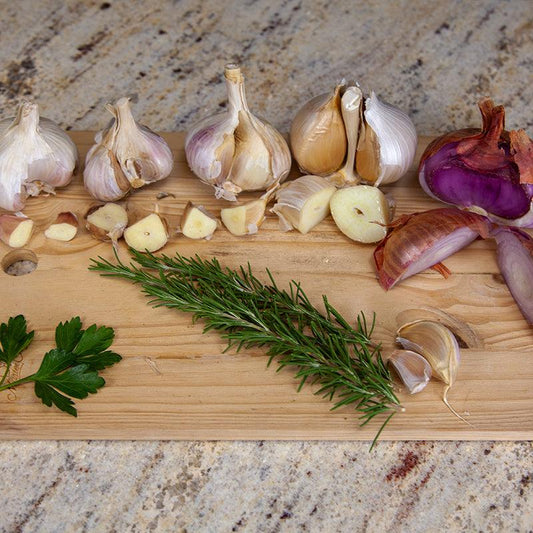
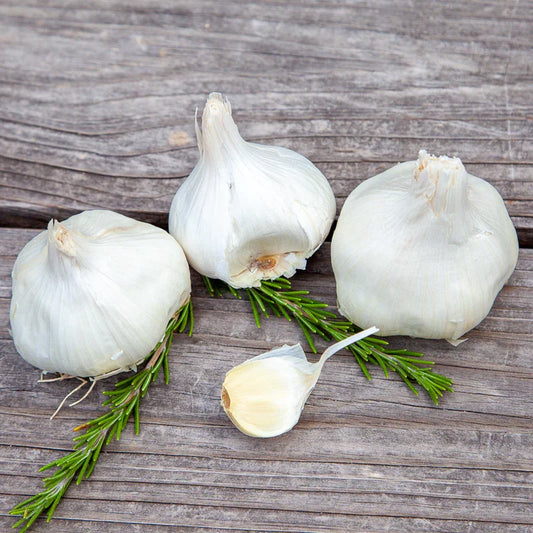
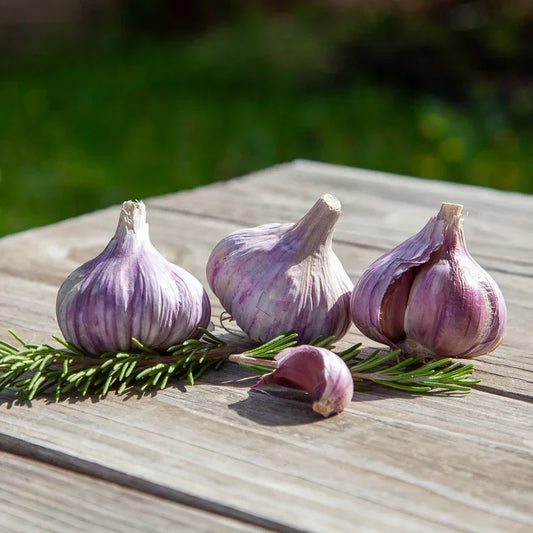
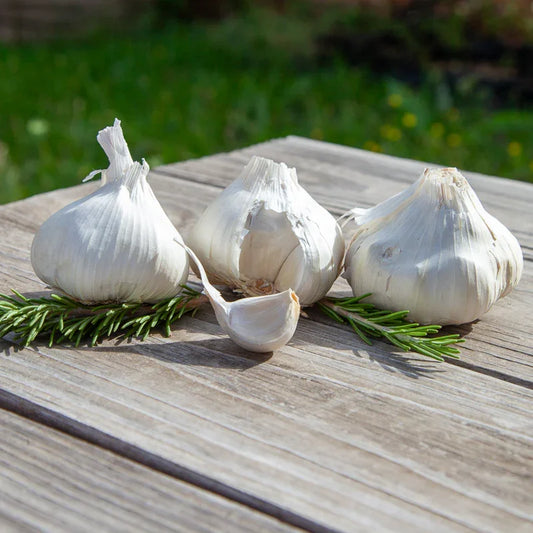
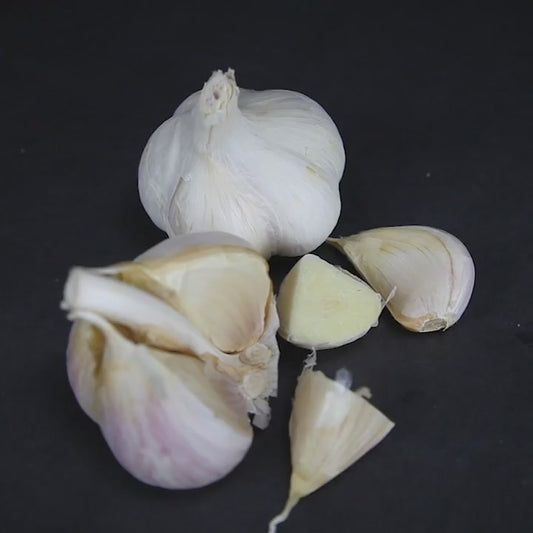
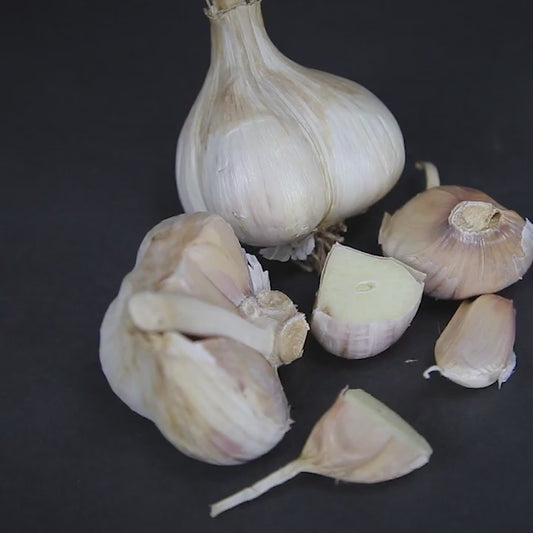
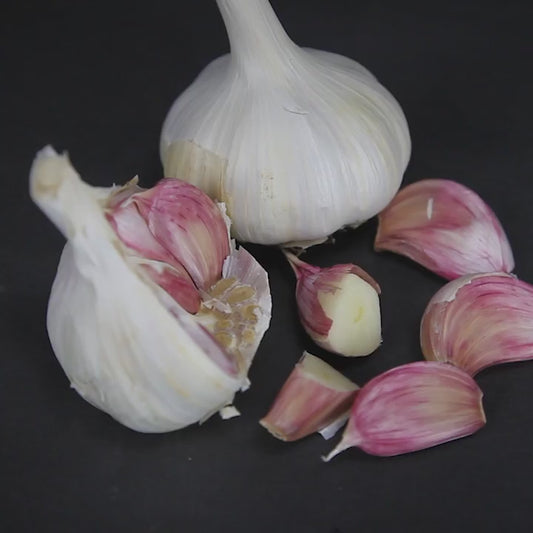
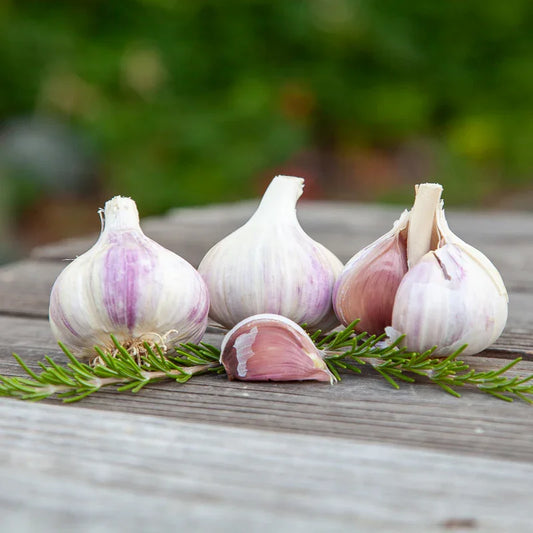
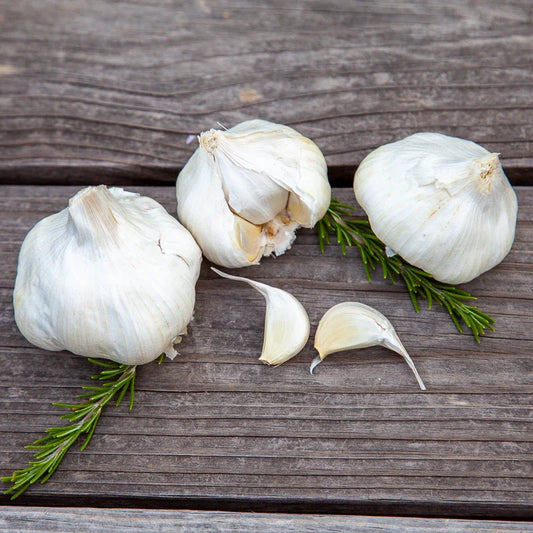
If an open bed or nonstructural slope has a workable living-cover window, compare Year Round Cover Crop Mixes by species, water need, height, seasonal fit, and termination plan. If a prepared, well-drained bed in the crop rotation is ready for an appropriate variety, review Seed Garlic. For a defined pruning or repair task, compare Pruning & Cutting Tools by cut capacity, ergonomics, replaceable parts, and maintenance requirements.
Recheck current inventory, shipping eligibility, cultivar requirements, and instructions before purchase. The best fall operation may be waiting for clay to drain, continuing irrigation through an inland heat spell, stabilizing one runoff path, or repairing a tie—not planting, pruning, or buying on a calendar.
Continue the Bay Area fall series
Return to the complete Bay Area fall garden plan, then coordinate perennial work with soil and living-cover decisions, cool-season crop sequencing, rainfall and irrigation, and fall IPM and beneficial habitat. Together, they protect soil, plants, and infrastructure through the dry-to-wet transition.
Continue the regional cycle
Continue planning for this region with winter guidance, spring guidance, and summer guidance.
Compare this season’s assumptions with Southern California guidance, Sacramento–Sierra guidance, and Oregon guidance. Transfer only reasoning that fits local soil, exposure, forecast, water and crop response.