Do Pear Trees Need a Pollinator? Cross-Pollination Guide

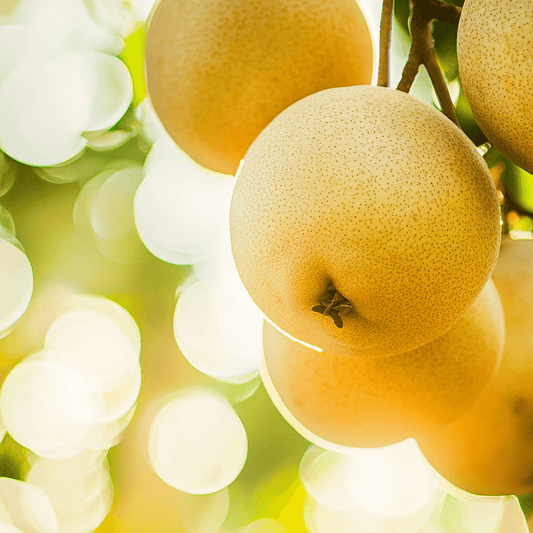
Unripe Pears on Tree

Do Pear Trees Need a Pollinator? European vs Asian Pears Explained

Growing pear trees is rewarding, but great harvests don’t happen by accident. Understanding how pear trees grow and develop fruit is essential for gardeners who want consistent results. One of the biggest factors behind healthy yields is proper pear tree pollination. Many gardeners ask, do pear trees need a pollinator, or can one tree handle the job alone? The truth is that most pear trees require cross pollination to reach their full potential, and varieties like Kieffer benefit from proper Kieffer pear pollination to maximize fruit set.

A helpful tool for planning is a pear tree pollination chart, which shows which varieties bloom at the same time and are compatible as pollination partners. This can be particularly useful if you’re pairing pears with other fruit trees or even considering planting alongside apple varieties, since similar bloom times can support local pollinators.

This guide breaks down pollination of pear trees in plain language. You’ll learn which varieties pair well, how close trees need to be, and how to plan for successful pollination and better fruit production.

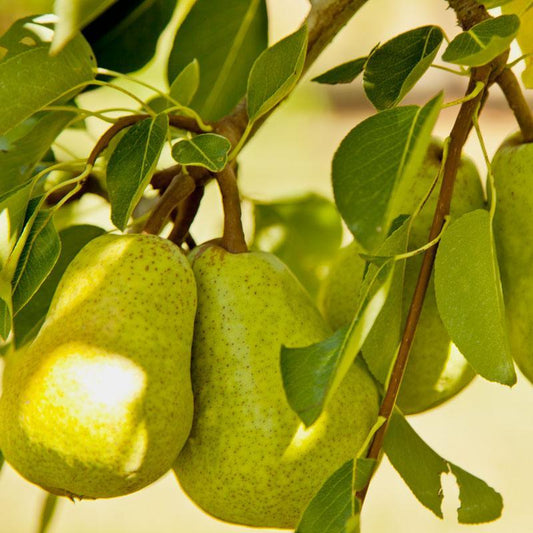
Pear hanging from a tree

Understanding Pear Tree Pollination

Does a Pear Tree Need a Pollinator?

A common question is does pear tree need pollinator support to set fruit. Most pear trees are partially self fertile, meaning they may produce some fruit on their own. However, yields are usually small and uneven.

For consistent fruit set, most pear trees require a second compatible variety nearby. This process is called cross pollinating pear trees, and it dramatically improves results.

How Pear Pollination Works

In early spring, pear trees open clusters of white flowers from tight flower buds. Bees move pollen between flowers, leading to fertilization and fruit growth. Without enough pollen transfer, blossoms fall without setting fruit.

Good pear pollination depends on:

  • Two compatible pear varieties
  • Trees that bloom at the same time
  • Active pollinators like bees
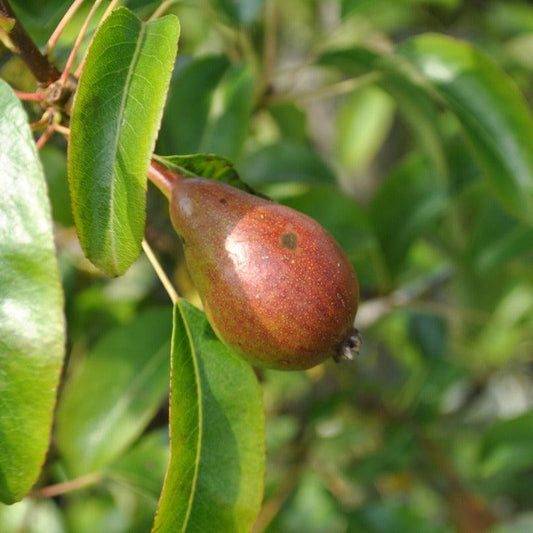
Pears Growing on Trees

European vs. Asian Pear Pollination

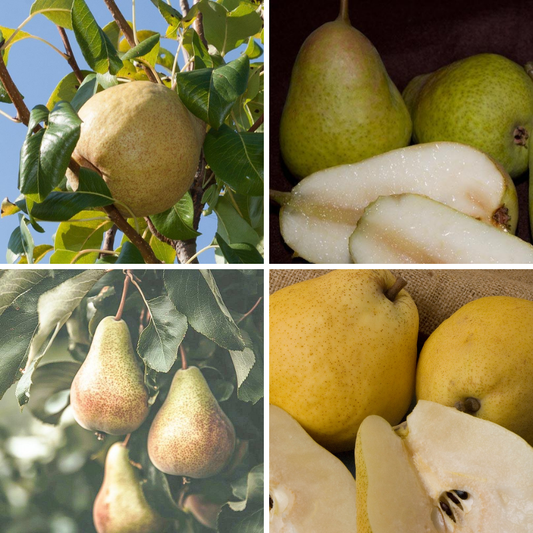
Pear trees fall into two main groups: European pear (Pyrus communis) and Asian pear (Pyrus pyrifolia). Pollination rules are slightly different for each.

European Pear Pollination Chart Basics

Most European pears need another European pear as a partner. A basic European pear pollination chart shows that Bartlett, Bosc, D’Anjou, Comice, Seckel, and Kieffer all pollinate well with each other if bloom times overlap.

Examples that work well together:

This is why bartlett pear pollination is often used as a reference point. Bartlett is a strong pollen producer and a reliable pollinator for bartlett pear partners.

Asian Pear Pollination Chart Basics

Asian pears usually pollinate best with other Asian pears. A simple Asian pear pollination chart shows good compatibility between:

Gardeners often ask, can Asian pears pollinate European pears? In most cases, no. Bloom timing and pollen compatibility usually don’t line up well enough for reliable fruit production.

Pear fruits hanging on tree

How Close Do Pear Trees Need to Be?

Another common question is how close do pear trees need to be to pollinate. Ideally, trees should be planted within 50 to 100 feet of each other. Closer is even better, especially in small gardens where bee traffic may be limited.

When planting trees, make sure they also have:

  • Draining soil to protect the root system
  • Full sun for strong flowering
  • Enough airflow to reduce disease

Before planting, it’s smart to check your growing zone to choose varieties that thrive in your climate.

Multi-Grafted Trees: Built-In Pollination

If space is limited, multi-grafted trees solve many pollination problems. These trees include several pear varieties on one trunk, allowing cross pollination pear trees without planting multiples.

Good options include:

They’re ideal for gardeners who want reliable fruit production in a small space.

You can explore compatible options in our pear tree collection.

Bee on pear flower

Pollinators and Garden Health

Pollinators for Pear Trees

Bees are the primary pollinators for pear trees. Pear blossoms open early, often before many plants flower, making them valuable food sources for bees. Pear trees also support wildlife much like apples pears orchards do, attracting birds and beneficial insects.

Unlike sweet cherries, pears are less attractive to pests when properly maintained.

Conclusion: Planning for Better Pear Harvests

So, do pear trees need a pollinator? In most cases, yes. While some trees are partially self fertile, pairing compatible varieties that bloom at the same time leads to stronger flowering, better fruit set, and long-term success.

Whether you’re planting European pears, Asian pears, or both, good pollination planning is one of the most important steps you can take.


FAQs: Pollinators for Pear Trees

Do pear trees need a pollinator?
Most do. Cross pollination improves fruit set and yield.
How close do pear trees need to be to pollinate?
Within 50 to 100 feet; closer spacing works best.
Can Asian pears pollinate European pears?
Usually no. They are different species with limited compatibility.
Do pear trees need other pear trees to pollinate?
Yes, in most cases.
Can I have just one pear tree?
Yes, but harvests may be light unless it’s multi-grafted.
Do pears need to be planted in pairs?
Pairs or compatible groups are recommended.
What is the best pollinator for a pear tree?
Another pear variety with the same bloom time.
Are pear trees good for bees?
Yes. Their early blooms provide valuable nectar.
What animals do pear trees attract?
Bees, birds, and beneficial insects.
Do you need two pear trees for cross-pollination?
Usually yes, unless the tree has multiple grafted varieties.
Back to blog

Leave a comment

Please note, comments need to be approved before they are published.