Self Pollinating Pear Trees: Truth, Myths, and Best Varieties
Pear trees are a favorite among home gardeners because they’re productive, long-lived, and fit well into many backyard orchards. But one question comes up again and again: are pear trees self pollinating, or do you really need more than one tree to get fruit? The short answer is yes… and no. Some pears can set fruit on their own, but results vary widely depending on the variety.
This guide is written for beginner to intermediate gardeners who want clear answers. We’ll sort out which self pollinating pear trees actually work, which ones don’t, and how to get the best harvest either way.

Understanding Pear Pollination Basics
Are Pear Trees Self Pollinating?
Many gardeners ask: do pear trees self pollinate or can pear trees self pollinate? Botanically speaking, most pear trees can produce some fruit on their own, but very few are truly reliable without help.
Most pear trees belong to pyrus communis, also known as the common pear or European pear. These trees tend to benefit from cross pollination, even if they’re labeled as a pear tree self pollinating type.
So while are pears self pollinating is often answered with “sometimes,” better pollination almost always means better fruit.
Why Cross Pollination Still Matters
Even a self pollinating pear usually produces more consistent yields when another compatible pear is nearby. Cross pollination improves fruit size, shape, and overall production. Bees do most of the work, especially in early spring when pear trees bloom.

Pear Trees That Can Self-Pollinate (With Realistic Expectations)
These options are your best bet if you only have room for one tree. They are often described as self pollinating pear trees, though production improves with a partner. Each variety of pear listed below can set fruit on its own but performs best when cross pollinated.
Bartlett Pear Tree (Including Motherlode Bartlett)
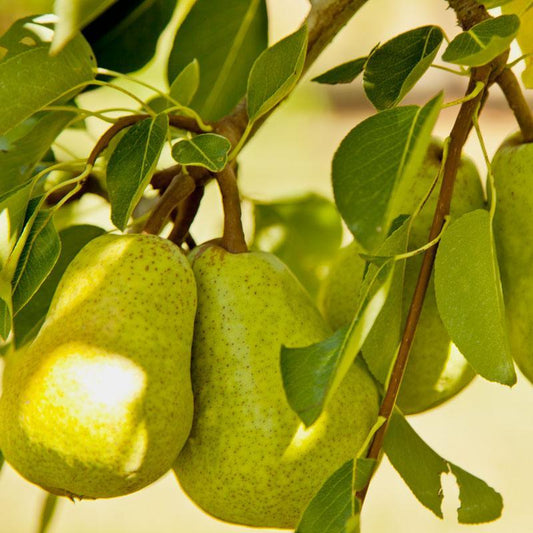
Bartlett is the most commonly planted pear in North America. Yes, do Bartlett pears self-pollinate? They can. Bartlett is one of the better options if you’re trying to grow a single tree and still produce fruit. Expect stronger harvests with a second pear nearby.
Seckel Pear Tree
Often called the “sugar pear,” Seckel is small, sweet, and fairly dependable as a partially self-fertile option. It’s also compact and easy to grow, making it great for backyard tree growing projects.
Kieffer Pear Tree
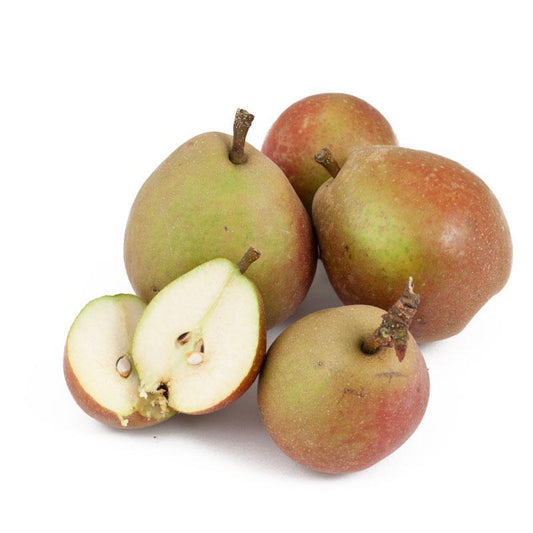
Kieffer is tough, disease-tolerant, and partially self-fertile. It’s a good choice in areas where other pears struggle, though fruit quality improves with cross pollination.
Honeysweet Pear Tree
Honeysweet is another variety that can set fruit on its own. It’s known for good flavor and moderate disease resistance, especially when planted in full sun.

Asian Pears and Self Pollination
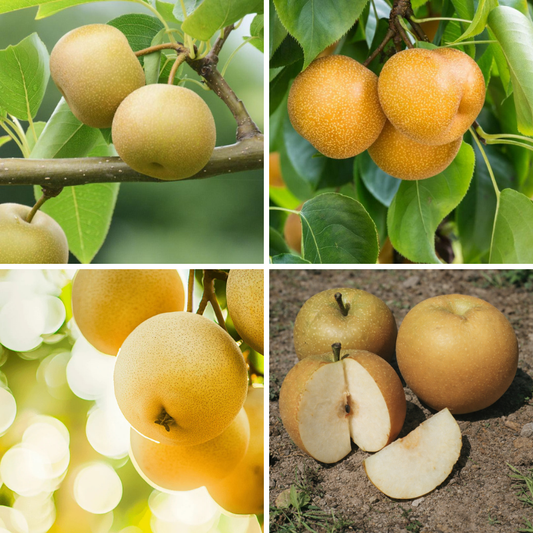
Asian pears (pyrus pyrifolia) behave a little differently than European types. While many gardeners wonder if asian pear trees are self fertile, most still benefit from a pollination partner.
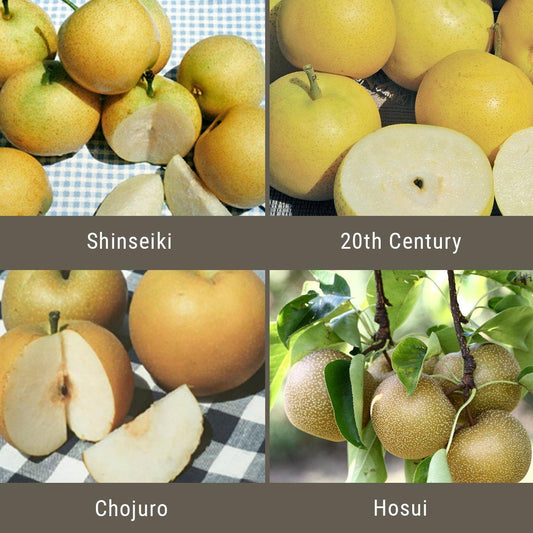
Hosui, Shinseiki, and 20th Century Asian Pears
These varieties can sometimes set fruit alone, especially in bee-rich gardens, but yields are more reliable with another Asian pear nearby. Multi-grafted trees are an easy solution.
If you’re curious about the differences between Asian and European types, this guide to pear tree varieties explains it clearly.
Pear Trees That Do NOT Truly Self-Pollinate
Some pears are often mislabeled as self fertile but really need a partner to thrive.
- Bosc Pear Tree
- Comice Pear Tree
- D’Anjou and Red D’Anjou Pear Trees
- Warren Pear Tree
- Blake’s Pride and Harrow Delight Pear Trees
These are excellent pears, but they rely heavily on cross pollination to consistently produce fruit.

Smart Planting Tips for Better Results
- Most pear trees grow 15-20 feet tall, so plan spacing carefully.
- Always plant in full sun.
- Know your climate before planting by checking your growing zone.
- Multi-grafted pear trees act like built-in pollination partners and are ideal for small yards.
You can browse compatible options in our pear tree collection.
Caring for Your Pear Tree
Healthy trees pollinate better. Pruning, disease prevention, and harvest timing all matter.
- Learn proper pruning with this pear and apple pruning guide.
- Watch for fire blight using these pear blight prevention tips.
- Harvest at the right moment with this pear harvesting guide.
- Asian pears have unique growth habits explained in this Asian pear life cycle article.
Conclusion: Should You Rely on a Self Pollinating Pear Tree?
A self pollinating pear tree can work, especially Bartlett, Seckel, or Kieffer. But if space allows, adding a second pear almost always leads to better results. Think of self pollination as a backup, not a guarantee.
If your goal is dependable harvests, planting compatible pear trees together is still the best approach.