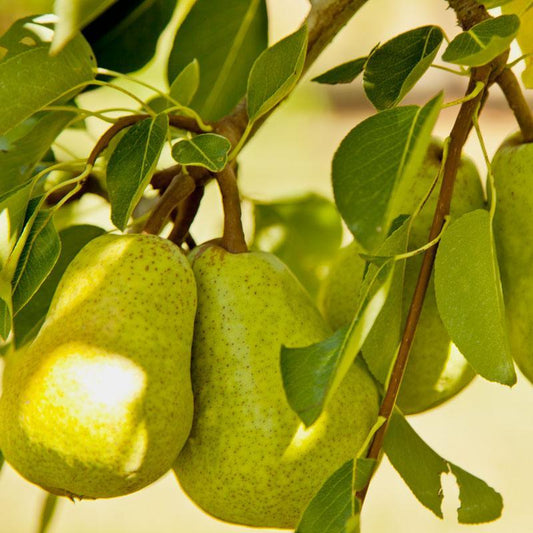
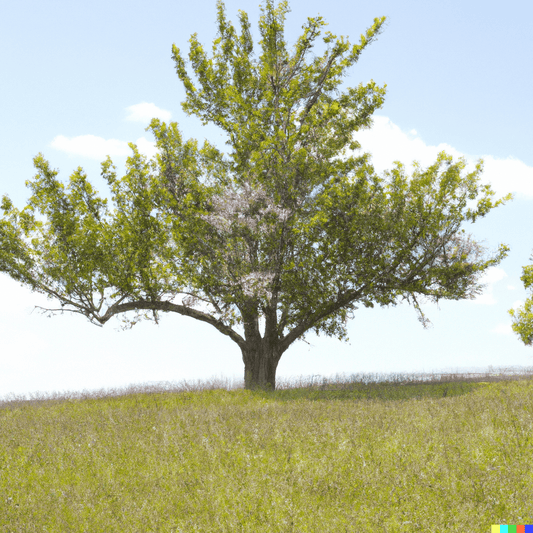
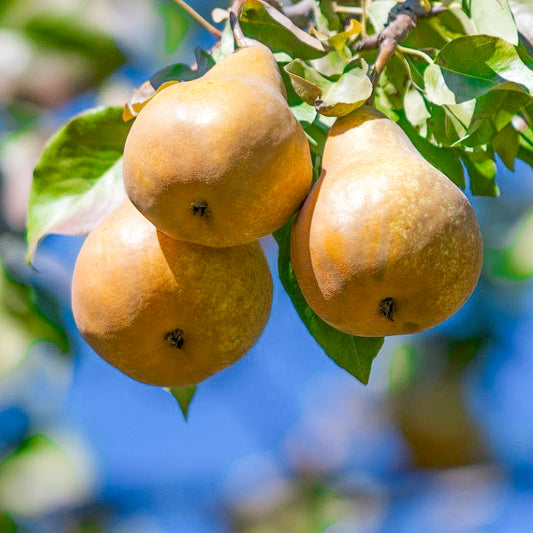
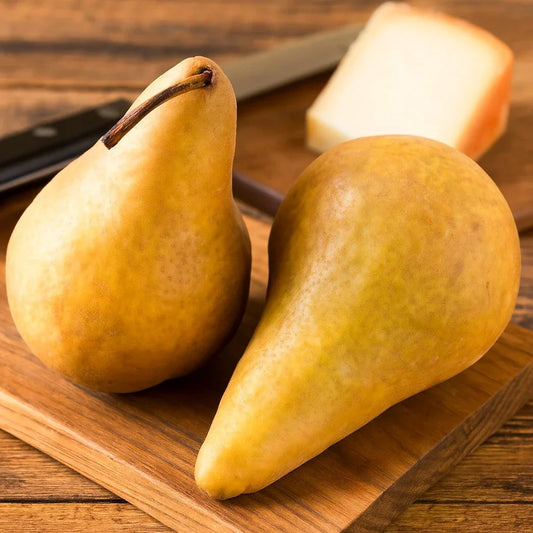
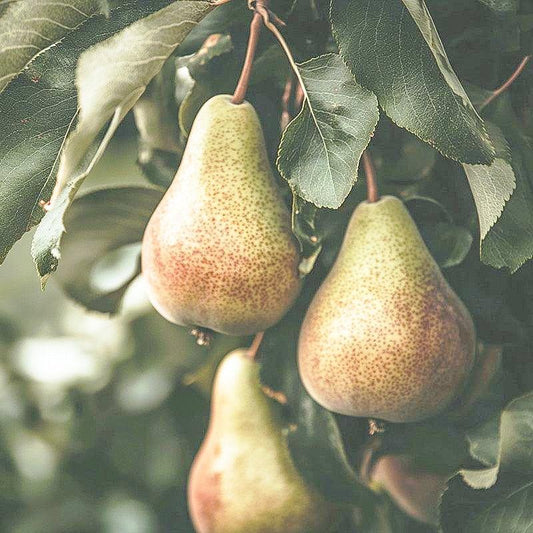
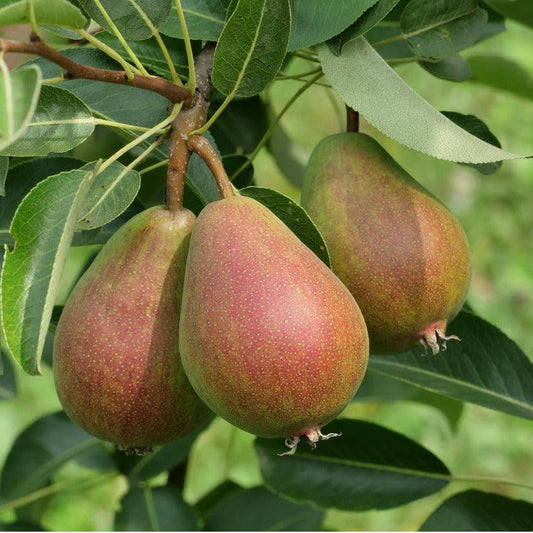
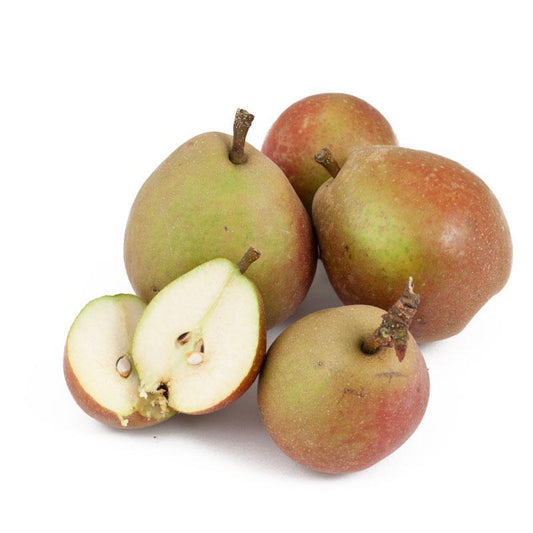
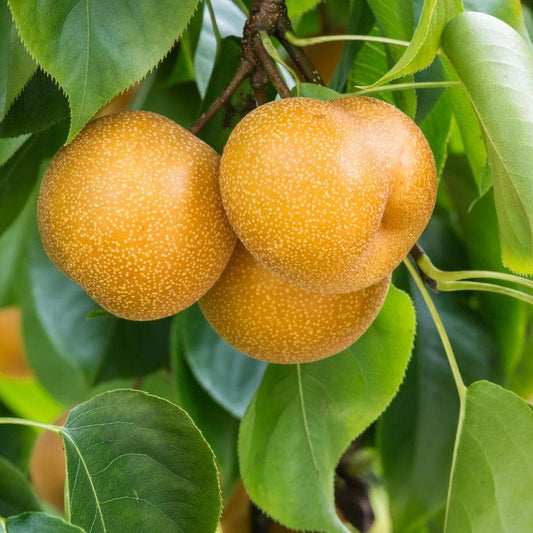
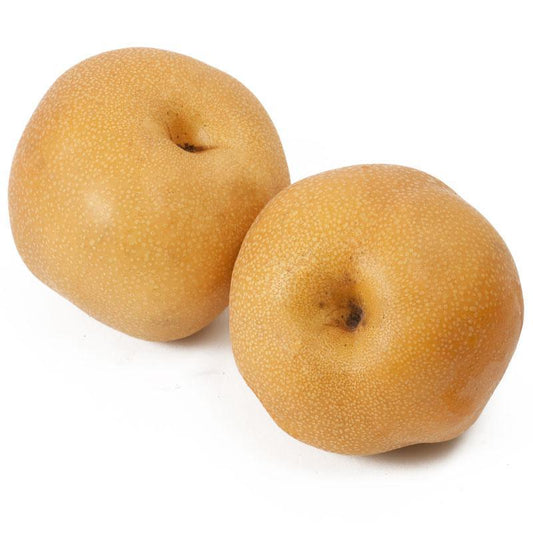
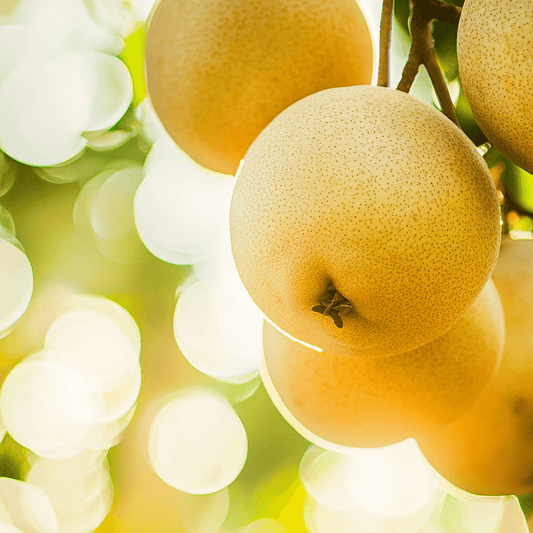
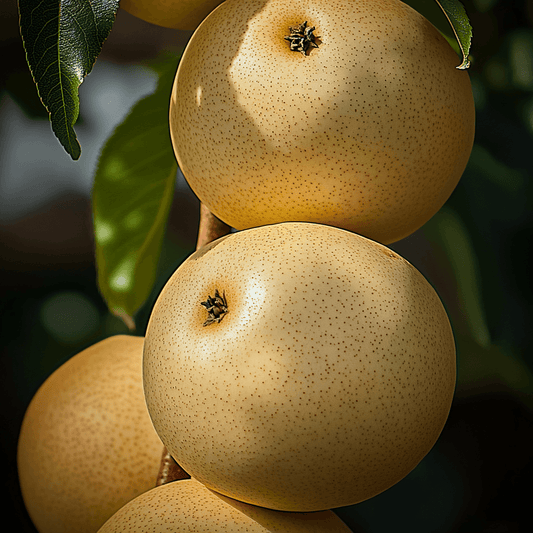
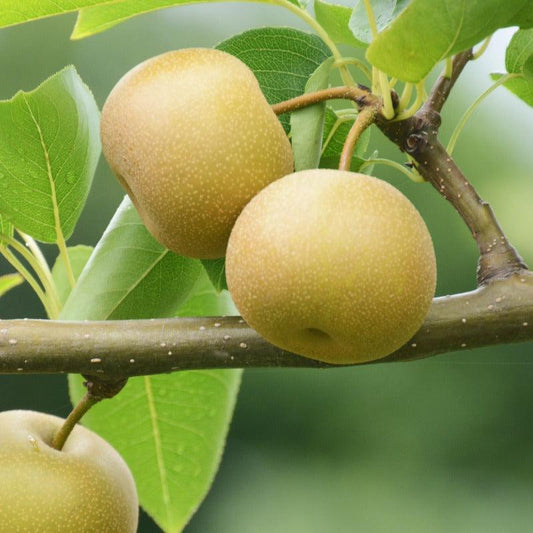
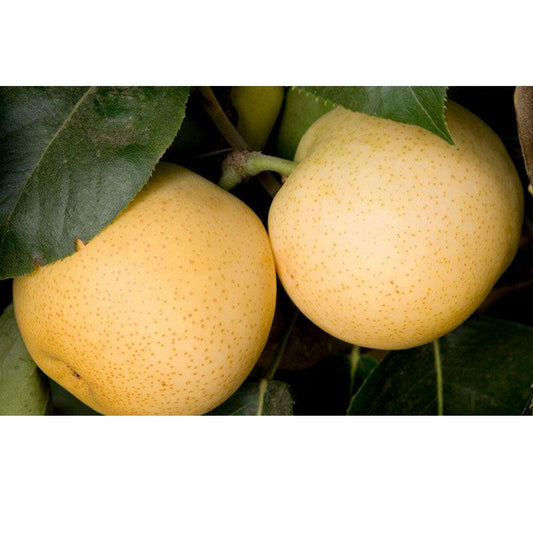
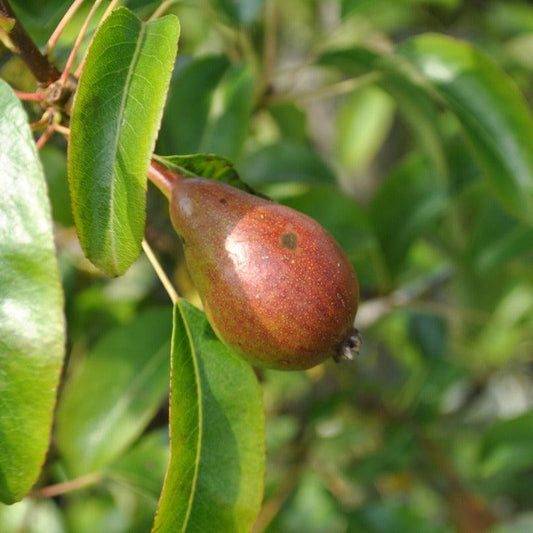
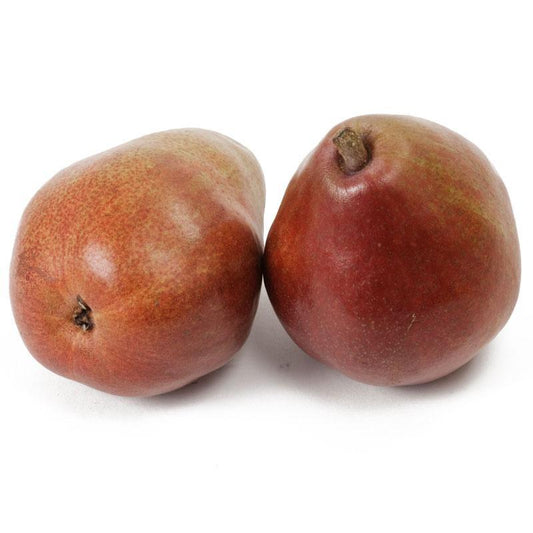
Ripening begins with the correct harvest stage. Most European pears are picked mature-firm, may be cold-conditioned depending on cultivar, and then softened at room temperature. Asian pears are generally harvested ready to eat and do not use the same indoor-softening method. For orchard harvest cues, first read When and How to Harvest Pears.

Why European pears finish ripening off the tree
European pears are climacteric fruit: as they ripen, respiration and ethylene production increase. Many develop their best texture after harvest. Fruit allowed to become fully soft on the tree can ripen unevenly or develop internal breakdown.
Step 1: confirm the fruit was mature when picked
An immature pear may shrivel or remain poor in flavor instead of ripening normally. Use cultivar timing, fruit size, background-color change, seed development, and easy stem release as combined evidence. No single cue is universal.

Step 2: determine whether cold conditioning is needed
Some European pears—especially later cultivars—need a period at cold storage temperatures before they can ripen evenly. Requirements vary by cultivar and storage temperature, so use cultivar-specific guidance rather than a single number. Asian pears generally do not need this treatment for eating ripeness.
Step 3: ripen at room temperature
- Move the number of conditioned or harvest-mature pears you plan to use into a room-temperature location.
- Keep them out of direct sun and away from excessive heat.
- Check daily.
- Use the neck test: press very gently near the stem with a thumb. Slight yielding usually indicates eating ripeness for many European cultivars.
- Refrigerate ripe fruit to slow further softening.
How ethylene changes the process
A loosely closed paper bag retains some of the pear’s natural ethylene and can speed ripening. Adding a ripe banana or apple may increase ethylene further, but check often because fruit can move quickly from firm to overripe. Do not use a sealed plastic bag; trapped condensation and poor airflow can encourage decay.

Color, aroma, and firmness
Skin color can change during ripening, but some cultivars remain green. Aroma can help but varies. Pressing the broad middle can bruise fruit before the neck is ready, so use very gentle pressure near the stem. Cut one fruit if the batch is valuable and maturity is uncertain.
Common problems
- Stays hard: Fruit may be immature or may need cultivar-specific chilling.
- Shrivels: Fruit may have been picked too early or stored in overly dry conditions.
- Soft outside, firm inside: Ripening temperature may have been too warm or fruit maturity uneven.
- Brown core or translucent flesh: Fruit may be overripe, overstored, bruised, or affected by a physiological disorder.
- Mold or leakage: Discard affected fruit and inspect nearby pears.
Storage sequence
Keep sound, mature European pears cold until you are ready to condition or ripen them as the cultivar requires. Ripen small batches at room temperature, then refrigerate ripe fruit. Store Asian pears cold soon after tree-ripe harvest. Exact storage life varies by cultivar, fruit condition, temperature, and handling.
To choose varieties by ripening behavior and use, return to the pear-variety guide or browse pear trees.