Figs Not Sweet? The Science Explains Why And How to Fix It

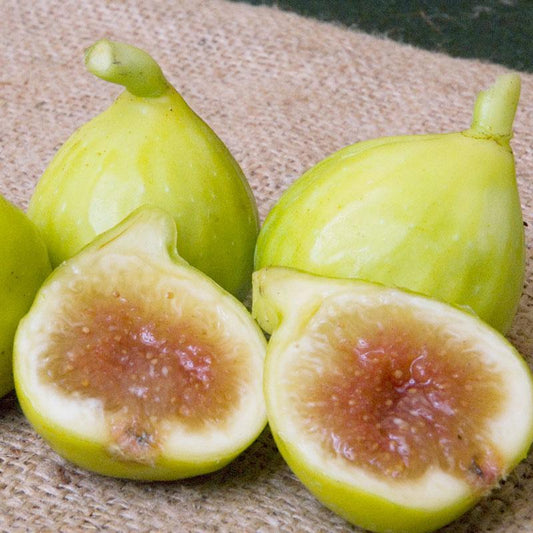
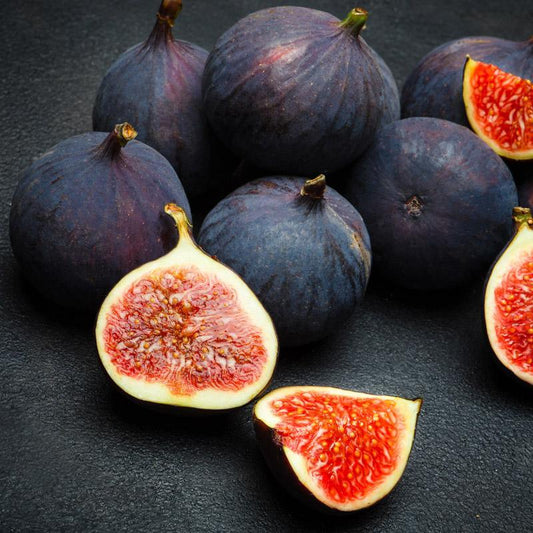
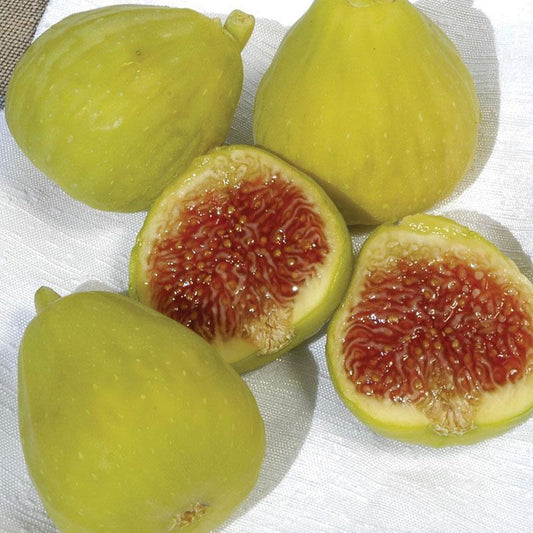
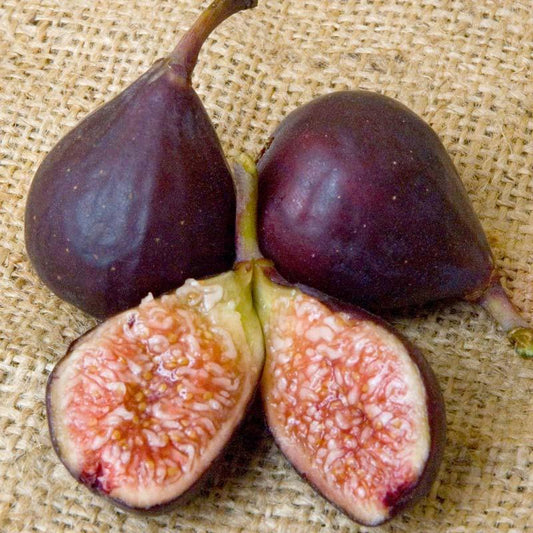
Fig Fruits Cut in Half

Why Are My Figs Not Sweet? The Science of Sweet Figs—and How to Boost Sugar Naturally 

If you’ve ever grown a fruit tree in your garden hoping for juicy, flavorful figs — and ended up with bland or barely-sweet fruit — you’re not alone. Many gardeners with a Ficus carica eventually wonder, “Why aren’t my figs sweet?” or even “Are figs naturally sweet?” The truth is that fig sweetness depends on much more than simply producing fruit. It’s shaped by plant physiology, timing, the environment, and the overall health of the tree.

Fig flavor is strongly influenced by the specific fig season, the ripening window, and whether the fruit is part of the main crop or an early breba crop. Even factors like sunlight, temperature, and when you harvest figs can dramatically change how sweet a medium sized fig becomes.

In this article, we explore why figs are sometimes “not sweet,” what truly determines sweetness in fig tree fruit, and the practical, science-backed steps you can take to ensure deeply sweet, richly flavored figs in your home garden.

Fig Fruit cut in half on top of a plate

What Makes a Fig Sweet? The Science Behind Fig Sweetness

Sugar Build-up Happens Late in Ripening

Recent scientific research shows that fig fruit undergo a dramatic increase in sugar content during the final stage of ripening — often just days before harvest.

Early on (phases I and II), the fruit grows in size by absorbing water. But during the final ripening phase (phase III), sugars like glucose and fructose accumulate rapidly inside the fig — sometimes increasing more than tenfold compared to other fruits.

That sudden sugar build-up explains why a fig that seems “almost ready” may still taste bland — it hasn’t hit its sugar peak yet.

Sugars, Flavor Compounds, and Fig Quality

The sweetness you taste in a sweet fig comes primarily from those simple sugars. But flavor also involves acids, aromatic compounds, and the balance of texture and aroma. In different types of figs, chemical composition varies — which is why one variety might taste sweeter or richer than another.

Studies on various fig cultivars show differences in sugar, acids, and bioactive compounds — meaning not all figs are born equal when it comes to flavor.

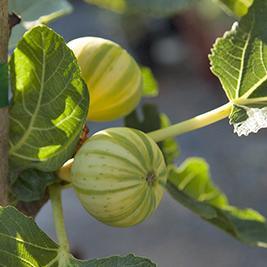
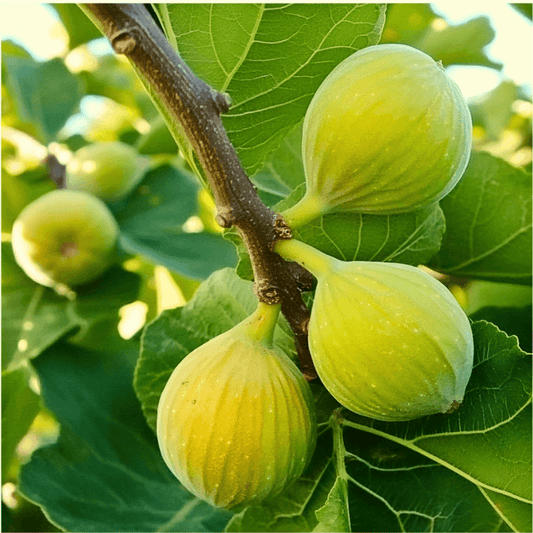
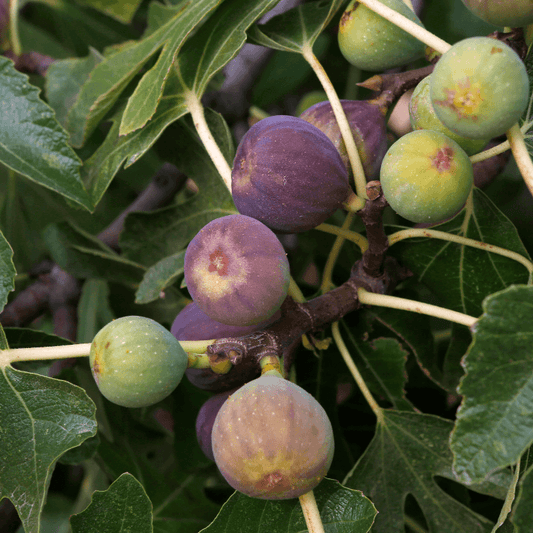
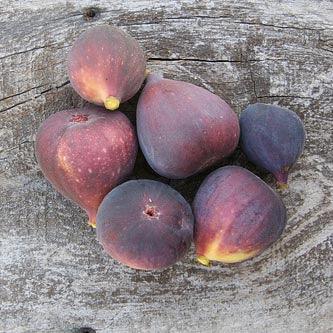
Green Fig Fruit

Why Are My Figs Not Sweet? Common Causes in Home Gardens

1. Picking Too Early — Unripe Figs = Bland Figs

Because sugar accumulation happens so late in ripening, harvesting even a few days too early results in unripe figs with low sugar content. Once a fig is picked, it does not continue this sugar build-up. That means are fresh figs sweet? — only if they were fully ripe when picked.

2. Lack of Sunlight or Poor Growing Conditions

Figs need enough sunlight to produce sugars through photosynthesis. A shaded spot or short growing season can slow sugar production, so figs stay bland even when their skin seems ready.

If you’re looking for new plants or want to try again, check out a selection of healthy fig trees for home gardens.

3. Water and Soil Problems

  • Overwatering can dilute sugar concentration and water down the flavor.
  • Underwatering can stress the tree and prevent proper development — leading to small, hard, bland figs.

Balanced moisture — especially during hot weather — helps your tree produce the best possible figs.

4. Variety Matters — Some Figs Are Naturally Sweeter

There are many sweet fig varieties. For instance, black mission fig and brown turkey figs are popular varieties known for good flavor under right conditions.

Other cultivars may emphasize size, yield, or disease resistance rather than sugar content. That means even if you follow all the right steps, a less-sweet variety might still produce figs that are only mildly sweet.

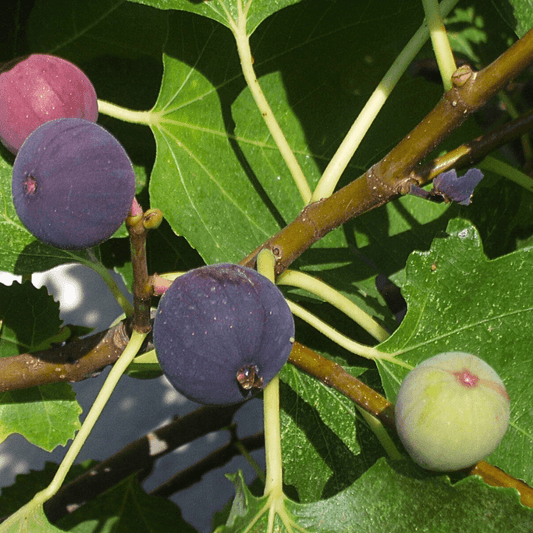
Fig Tree

How to Make Figs Sweeter: Practical Tips for Gardeners

Choose the Right Variety & Care for It Properly

Start by choosing a sweet fig tree variety suited to flavor. After planting, give it plenty of sun, good drainage, and regular watering during the growing season. For guidance on caring for your tree, see this handy fig growing guide or the general how to grow figs guide.

If you have limited space, growing a potted fruit tree fig is possible — just be sure to repot and give it good light. You might find this video on planting a potted fruit tree useful.

Harvest at the Right Time — Let the Ripening Process Finish

Watch for signs of ripeness: figs soften, sometimes droop, and give a sweet aroma. Allow the fig to fully complete its ripening process on the tree before harvest. That’s when sugar accumulation peaks, giving you the richest sweetness.

Avoid Overcrowding / Stress — Let the Tree Focus on Fruit

If you let a fig tree get too leafy, or give too much nitrogen fertilizer, it may grow vigorously yet make figs that are watery or mild-flavored. Mild fertilizer, good soil, and adequate care help the tree channel energy toward producing sweet, flavorful figs.

Be Patient — Flavor Comes with Time and Good Conditions

Even under the best conditions, figs might vary in sweetness across seasons. In cooler years, or if the growing season is short, sugar build-up can be slower — leading to less-sweet figs despite correct care.

Fresh healthy figs placed on white plate

Fresh vs. Dried Figs: Why Dried Figs Taste Much Sweeter

Fresh figs have high water content, which dilutes their natural sugars. That’s why dried fig snacks often taste very sweet — the dehydration concentrates sugars (glucose and fructose) and removes a lot of the water.

So if you grew figs with mild sweetness — drying them may still yield a rich, sweet dried fruit snack.


Conclusion: Sweet Figs Are Possible — With Patience, Care, and Right Timing

Getting sweet figs in your home garden is not magic — it's about respecting the science of fig ripening, choosing the right variety, and giving your tree good care. By ensuring ample sunlight, balanced water, correct harvest timing, and the right variety, you give your fig tree fruit sweetness the best chance.

Whether you prefer fresh figs or dried fruits, understanding how and when figs build sugars will help you enjoy rich, sweet flavor right from your own tree. With patience and care, a sweet fig tree can transform your garden into a source of delicious, home-grown fruit.


FAQs About Fig Sweetness and Flavor

Which fig tree is the sweetest?
Sweetness depends heavily on variety and growing conditions. Some of the sweetest, most sugar-rich figs include Black Mission, Celeste, Honey (Italian Honey), Kadota, Violette de Bordeaux, and Adriatic types. Brown Turkey figs are mild and not typically among the sweetest varieties.
Why aren’t my figs sweet?
Common reasons: you picked them too early (unripe figs), they lacked sunlight, water or soil conditions were poor, or the variety is not known for sweetness.
Is the fig fruit sweet?
Yes — when fully ripe, most edible figs (Ficus carica) are naturally sweet because of high levels of glucose and fructose. But if picked too early or grown in poor conditions, they can be bland.
How to make figs taste better?
Let figs fully ripen on the tree; ensure full sun exposure; water regularly but avoid overwatering; pick a sweet cultivar; feed lightly; and avoid harvesting too early.
Are figs supposed to taste earthy?
Sometimes — especially if unripe or grown under poor conditions, figs may taste earthy or bland rather than sweet. That’s a sign they didn’t complete the ripening process properly.
Do figs sweeten after picking?
No. Unlike some fruits, figs don’t significantly increase sugar once harvested. The sweetness comes from sugar build-up before harvest.
What is the best fertilizer for fig fruit?
Use a balanced, low-nitrogen fertilizer. Too much nitrogen encourages leaf growth instead of sugar-rich fruit. Provide moderate nutrients that support overall tree health without overstimulating vegetative growth.
What to do with figs that are not sweet?
You can try drying them, which concentrates existing sugars. Alternatively, cook them — figs make good jams, baked desserts, or preserves even if mild.
Why are my fresh figs not sweet?
Likely because they were harvested too early, or because the tree lacked enough sun, had watering or soil stress, or the variety isn’t a naturally sweet one.
Back to blog

Leave a comment

Please note, comments need to be approved before they are published.