
Introduction
Pear trees offer a wide range of flavors, textures, and uses, making them a popular choice for home gardeners. The two primary types of pear trees are Asian and European, each with its own distinct characteristics and growth habits. Understanding the differences between Asian and European pear trees, along with some popular varieties, can help gardeners choose the best pear tree for their space, climate, and personal taste preferences. It also helps to understand where pears grow and which growing zones they prefer before planting.
Here’s an overview of these two types of pear trees and what makes each one unique.
Asian Pear Trees
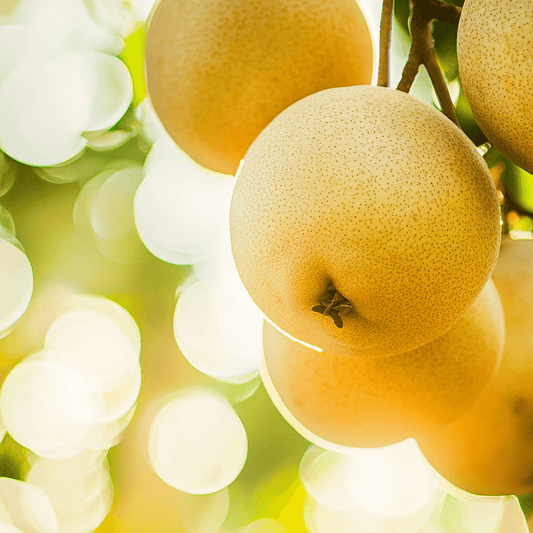
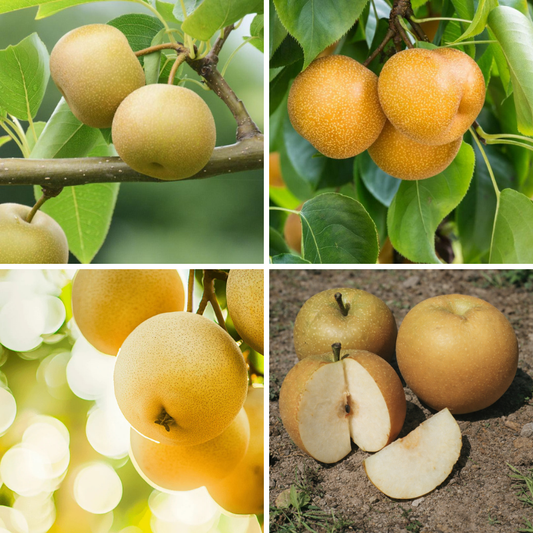
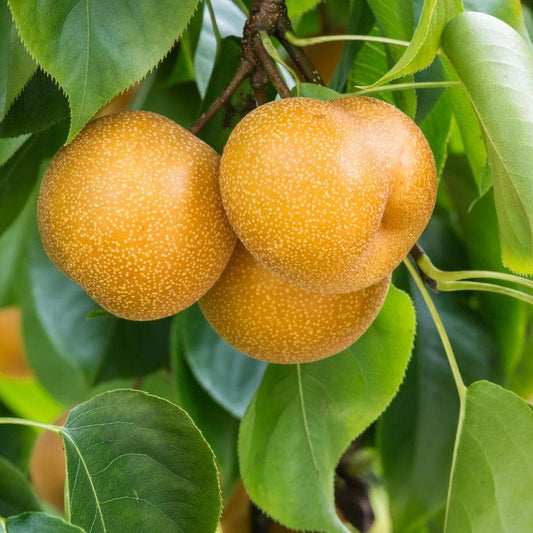
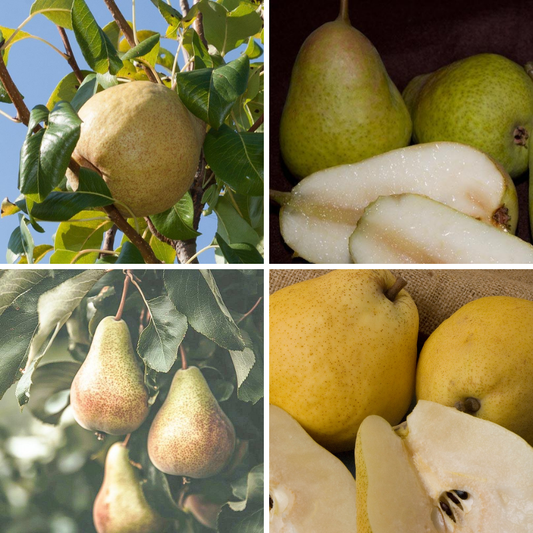
Asian pear trees, also known as “apple pears,” are native to East Asia and have been cultivated in China, Japan, and Korea for centuries. Unlike European pears, which are known for their soft, buttery texture, Asian pears are crisp and juicy, more similar to an apple in texture. They’re usually round in shape and come in shades of yellow, green, or brown, often with a russeted skin.
Asian pears are known for their sweet, mild flavor and are often enjoyed fresh due to their firm, crunchy texture. These trees are typically more compact than European varieties, making them a great option for small gardens. They’re also relatively easy to grow, with a natural resistance to fire blight, a common disease that can affect pear trees.
Popular Varieties of Asian Pear Trees
-
‘Shinseiki’ (New Century): This is one of the most popular Asian pear varieties, prized for its sweet, mild flavor and crisp texture. ‘Shinseiki’ pears are yellow and round with smooth skin, making them an attractive addition to the garden. This variety is relatively easy to grow and is cold-hardy, thriving in USDA zones 5-9.
-
‘Hosui’: Known for its juicy, sweet flavor with a hint of tartness, ‘Hosui’ has a brownish-yellow, russeted skin. This variety is highly resistant to fire blight and performs well in both warm and cool climates, making it versatile for many regions.
-
‘Nijisseiki’ (20th Century): ‘Nijisseiki’ is another popular Asian pear with a greenish-yellow skin and a sweet, juicy flavor. It’s a reliable producer and has a long shelf life, making it ideal for gardeners who want a steady harvest. This variety is known for its excellent cold tolerance and can be grown successfully in USDA zones 5-9.
-
‘Chojuro’: This variety is known for its golden-brown, russeted skin and rich, honey-like flavor. ‘Chojuro’ is one of the oldest cultivated Asian pear varieties and is highly valued for its unique taste. It’s also relatively easy to grow and resistant to fire blight, making it a favorite for organic gardeners.
European Pear Trees
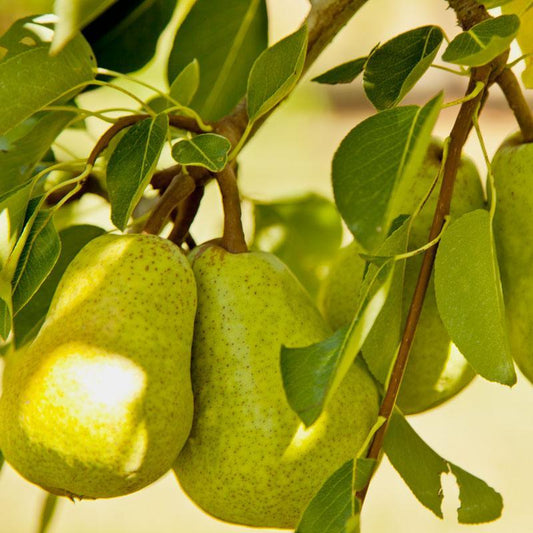
European pear trees have a long history of cultivation in Europe, particularly in countries like France, Italy, and Belgium. Unlike the round, crisp Asian pears, European pears have a classic pear shape—narrow at the top and wider at the bottom. They’re known for their soft, buttery texture and sweet, aromatic flavor.
European pears are usually picked when they’re mature but still firm, then allowed to ripen off the tree. This ripening process enhances their flavor and texture, giving them that signature juiciness. European pear trees tend to be larger than Asian pears and require a bit more maintenance, as they’re more susceptible to diseases like fire blight. However, many gardeners find the effort worthwhile for their rich, delicious fruit.
Popular Varieties of European Pear Trees
-
‘Bartlett’: ‘Bartlett’ is one of the most widely grown pear varieties worldwide, known for its classic pear shape, smooth yellow skin, and sweet, juicy flesh. It’s excellent for fresh eating, canning, and cooking. However, it’s somewhat susceptible to fire blight, so gardeners should monitor it closely in humid climates.
-
‘Bosc’: Recognizable by its long neck and russeted skin, ‘Bosc’ has a firm texture with a rich, sweet flavor. It’s ideal for baking and poaching, as it holds its shape well under heat. ‘Bosc’ is cold-hardy and grows well in USDA zones 4-8, though it’s more disease-resistant than some other European varieties.
-
‘Anjou’: ‘Anjou’ pears come in both green and red varieties and are prized for their smooth texture and mild, sweet flavor. They’re excellent for fresh eating and are known for their long storage life. This variety is relatively cold-hardy and resistant to fire blight, making it a good choice for home gardeners.
-
‘Comice’: Often referred to as the “dessert pear,” ‘Comice’ pears are known for their incredibly sweet, buttery flesh and are commonly used in holiday gift baskets. They’re a bit more delicate than other varieties, with a short shelf life, but their flavor makes them worth the effort. ‘Comice’ grows well in USDA zones 5-9 and benefits from well-drained soil and consistent watering.
For those interested in unique European pear varieties, the Big Brown Pear offers a rare heirloom option with a creamy, sweet flavor and satisfying crunch.
Choosing the Right Pear Tree for Your Garden
When deciding between an Asian or European pear tree, consider the following factors:
-
Climate: Both Asian and European pears have varieties suited to different climates. Asian pears generally thrive in slightly warmer zones, USDA zones 5-9, while European pears can be more cold-tolerant. If you live in a colder area, ‘Bartlett’ and ‘Bosc’ European pears may be ideal, while ‘Nijisseiki’ and ‘Shinseiki’ Asian pears perform well in cooler climates.
-
Space and Tree Size: Asian pears are often smaller and more compact, making them ideal for small gardens or even large containers. European pears, particularly standard-sized trees, tend to grow larger, so they require more space. If you’re planning your garden layout, it helps to know how big pear trees get (dwarf, semi-dwarf, and standard sizes).
-
Fruit Texture and Use: If you prefer a crisp, apple-like texture and want pears for fresh eating, Asian pears may be the best choice. They’re also great for salads due to their firm texture. For a softer, more buttery texture with a sweet, aromatic flavor, European pears are ideal. Many European pears are versatile and can be used for fresh eating, cooking, and canning.
-
Disease Resistance: Asian pears tend to have greater resistance to fire blight, a common disease affecting pear trees, making them easier to maintain organically. Gardeners should also watch for pear tree leaf diseases and other common leaf problems during the growing season. European pears, while susceptible to fire blight, include varieties like ‘Bosc’ and ‘Anjou,’ which have moderate resistance and can be managed with careful monitoring.
Pollination and Growing Tips
Both Asian and European pears benefit from cross-pollination, which improves fruit set and yield. If you’re unsure how pollination works, this guide explains whether pear trees need a pollinator and how cross-pollination works.
Most pear trees are not self-pollinating, so planting at least two compatible varieties near each other is recommended. For example, pairing ‘Shinseiki’ with ‘Hosui’ or ‘Bartlett’ with ‘Anjou’ can enhance fruit production.
To promote healthy growth, plant pear trees in a location with full sunlight and well-drained soil. Pear trees thrive in slightly acidic to neutral soil with a pH between 6.0 and 7.0. Mulching around the base of the tree helps retain moisture and regulate soil temperature, while regular pruning encourages a strong structure and better airflow, reducing the risk of disease. This guide to pruning pear trees explains the best timing and techniques.
Conclusion
Whether you choose an Asian or European pear tree, each type offers unique qualities that can enhance your garden and provide delicious fruit. Asian pears bring a refreshing crispness and a range of flavors, while European pears offer classic sweetness and a variety of uses in the kitchen. With the right care and selection, pear trees can be a rewarding addition to any home garden, providing you with fresh, homegrown fruit for years to come.
Guide to Pear Tree Varieties: Understanding Asian and European Pears
Additional Resources
Enhance your pear-growing knowledge with these helpful guides and videos:
- The Life Cycle of an Asian Pear Tree – Tips for Each Growth Stage
- Harvesting Pears – When and How to Pick for Perfect Ripeness
- How to Prune Apple and Pear Trees – Video Guide
- Pear Blight – Disease Prevention and Control Tips
Shop Pear Trees
Ready to plant? Explore our curated selections of pear tree varieties:
- Shop Asian Pear Trees – Browse Our Selection of Varieties
- Shop All Pear Trees – Asian and European Varieties