How to Cook Kale: Simple Tips for Washing, Preparing, and Cooking Fresh Kale
Fresh kale is a sturdy leafy green that can be eaten raw, sautéed, steamed, baked, or added to soup. If you are learning how to cook kale, the main trick is simple: clean the leaves well, remove tough stems when needed, and choose a cooking time that suits the texture you want.
Whether your kale comes straight from the garden or the grocery store, these steps make preparing it easy.

How to Prepare Kale
For anyone wondering how to prepare kale, start by rinsing the leaves thoroughly under cold running water. A salad spinner helps dry them quickly.
If you have a large bunch of kale, place the leaves in a large bowl after washing. Fold each leaf along the center stem and pull or cut the leaf away. If the stems are thick or woody, remove the kale leaves from the stems before cutting them for your recipe.
How to Cut Kale
Learning how to cut kale depends on the recipe. For soups and sautés, stack the leaves and slice them into strips. For salads, tear them into bite-sized pieces.
Can you eat kale stems? Yes, especially tender stems. Thick or woody kale stems can be fibrous, so you can remove them or chop them finely and cook them longer than the leaves.
These same steps explain how to prepare kale, how to prep kale, and how to prepare kale vegetable for cooking.
Best Ways to Cook Kale
So, how do you cook kale? The method depends on the texture you want.
Sauté Kale
A quick way to cook kale as a side dish is sautéing. Heat extra virgin olive oil in a skillet, add chopped kale, and cook for about 3 to 5 minutes, or until tender.
Add garlic, lemon, black pepper, a few pinches of salt, or red pepper flakes for extra flavor. Stir-fried kale also works well with onions, beans, or noodles.
If you're asking how to cook kale greens, how do you cook kale greens, or how to cook kale vegetable, this simple skillet method is a good place to start.
Steam or Blanch Kale
Steaming keeps the leaves tender without soaking them in water. For how to blanch kale, place prepared leaves in boiling water for the recommended time, then cool them quickly in ice water to stop the cooking.
For freezing, the National Center for Home Food Preservation recommends blanching kale and other non-collard greens for 2 minutes.
Make Kale Chips
For crisp kale chips, remove thick stems, dry the leaves well, coat lightly with oil, and bake until crisp. Oregon State University recommends about 10 to 15 minutes at 350°F.

Can Kale Be Eaten Raw?
Yes. Can kale be eaten raw? Tender leaves are excellent in salads. University of Minnesota Extension notes that small, tender kale leaves can be eaten raw, while larger leaves are often better cooked.
For how to prepare kale for salad, remove tough stems and massage the leaves for several minutes with a little oil or dressing. This helps soften their texture and improve the flavor.
If you're asking how do I prepare kale for a salad or how to make kale salad, try massaging it with olive oil and lemon, then adding nuts, fruit, beans, or Parmesan cheese.
What Does Kale Taste Like?
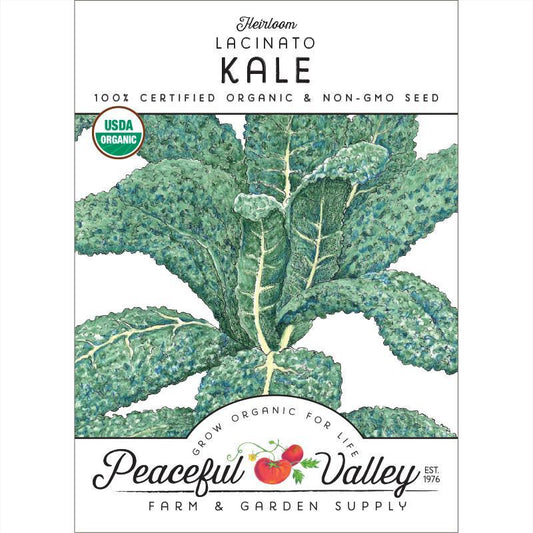
What does kale taste like? The flavor can vary among different types of kale, as well as with the age of the leaves and growing conditions. Curly types can have an earthy or slightly bitter flavor, while dinosaur kale, also known as Lacinato kale, is often described as milder and slightly sweet.
The baby kale vs kale difference is mainly the age and size of the leaves. Baby leaves are generally more tender, while mature leaves are larger and can be cooked or used raw depending on their texture.
If you're wondering what is kale good for, it works in salads, soups, pasta, casseroles, smoothies, and sautés. Like many green vegetables, kale can be prepared in a variety of ways, including steaming, sautéing, and adding it to soups.
Kale Varieties to Grow and Cook
Browse Grow Organic's Kale Seeds Collection if you'd like to grow your own cooking greens.
- Red Russian Kale Seeds produce tender, mild leaves suited to salads, steaming, and soups.
- Lacinato Kale Seeds grow dark, textured leaves that work well raw, sautéed, in soups, or as chips.
- Curly Roja Kale has colorful curled leaves suited to salads, soups, and stir-fries.
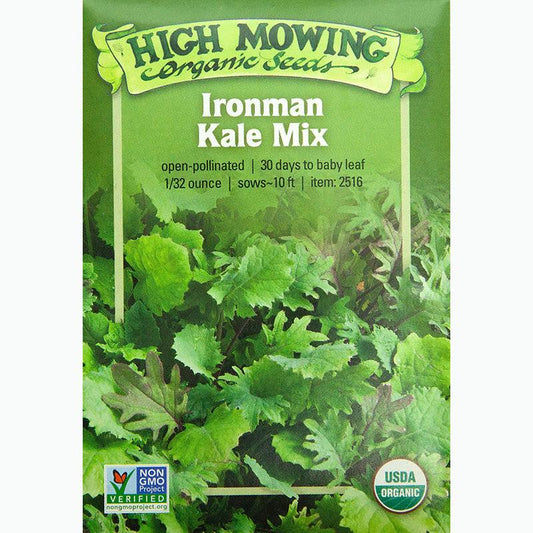
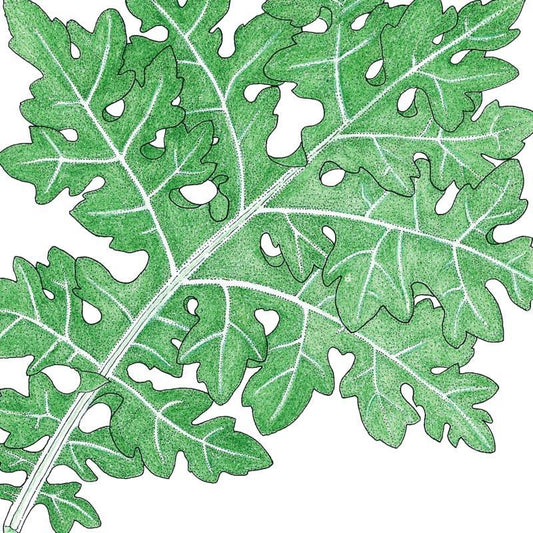
- Grow Organic also offers Ironman Kale Mix, All Stars Kale, Dino Kale, Mars Landing Kale, and White Russian Kale.
For recipe ideas, try Grow Organic's Kale Chips or Kale & Black Bean Salad.
Conclusion
The best way to prepare kale is to match the method to the leaf. Tender kale works well raw, while mature leaves can be steamed, sautéed, baked, or added to soups until tender. Once you understand how to prepare and cook kale, it becomes one of the easiest garden vegetables to use.
Whether you're learning how to cook kale, how to prepare kale, or how to cook with kale, the same basics apply: wash it, remove tough stems, cut it to size, and cook until it reaches the texture you want.
FAQs About Cooking Kale
What is the best way to prepare kale to eat?
Is it better to boil or steam kale?
What are common mistakes when cooking kale?
What spices go well with kale?
How should I store kale before cooking?
How do you cook the vegetable kale?