Mustard Greens vs Collard Greens: Comparing Kale, Turnips, and Other Leafy Greens
Mustard greens, collards, kale, and turnip greens are all nutritious leafy vegetables, but they have different flavors, textures, growing habits, and culinary uses. Understanding these differences can help you choose the right crop for your garden and the best greens for your meals.
If you've ever searched for mustard vs collard greens or wondered about the difference between mustard greens and collard greens, this guide will help you compare these popular vegetables. You'll also learn how turnip greens and mustard greens differ from kale and other leafy greens, along with simple cooking ideas and growing tips.

Mustard Greens vs Collard Greens: What's the Difference?
The biggest difference between mustard and collard greens is their flavor.
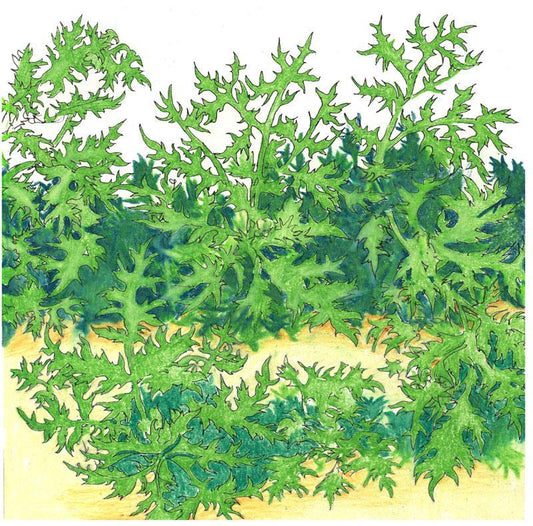
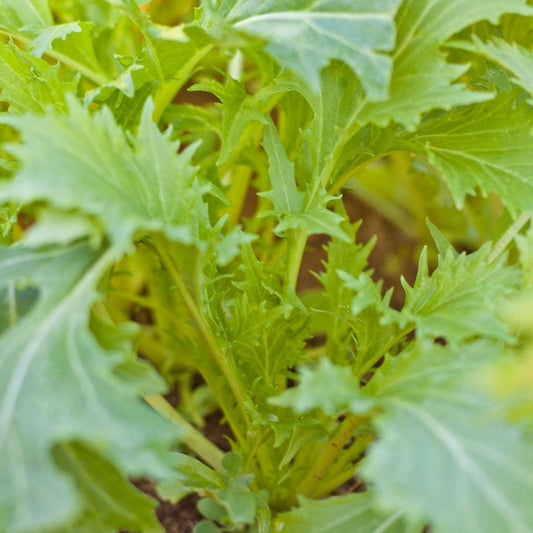
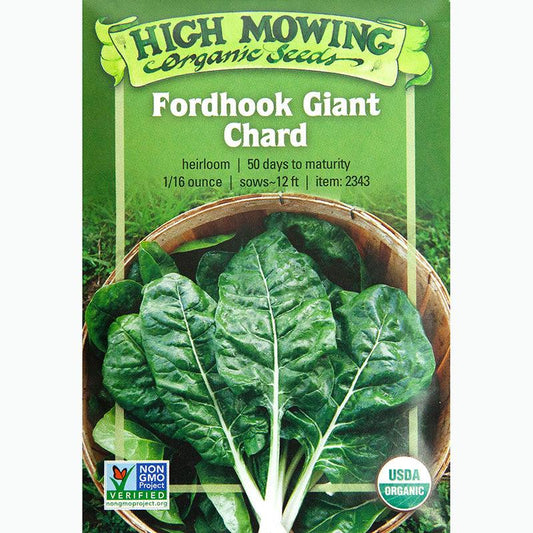
Mustard greens (Brassica juncea) have tender leaves with a peppery, spicy bite that becomes milder when cooked. Collards (Brassica oleracea) have larger, thicker leaves with a mild, earthy flavor that holds up well during long cooking.
When comparing collard greens vs mustard greens, think of mustard greens as bold and spicy, while collards are smoother and slightly sweet.
Here are the main differences:
- Mustard greens: Tender leaves, fast growing, peppery flavor, ready to harvest in about 30 to 50 days.
- Collard greens: Larger leaves, slower growing, mild flavor, often harvested over a longer season.
Both are cool-season vegetables, but they differ in flavor, leaf texture, and typical harvest window.
Mustard Greens and Turnip Greens Compared
Another common question is mustard greens vs turnip greens.
Although both belong to the Brassica family, turnip greens come from the leaves of the turnip plant, while mustard greens are grown mainly for their edible leaves.
When comparing turnip vs mustard greens, turnip greens usually have a slightly milder flavor, while mustard greens have more heat. Many gardeners grow mustard greens and turnip greens together because they thrive under the same cool growing conditions.
If you're deciding between turnip greens vs mustard greens, consider how you plan to use them:
- Turnip greens are excellent for soups, stews, and slow cooking.
- Mustard greens are delicious sautéed, stir fried, or added to salads when harvested young.
Many Southern recipes combine turnip and mustard greens to balance spicy and mild flavors.

Mustard Greens vs Kale
The comparison of mustard greens vs kale often comes down to texture.
Kale has thicker leaves and a slightly chewy texture. Mustard greens are softer and cook much faster.
Young mustard leaves can be eaten raw, while mature leaves are usually cooked. Kale also works well raw, but many gardeners massage the leaves first to soften them.
If you enjoy salads, kale may last longer in the refrigerator. If you want greens that cook quickly, mustard greens are often the better choice.
Can You Substitute Mustard Greens?
Sometimes your grocery store may not have fresh mustard greens.
A good replacement for mustard greens depends on the recipe.
Some of the best choices include:
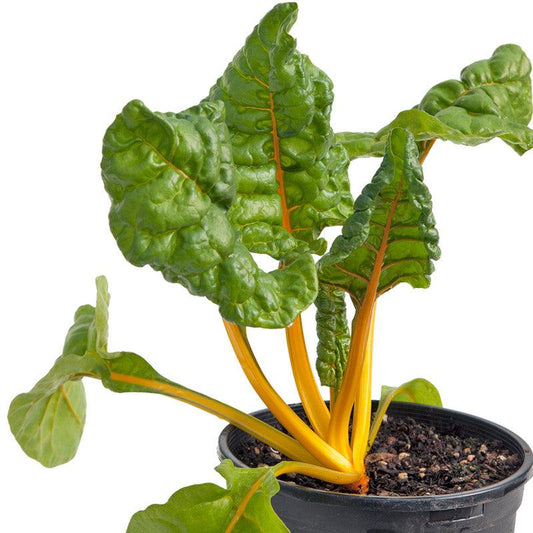
- Swiss chard
- Kale
- Turnip greens
- Young collard greens
Each makes a good substitute for mustard greens, although the flavor will be different. If you're looking for a mustard greens substitute with similar peppery notes, young turnip greens work well. Another useful substitute mustard greens option is mizuna, which has a mild mustard flavor.

Best Ways to Cook These Greens
Whether you're growing them yourself or buying them fresh, all of these greens are easy to prepare.
For cooked mustard greens, wash the leaves well in cold water before cooking. A little olive oil, garlic, onions, and a squeeze of lemon juice help balance their naturally slightly bitter taste.
Many traditional recipes include ham hocks or smoked turkey for extra flavor. These greens also pair well with black eyed peas, cornbread, or roasted vegetables as a hearty side dish.
If you prefer a lighter meal, try quickly sautéing the green leaves with garlic and a pinch of red pepper flakes. Unlike collards, mustard greens only need a few minutes to cook. Long slow cook methods work best for collards because their thicker leaves become tender over time.
These vegetables also make an excellent green recipe for pasta, grain bowls, soups, and omelets.
Growing Mustard Greens at Home
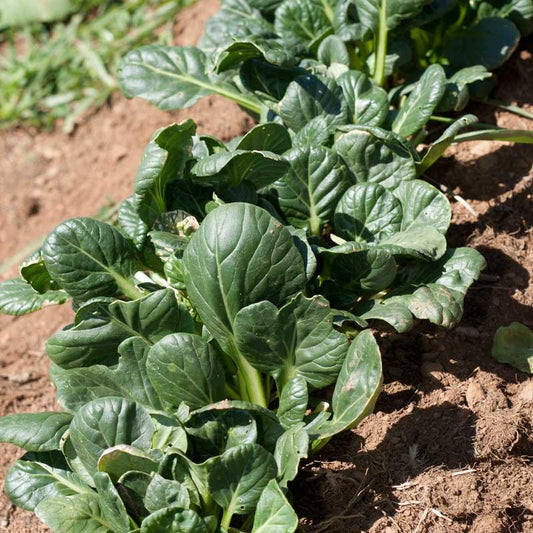
Mustard greens are among the easiest leafy vegetables to grow.
If you're looking for quality seed, browse Grow Organic's Organic Mustard Seeds collection for varieties suited to home gardens.
Good choices include:
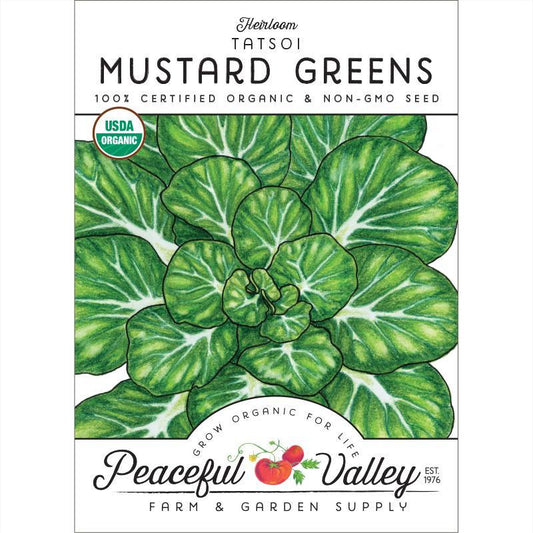
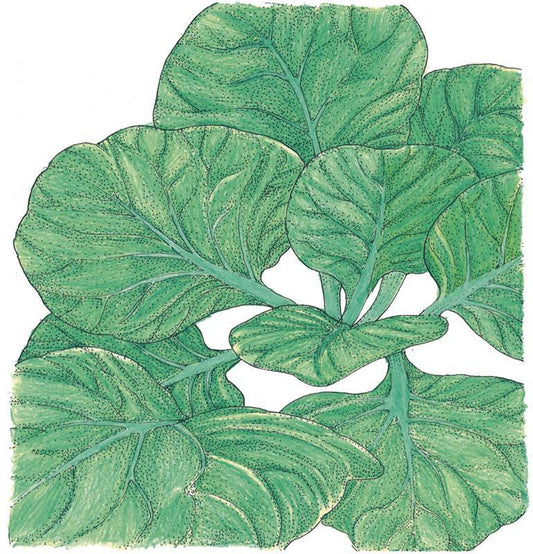
- Mustard Tatsoi Greens Seeds (Organic): Tender, spoon-shaped leaves with mild flavor that are perfect for salads and quick cooking.
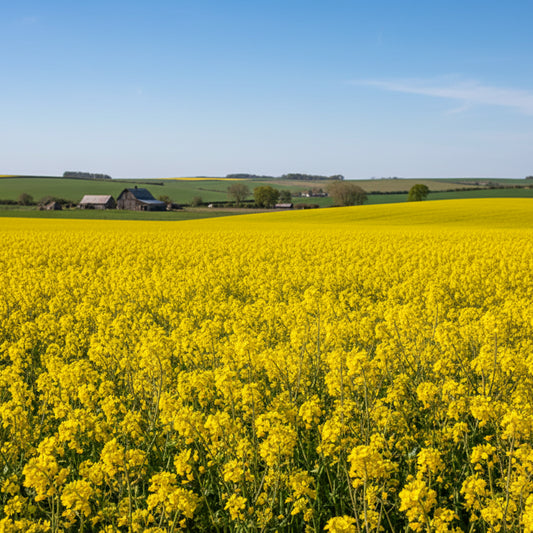
- Organic Yellow Mustard: A classic variety that produces flavorful leaves and can also be grown as a beneficial cover crop.
- Organic Greens, Mustard Tatsoi (1/4 lb): A great option for gardeners planting larger beds.
- Organic Greens, Mustard Mizuna (1/4 lb): Produces feathery leaves with a mild peppery flavor that works well fresh or cooked.
For more seasonal growing advice, Grow Organic's articles on What to Plant in Your Winter Garden, Grow Cover Crops in the Summer, and the September Gardening Checklist offer practical planting tips. The Growing Gourmet Salad Greens video also provides helpful harvesting ideas. If you're comparing root vegetables alongside leafy greens, see Grow Organic's guide to Rutabaga vs Turnip vs Other Root Vegetables Compared.
Conclusion
Choosing between mustard greens vs collard greens depends on your taste and your garden. Mustard greens grow quickly and add a bold, peppery bite to meals, while collards produce larger leaves with a mild flavor that stands up to longer cooking. Comparing collard greens and mustard greens also shows that both are easy to grow and packed with nutrition.
If you're deciding between collards vs mustard greens, think about how you'll use them in the kitchen. Gardeners who enjoy spicy greens often prefer mustard, while those who like traditional Southern dishes may choose collards. You can also grow both, along with kale and turnips, for fresh harvests throughout the cool season.
Whether you're planting a single collard green, experimenting with mustard greens and turnip greens, or comparing collard greens vs turnip greens vs mustard greens, these cool-season vegetables reward gardeners with fresh harvests and healthy meals.