Organic shallot growing is a production approach governed by specific practices and, for certified operations, formal standards. It does not mean plants are “chemical-free,” nor does it eliminate the need to diagnose pests and use inputs carefully.
Begin With Sound Planting Material
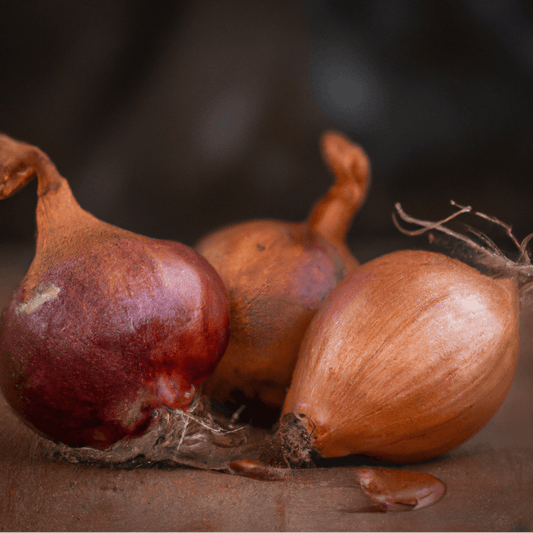
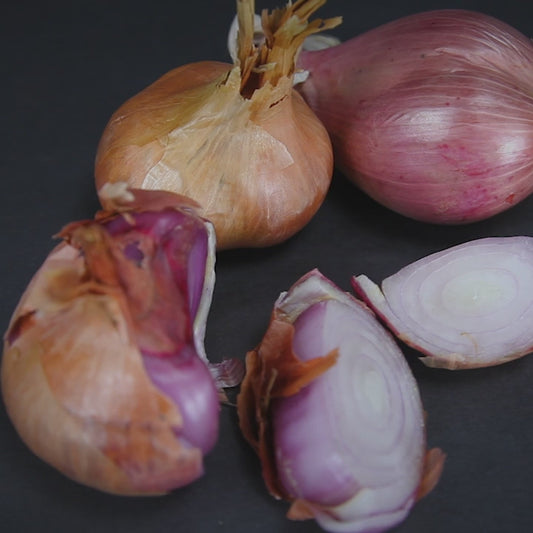
Inspect shallot bulbs before planting and reject soft, moldy, or badly damaged material. Starting with sound bulbs reduces the chance of introducing avoidable decay, although appearance alone cannot rule out every pathogen or pest.
Build the Crop Around Soil Conditions
Use a soil test to guide pH and fertility decisions. Improve physical condition with mature compost when appropriate, but do not assume more compost or phosphorus is always beneficial. Shallots perform best where roots receive moisture and oxygen without prolonged saturation.
Manage Fertility by Growth Stage
Support early leaf growth with a balanced plan based on the soil test, crop history, and fertilizer label. Avoid heavy late nitrogen after bulb development is underway. For certified production, verify that every input is allowed by your certifier and production plan before use.
Prevent Problems Before Treating
- Rotate shallots with non-allium crops.
- Control weeds and volunteer alliums.
- Minimize bulb and root injury.
- Water according to soil moisture and avoid extended leaf wetness.
- Remove severely affected plants and keep questionable bulbs out of storage.
- Clean soil from tools before moving between beds.
Use Integrated Pest Management
Inspect plants regularly and identify the pest, disease, or environmental cause before acting. Organic-approved products are still pesticides or crop inputs and must be used only where the current label permits the crop or site, target problem, method, timing, and rate. “Natural” is not a substitute for a correct diagnosis or label compliance.
Harvest, Cure, and Store Carefully
Lift bulbs rather than pulling hard on the tops. Protect wrappers from cuts and bruising, cure with shade and airflow, and store only sound, dry bulbs. Good postharvest handling is part of disease prevention.
Organic Shallot Resources
Organic Shallot Practice Resources
Use the complete shallot cultivation guide for the full season.
Related Pest Control Resources
Content role: Supplementary · Topic: IPM & general pest control
- What is Integrated Pest Management (IPM)?
- Pest Control Solution Chart
- Browse Insect Control products
Identify the pest or problem first. For pesticides, repellents, traps, and biological controls, confirm that the current label or directions cover the target site and pest. Follow all directions and precautions.