Prepare Southern California citrus, avocados, berries, and garden infrastructure for winter by separating summer recovery from storm, wind, and localized frost readiness. The immediate coast may stay mild while inland valleys, canyon cold pockets, and mountains freeze. Santa Ana winds and delayed rain can still stress roots before winter storms expose drainage. Inspect plant stage, roots, crop load, irrigation, slope, supports, and local forecast before pruning, covering, or winterizing.
Winter preparation works best when perennial recovery, frost and wind readiness, drainage, supports, tools, and irrigation are considered together. Use the Southern California fall garden reset to coordinate the work. The soil guide can help with amendments and cover, the irrigation guide with zone changes, and the IPM guide with diagnosis.
Check whether each perennial or infrastructure task is ready
| Task | Conditions that support the work | Reasons to wait or adjust | Regional considerations |
|---|---|---|---|
| Adjust perennial irrigation | Root-zone moisture, crop stage, heat departure, rain penetration, and delivery have been verified | Santa Ana wind, lingering heat, a young root system, or dry soil still requires water | Coastal demand may fall early; inland and canyon exposure can keep demand high |
| Add or adjust root-zone cover | Soil condition and fire guidance allow clean, anchored material kept clear of trunks and crowns | Dense cover shelters rodents, holds excess moisture, blows in wind, or conflicts with defensible space | Evaporation protection inland; moisture, snails, and crown health near the coast |
| Prune | Species, growth stage, training system, disease context, weather, and purpose support the cut | The plant is heat-, drought-, salt-, smoke-, or pest-stressed; cold damage is not yet clear; major structure is involved | Avoid forcing late growth; use crop-specific timing rather than regional habit |
| Install frost protection | A vulnerable crop stage, local forecast, cold-air drainage, and manageable system justify it | The structure cannot be secured, ventilated, inspected, or removed, or wind creates a hazard | Frost-light coast differs from inland valleys, canyons, and mountains |
| Repair trellises, stakes, and guards | Ground is stable, load is understood, components fit, and work is safe | Santa Ana wind, saturated soil, utilities, unstable limbs, or slope hazards require qualified help | Plan for wind, crop load, rain, rodents, and mountain snow where relevant |
| Winterize irrigation | Exposed components and local freeze forecast require it, and no planting still depends on the line | Dry fall conditions, cover crops, garlic, or young perennials still need water | Target mountain and frost-pocket exposure rather than the whole region |
Read four winter-preparation patterns
Immediate coast and marine layer: Mild temperatures reduce some frost concern, but wind, salt exposure, leaf wetness, drainage, and snails remain relevant. Do not overwater because the season changed. Maintain airflow and root-zone oxygen.
Inland valleys: Lingering heat can continue after coastal cooling, followed by sharper cold. Verify morning recovery and irrigation before reducing water. Identify frost pockets and protect young or sensitive plants without assuming every established tree requires covering.
Foothills and canyons: Santa Ana wind, fire weather, slope runoff, smoke, and cold-air drainage make safety and anchoring central. Garden-scale drainage or cover is not protection from wildfire, debris flow, or an unstable slope.
Mountains and frost pockets: Earlier freeze, snow, exposed irrigation, and short establishment windows change every operation. Use cultivar hardiness, site history, local forecast, and crop stage; USDA zones do not guarantee plant survival.
Stabilize roots before structural work
Check root-zone moisture below mulch, irrigation distribution, trunk or crown condition, graft union, exposed roots, soil cracks, drainage, and pest signs. A mature citrus tree, young avocado, cane berry, vine, and new bare-root planting have different root volumes and tolerances.
Water from measured need, soil, crop stage, weather, and current local rules. A first rain may not reach roots; a heavy storm may saturate a compacted zone. Do not fertilize stressed perennials to force recovery. Ground nutrients in a soil test, crop needs, irrigation water, bed history, and label.
Keep clean soil cover where it moderates evaporation and erosion, but leave appropriate space around trunks, grafts, crowns, and cane bases. Check for rodents, snails, excess wetness, and conflicts with current fire guidance.
Prepare citrus and avocados conditionally
Inspect canopy, fruit load, sunburn, broken wood, pests, trunk condition, irrigation, and roots. Citrus symptoms can have several causes and may involve regulated pests or disease; use current institutional and agency resources. Do not move unresolved plant material or apply a blanket treatment.
Avocados can be sensitive to root-zone saturation, salts, cold, heat, and wind depending on cultivar, rootstock, age, and site. Avoid digging into roots or piling mulch against the trunk. In frost-exposed inland or canyon sites, use local forecast and plant-specific guidance. A cover or light cannot guarantee protection and may create heat, electrical, or fire risk if misused.
Maintain berries and vines
Identify the crop, cultivar, age, fruiting wood, and training system before cutting. Remove confirmed dead, broken, diseased, or hazardous material as crop guidance supports, then maintain ties and supports without girdling stems. The cane-berry guide provides crop-specific depth.
Browse Berries & Vines only after verifying chill, hardiness, heat, water, pollination, mature size, disease fit, and destination eligibility. A plant sold for Southern California is not automatically suited to the immediate coast, an inland valley, or a mountain frost pocket.
Prune only for a defined purpose
Use the fruit-tree pruning guide for cut and timing technique. Avoid major cuts merely because harvest ended. Late pruning can stimulate vulnerable growth or expose tissue, and heat- or drought-stressed trees may respond poorly.
Clean and sharpen tools, use the correct size, maintain stable footing, and sanitize when disease transmission risk warrants it. Work near utilities, large limbs, unstable trees, or steep slopes requires a qualified arborist. Compare Pruning & Cutting Tools by branch size and designed task only after the cut is justified.
Plan dormant-season purchases early
Before ordering, define mature size, hardiness, chill requirement, heat tolerance, rootstock, pollination, drainage, irrigation, and planting position. The Bare Root Tree Care guide covers receiving and first-year establishment.
Shipping windows, regional eligibility, plant status, and inventory can change. Confirm these details immediately before purchase. Do not guarantee chill accumulation, flowering, fruit set, maturity, or survival.
Prepare frost protection as a managed system
Map cold-air drainage, exposed plants, and safe anchor points. Know which crop stage is vulnerable and how the material will be installed, ventilated, inspected, and removed. Keep covers from damaging foliage or becoming wind hazards. Follow product instructions and electrical or fire safety.
Water-based frost tactics require continuous, correctly timed application and suitable equipment; improper use can worsen damage or waste water. Use authoritative crop-specific guidance. Frost protection reduces exposure under certain conditions and cannot guarantee survival or harvest.
Prepare drainage and slopes for storms
Map roof runoff, hardscape, paths, retaining structures, outlets, low points, and erosion. Clear only designed safe drainage features. Do not redirect water onto neighboring property, streets, foundations, slopes, or waterways. Rain capture must follow local codes, overflow, vector-control, and water-quality requirements.
Wildfire history can increase runoff and debris-flow risk. Stay out of hazardous areas and follow emergency guidance. Obtain qualified help for slope stability, retaining walls, major drainage, or damaged trees.
Maintain supports, tools, and covers
Inspect posts, anchors, wire, stakes, guards, fasteners, shade cloth, frost fabric, hoses, filters, and tool handles. Design for mature load, wind, rain, and mountain snow where relevant. Maintain reusable materials to extend life, but replace degraded components that cannot operate safely.
Remove or store summer shade only when heat and crop stage allow. Clean and dry reusable fabric according to instructions. Label irrigation zones and freeze-exposed components so winterization does not disconnect a bed that still needs water.
Protect open beds and prepare garlic areas
Protect soil between crop cycles. When a managed cover crop fits water, temperature, rotation, season, and termination capacity, compare Year Round Cover Crop Mixes. If living cover cannot establish, use appropriate anchored mulch or clean residue.
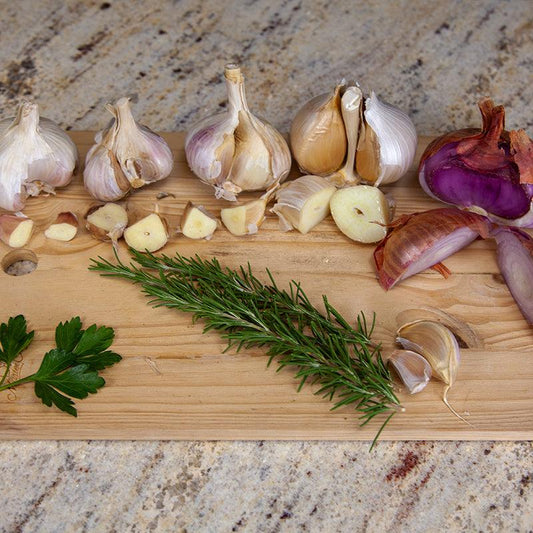
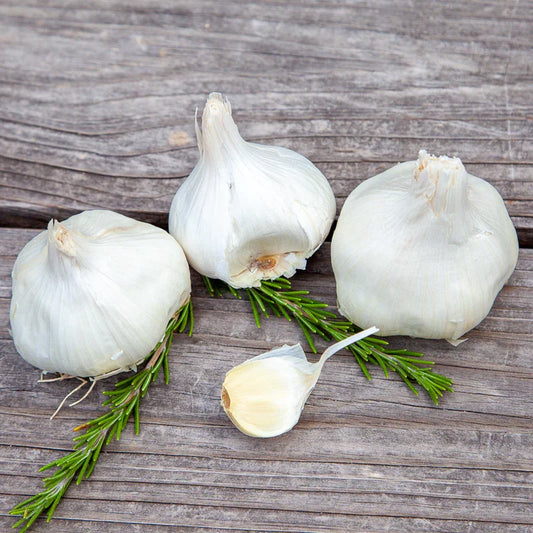
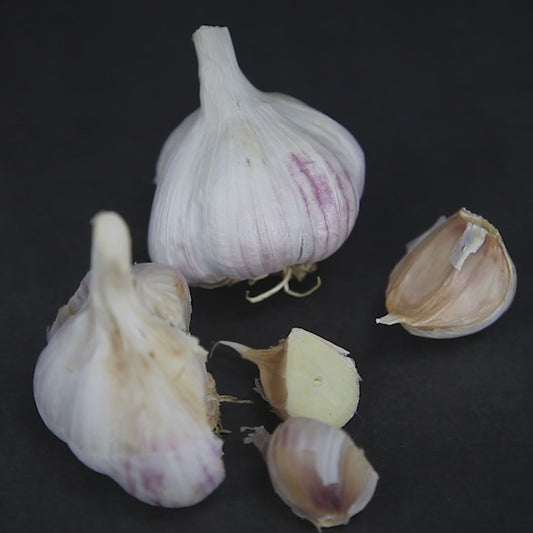
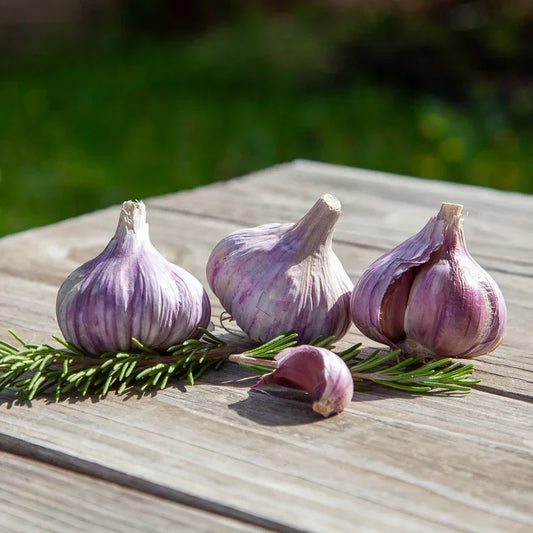
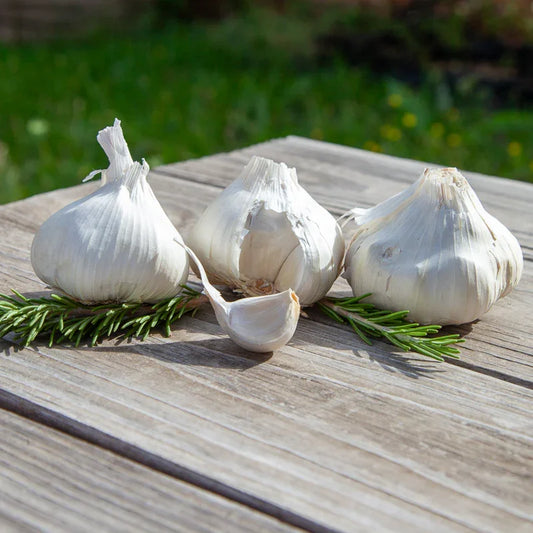
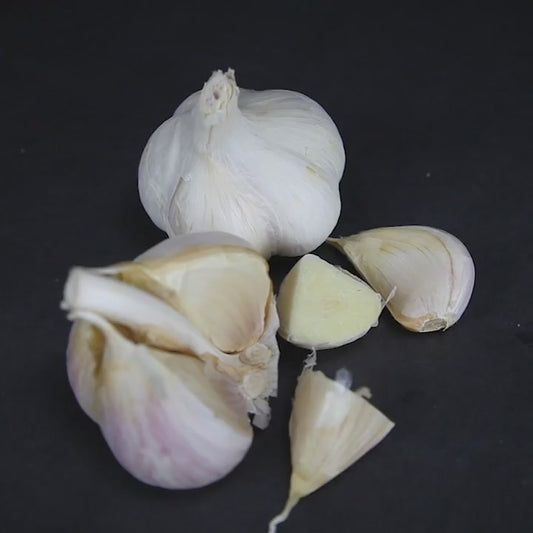
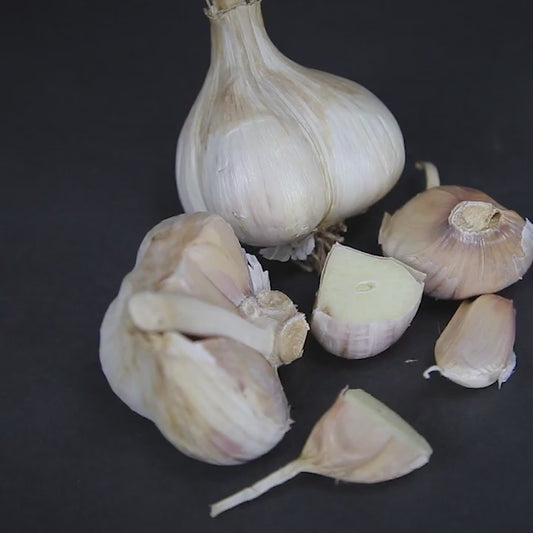
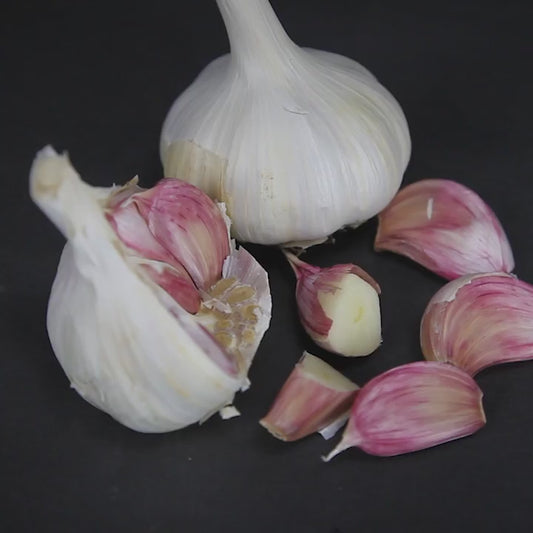
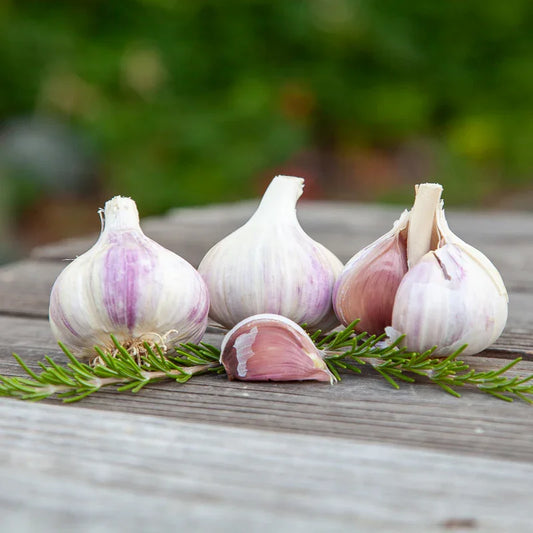
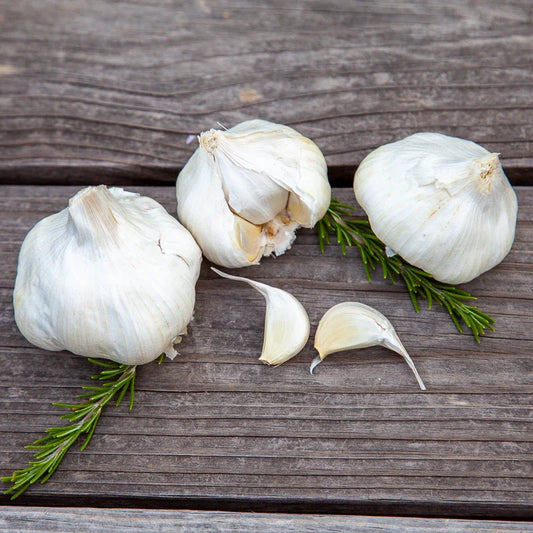
Garlic beds need workable, draining soil, suitable planting stock, rotation, water, and tested fertility. Compare Seed Garlic only after climate and bed fit are defined, and confirm shipping eligibility before purchase. Garlic results are not guaranteed.
Use the winter-preparation checklist
- Map root moisture, heat recovery, wind, frost pockets, drainage, and slopes.
- Inspect citrus, avocado, berry and vine roots, canopy, crop load, ties, guards, and pests.
- Adjust irrigation by zone and verify first-rain penetration.
- Keep cover clear of trunks, grafts, crowns, and cane bases.
- Prune only with crop-specific purpose, timing, diagnosis, and safe tools.
- Secure trellises, covers, irrigation, and loose materials before wind or storms.
- Prepare frost systems only where exposure and plant vulnerability justify them.
- Winterize freeze-exposed components without abandoning dry fall roots.
- Protect open beds with a managed crop, cover, mulch, or clean residue.
- Set the next trigger: wind, meaningful rain, local frost, crop stage, or root-zone change.
Record conditions for the next winter check
For each perennial and structure, record crop or cultivar, age, root-zone moisture, irrigation zone, recent heat or wind injury, pest or disease evidence, crop load, pruning or repair, cover position, frost exposure, and next inspection. Photograph ties, guards, graft unions, drainage, and canopy from consistent positions.
Review the record after Santa Ana wind, the first soaking rain, and the first local frost. If a cover moved, redesign the anchor before reuse. If water ponded, correct the safe drainage source before adding mulch or planting. If a perennial failed to recover, seek a diagnosis before pruning, feeding, or replacing it. Records reveal whether the intended outcomes—healthier roots, safer structures, protected soil, and less material waste—actually occurred.
Southern California winter preparation is not a blanket dormancy routine. Stabilize heat-stressed roots, keep water and drainage functional, secure infrastructure, and prepare only the frost, wind, crop, and perennial actions that the coast, valley, canyon, or mountain site actually requires.
Recheck every plan against current local fire, water, weather, quarantine, and safety information before the next operation.
Prepare perennials for the seasons ahead
Use the Southern California winter perennial guide to choose bare-root and low-chill plants, the spring perennial guide to establish berries, vines, and supports before heat, and the summer transition guide to start fall work while weather is still hot.
Where local conditions cross regional lines, compare Bay Area perennial guidance, Southwest fall perennial guidance, and Sacramento–Sierra fall perennial guidance. Keep only the advice that matches your soil, exposure, forecast, water, and plants.