Introduction
Trying a distinctive vegetable or herb is most rewarding when you know how you want to use it. An unfamiliar shape, a different texture, or a favorite kitchen aroma can give a small part of your garden a clear purpose. Start with the food you enjoy, then choose a variety that fits the space and season you have.
The examples below connect different garden interests with current seed listings. They are options to compare, not a ranking or a promise that every variety will suit every garden. Check the current product page for availability, packet options, and growing directions.
Choose the kind of difference you want
- A different shape: compare a familiar crop with a variety whose harvested form interests you.
- A different eating experience: decide whether you want crispness, a mild bite, or a particular fresh flavor.
- A kitchen project: begin with a dish you make often and choose an herb or vegetable you will use.
- A garden experiment: decide what you want to observe, such as your preferred harvest stage or how a variety fits your available space.
Compare distinctive choices across crops
| Garden interest | Variety to explore | Why it may interest you | Planning question |
|---|---|---|---|
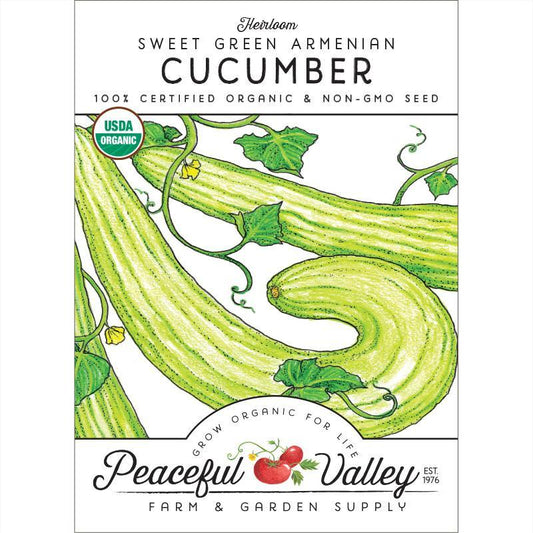
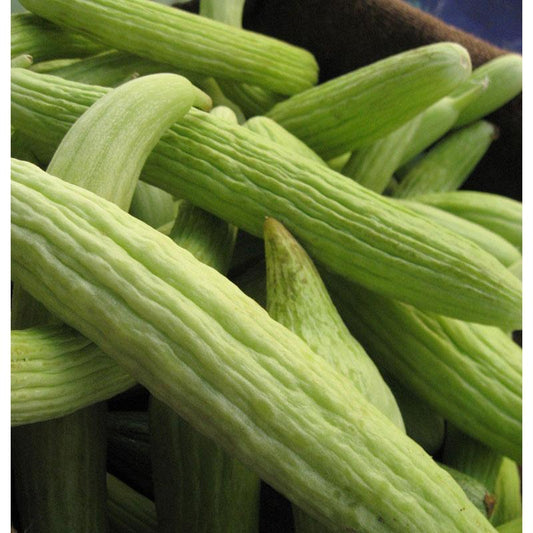
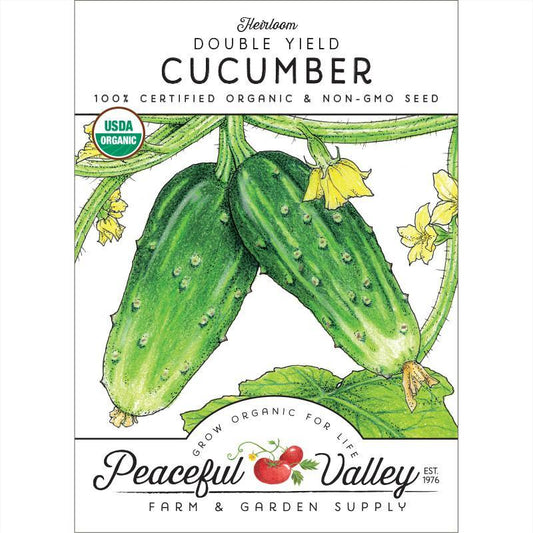
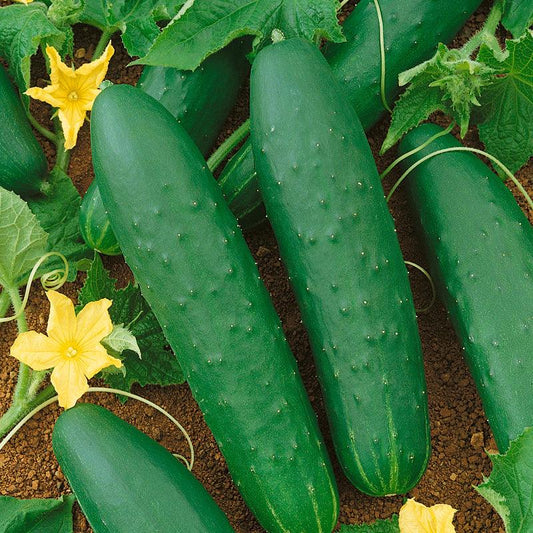
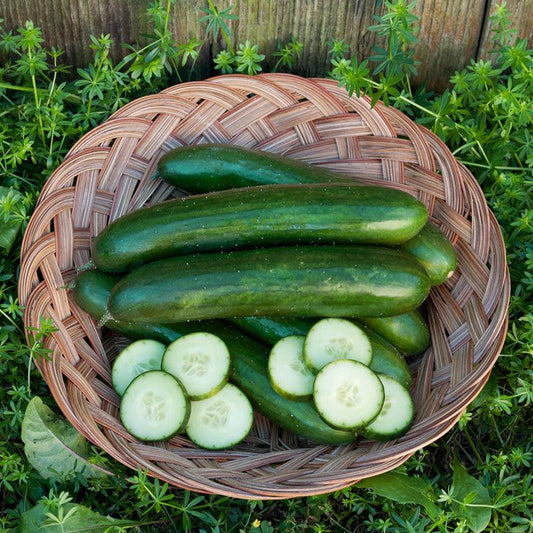
| Fresh slices with an unusual shape | Sweet Green Armenian Cucumber | The current listing describes long, ribbed fruit with a mild flavor. | Where will its vines grow, and how will you reach the harvest? |
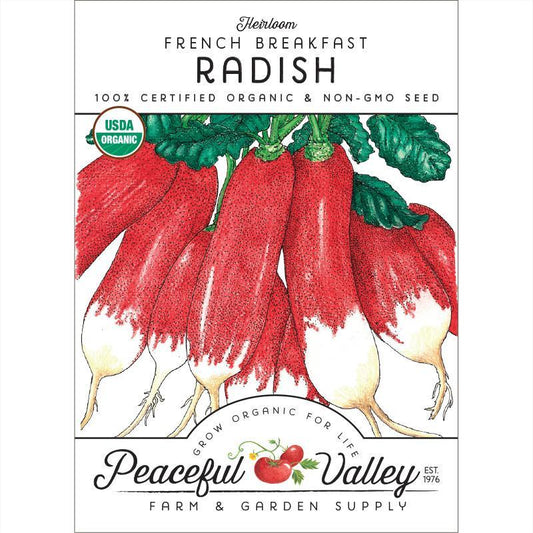
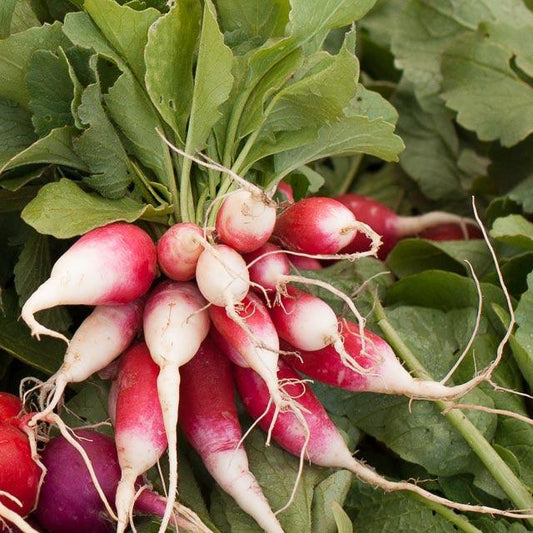
| A colorful, crisp addition to meals | French Breakfast Radish | The listing describes oblong pink-and-white roots with a mild peppery flavor. | Does the variety's growing window fit the season you are planning? |
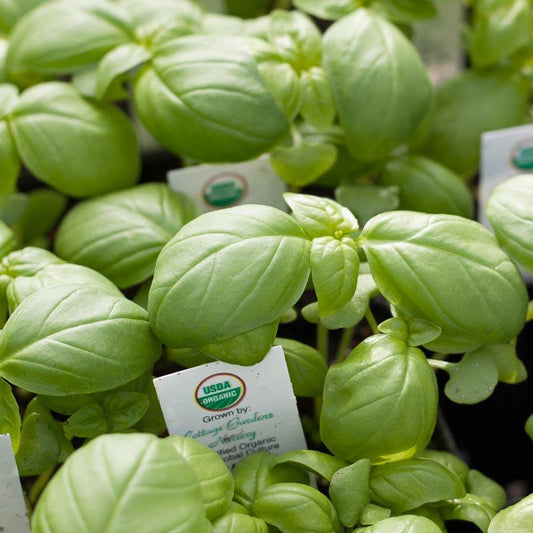
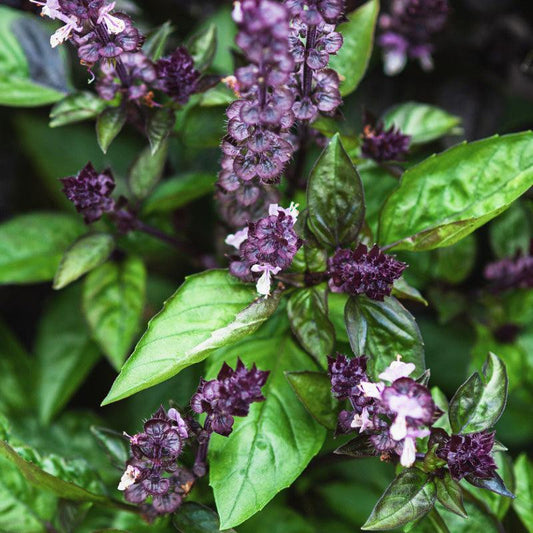
| Leaves for pesto and everyday cooking | Genovese Basil | The listing describes large green leaves and a sweet basil aroma suited to pesto and other dishes. | Will you have a warm, suitable place for this tender annual? |
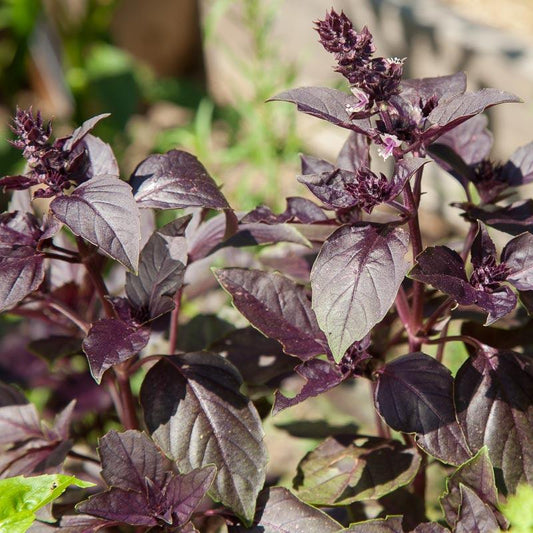
Genovese basil may already be familiar to you. “Distinctive” is personal: a well-known culinary variety can still introduce something new to your garden. Choose an experiment you are curious about rather than assuming rarity makes a crop more worthwhile.
Plan the harvest before adding another packet
Think through how each choice will reach the table. Would you use fresh slices regularly? Do you enjoy a peppery root in salads? Would a dedicated basil planting fit the meals you cook? This helps you decide which crop deserves space and which can wait.
A variety's description is a useful starting point, but your own harvest notes will show whether its flavor and texture suit you. Record what you liked, how you used it, and what you would change next time. Avoid judging an entire crop from a single unfamiliar variety or an unusually difficult season.
Fit the experiment into your existing garden
Check mature habit, available root space, light, and access before ordering. A vining crop needs a different layout from a compact herb or a root crop. Keep the experiment manageable so it does not crowd the crops you already value.
For practical small-space choices, read Add Edibles to Your Small Garden. For sowing depth, spacing, and maturity labels, use the seed-packet guide.
Keep seed labels and variety appeal separate
An unusual appearance does not establish a variety's origin, breeding method, or organic certification. Check those details individually in the current listing. The seed-label comparison guide explains the terms without assuming that one label guarantees flavor or garden performance.
Build your shortlist
- Choose a food use or feature that interests you.
- Compare the current description with the space you can provide.
- Check the packet and local growing guidance before setting a planting date.
- Keep the variety name with your planting and harvest notes.
- Use your experience to decide what deserves space next season.
Explore more options in the seed collection. Once you have chosen, use the Seed Learning Center for crop-specific instruction, the Seed Starting guide for indoor care, or the direct-sowing guide for outdoor establishment.