Orange, Yellow, and Chocolate Peppers: Flavor Profiles, Growing Tips, and Best Uses
Orange, yellow, and chocolate peppers often get overlooked in favor of red, but many home gardeners discover these colors bring deeper flavor, better texture, and more versatility in the kitchen. Whether you are growing for fresh eating, cooking, or preserving, these peppers offer a reliable sweet flavor, beautiful color, and strong performance in the garden.
All three types are forms of capsicum annuum, bred for sweetness rather than heat, and they reward growers who let fruit mature until fully ripe.

Flavor Profiles: How Each Color Tastes
Orange peppers
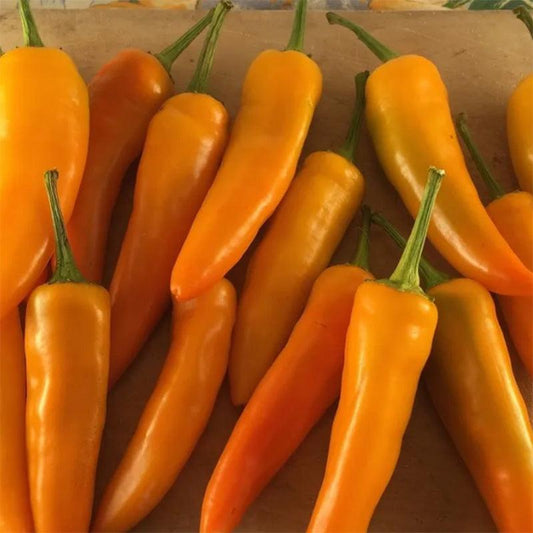
An orange pepper is often the surprise favorite. An orange sweet bell pepper tends to taste bright, fruity, and balanced, sometimes sweeter than red.
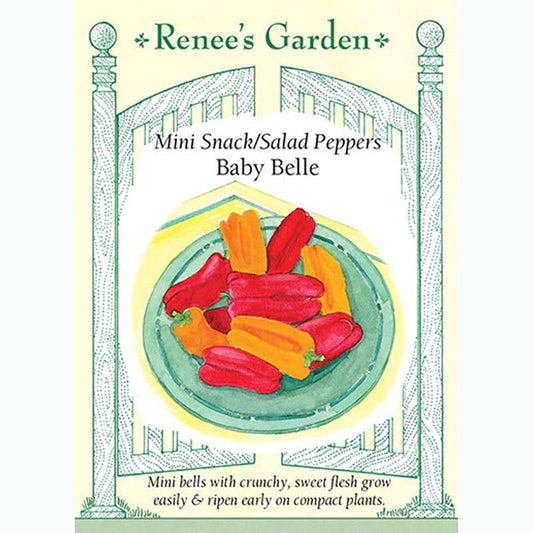
Varieties like Orange Wonder Sweet Bell Pepper Seeds (Organic) and Tequila Sunrise Sweet Pepper Seeds produce glossy fruit that ripens to bright orange and works well fresh or roasted. Smaller types such as Baby Belle Mini Snack/Salad Peppers Seeds are easy to grow and perfect for quick snacking.
Yellow peppers
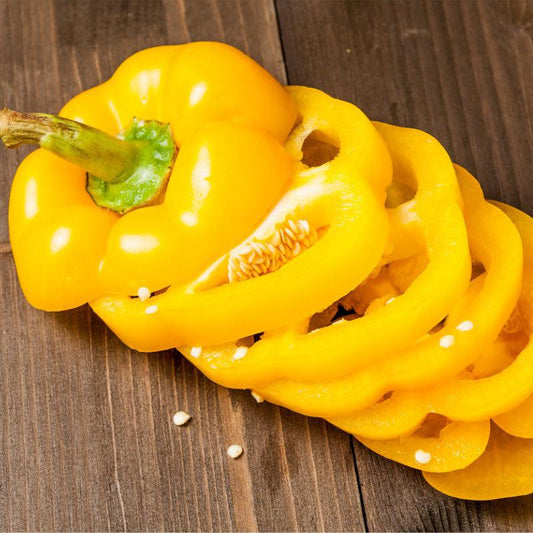
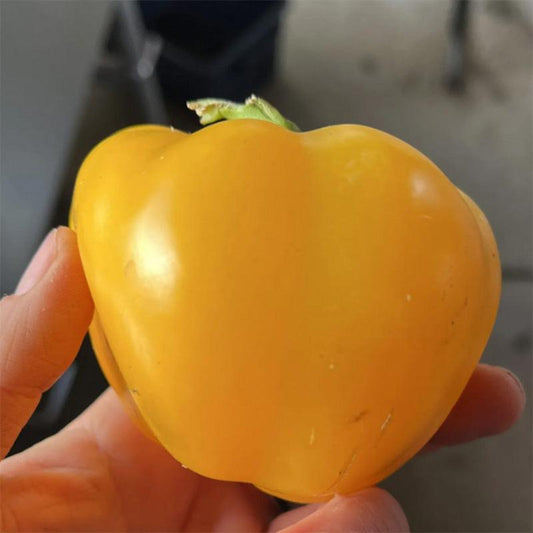
A yellow pepper has a mild, clean sweetness with less bite than green. A yellow bell pepper like Golden Calwonder Sweet Pepper Seeds (Organic) or Capriglio Amarillo Sweet Pepper Seeds is excellent for salads, grilling, or stuffing.
Yellow peppers have bright color and mild sweetness, and their thinner walls cook quickly.
Chocolate peppers
A chocolate sweet pepper, sometimes called a chocolate bell pepper, ripens to a deep chocolate brown color. These peppers taste rich and slightly earthy, with a sweetness that holds up well to roasting.
Chocolate Sweet Pepper Seeds (Organic) and Sheepnose Pimento Pepper Seeds (Organic) are popular choices for gardeners who want something different but reliable.

Growing Tips for Orange, Yellow, and Chocolate Peppers
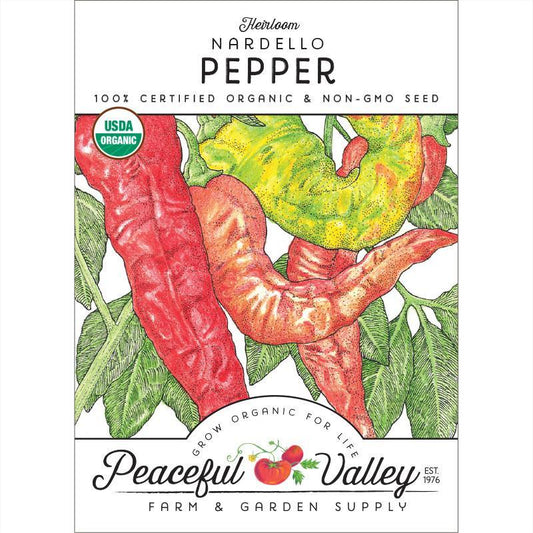
Peppers thrive with warmth, patience, and consistent care. These growing tips apply whether you are planting bells or branching out into types like Nardello Sweet Pepper Seeds (Organic) or Marconi Red Sweet Pepper Seeds (Organic).
Starting seeds strong
Pepper seeds need warmth. Use a heat mat to help seeds germinated evenly. Plant seeds about inch deep in loose mix and keep soil moist, not wet. Once seedlings are established, give them bright light to prevent stretching.
In the garden
Set plants out after frost when soil is warm. Peppers need full sun, steady water, and drained soils. Space bell pepper plants well to reduce disease and help fruit size. Most sweet peppers are early maturing compared to hot types, but flavor improves the longer fruit stays on the plant.
Feeding and care
Healthy plants make better fruit. A balanced feeding plan like the one in Best Fertilizer for Peppers: 6 Tips for Growing Peppers supports steady growth. For a full overview, the pepper growing guide and how to grow peppers guide cover planting through harvest.
Harvest and seed saving
Harvest peppers when color is deep and glossy. If you want to save seeds, isolate varieties since peppers can cross pollinate. Fully ripe fruit produces the most viable seed.

Best Uses in the Kitchen
Orange and yellow peppers shine raw or lightly cooked. Chocolate peppers excel when roasted or sautéed. All three are excellent for fresh eating, grilling, and freezing. Store fresh peppers short-term in the fridge, or chop and store in an airtight container in the freezer.
If you enjoy heat alongside sweetness, explore options like Organic Hot Orange Habanero Pepper or Thai Duo Orange Full Moon & Red Vesuvius Chile Pepper Seeds. For heat-focused growing, guides like Growing Large Habanero Peppers Made Simple are helpful.
You can browse all options in our full pepper seeds collection, including sweet pepper seeds and hot pepper seeds.
Conclusion
Orange, yellow, and chocolate peppers bring variety, dependable sweetness, and color to the garden. With good soil, warmth, and patience, these peppers—including sweet pepper orange varieties and classic orange bell pepper plants—reward growers with excellent flavor and steady harvests.
Whether you’re growing an orange bell pepper or an orange sweet pepper, these colorful varieties taste as good as they look and are well worth the space in your garden.