
Collection: Trace Minerals for Plants
Compare products by nutrient analysis, formulation, application method and label directions.

-


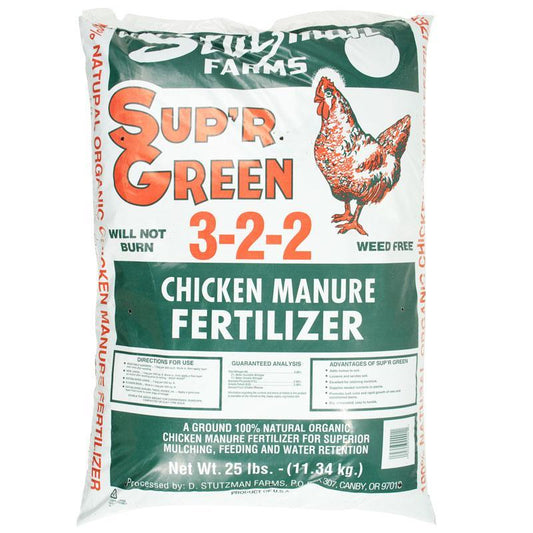
Sup'R Green Organic Chicken Manure (Composted) (25 lb)
Regular price $6.99Sale $6.99Unit price per -

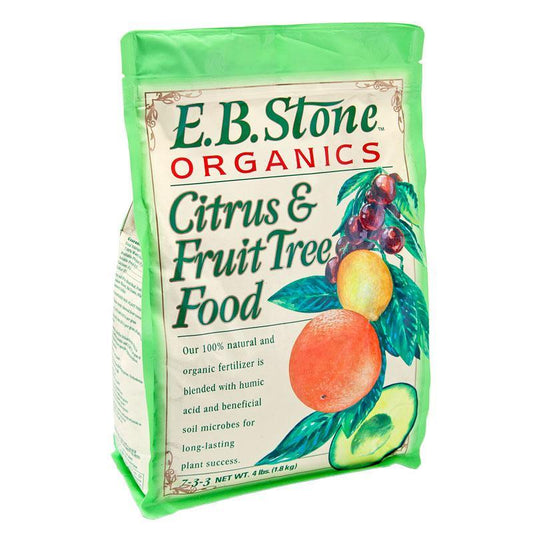
Citrus & Fruit Tree Food 7-3-3 (4 lb bag)
Regular price $11.99Sale $11.99Unit price per -

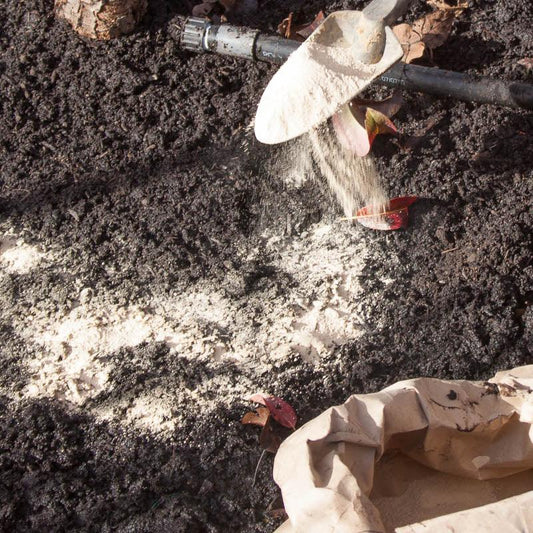
Calphos Soft Rock Phosphate - Regular Powder (50 lb)
Regular price $22.99Sale $22.99Unit price per -

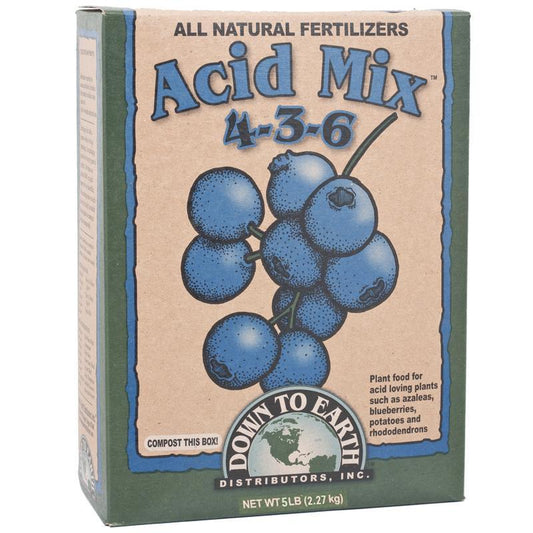
Acid Mix 4-3-6 (5 lb Box)
Regular price $15.99Sale $15.99Unit price per -

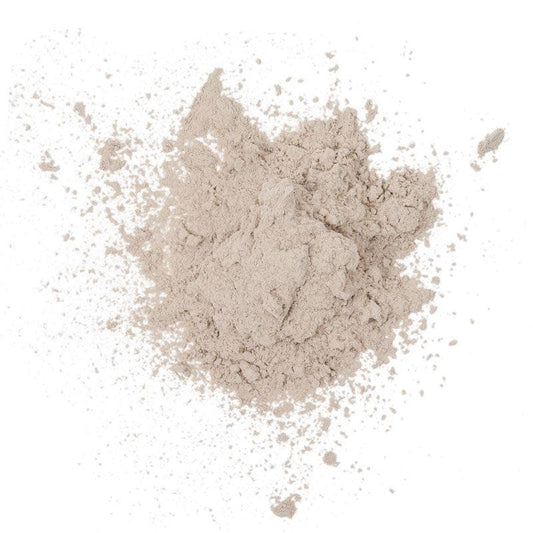
Azomite Micronized (44 lb)
Regular price $27.99Sale $27.99Unit price per -


Oyster Shell Flour (50 lb)
Regular price $25.99Sale $25.99Unit price per -


Fish Bone Meal 4-12-0 (5 lb)
Regular price $15.99Sale $15.99Unit price per -

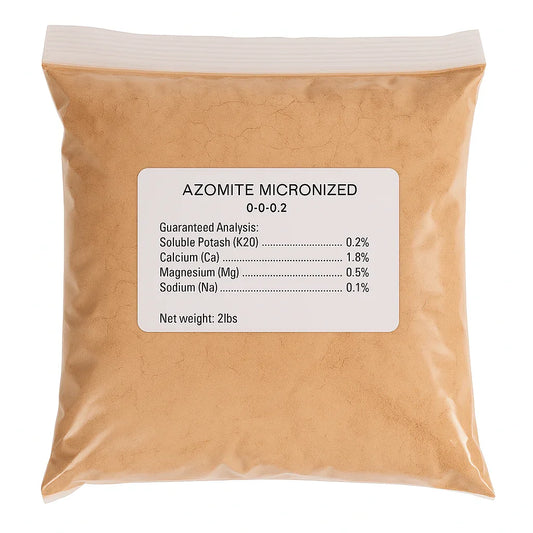
Azomite - Micronized (2 lb)
Regular price $9.99Sale $9.99Unit price per -

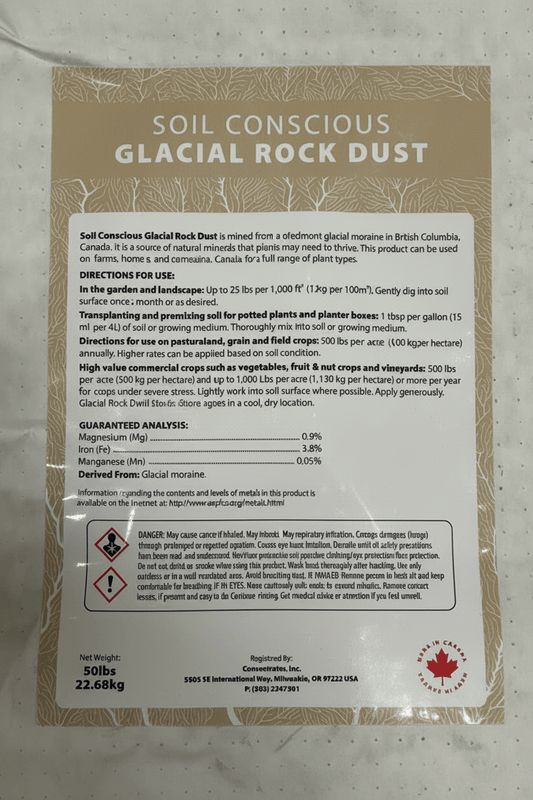
Soil Conscious Glacial Rock Dust - 50 lb - Organic
Regular price $30.99Sale $30.99Unit price per -

Organic Feather Meal 12.8-0-0 (50 lb)
Regular price $49.99Sale $49.99Unit price per -

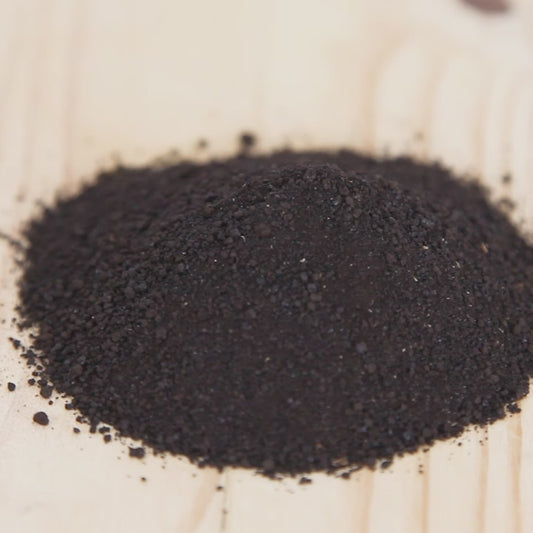
Organic Blood Meal 13.6-0-0 (50 lb)
Regular price $68.79Sale $68.79Unit price per -

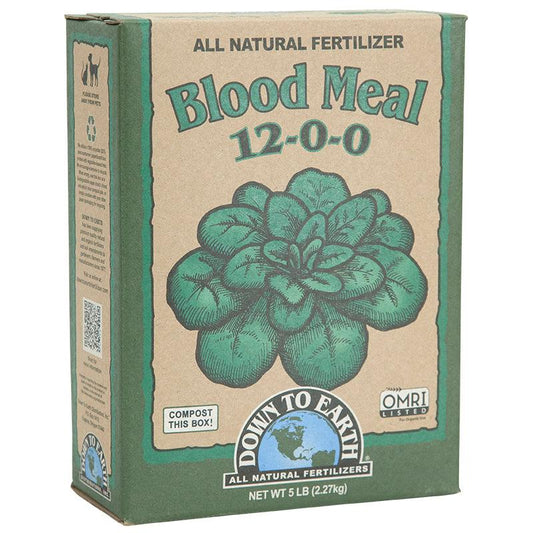
Blood Meal 12-0-0 (4 lb Box)
Regular price $21.99Sale $21.99Unit price per -

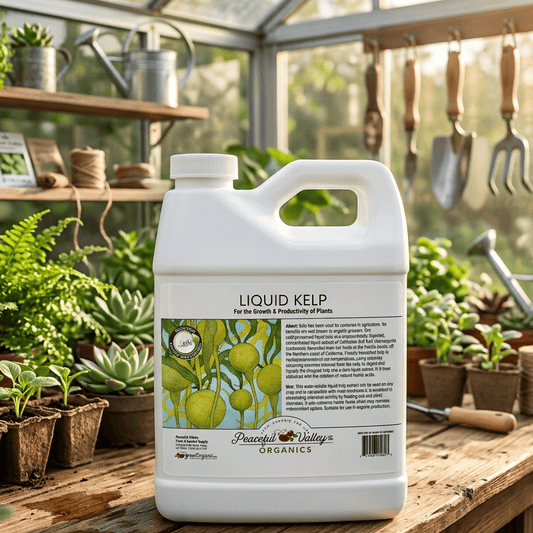
Peaceful Valley Organic Liquid Kelp
Regular price $8.99Sale $8.99Unit price per -

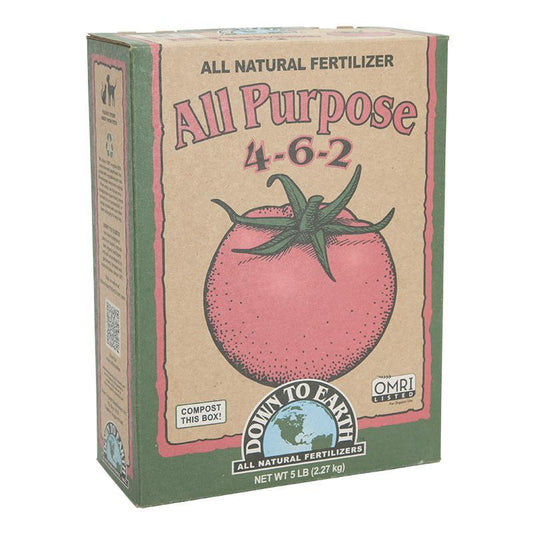
Down to Earth All Purpose Mix 4-6-2 (5 lb Box)
Regular price $15.99Sale $15.99Unit price per -


Acid Mix (25 lb Bag)
Regular price $48.99Sale $48.99Unit price per -


Citrus Mix Fertilizer 6-3-3 (5 lb)
Regular price $17.99Sale $17.99Unit price per -

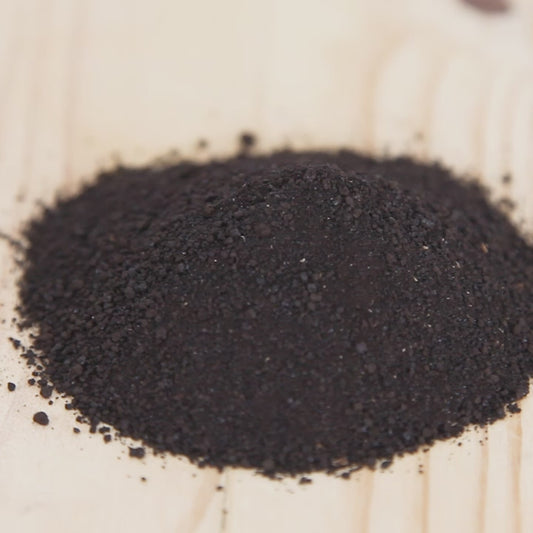
Blood Meal 13.6-0-0 (25 lb)
Regular price $34.19Sale $34.19Unit price per -

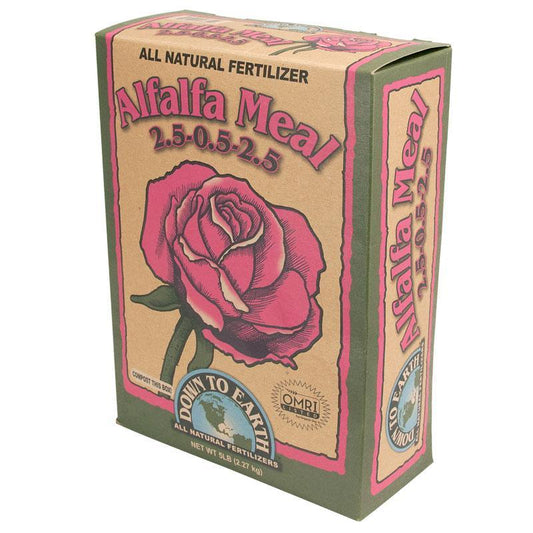
Alfalfa Meal (4 lb Box)
Regular price $13.99Sale $13.99Unit price per -


Down To Earth All Purpose Mix 4-6-2 (25 lb bag)
Regular price $47.99Sale $47.99Unit price per -

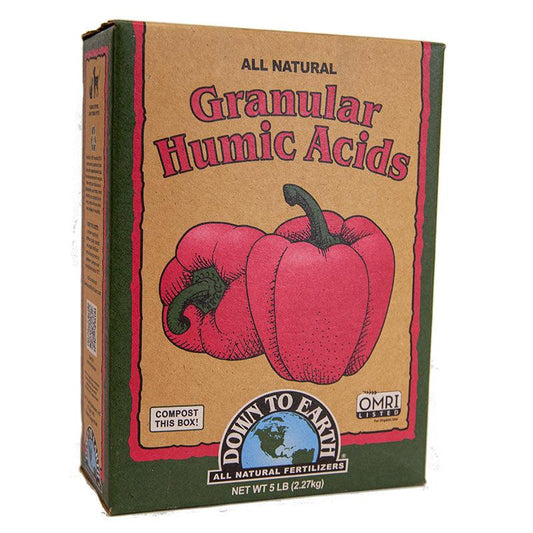
Humic Acids, Granular (5 lb Box)
Regular price $13.99Sale $13.99Unit price per -


Bio-Fish All Purpose 7-7-2 Fertilizer (5 lb)
Regular price $17.99Sale $17.99Unit price per -


Acid Mix 4-3-6 (1 lb Box)
Regular price $4.99Sale $4.99Unit price per -

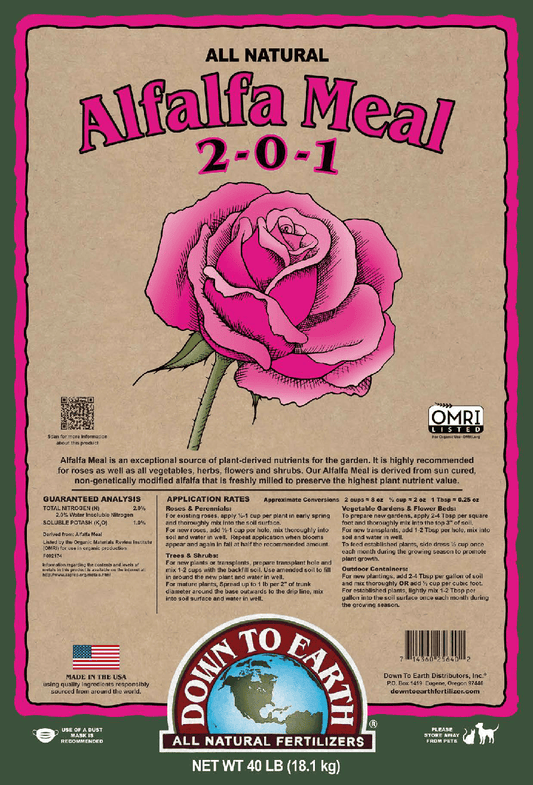
Alfalfa Meal (40 lb Bag)
Regular price $55.99Sale $55.99Unit price per -


Neem Seed Meal 6-1-2 (5 lb Box)
Regular price $25.99Sale $25.99Unit price per -

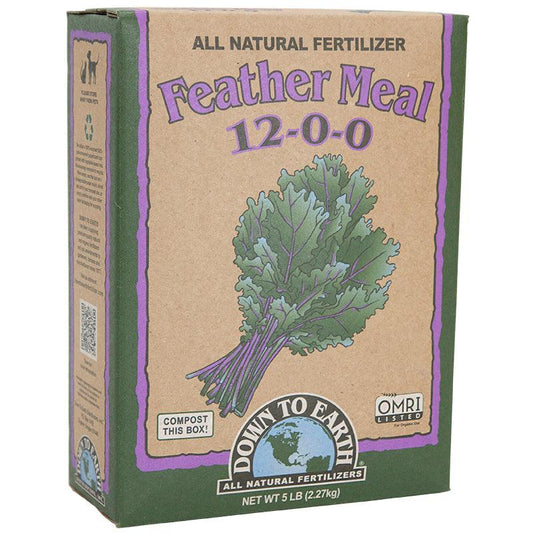
Feather Meal (4 lb Box)
Regular price $17.99Sale $17.99Unit price per -


Bio-Fish All Purpose 7-7-2 Fertilizer (50 lb)
Regular price $71.99Sale $71.99Unit price per -

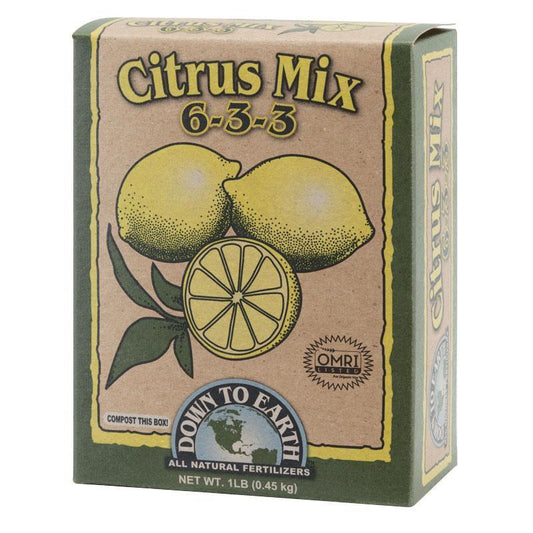
Citrus Mix Fertilizer 6-3-3 (1 lb box)
Regular price $5.99Sale $5.99Unit price per -


Organic Bone Meal Fertilizer 3-15-0 (50 lb)
Regular price $57.99Sale $57.99Unit price per -


Fish Meal (50 lb)
Regular price $95.99Sale $95.99Unit price per -

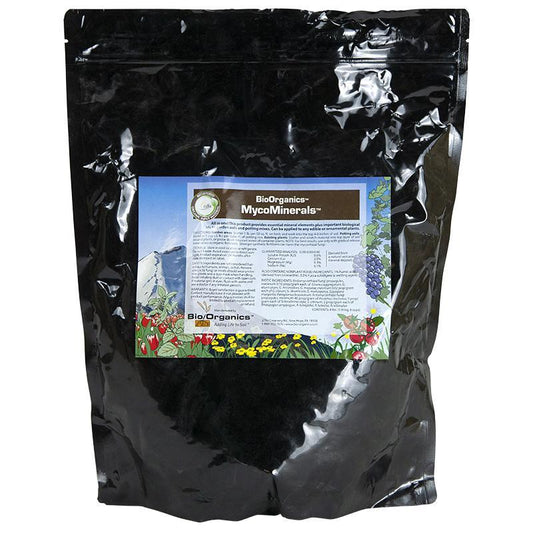
MycoMinerals Soil Amendment (4 lb bag)
Regular price $30.99Sale $30.99Unit price per -


Zinc Sulfate Powder (50 lb)
Regular price $89.99Sale $89.99Unit price per -

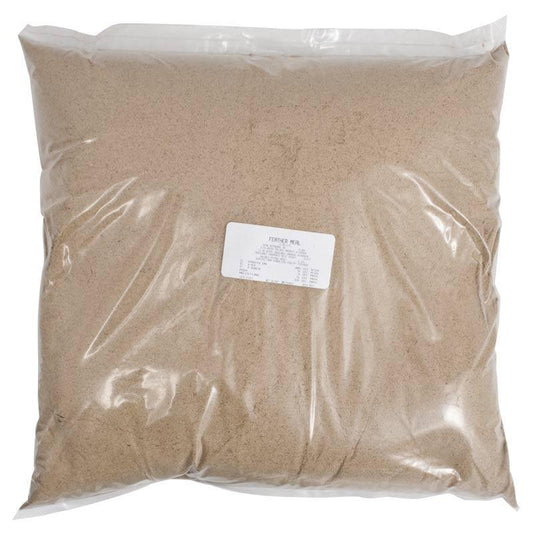
Feather Meal 12.8-0-0 (25 lb)
Regular price $26.99Sale $26.99Unit price per


Choose mineral fertilizer from a soil test
Start with a soil or tissue test that identifies the nutrient your plants need. This broad collection includes rock dust, targeted mineral products, fertilizer blends and other amendments. Read the label to see which nutrients the product supplies and how to use it.
Trace minerals and other plant nutrients
Plants need micronutrients such as iron, manganese, zinc, boron, copper and molybdenum in small amounts. Calcium, magnesium and sulfur are secondary macronutrients, rather than trace minerals. Plants need each of these nutrients, but in different amounts.
A yellow leaf alone does not identify a specific deficiency. Soil pH, wet soil and root health can change how plants take up nutrients. Use test results and crop guidance to decide whether to add a nutrient or address another growing condition.
Compare product types
- Azomite and glacial rock dust: Mineral amendments with a different purpose from a complete nitrogen-phosphorus-potassium fertilizer. Check grade, analysis and application directions.
- Zinc, manganese, iron and boron products: Choose these when a test shows a need. Measure carefully; excess micronutrients can damage plants.
- Lime, oyster shell and phosphate products: Compare the nutrient supplied and any effect on soil pH. They are not substitutes for every trace-mineral need.
- Blended fertilizers and meals: Check what the blend already supplies before adding more minerals.
Match the form to your equipment
Powders, granules and liquids need different care. Micronized Azomite is a fine powder. Avoid breathing the dust. Follow its label for mixing and stirring. Fine powder may not fully dissolve in water. Check whether your watering system can handle it.
Measure the area and use the label rate to choose a package size. Record what you apply and test the soil again when needed. Check organic-input documentation and shipping requirements on the exact item. Return to nutrient-specific fertilizers or browse soil testing supplies.