
Coco Coir for Garden Soil and Potting Mixes

Coconut coir, also called coco coir or coconut fiber, is a useful ingredient for potting mixes, seed-starting media, raised beds, and garden soils. Its performance depends on particle size, processing, salt content, and the other ingredients in the mix.
Derived from coconut husks, coir can retain moisture while leaving pore space for air when it is blended appropriately. It can improve the physical structure of sandy or dense mixes, but irrigation and fertilizer practices still need to match the crop and container.
What Is Coconut Coir?
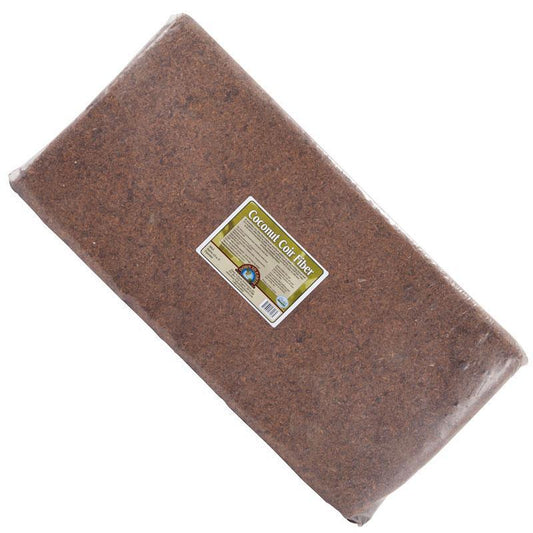
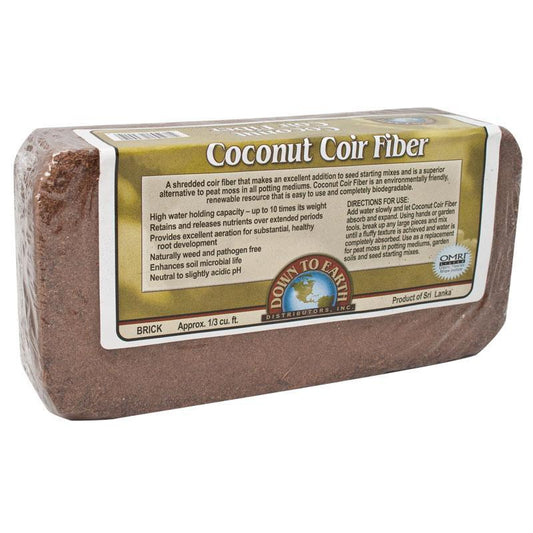
Coconut coir (or coco peat) is a natural byproduct of coir production, where the fibrous material between a coconut’s outer shell and inner seed is processed into usable growing materials. Once cleaned, ground, and soaked in water, it can be compressed into peat bricks, coir bricks, or packaged as loose coco fiber.
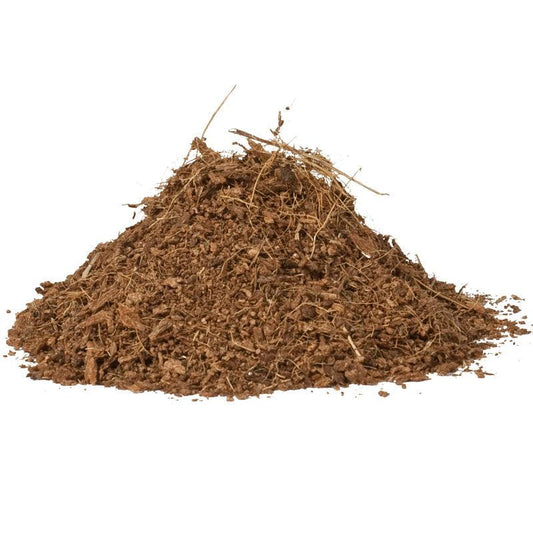
When you add water, these coco coir products become a fluffy, sponge-like material. This material holds moisture very well and creates air pockets. These air pockets help plant roots breathe. This balance of moisture retention and aeration can make coconut coir useful for many beginner and experienced gardeners when the rest of the mix is matched to the crop.
To see the process in action, watch the Grow Organic coco-coir video embedded below in this guide.

Why Gardeners Love Coco Coir Soil
1. Excellent Moisture Retention and Drainage
Processed coir can hold several times its dry weight in water while still providing drainage, although capacity varies by grade and compaction. In hot or dry climates, that moisture buffering can reduce how quickly a mix dries; it does not replace checking moisture or providing adequate drainage.
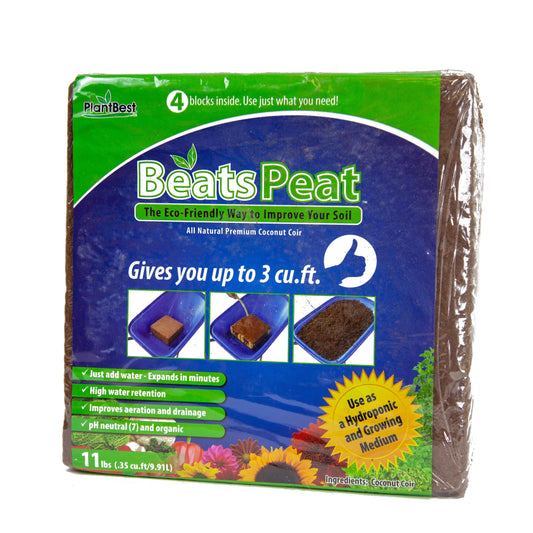
Products like the Coco Peat 700 g Brick and BeatsPeat 3 Cu Ft Brick are options for adding coir to a potting or garden-soil mix. Compare package size, particle form, and product directions before choosing.
2. Improves Soil Structure and Aeration
Healthy roots need oxygen as much as they need water. Coconut fiber for plants naturally creates air pockets in the soil, promoting strong root development and better nutrient absorption. Mixing coco coir into dense or sandy soil can improve texture and help balance moisture with airflow.
This is why many gardeners use coco coir in raised beds or container mixes. Coir changes physical structure, but it does not supply a complete nutrient program.
3. Ideal for Potting Mixes and Seed Starting
Coco peat and coir are widely used in growing media because they are lightweight and easy to handle. Commercial products may be washed, buffered, or heat-treated, but coir is not inherently sterile; check the product label and avoid reusing material from diseased plants. Coir contains few plant nutrients, so a complete fertility program is usually needed.
Explore growing media that combine coir with other ingredients for containers, seed starting, or indoor growing. Compare labels for particle size, nutrient charge, and intended use.

4. Durable Structure and Environmental Tradeoffs
Coir uses the outer husk of coconuts and can reduce reliance on peat in some mixes. Its overall environmental footprint depends on processing, washing, drying, and transportation. Browse coco peat products and compare product specifications for your application.
Coir generally breaks down more slowly than compost and can retain useful structure through a growing cycle. Reuse depends on crop health, salt buildup, and sanitation; discard material that carried root disease and refresh mixes that have compacted.
How to Use Coconut Coir in the Garden
To use coco coir effectively, start by soaking coir bricks or peat bricks in water until they expand. The material will soften into a rich, earthy texture similar to peat moss but lighter and more resilient. Once hydrated, it’s ready to mix into your garden soil, potting mix, or raised garden beds.

As a starting point, coir can be blended with compost and an aeration ingredient such as perlite, then adjusted for the crop, container size, and irrigation method. Compost supplies only part of a crop’s nutrient needs, so monitor fertility. For mulch alternatives, products like the Miracle Mulch Compressed Brick can help cover soil and reduce evaporation when applied at an appropriate depth.
For container gardening, consider coconut fiber round pots like these Coconut Fiber Round Pots (4-Pack), which promote air pruning and healthier root systems.
The Benefits of Coconut Coir at a Glance
- Enhances water retention while maintaining aeration
- Useful in many container, seed-starting, raised-bed, and garden-soil mixes
- Can improve pore space and drainage when blended at an appropriate rate
- Often has a mildly acidic to near-neutral pH; check the product label and growing mix
- Uses coconut-husk material; environmental impacts vary with processing and transportation
- Generally retains structure longer than compost, with moisture capacity that varies by grade
For gardeners comparing growing-media ingredients, coco coir offers useful moisture and aeration properties alongside processing, salt, nutrient, and transportation considerations.
Conclusion
Coconut fiber can be a useful growing-medium ingredient when it is prepared correctly and combined with suitable nutrients, drainage, and irrigation.
Whether you are amending garden soil, starting seeds, or preparing containers, evaluate the coir grade and product directions, then adjust the blend to the crop.
FAQs About Coconut Coir for Gardening
Can you mix coco coir with potting soil?
How to use coconut coir in your garden?
Can I plant directly in coco coir?
Which plants like coco coir?
How often should I water coconut coir?
What plants benefit from coco coir?
What are the pros and cons of coconut coir mulch?
How long will coco coir last?
How to use coconut husk fiber for plants?
Watch: Hydrating and Using Compressed Coco Coir
Use a container much larger than the dry brick, add water according to the product label, allow time for full expansion, and loosen the material without compacting it. Then match the coir share, drainage ingredients, irrigation, and fertilizer program to the crop. Expansion volume and water requirements vary by product.
Compare coir with other growing-media ingredients
Coir is one option for moisture retention and structure. Use the Soil Amendments & Growing Media guide to compare coir with peat moss, perlite, pumice, vermiculite, rice hulls, biochar, and compost. Browse current Coco Peat and Growing Mediums by product grade and intended use.


19 comments
Silas, you can amend with compost if you have very heavy compact soil. Compost will feed the soil microbes better than coco coir, but if you don’t have compost coco coir will also help improve the tilth of your soil.
Is it advisable to use coco coir in the soil mix when growing apricots? I have read that apricots need well drained soil, but it sounds as if coco coir improves both the water retention AND the drainage of the soil.
Gummy, you can add coco coir as a soil amendment to your existing soil. It does not provide any nutrition to your plants, but is great for loosening up clay soil and helps to improve the water holding capacity as well. I would not use it as a soil replacement though.
Can I use Coconut coir fiber as soil based mixture in planting honeydew melon?
Wow such a nice post on coco coir. Now i can know about coco coir and its benefits, uses.
Thanks for sharing.