

Late frost can damage swelling buds, open blossoms, and young fruit even when the tree itself survives winter. The risk depends on the crop, cultivar, bud stage, temperature, exposure duration, humidity, wind, and location within the orchard. This guide focuses on practical protection for home fruit trees without promising one universal temperature or method.

Why Bud Stage Matters
A fully dormant tree may tolerate substantially colder conditions than its emerging flowers. As buds progress from tight scales to green tissue, bloom, and young fruit, their critical temperatures generally rise. Damage also varies across a canopy, so one protected bud does not represent the entire tree.
Use a crop- and stage-specific critical-temperature chart when evaluating risk. The Utah State University Extension fruit critical-temperature resources provide stage-based reference values rather than a single threshold for every tree.
Start with Site and Cultivar Selection
- Match USDA zone, winter chill, bloom timing, and season length to the site.
- Avoid low pockets where cold air settles when another suitable location is available.
- Consider later-blooming cultivars in areas with recurring spring frost.
- Use current product information for the cultivar instead of relying on general species averages.

Monitor the Orchard, Not Just a Regional Forecast
Forecasts are a planning tool, but temperatures can differ across neighborhoods and within a property. Use a reliable thermometer near the trees, note low areas, and track the actual bud stage. Prepare materials before sunset rather than trying to improvise after temperatures fall.
Cover Small Trees Correctly
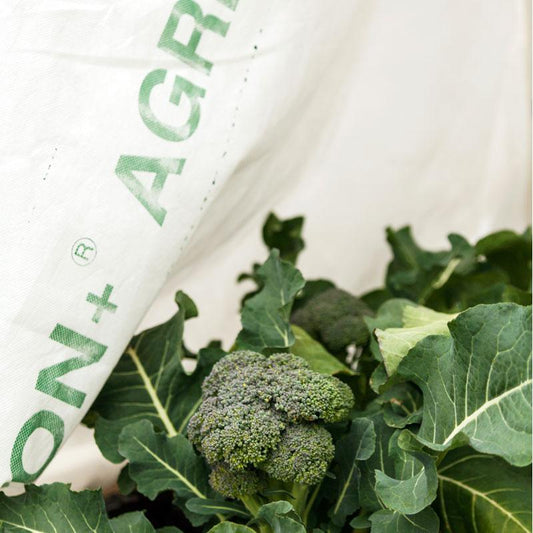
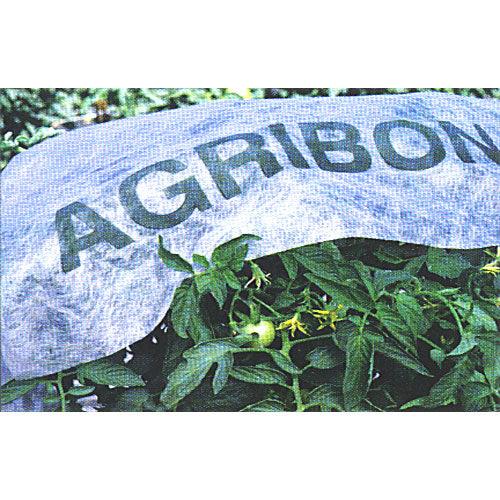
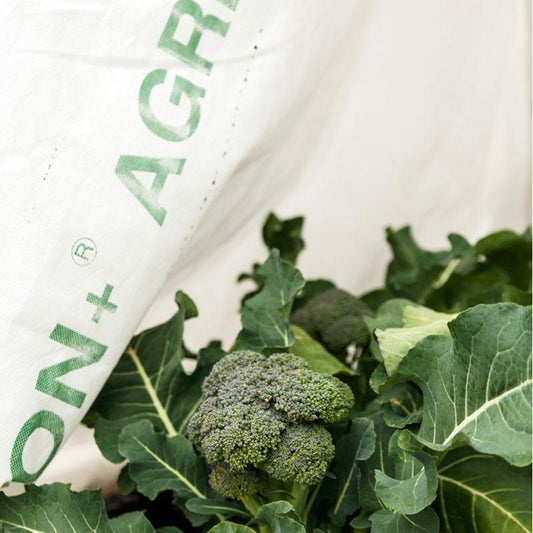
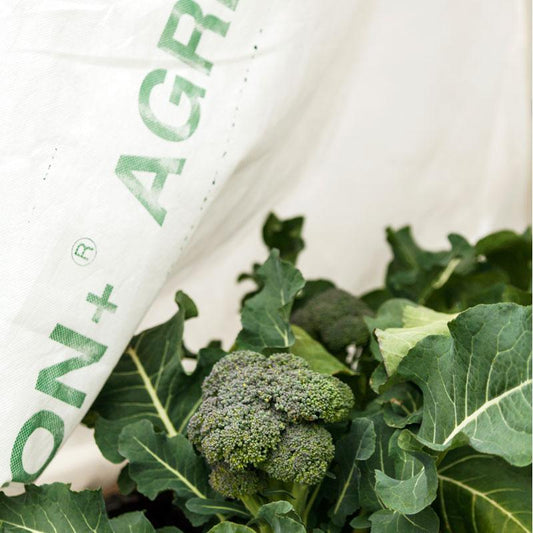
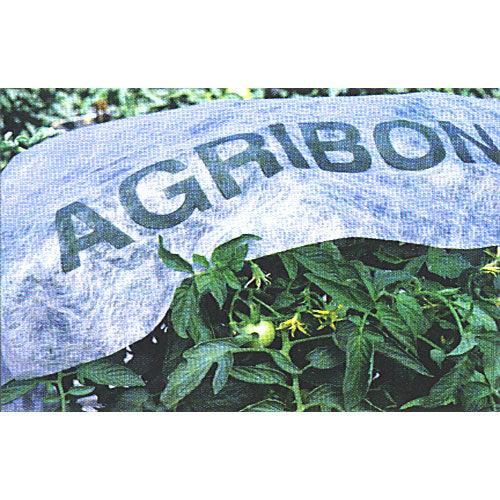
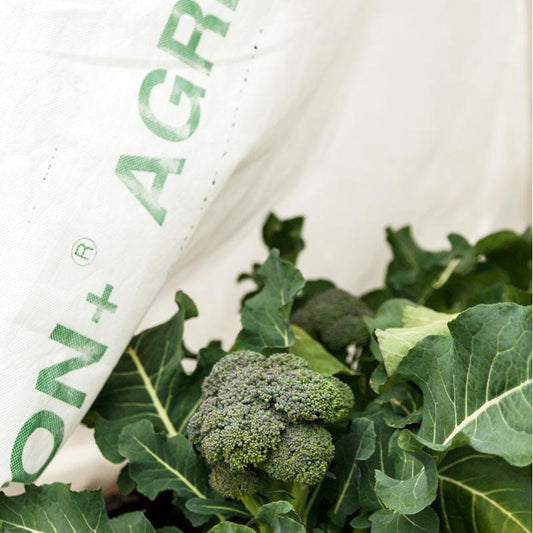
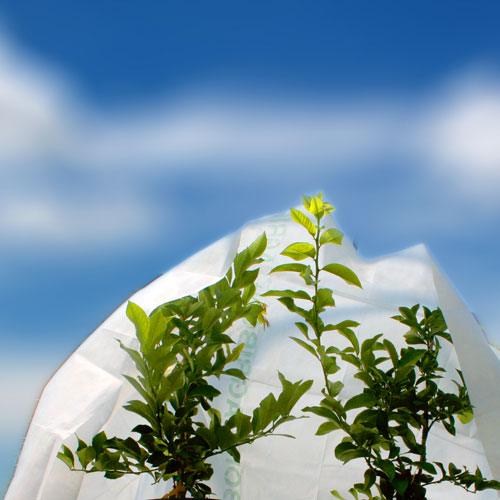
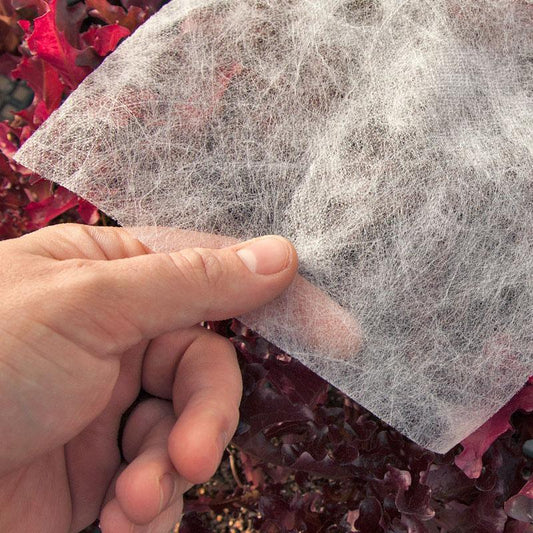
A cover can help protect a small or young tree by slowing heat loss from the ground and reducing exposure. Drape a suitable frost fabric over the canopy and extend it toward the ground; secure the edges without tying material tightly around tender growth.
- Install covers before temperatures fall.
- Keep heavy fabric from breaking branches.
- Prevent plastic from resting directly on foliage or blossoms.
- Remove or vent covers after the cold event when temperatures rise.
- Follow the cover manufacturer’s instructions and limitations.
Browse current frost-protection materials. Covering an entire mature tree is often impractical; prioritize young trees, low canopies, or particularly valuable sections where safe.
Manage Soil Conditions Carefully
Bare, moist soil can store and release more heat than dry, fluffy, or heavily cultivated soil under some radiation-frost conditions. If irrigation is appropriate, water early enough for surfaces and equipment to be managed safely before the coldest period. Do not saturate poorly drained soil.
Overhead sprinkler frost protection is a specialized active system that must run at the correct rate and timing. Starting or stopping it incorrectly can increase injury. Home gardeners should not improvise this method without crop-specific technical guidance and adequate water-system capacity.
Avoid Risky Last-Minute Heat Sources
Open flames, improvised heaters, and electrical devices used outdoors can create fire, shock, carbon-monoxide, or equipment hazards. Do not place an unapproved heat source under a tree cover. Use only equipment specifically rated and installed for the intended outdoor application.
After a Frost Event
- Allow frozen tissue to thaw naturally before handling it.
- Wait for damage to become visible instead of pruning immediately.
- Cut a sample blossom or young fruit to inspect internal tissue when evaluating crop loss.
- Continue normal moisture monitoring without overwatering or overfertilizing in response.
- Adjust thinning and pruning plans after the extent of injury is clear.
What Frost Protection Cannot Guarantee
No cover or cultural practice guarantees a crop during every freeze. Protection may raise tissue temperature only a few degrees, and effectiveness changes with wind, duration, canopy size, and event type. Use several appropriate measures—site selection, cultivar choice, monitoring, advance preparation, and safe covering—rather than relying on a spray or one advertised temperature rating.
Related Fruit-Tree Guides
- Dormant Fruit Trees — understand dormancy, chilling, and bud break.
- Winter Orchard Care — sanitation, inspection, pruning decisions, and preparation.
- Bare Root Tree Selection Guide — compare climate, bloom, and site fit.
- Shop Frost Protection — view current fabrics and protection supplies.
Bottom Line
Protect fruit trees by knowing the actual bud stage, monitoring local conditions, preparing suitable covers for manageable trees, and avoiding improvised active-heating or irrigation methods. Judge damage only after tissues thaw and symptoms develop.
21 comments
I planted pear, fig, apple, crabapple, peach, cherry, plum & dogwood trees & grape vines & rose bushes about 2-3 weeks ago. They are all bare root. They are all sprouting leaves, one plum has a small white flower on it. We are getting a freeze tonight and tomorrow night. It’s been a warm winter. I have 40 new plantings. I don’t have frost blankets or that many bed sheets. Am I going to loose all my hard work since I can’t cover them?
Our peach, pear, plum & apple trees have small fruit on them and we are expecting temperatures to drop to 32 in a couple nights (that’s just the forecast, could get lower). Will the fruit be ok? How cold would it have to get to be a real problem?
Vicky, your fruit should be ok. Most can withstand temps as low as 28, as long as it is only for a short period of time. If your trees are small enough, you can always wrap it with some frost blankets.
Nate, your trees should be ok. As long as the temperatures don’t fall super low and not stay low, your trees should be ok. If you expect the temperatures to drop below freezing again, go ahead and wrap them with a frost blanket.
We planted our bare root fruit trees last weekend. It has frosted the past two nights. A few of them had started budding when we received them. Will the trees be ok even though we didn’t cover them? Thank you.