Winterize Washington perennials and garden infrastructure from the hazard that will arrive first. West of the Cascades, prepare berries, orchard roots, trellises, and drainage for prolonged rain and wind. In the Cascades and east of the divide, maintain root moisture while preparing exposed irrigation and structures for deeper freeze, snow, and cold wind. A statewide shutdown date can leave one garden saturated and another dry.
Use the Washington fall garden plan to coordinate perennial and infrastructure work with the rest of the garden. Complete the rainfall and irrigation audit before reducing water, and use the fall IPM checks before removing material for suspected pests or disease.
Read the perennial before winterizing it
Inspect berries, vines, orchard trees, and other perennials for root-zone moisture, trunk or crown condition, broken wood, crop load, mulch placement, drainage, and support stability. Distinguish active growth, normal senescence, drought carryover, saturation, disease, rodent injury, and frost damage. A yellowing plant in a wet Puget Sound low spot needs a different response from a young east-side tree with a dry root ball.
Review cultivar and rootstock records. Hardiness, chill requirements, dormancy, pollination, disease susceptibility, and training system change the appropriate work. USDA zones describe average annual extreme minimum temperature; they do not guarantee survival, predict a particular freeze, or establish the pruning date.
Fall perennial and infrastructure checklist
- Map the hazards. Mark wind exposure, water concentration, saturated pockets, snow load, cold-air drainage, rodent shelter, and exposed irrigation.
- Stabilize roots. Check moisture before rain or freeze, correct delivery, and keep suitable cover over the root zone without burying trunks or crowns.
- Finish harvest and sanitation. Remove fruit and confirmed problem material as crop guidance requires; do not strip healthy cover for appearance.
- Inspect supports. Check posts, wire, anchors, ties, netting, gates, and fasteners under realistic wind, crop, rain, and snow loads.
- Limit pruning. Make only justified cuts for safety, breakage, disease, or a supported training purpose; schedule major work for the appropriate species window.
- Transition irrigation. Reduce by measured demand, cap unused annual-bed outlets, and winterize exposed components from local freeze risk and system instructions.
- Protect open soil. Use a viable cover crop, healthy residue, or appropriate mulch with a termination and pest-monitoring plan.
- Prepare purchases. Verify cultivar, rootstock, hardiness, chill, site, dormancy, shipping window, and Washington eligibility before ordering.
- Store and repair. Clean and dry tools as appropriate, repair reusable structures, label parts, and retire damaged material that cannot be used safely.
- Record the next trigger. Tie rechecks to a soaking storm, wind warning, frost forecast, leaf drop, dormancy, or soil workability.
Perennial readiness decision table
| Action | Go when | Pause when | Safer next step |
|---|---|---|---|
| Major pruning | Species, training system, health, and local timing support the cut | Diagnosis is uncertain, tissue is actively stressed, or cold and disease risk make the wound poorly timed | Remove only broken or hazardous material and flag later structural work |
| Add root-zone mulch | Soil moisture, crown clearance, material quality, rodents, and fire conditions fit | Soil is saturated or material would touch trunks, block drains, or hide active damage | Adjust placement or use another soil-cover method |
| Reduce irrigation | Rain and root-zone checks show lower demand | Sheltered beds, containers, or east-side roots remain dry | Adjust the specific hydrozone rather than the whole system |
| Winterize a line | Local freeze exposure and system instructions call for draining or protection | Active roots still need water or the system cannot be safely shut down yet | Maintain a temporary controlled water path and finish before the hazard |
| Plant a dormant perennial | Plant is dormant, suitable by cultivar and site, legally shippable, and soil is workable | Heat, saturation, frozen soil, approaching deep cold, or uncertain fit raises establishment risk | Reserve for the appropriate shipping and planting window |
| Leave habitat or residue | Material is healthy, stable, and useful for soil or beneficial organisms | It shelters damaging rodents or slugs, carries disease, blocks airflow, or threatens infrastructure | Retain selected habitat and remove the confirmed problem |
Change the winterizing plan by region
Olympic Peninsula and coast
Prepare for rain and wind. Keep drains and safe overflow paths open, stabilize slopes, and secure trellises and covers. Inspect berry crowns and tree root zones for standing water. Maintain surface protection without creating dense wet shelter against canes or trunks. Salt exposure can matter at immediate coastal sites; seek local crop guidance rather than treating it as a statewide issue.
Puget Sound lowlands
Summer-dry soil can become saturated as rain returns, while low winter light reduces demand. Separate containers, young perennials, compacted low spots, and mature orchard zones. Do not shut every valve after one storm or continue a summer schedule under persistent rain. Repair trellises before wind and keep traffic off wet glacial or urban soil.
Cascade and high-elevation sites
Snow load, freeze-thaw, wind, slope, and early cold control the sequence. Secure or remove weak structures, protect roots, and handle exposed irrigation before conditions become unsafe. A support built for summer fruit may not tolerate snow or ice. Frost cover over a woody perennial is not a substitute for cultivar fit or proper dormancy.
Columbia Basin and eastern Washington
Maintain moisture in active roots through dry, windy fall weather, then winterize from forecast and system exposure. Protect young trunks and irrigation lines from confirmed rodent pressure. Loess or sandy soil may need wind-stable cover; locally alkaline or saline conditions require testing before amendment. Avoid late fertilizer that pushes tender growth without a documented crop need.
Handle berries, orchards, and vines by system
Cane berries: Identify the fruiting system before pruning; summer-bearing and fall-bearing types are not managed identically. Remove diseased or spent canes only when crop-specific guidance supports it, tie retained canes without constriction, and confirm trellis strength. The cane-berry growing guide provides establishment and care detail.
Fruit trees and orchard rows: Finish harvest, remove fallen or diseased material selectively, inspect trunks and supports, and keep roots appropriately moist. Do not make large cuts simply because leaves are falling. The fruit-tree pruning guide covers timing, cuts, and training systems.
New and dormant plants: Young roots have less margin than established trees. Confirm soil workability, drainage, establishment conditions, and freeze outlook. For receiving and first-year care, use the bare-root tree guide. Verify cultivar and destination rather than relying on a generic “Washington hardy” claim.
Vines and small fruits: Check ties, cordons, wires, irrigation placement, and fruiting wood against the actual training system. Remove mummified or spoiled fruit when crop-specific sanitation calls for it, but do not confuse complete cleanup with good IPM. Dense mulch or fabric can hide vole activity around crowns. Maintain an inspection strip and record fresh gnawing or runways before choosing an exclusion or control.
Across all perennial groups, separate establishment water from routine summer irrigation. A young planting may need attention after a mature zone has slowed, while a saturated west-side root system may need drainage rather than water. Probe within and outside the original root ball, and expand emitter placement as roots occupy more soil. Do not keep a trunk or crown constantly wet.
Maintain structures instead of replacing them
Unload trellises after harvest where the crop system allows. Check posts at the soil line, wire tension, end anchors, staples, ties, netting, and gates. Replace a worn tie before it girdles a cane; do not tighten a failing post with unsafe footing. Design repairs for the expected wind and snow without overbuilding around weak roots.
Clean cutting tools according to the disease risk and tool instructions, sharpen suitable blades, and store them dry. Repair and label irrigation parts, reuse sound covers, and store fabric away from rodents and moisture. Repeated replacement of plastic is not automatically regenerative; durability and end-of-life belong in the plan.
Protect roots and soil as weather changes
Perennial root-zone cover can buffer surface conditions and reduce erosion or wind exposure. Keep mulch away from trunks and crowns, inspect beneath it, and avoid blocking water movement. A living cover in an orchard or berry row requires water, competition, mowing or termination, and rodent considerations. It is not universally appropriate.
In annual spaces between perennial blocks, choose a fall crop, cover crop, healthy residue, or protected rest. Garlic belongs only in a rotated, drained, workable bed; it should not be inserted into a perennial root zone merely because it is fall. Coordinate the next crop without disturbing feeder roots.
Respond to pests, disease, and weather damage
Slugs and foliar disease may increase in humid western sites; rodents and storage pests can pressure east-side roots, bark, produce, and stored supplies. Aphids or mites may persist. Identify before acting. Habitat can support beneficial organisms and also shelter pests, so retain it selectively and continue scouting.
After wind, hail, frost, or a heavy storm, inspect for broken supports, torn bark, waterlogging, erosion, and unsafe limbs. Wait for frost injury to declare itself before extensive pruning. Follow public-safety guidance during flooding, smoke, ice, or unstable conditions. No cover, mulch, or winterization step guarantees survival.
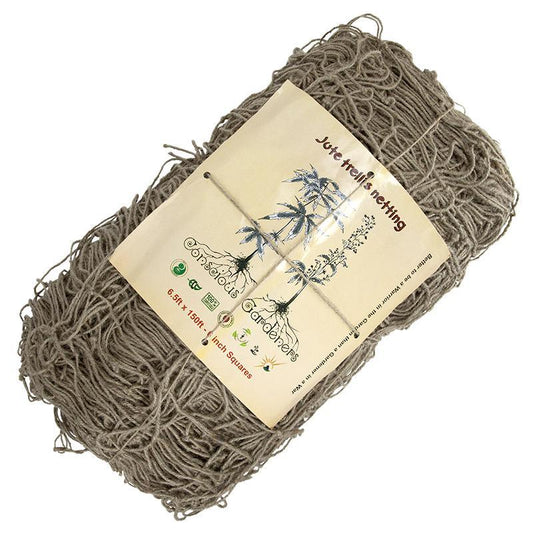
How to choose a trellis system: Plant supports work by carrying and positioning vines or fruiting branches for access, airflow, harvest, and reduced ground contact. Match the system to the crop's climbing habit, mature weight, opening size, post spacing, wind exposure, pruning and harvest access, and the expected service life of the material. Install posts, anchors, ties, or netting before new growth tangles; leave room for stems to expand and keep irrigation service points and paths clear. Inspect sagging, loose anchors, abrasion, girdling, trapped debris, and crop load through the season and after storms. A product listing does not establish a safe load for every site, and reused material should remain in service only while it can carry the expected crop and wind forces.
Choose supplies after the readiness check
For open soil with a viable establishment and termination plan, compare Year Round Cover Crop Mixes. For a separate rotated bed ready for planting stock, compare Seed Garlic. Use Pruning & Cutting Tools only for a justified cut, and browse Berries & Vines only after cultivar, site, dormancy, hardiness, chill, pollination, and shipping fit are verified.
Check current Online Store availability, Washington eligibility, live-plant shipping windows, and instructions immediately before purchase. A new trellis is not mandatory; repair of an existing safe structure may be the better result.
Keep a winter-readiness record
Record each perennial block’s cultivar, rootstock, moisture, drainage, mulch, damage, support condition, irrigation status, and next weather trigger. Photograph trellis anchors and trunk injuries so changes can be compared. Note every drained or capped line and keep parts together for restart.
The intended outcomes are a higher probability of perennial survival, less infrastructure waste, safer turnover, and protected soil—not a guarantee. Winterizing Washington well means preparing the wet west for rain and wind, the mountains for snow and freeze, and the dry east for moisture conservation before cold closes the work window.
Care for perennials through Washington's seasons
Use the winter perennial guide for bare-root planting and dormant pruning, the spring perennial guide for establishment, and the summer perennial guide for harvest and fall preparation.
Gardeners near a regional boundary can compare Oregon fall perennial care, cold-climate winterizing, and Rockies harvest and perennial protection. Apply only practices that match local soil, exposure, forecast, water, and crop response.