Winter preparation protects roots, trunks, soil, irrigation, tools, and structures without adding unnecessary stress. Time each task from local freeze risk, plant dormancy, root-zone moisture, equipment instructions, and site exposure. A blanket winterization date can close active zones too early or encourage pruning and mulching before the plant or weather is ready.
Use the northern fall garden plan for whole-garden priorities and the fall IPM guide when residue, mulch, stored materials, or structures may be sheltering rodents, slugs, or disease.
Compare winter-preparation needs across the region
| Area | Typical exposure | What to check | Practical response |
|---|---|---|---|
| Upper Midwest plains | Wind, deep cold, and early system freeze | Young roots, trunks, irrigation exposure, anchors, and snow load | Protect verified vulnerabilities and secure structures before hard freeze. |
| Great Lakes belts and shore zones | Lake moderation, humidity, heavy snow, and ice | Drainage, wet roots, snow load, bark moisture, and freeze-thaw | Balance cold protection with airflow and water movement. |
| Northern interior Northeast | Deep cold, short fall, and heavy snow | Cultivar hardiness, establishment, irrigation instructions, and structural loads | Finish essential protection early without forcing late plant work. |
| Coastal and upland New England | Coastal moderation contrasted with colder uplands and low spots | Elevation, wind, cold-air drainage, rain, and soil saturation | Winterize by the site’s actual exposure rather than a regional date. |
Cultivar hardiness, chill, dormancy, establishment, and shipping requirements still need direct verification.
Prepare plants, tools, and irrigation for winter
- Check official freeze, wind, snow, ice, flood, and access guidance.
- Inspect supports, ties, covers, tools, irrigation, and emergency clearances.
- Probe young-perennial root moisture separately from mature plantings.
- Keep mulch and guards clear of trunks and crowns.
- Verify cultivar hardiness, chill, dormancy, and shipping requirements.
- Remove confirmed pest or disease material selectively.
- Leave healthy roots, residue, or suitable cover protecting open soil.
- Drain or winterize irrigation only when local risk and equipment instructions require it.
- Clean, dry, repair, reuse, or retire infrastructure according to condition.
- Record completed work and the next winter or spring check.
Decide when winter work should proceed
| Operation | Proceed when | Wait or limit when | Verify afterward |
|---|---|---|---|
| Plant or order a perennial | Cultivar, rootstock, hardiness or chill needs, site, and shipping window fit | The destination or establishment period is uncertain | Current cultivar evidence, planting condition, and root moisture |
| Adjust mulch or root cover | Roots need protection and trunks or crowns can remain clear | Saturation, rodents, fire placement, or bark contact creates a conflict | Moisture beneath cover and clearance around woody tissue |
| Install wind, frost, or snow protection | Structure, ventilation, anchoring, load, and access are suitable | Material may trap heat or moisture, fail under load, or block care | Fasteners, plant clearance, airflow, and forecast |
| Prune or sanitize | The objective, species guidance, and diagnosis are clear | Plant stress, timing, or canopy exposure raises injury risk | Clean cuts, tool sanitation, and plant response |
| Prepare a harvested bed | Harvest, sanitation, soil cover, irrigation, and next use are coordinated | Work would leave soil bare or spread a confirmed problem | Protected surface and recorded spring plan |
| Winterize irrigation | Freeze risk and equipment instructions require it | Active plants still need the zone | System map, drained components, and remaining zones tested |
Sequence seasonal operations
Complete stress recovery, protect young roots, prepare dormant-season purchases and stabilize slopes, trellises and irrigation before storms or freeze.
Cultivar and site decisions must remain specific. A regional label cannot prove hardiness, chill sufficiency, bloom timing or shipping eligibility. Inspect trunks, crowns, roots and attachment points; avoid large stress-inducing changes when the forecast or plant condition argues for waiting.
Extend infrastructure life safely
Clean, dry and service tools according to manufacturer guidance. Inspect fabric, stakes, ties and tubing for ultraviolet damage, abrasion, rot or unsafe load. Reuse sound components and retire those that cannot perform safely. Reuse is not beneficial when material spreads a confirmed problem or fails under wind, snow, crop or water load.
Prepare harvested beds for winter
Before clearing a crop, decide where usable harvest, seed, healthy residue, and confirmed problem material will go. Record the crop family and pest or disease evidence. Cap or move irrigation only after choosing the bed’s cover or spring use. Leave soil protected and paths stable.
Protect young perennials as their own hydrozone
Young trees, berries and vines have limited roots and should not inherit a mature planting schedule. Probe the active root area, move emitters outward as roots expand and keep mulch off bark and crowns. Inspect ties, guards and supports for rubbing or constriction. Avoid major canopy changes during environmental stress when they could expose bark or fruit, unless safety or confirmed damage requires work.
Design wind, frost and storm protection for removal
Define the exposure a structure must modify, then check anchors, ventilation, load, plant clearance and worker access. Windbreaks and covers can redirect wind, trap heat or humidity and collect snow or rain. Inspect them during safe conditions after installation. Label reusable parts, repair them and store them dry; retire degraded material before it fails over people or plants.
Use plant and weather conditions to time winterization
| Observation | Question | Useful response |
|---|---|---|
| First soaking rain arrives | Are roots recharged or is soil becoming saturated? | Adjust irrigation and improve drainage without working wet soil. |
| Hard freeze is forecast | Which plants and components are truly exposed? | Protect verified vulnerabilities and follow equipment winterization instructions. |
| Leaves drop or plants enter dormancy | Does species-specific guidance support pruning or planting now? | Proceed only with a clear objective and suitable weather. |
| Mulch is proposed | Are roots cold-exposed, and can trunks and crowns remain clear? | Apply suitable cover without creating bark, rodent, or saturation problems. |
| Supports or covers show damage | Can they carry wind, rain, ice, or snow safely? | Repair sound parts or retire weak material before loading. |
| A zone is drained | Are closed valves, caps, and active lines mapped and tested? | Record the change for winter checks and spring restart. |
Check whether winter preparation is helping
| Practice | Expected benefit | What to observe |
|---|---|---|
| Perennial root-zone cover | Reduced exposure of shallow roots | Root moisture, frost heave, trunk or crown clearance, and spring recovery |
| Support and tool maintenance | Longer safe service life | Fasteners, abrasion, corrosion, cleanliness, and repairs |
| Selective pruning and sanitation | Removal of confirmed hazards or disease without excessive canopy loss | Cut condition, new symptoms, exposure, and spring response |
| Protected postharvest soil | Less bare soil through winter and snowmelt | Cover, erosion, runoff, and spring workability |
| Mapped irrigation shutdown | Freeze-prone components protected while needed zones remain active | Closed valves, drained lines, leaks, active service, and spring restart |
These are expected mechanisms, not guarantees. Winter preparation is not helping when it adds plant stress, traps damaging moisture, shortens equipment life, blocks access, or ignores cultivar and site limits.
How local conditions change winter preparation
Great Lakes snowbelt: Covers and trellises must handle the expected snow and ice load or be removed. Do not assume a fabric or support is safe simply because it protected plants in autumn.
Northern New England deep cold: Young roots may need protection, but mulch against trunks or crowns can trap moisture and shelter rodents. Keep clearance and inspect beneath the material.
Coastal New England wet fall: Saturated roots and poor drainage can be a greater immediate risk than cold. Correct water movement before adding more insulation.
For perennial care, see Bare Root Tree Care and fruit-tree pruning guidance.
Plan seasonal care across winter, spring, and summer
Use winter guidance for bare-root and dormant-orchard planning, spring guidance for planting berries and fruit trees, and summer guidance for harvest turnover and fall soil cover.
If your site shares conditions with the Rockies, Oregon, or Washington fall regions, transfer only the practices that fit your plants, structures, soil, water, and exposure.
Choose materials and tools for a defined winter task
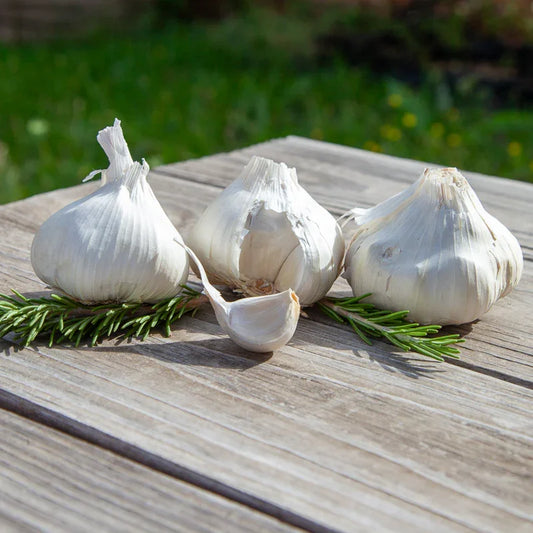
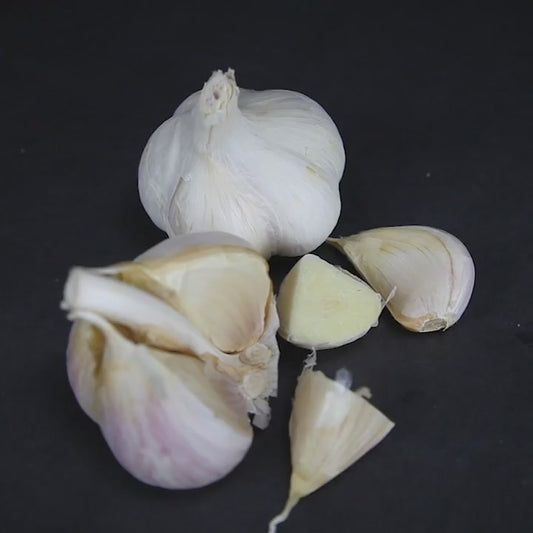
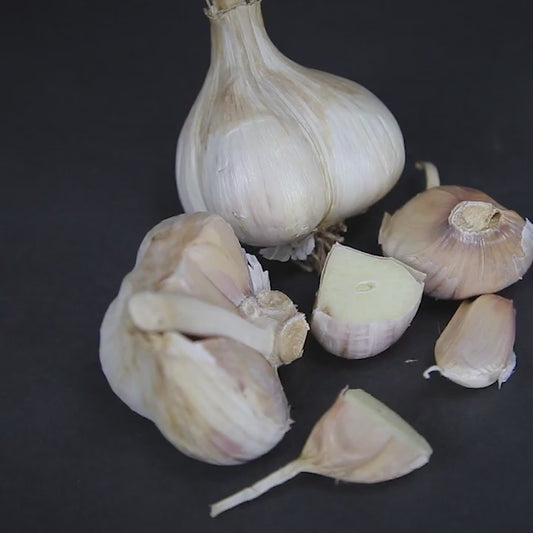
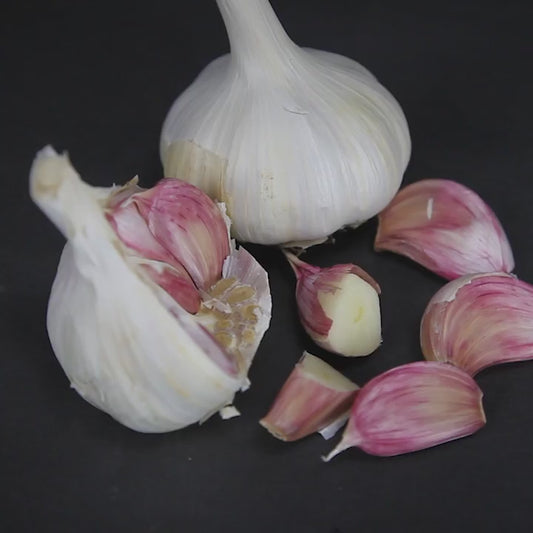
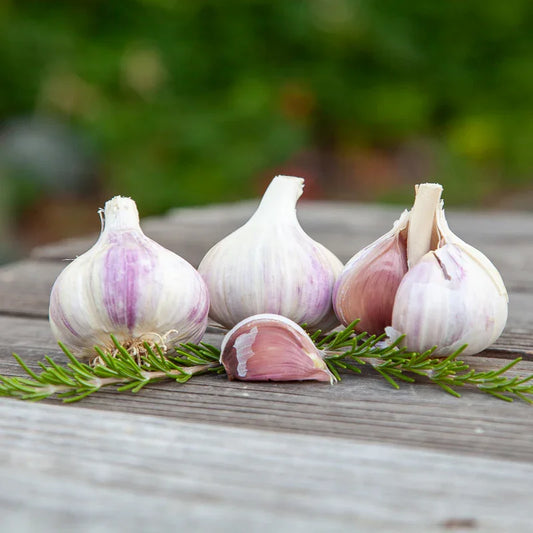
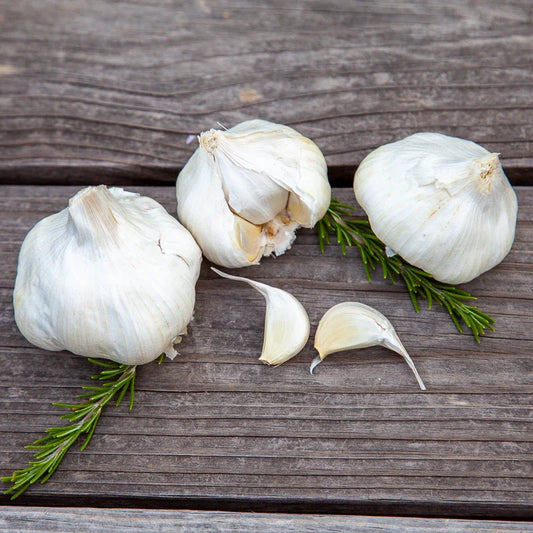
After identifying the need, compare cover-crop mixes, seed garlic, or pruning and cutting tools. Verify species or cultivar fit, establishment and winter behavior, tool size and cut capacity, cleaning and maintenance needs, current availability, and destination eligibility. Repair, sanitation, waiting, or existing soil cover may be better than a new purchase.
Record winter preparation and spring checks
Record cultivar and site fit, root moisture, mulch clearance, supports, tools, soil cover, harvest, winterization, and the next inspection. Photograph trunks, crowns, attachments, and the irrigation map. Seek species-specific or structural advice when a mistake could cause major damage.
Protect soil without hiding its condition
Check whether postharvest soil is compacted, saturated, crusted, chemically limited, or simply exposed. Choose testing that can distinguish the cause. Compost, fertilizer, tillage, and leaching are not interchangeable repairs; keep the surface protected while deciding.
Close irrigation without abandoning roots
Inspect the source, filter, regulator, valves, laterals, emitters, wetting depth, and outlet before draining or closing a zone. Match remaining service to young perennials and active crops. Map every closed component and correct leaks or unsafe drainage before winter.