Washington harvest turnover should start before western rain or eastern frost closes the easiest work window. Harvest promptly, diagnose residues, protect soil, prepare only beds with a defined fall use, and maintain perennial supports and irrigation while they remain accessible. Puget Sound and coastal gardens need a plan for returning moisture; Cascade and Columbia Basin sites need a conservative frost and water countdown.
Harvest turnover works best when crop condition, soil protection, the next planting, perennial care, and infrastructure are considered together. Use Washington’s summer water-and-resilience plan to coordinate the work. The soil guide can help with cover and tested amendments, the succession guide with crop choices, and the irrigation guide with zone changes. Then harvest, clean up, prepare cover crops or garlic, care for perennials, and ready supports and tools for the next season.
Check whether each turnover task is ready
| Task | Conditions that support the work | Reasons to wait or adjust | Regional considerations |
|---|---|---|---|
| Remove a finished crop | Harvest is complete or decline, confirmed disease, pest pressure, or season limits justify removal | Valuable harvest remains, diagnosis is uncertain, or heat and smoke make work unsafe | Finish before west-side rain restricts access or east-side frost ends crop value |
| Establish a cover crop | Species, soil temperature, moisture, water, rotation, winter behavior, and termination method fit | Establishment is unlikely, irrigation is unavailable, or the stand cannot be terminated safely | Western rain can assist or overwhelm establishment; eastern frost and water limits can shorten the window |
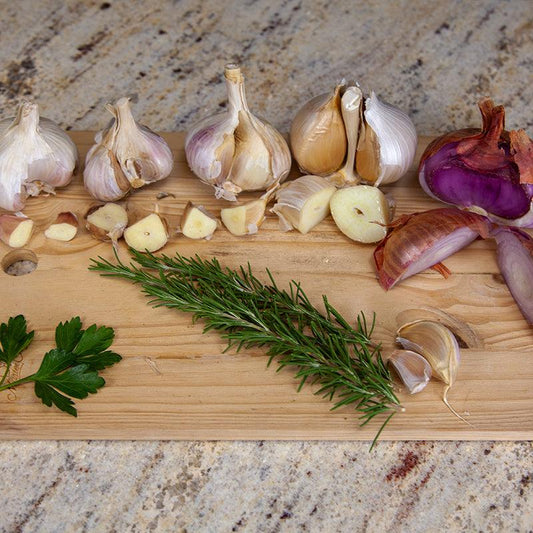
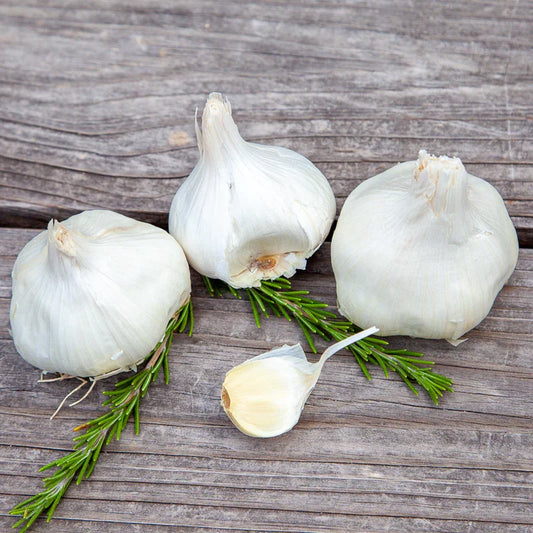
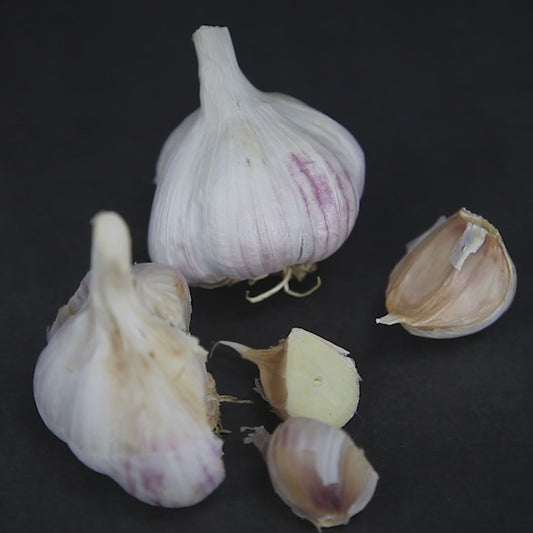
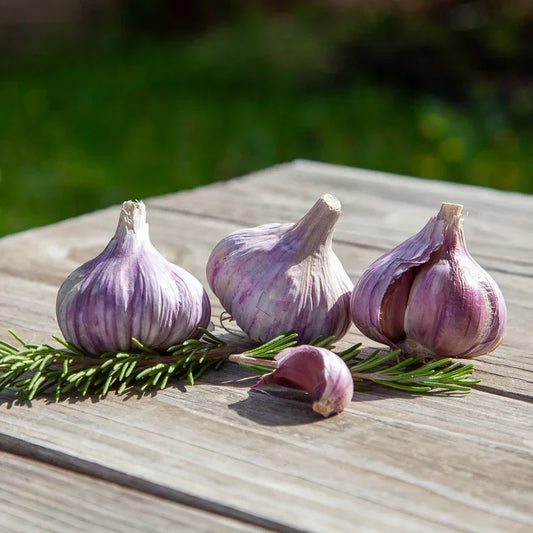
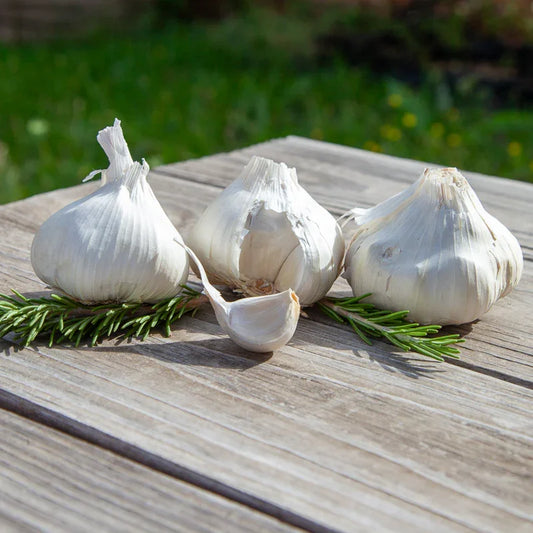
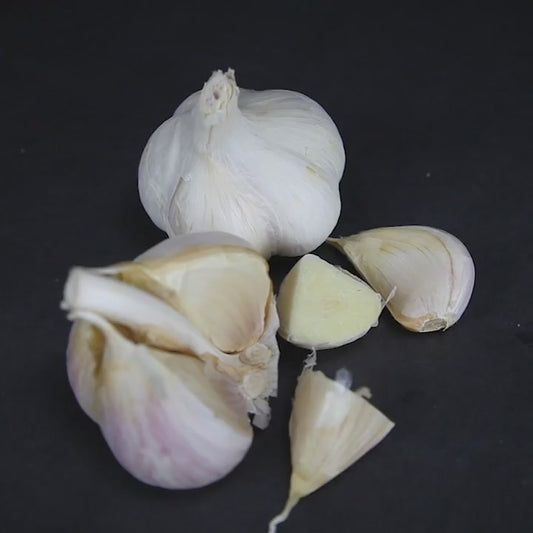
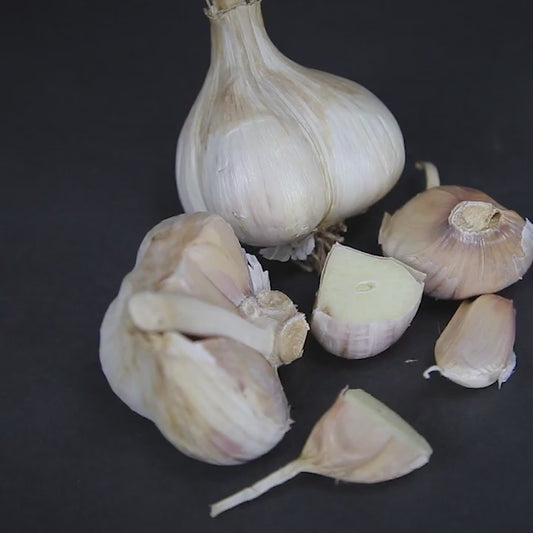
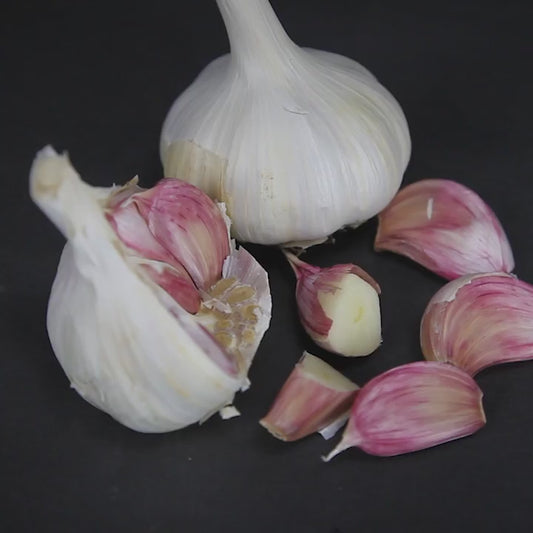
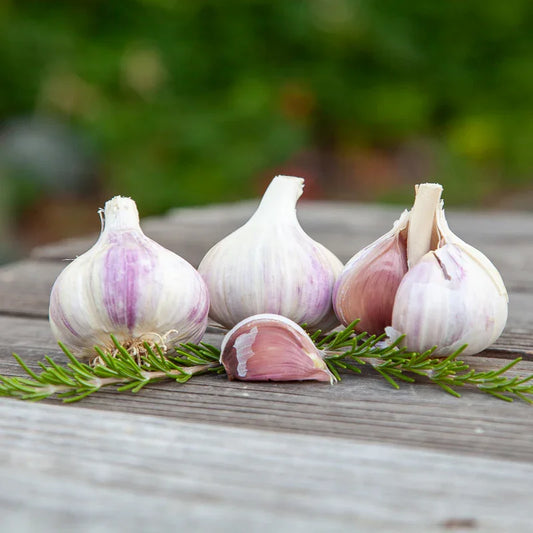
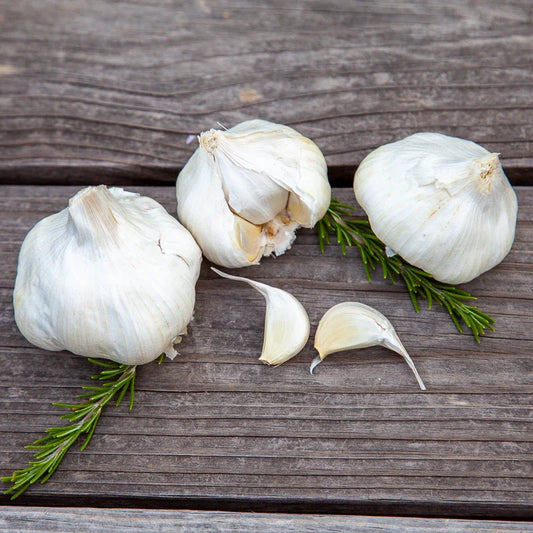
| Prepare a garlic bed | Soil test and crop plan support amendments; the bed is workable, drains, and can be protected until planting | Soil is powder-dry, saturated, compacted, or the planting stock and rotation are unresolved | Protect western structure before rain; avoid dry pulverization and unsupported fertility to the east |
| Prune or train a perennial | Species, growth stage, training system, disease context, and purpose support the operation | Heat, smoke, wet foliage, unknown injury, or late growth response creates risk | Moisture and sanitation matter west; heat, water stress, and early cold matter east |
| Repair supports and guards | Ground is stable, plant load is understood, components are compatible, and work is safe | Wind, storms, saturated soil, utilities, or structural hazards require qualified help | Plan for coastal wind, east-side wind, fruit load, and snow where relevant |
| Reduce or close irrigation | Crop removal, root-zone moisture, forecast, perennial needs, and the next planting support the change | A cover, succession, young perennial, or dry weather still requires establishment water | Returning western rain and eastern frost do not eliminate the need to inspect actual roots |
Read the four regional turnover windows
Olympic Peninsula and coast: Wind and returning rain can narrow access while mild conditions permit continued growth. Harvest and repair in manageable weather, keep soil covered, and avoid incorporating residues into wet soil. Secure materials before storms.
Puget Sound lowlands: Dry summer beds may soon receive heavy rain over compacted or glacial soils. Map drainage, clear stable paths, protect open soil, and avoid a late burst of unnecessary fertilizer. Bright beds may support a fall crop while shaded beds slow.
Cascade and high-elevation sites: Cool nights, early frost, hail, smoke, and short maturity windows favor conservative choices. Finish crops, protect soil quickly, and maintain structures for snow and wind. A cover or succession must establish before conditions close.
Columbia Basin and eastern Washington: Heat and irrigation may continue while frost approaches. Use the remaining water deliberately, reduce zones as crops finish, protect soil from wind, and avoid stimulating vulnerable perennial growth. Verify allocation and water availability.
Harvest before quality and sanitation decline
Define the intended stage and harvest when crop condition, flavor, storage plan, and weather align. Do not leave overmature produce simply to extend the appearance of production. Remove split, damaged, or diseased material according to the diagnosis and local guidance. Keep edible harvest separate from pesticide reentry or preharvest intervals.
During smoke or ash events, follow current public-health, emergency, and food-safety guidance. Fire materials and exposure vary, so no universal washing or safety instruction applies. Postpone strenuous work when air quality or heat makes it unsafe.
Sort residues by evidence
Separate clean residue, seed-bearing weeds, confirmed diseased tissue, pest-infested material, and woody debris. Clean residues can remain as surface protection or enter a compost system when appropriate. Problem material may require a different disposal path. Do not assume home compost reaches conditions that destroy every pathogen, weed seed, or pest.
Remove supports and ties without damaging reusable parts. Clean tools when disease transmission warrants it. Avoid bare-soil overcleanup; retain healthy roots, clean mulch, and functional habitat outside confirmed problem zones.
Choose how to protect soil after harvest
- Inspect workability, moisture, erosion, compaction, weeds, and irrigation.
- Identify the next crop, cover, or rest period and its opening condition.
- Select a cover crop only when establishment and termination are realistic.
- Use mulch or clean residue when a living cover cannot succeed.
- Disturb only the seed row or correction area required.
- Record the selected crop, cover, mulch, or rest period and recheck after meaningful rain, irrigation, wind, or frost.
Cover crops can protect soil and maintain roots but require water, temperature, rotation fit, and management. West-side rain is not a guarantee of good emergence, and east-side irrigation does not guarantee a useful stand before frost. Avoid sowing a mix whose termination exceeds available tools or time.
Prepare garlic from soil and rotation, not a date
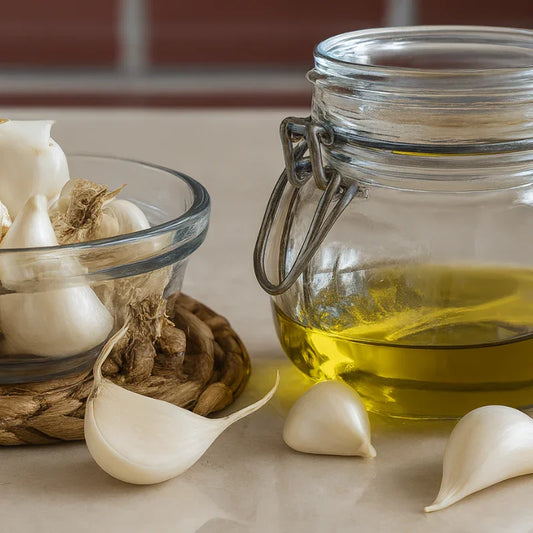
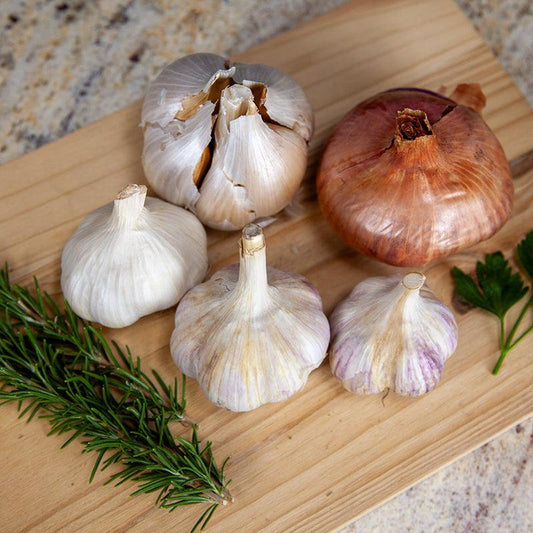
Select a well-drained bed with suitable sun, rotation history, and water access. Sample and test before applying lime, sulfur, concentrated fertilizer, or repeated compost. Garlic fertility depends on soil, crop needs, planting material, and label guidance; a statewide recipe can create excess nutrients or salts.
Prepare only when the bed is workable. In very dry east-side soil, avoid pulverizing the surface and exposing it to wind. In Puget Sound or coastal beds, avoid digging just before saturation. Protect the prepared surface until the planting conditions and stock are ready.
Maintain perennials without forcing late growth
Inspect fruit trees, berries, vines, and other perennials for crop load, broken or diseased wood, irrigation, guards, ties, mulch position, and root-zone moisture. Harvest and support overloaded branches safely. Prune only when the species, training system, crop stage, disease context, and intended result support it.
The fruit-tree pruning guide covers timing and cut technique. Avoid major structural work near utilities or unstable limbs; use a qualified professional. Late pruning or nitrogen can stimulate growth that may not harden before cold in some crops, so use crop-specific guidance.
For first-year tree care and root establishment principles, use Bare Root Tree Care. A mature drought-tolerant plant and a newly planted tree have different root volumes. Continue condition-based water until roots and weather support a change.
Repair supports while the system is visible
Check posts, anchors, wire, fasteners, stakes, ties, guards, and tool handles. Design for mature plant load, fruit, wind, and snow where relevant. Reuse sound components and maintain them to extend life, but replace degraded materials that cannot operate safely.
Browse Plant Support after defining span, load, material, attachment, and maintenance access. Compare Pruning & Cutting Tools only by the cut size and task the tool is designed to perform. Clean, sharpen, store, and use equipment according to instructions.
Manage shade and storm materials
Remove temporary shade when the crop, weather, and declining light no longer justify it. Clean and store reusable fabric dry according to its instructions. Repair supports before the next wind event. A structure left over a finished bed can catch wind, trap debris, or delay soil protection and the next planting.
If heat remains a verified risk for a succession or young perennial, compare Sun Shade Cloths by density, dimensions, anchoring, airflow, durability, and removal plan. Shade reduces exposure under suitable use but does not guarantee plant survival or replace root-zone moisture.
Shift irrigation zone by zone
Close unused emitters after a crop leaves, but maintain water for successions, living covers, and young perennials. Verify root-zone moisture after rain or a setting change. In western Washington, returning rain may wet mulch without reaching roots or may saturate compacted soil. In eastern Washington, a cool forecast may reduce demand while wind continues to dry exposed beds.
Flush, repair, label, and record zones before eventual winterization. Winterization timing depends on system exposure, forecast, and instructions; it is not the same throughout Washington.
Stage the turnover over several observations
On the first pass, harvest, map crop condition, flag suspected disease, and identify beds likely to open. On the second, confirm the diagnosis, sort residues, test irrigation, and choose how to protect the soil. Disturb, amend, or sow only after the bed and next use are ready. This staging prevents a rushed cleanup from exposing soil or spreading a problem.
Use weather events as checkpoints. After a Puget Sound rain, inspect ponding, mulch movement, and access. After Columbia Basin wind, check loose cover, emitter placement, and surface erosion. After high-elevation cold, reassess harvest value and plant injury. A condition timeline can move faster or slower than a weekly task list.
Keep an exception area for unresolved plants or residues. Label it, prevent spread, and seek institutional identification before composting, treating, or moving material. A small deliberate pause is safer than applying a broad control or discarding healthy habitat because the turnover window feels urgent.
Use the harvest-turnover checklist
- Harvest at the intended stage and honor all label intervals.
- Sort residues by confirmed health, seed, pest, and compost suitability.
- Protect open soil immediately with a managed crop, cover, mulch, or residue.
- Prepare garlic beds only from workability, rotation, testing, drainage, and stock readiness.
- Inspect perennial roots, crop load, guards, ties, supports, and water.
- Prune selectively with crop-specific purpose and safe tools.
- Repair and store reusable shade, irrigation, and support materials.
- Reduce irrigation only after the next crop or cover is accounted for.
- Set a trigger tied to western rain, eastern frost, root moisture, or crop completion.
Successful Washington harvest turnover preserves options. Finish the current crop safely, protect soil without unnecessary disturbance, maintain perennials and infrastructure, and prepare only the next operation that local rain, frost, water, and crop conditions can support.
Prepare the garden for the next season
Use the Washington fall perennial guide to winterize berries, orchards, and irrigation, the winter perennial guide to time bare-root planting and dormant pruning, and the spring perennial guide to support establishment.
Where local conditions cross regional lines, compare Oregon summer turnover guidance, cold-climate harvest guidance, and Rockies summer turnover guidance. Keep only the advice that matches your soil, exposure, forecast, water, and crops.