
Collection: Warm Weather Cover Crops
Plant in the summer to Improve the health of your soil

-
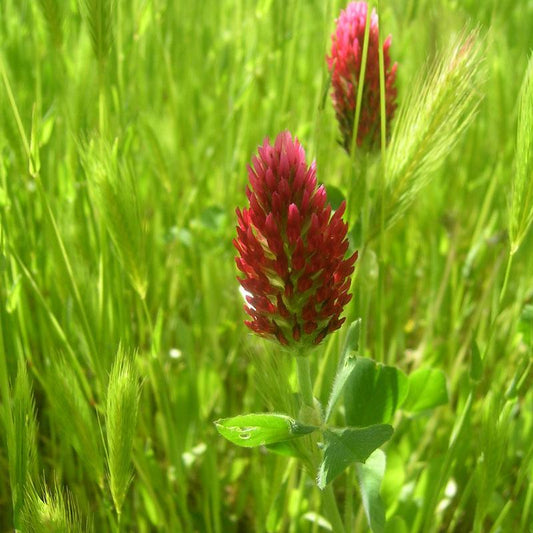

Crimson Clover - Nitrocoated Seed (lb)
Regular price $8.99Sale $8.99Unit price per -
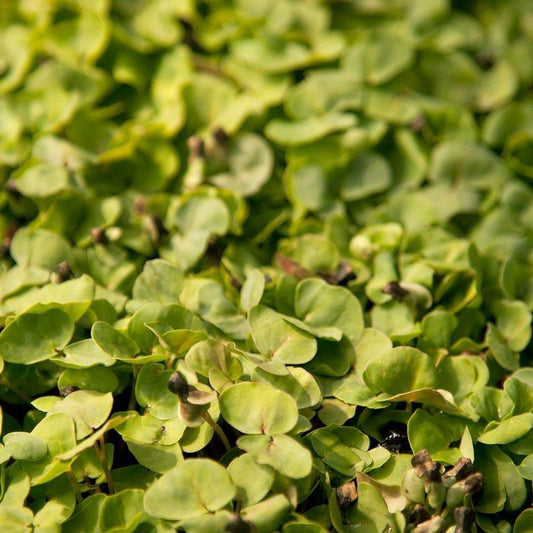
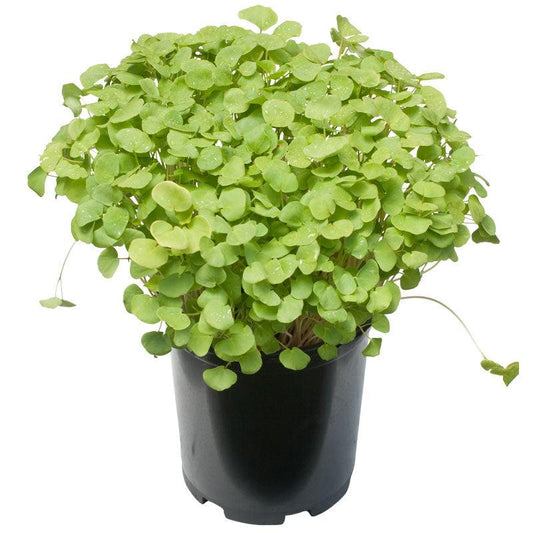
Buckwheat Seed (lb)
Regular price $4.99Sale $4.99Unit price per -


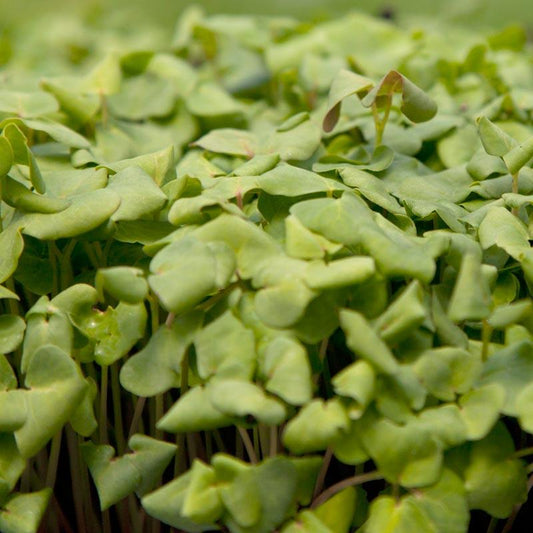
Organic Buckwheat Seed (lb)
Regular price $7.99Sale $7.99Unit price per -
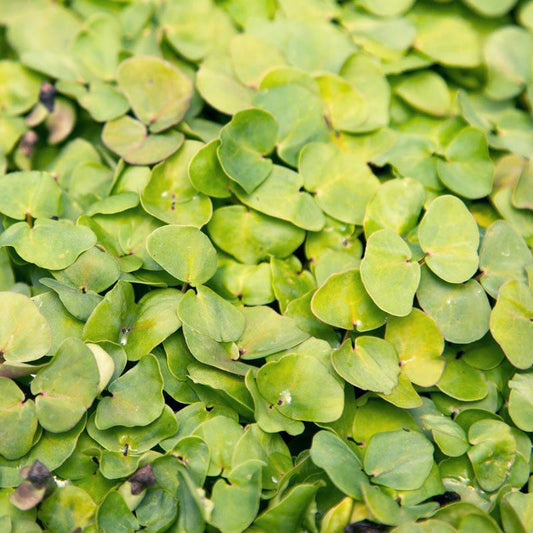
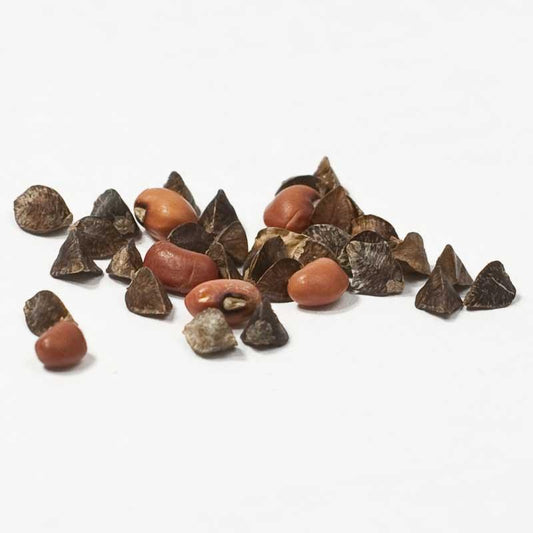
Peaceful Valley Summer Soil Builder Mix - Raw Seed (lb)
Regular price $5.99Sale $5.99Unit price per -
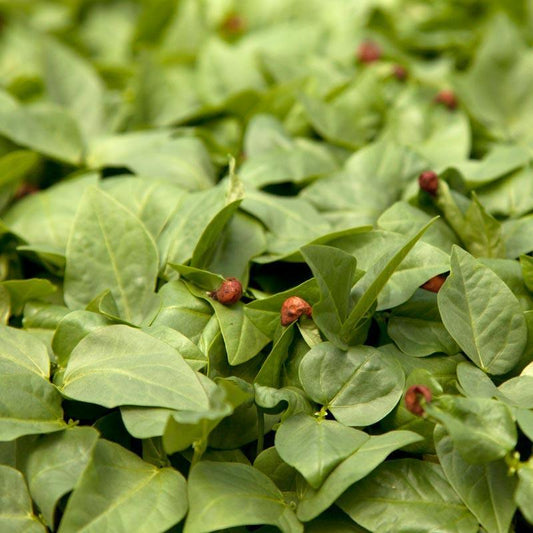
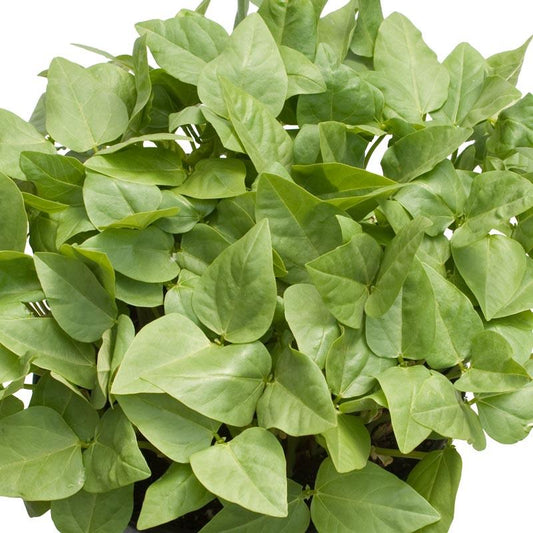
Red Cowpeas - Raw Seed (lb)
Regular price $4.99Sale $4.99Unit price per -


Sudangrass - Raw Seed (lb)
Regular price $4.99Sale $4.99Unit price per -
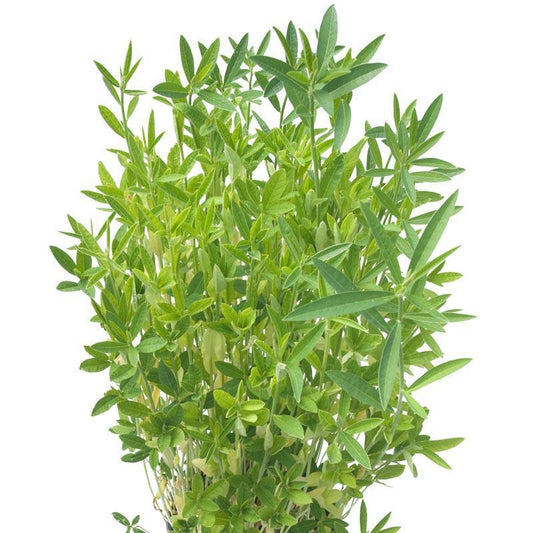
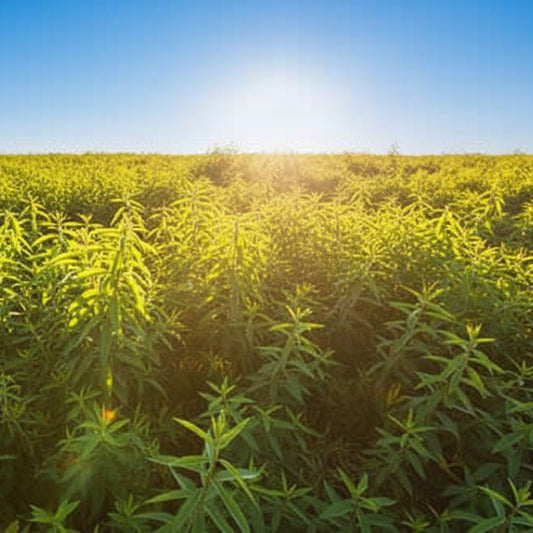
Crotalaria Juncea Sunn Hemp - Raw Seed (lb)
Regular price $8.30Sale $8.30Unit price per -
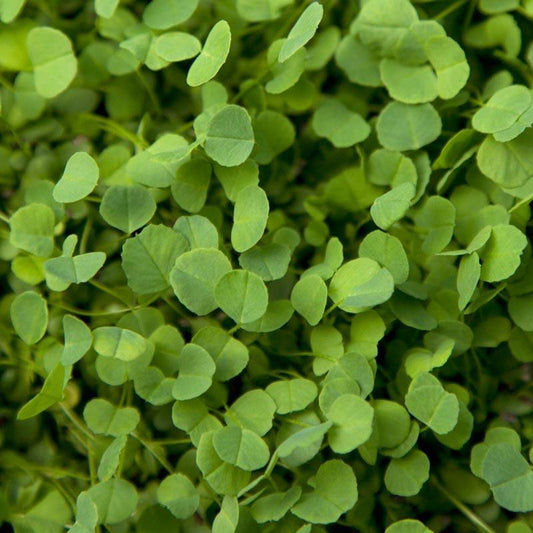
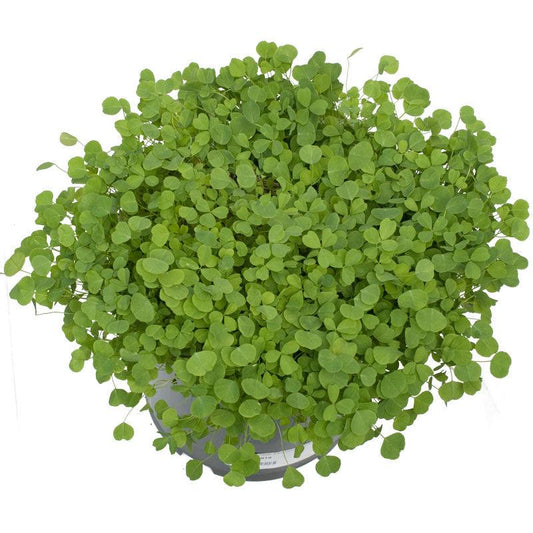
Non-Dormant Alfalfa - Nitrocoated Seed (lb)
Regular price $10.99Sale $10.99Unit price per -


Biomaster Peas - Raw Seed (lb)
Regular price $4.99Sale $4.99Unit price per -
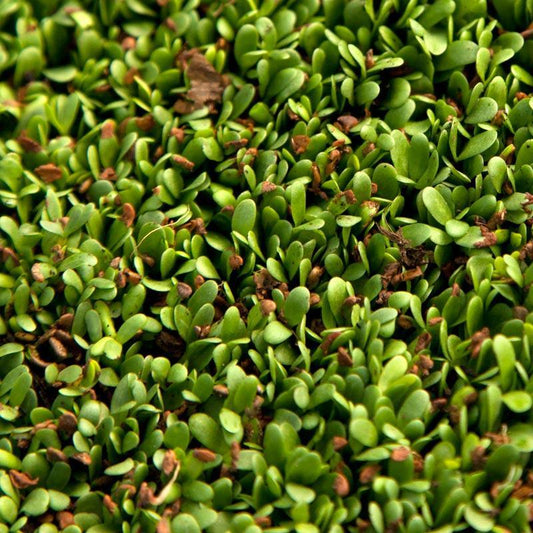
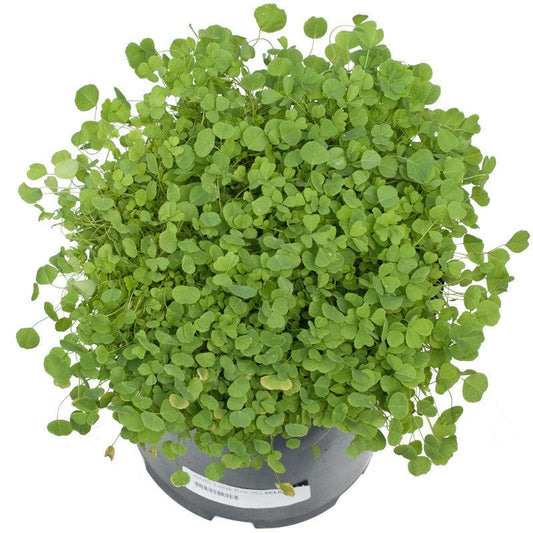
Ladak Alfalfa - Raw Seed (lb)
Regular price $12.99Sale $12.99Unit price per -

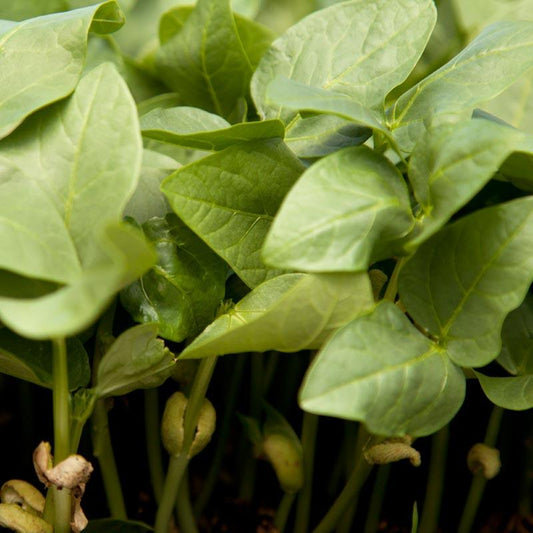
Black Eye Peas - Raw Seed (lb)
Regular price $7.99Sale $7.99Unit price per -
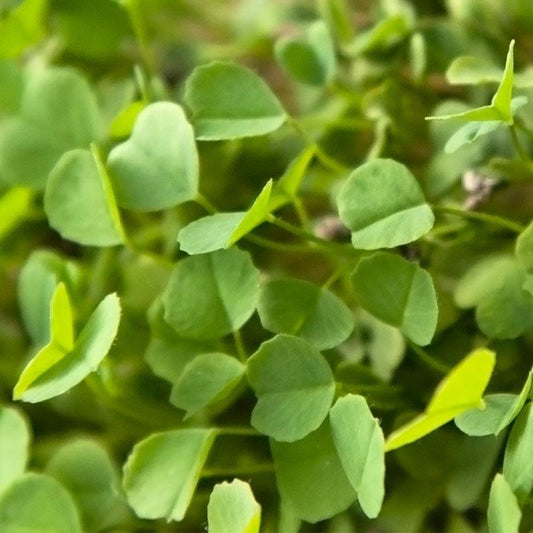
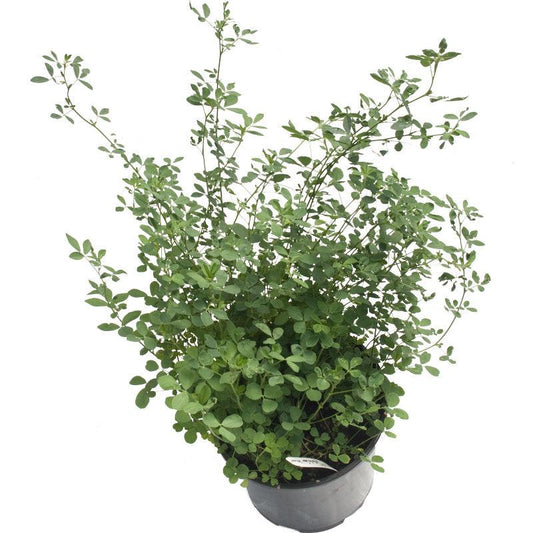
Semi-Dormant Alfalfa - Nitrocoated Seed (lb)
Regular price $10.99Sale $10.99Unit price per -
New

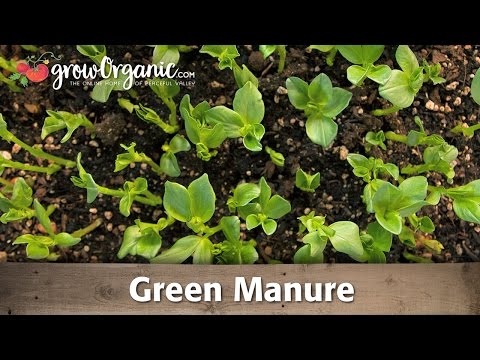
Peaceful Valley Summer Soil & Wildlife Mix - Raw Seed (lb)
Regular price $6.99Sale $6.99Unit price per -
-
New

Peaceful Valley Warm Season Early Maturing Mix - Raw Seed (lb)
Regular price $4.99Sale $4.99Unit price per -
New

Peaceful Valley Warm Season Biomass Mix - Raw Seed (lb)
Regular price $6.99Sale $6.99Unit price per -
-
-
New

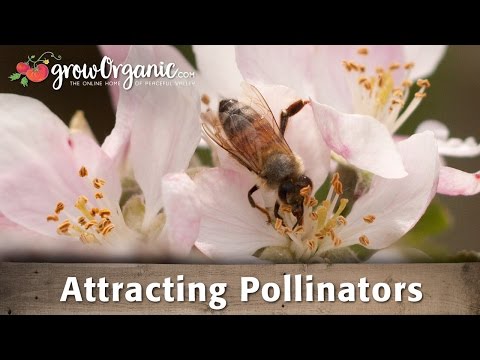
Peaceful Valley Sunflower Mix - Raw Seed (lb)
Regular price $25.99Sale $25.99Unit price per -
New

Grain Sorghum / Milo - Raw Seed (lb)
Regular price $11.99Sale $11.99Unit price per -
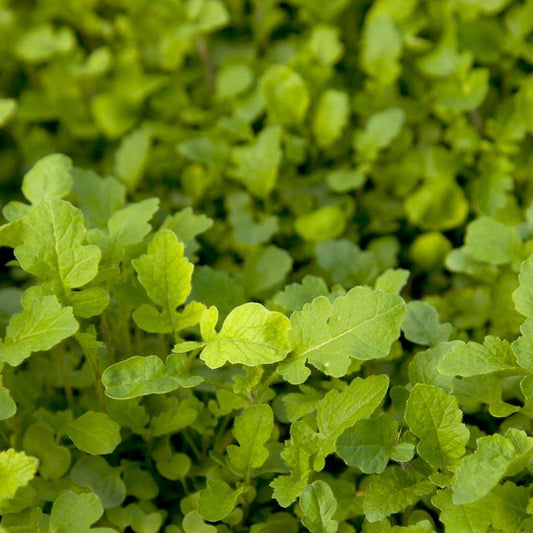 Sold out
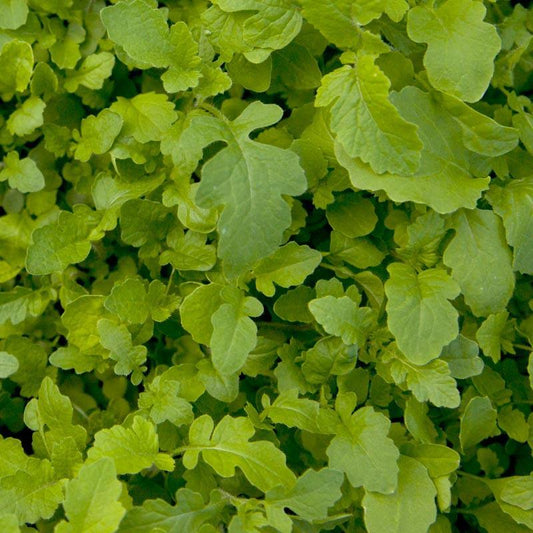
Peaceful Valley Mustard Mix - Seed (lb)
Regular price $5.99Sale $5.99Unit price per -

 Sold out
 -

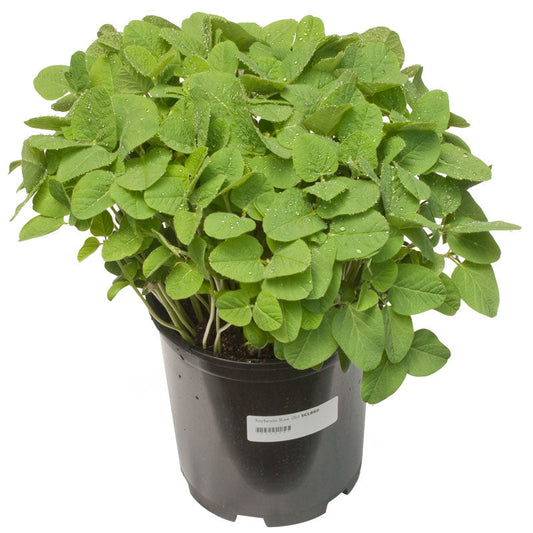 Sold out
 -

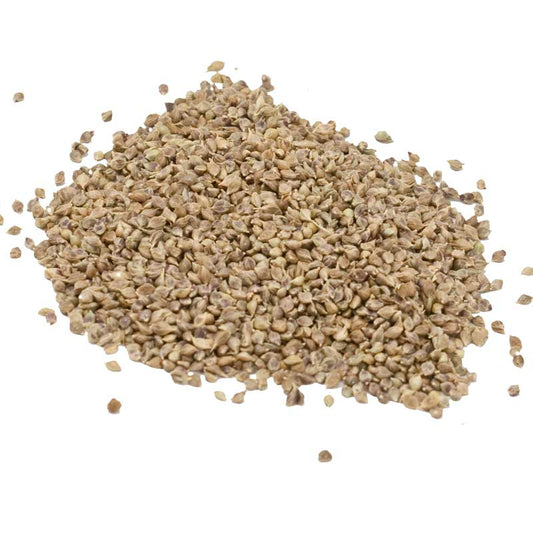 Sold out
 -

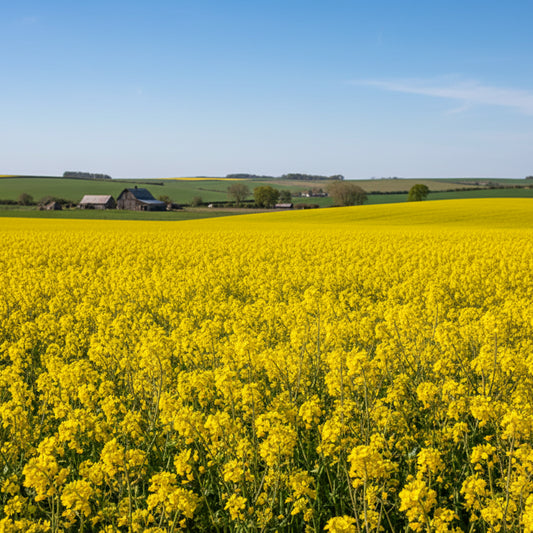 Sold out


Collection: Protect, feed, and improve your soil naturally
Warm-weather cover crops grow during late spring and summer, when cool-season crops are less productive. They are useful in open garden beds, fallow fields, orchards, vineyards, and rotations with enough heat and time for establishment. Depending on the species or mix, they can produce biomass, cover bare soil, compete with weeds, reduce erosion, support beneficial insects, or contribute nitrogen through legumes.
Choosing for a home garden? Use the Cover Crop Selector for Home Gardens to answer a few quick questions and get recommendations based on your growing space, season, and garden goals—plus estimated seed and inoculant needs.
When to Plant Warm-Season Cover Crops
Plant after soils have warmed and frost danger has passed. Match the crop to the number of frost-free growing days available, expected temperatures, and irrigation or summer rainfall. Fast-growing buckwheat may fit a relatively short window, while cowpeas, sunn hemp, sudangrass, millet, sunflowers, and warm-season mixes generally need sustained warmth.
Choose by Growing Goal
- Fast soil cover: Select quick-establishing crops for short openings between cash crops.
- Biomass: Choose vigorous grasses, broadleaf crops, or mixes when residue and organic matter are priorities.
- Nitrogen contribution: Use warm-season legumes with compatible rhizobia and appropriate establishment conditions.
- Weed competition: Favor crops that establish rapidly and form a dense canopy, while managing them before seed production.
- Flowers and beneficial insects: Select flowering species or blends and allow enough time for bloom.
Inoculation and Water
Raw cowpeas, mung beans, sunn hemp, and other legumes may require a compatible seed inoculant. Nitrocoated seed already includes an inoculant coating. Even heat-tolerant crops need adequate moisture during germination and establishment; review the individual product page for irrigation and seeding guidance.
Plan Termination Before Frost
Account for mature height, stem thickness, flowering, and the next planting date. Some warm-season crops are easily killed by frost, while mature high-biomass stands may still require mowing, cutting, grazing, or incorporation.
Compare choices with the Cover Crop Solution Chart. For cool-season planting, browse Fall Planted Cover Crops; for soil-focused choices, visit Soil Building Cover Crops.