

Quick Answer
Fire blight can cause blackened blossoms, hooked shoot tips, and rapid dieback on apples, pears, and related plants. Confirm the symptom pattern, prune only with disease-appropriate timing and sanitation, and use any product strictly according to the crop, growth stage, and label.
Fire blight is a bacterial disease caused by Erwinia amylovora. It can damage apples, pears, quince, crabapples and other susceptible plants in the rose family. There is no single cure for infected wood, so the best strategy combines correct identification, prevention and timely removal of infections.

How to recognize fire blight
- Blossom blight: flower clusters wilt, darken and may remain attached.
- Shoot blight: tender shoot tips wilt into a shepherd’s-crook shape; dark leaves often remain on the shoot.
- Cankers: discolored or sunken bark develops where the bacterium survives between seasons. Bacterial ooze may appear in warm, humid weather.
These signs are suggestive, not conclusive. Drought, freeze injury, root problems and other diseases can also cause dieback. Compare the pattern across the tree and ask a local Extension plant-diagnostic service when the diagnosis is uncertain.

When infection risk is highest
Blossoms are especially vulnerable when susceptible flowers are open, bacterial populations are active, and wetting occurs. Hail, wind injury or other wounds can also create entry points later in the season. A local fire-blight model can help estimate risk; see our fire blight prediction-model guide.
An integrated prevention plan
- Start with site and variety selection. Choose cultivars and rootstocks suited to your region and consider documented fire-blight susceptibility. Resistance reduces risk but does not make a tree immune.
- Avoid excess vigor. Apply nitrogen according to tree growth, soil or tissue information and local guidance. Excessively succulent shoots are vulnerable.
- Protect bark and roots. Prevent mower, string-trimmer and cultivation wounds, and avoid chronic irrigation stress.
- Inspect at bloom and during shoot growth. Mark suspicious areas and check again as symptoms develop.
- Remove overwintering sources. During dormancy, prune confirmed cankers and dead infected wood when conditions are dry.

Pruning active infections
Pruning recommendations during the growing season vary with tree age, cultivar susceptibility, weather, infection severity and local disease pressure. Cutting a fixed distance below every visible symptom is not reliable because bacteria can extend beyond external discoloration. Follow current regional Extension guidance or work with a qualified arborist, especially when a scaffold, trunk or young tree is involved.
Keep removed material away from susceptible hosts and dispose of it as local rules allow. Tool-sanitation advice also varies by situation; follow your Extension program’s current protocol and avoid injuring healthy bark while working.
About sprays and biological controls
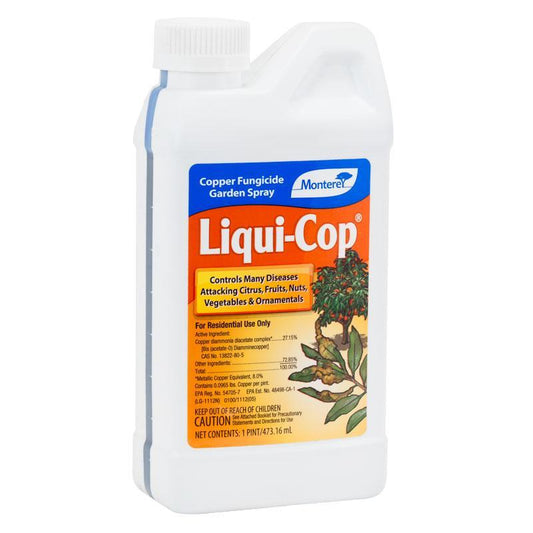
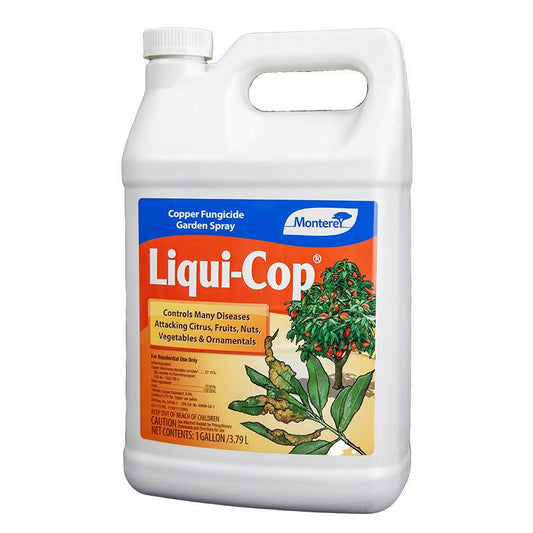
Preventive materials work only when the product label lists the crop and target disease and the application is timed correctly. Product availability, bacterial resistance, bloom safety and permitted uses differ by location. A prediction model signals risk; it does not authorize a pesticide application.
Before using any material, read the current label for timing, rate, protective equipment, re-entry and preharvest restrictions. Confirm recommendations with local Extension guidance. Do not substitute an insecticide, horticultural oil or general-purpose garden spray unless its label specifically supports the intended fire-blight use.

Where to go next
- Watch the fire blight identification and pruning video.
- Use the pear fire-blight symptom guide for pear-specific triage.
- Compare other pear foliage symptoms in our pear leaf-problem guide.
- Browse current bare root apple trees and pear trees, checking each product page for current characteristics.
Pesticide labels are the law. Use local Extension recommendations for diagnosis and region-specific management.
Related Pest Control Resources
Content role: Supplementary · Topic: Plant disease diagnosis & management
- Plant Disease Diagnosis & Organic Management
- Pest Control Solution Chart
- Browse Organic Disease Control products
- Fruit Tree Central
Identify the pest or problem first. For pesticides, repellents, traps, and biological controls, confirm that the current label or directions cover the target site and pest. Follow all directions and precautions.







21 comments
Lori, yes, just wash them before eating them.
Is it okay to eat apples from tree that have been sprayed with copper for fire blight?
The article mentions ‘application’ of antibacterial, is this a spray or an injection?
Thank you.
I have tried about as many suggestions as there are trees in an effort to eliminate fire blight from our crab apple tree. I’ve finally won!!!!!
I have used Blue Dawn to eliminate web worms for years and it works wonderfully.
I have now totally eliminated fire blight from our crab apple with Blue Dawn after years of fighting it. For the last two years (after spraying with Blue Dawn) there is absolutely no fire blight!!!!!!
R. Grunhof
I routinely use Serenade on my apples, but I have always read that spraying with antibiotic should be done if fireblight is suspected. not mentioned here.. is that passe’?