Growing Mustard Greens: A Complete Guide to Planting, Caring for, and Harvesting Fresh Greens
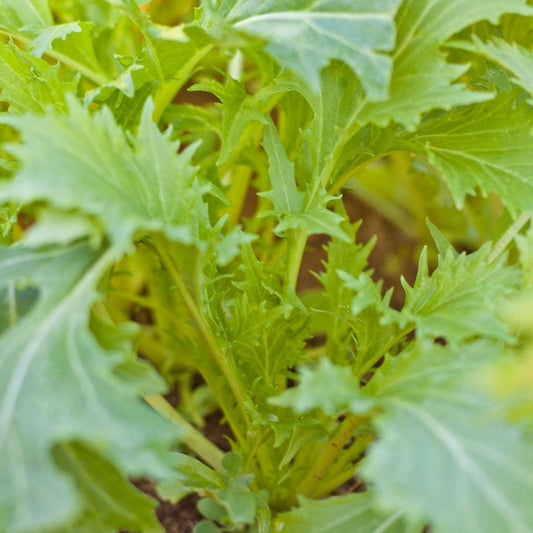
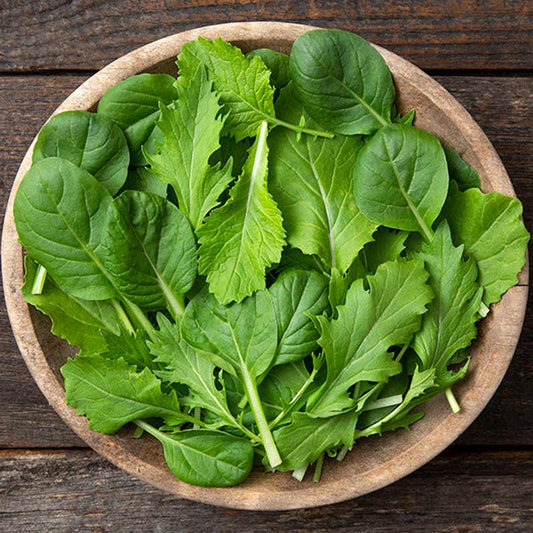
Mustard greens are one of the easiest leafy vegetables to grow. These fast-growing mustard plants thrive in cool weather and produce flavorful leaves for salads, soups, and stir-fries. Gardeners can harvest baby greens within a few weeks or allow plants to grow to about 12 inches tall for larger, mature leaves.
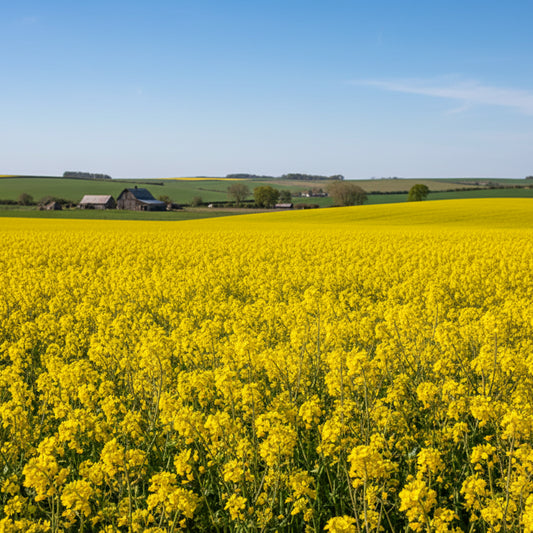
If left to continue growing, mustard greens eventually produce yellow flowers as they enter the flowering stage. Whether you're starting a vegetable garden or adding a seasonal crop, mustard greens are a rewarding choice.
This guide covers the basics of growing mustard greens, from selecting seeds to harvesting fresh leaves. You'll also learn about soil, watering, pests, and the best planting times for a successful harvest.

Why Grow Mustard Greens?
Mustard greens belong to the species Brassica juncea, a member of the cabbage family. These fast growing plants are valued for their tender leaves, mild to spicy flavor, and excellent cold hardiness.
Many gardeners choose to grow mustard greens because they:
- Are easy to grow from seed
- Mature quickly
- Grow well in spring and fall
- Produce multiple harvests
- Fit easily into raised beds, containers, and garden rows
Unlike many warm-season vegetables, it often taste sweeter after light frosts.
When to Plant Mustard Greens
Knowing when to plant mustard greens is one of the biggest keys to success.
These cool-season crops perform best in early spring or late summer for fall harvests. In most climates, you can plant seeds as soon as the soil can be worked in spring. For autumn harvests, sow seeds about 6 to 8 weeks before your average first fall frost.
Many gardeners ask about mustard greens planting dates. The answer depends on your climate, but avoid planting during the hottest part of summer because heat causes plants to bolt and the leaves become bitter.
If you're planning a cool-season vegetable garden, Grow Organic's article What to Plant in Your Winter Garden offers helpful planting ideas throughout the year.
How to Plant Mustard Greens
Learning how to plant mustard greens is simple because they grow best when direct sown.
Choose a location with full sun during cool weather or light afternoon shade in warmer climates. Before planting, mix compost into the soil to improve drainage and add organic matter.
Mustard greens grow best in slightly acidic to neutral soil with a pH of about 6.0 to 7.5. If you're researching mustard greens soil ph tolerance 5.5, plants may still grow in soil around pH 5.5, but they typically perform better within the recommended range. A soil test can help determine if adjustments are needed.
To plant mustard, sow seeds about ¼ to ½ inch deep in rows and keep the soil evenly moist until seedlings emerge. If you're learning how to sow mustard greens, thin the mustard green seedlings after germination to provide enough space for healthy leaf development.
For gardeners interested in how to grow mustard greens from seeds, direct sowing is often preferred because mustard greens can be sensitive to root disturbance during transplanting.

Caring for Mustard Greens
Once your planted seeds sprout, regular care helps the plants stay healthy and productive.
Water consistently to keep the soil evenly moist. Dry conditions can make the leaves tougher and stronger in flavor. A light layer of mulch helps conserve moisture and suppress weeds.
Watch for common pests and diseases, especially flea beetles, which chew tiny holes in young leaves. Floating row covers work well for protecting seedlings until they become established.
Fertilizer is usually unnecessary in fertile soil, but compost applied before planting provides plenty of nutrients for healthy growth.
Mustard Greens Companion Planting
Good companions help reduce insect problems and make better use of garden space.
Many gardeners practice mustard greens companion planting by growing mustard near onions, garlic, lettuce, spinach, or beets. These mustard greens companion plants enjoy similar growing conditions without competing heavily for nutrients. Good companion plants for mustard greens can also help attract beneficial insects and improve garden diversity.
Avoid planting mustard greens beside other brassicas such as cabbage, broccoli, cauliflower, and Brussels sprouts. These crops attract many of the same insect pests and diseases, increasing the risk of infestations.

When and How to Harvest Mustard Greens
Knowing when to harvest mustard greens makes a big difference in flavor.
Baby leaves are usually ready about 25 to 30 days after planting, while mature leaves are ready in 40 to 50 days depending on the variety. If you're checking mustard greens days to maturity, most varieties fall within this range. Some gardeners also search for Bald Head mustard greens days to maturity or Bold Head mustard greens days to maturity. These specialty varieties generally mature in about 45 to 50 days under good growing conditions.
For the best flavor, harvest mustard greens while the leaves are young and tender.
Instead of removing the whole plant, begin harvesting mustard greens by picking the outer leaves first. Leave the center intact so the plant continues producing new growth.
Learning how to harvest mustard greens this way allows multiple harvests from the same plants throughout the season.
Recommended Grow Organic Mustard Seeds
Starting with quality seed is one of the best ways to grow healthy mustard greens. Explore Grow Organic's Organic Mustard Seeds collection to find varieties for fresh salads, cooking, and cover cropping.
Some excellent choices include:
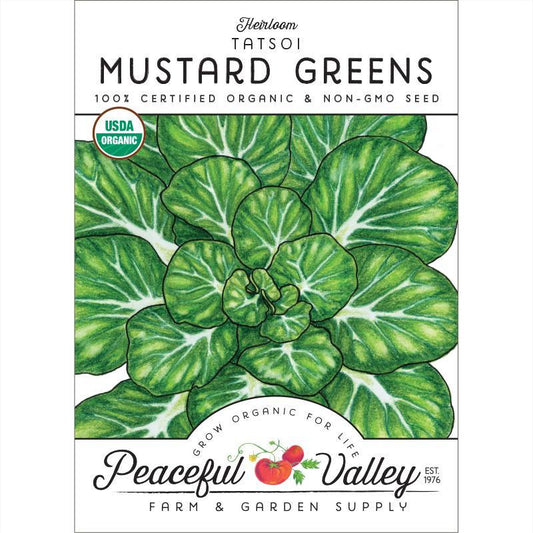
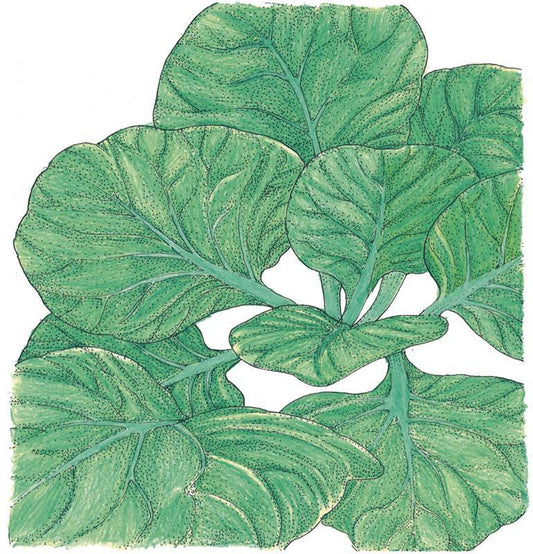
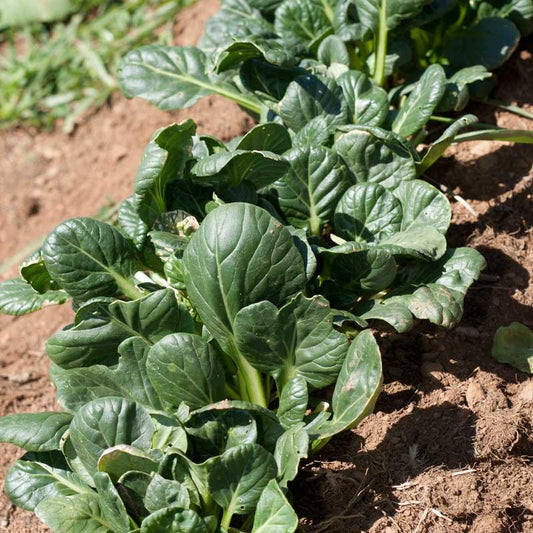
- Mustard Tatsoi Greens Seeds (Organic) produce tender, spoon-shaped leaves with a mild flavor. They are perfect for salads and quick stir fries.
- Organic Yellow Mustard is a versatile variety that can be grown for fresh greens or as a cover crop to improve soil health.
- Organic Greens, Mustard Tatsoi (1/4 lb) is ideal for gardeners planting larger beds or making several sowings during the season.
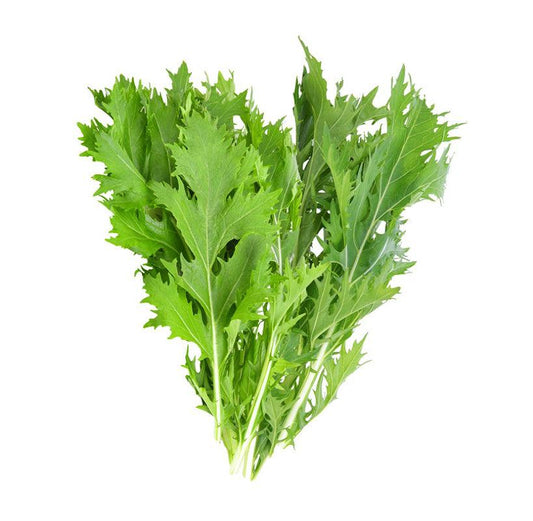
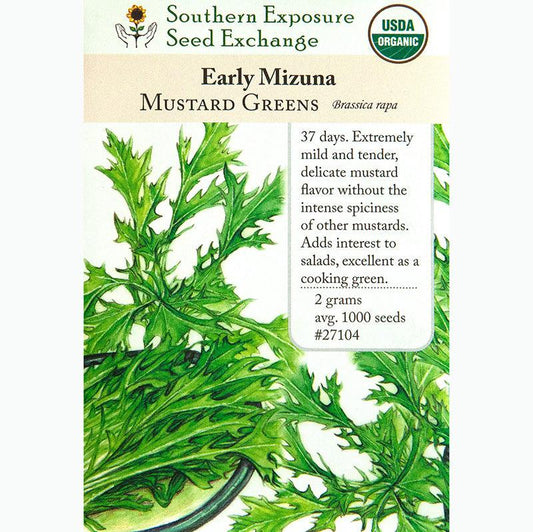
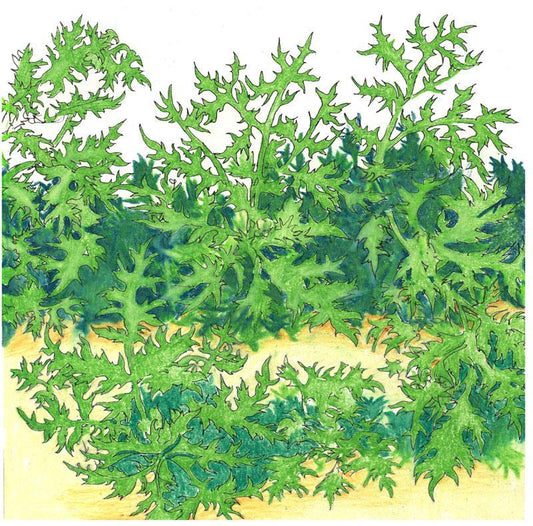
- Organic Greens, Mustard Mizuna (1/4 lb) produces finely cut leaves with a mild, slightly peppery flavor that blends well with other salad greens.
If you are interested in growing more cool-season crops, Grow Organic's September Gardening Checklist and What to Plant in Your Winter Garden offer seasonal planting tips. Gardeners looking to improve soil health can also learn about mustard cover crops in Grow Cover Crops in the Summer. For harvesting ideas, the Growing Gourmet Salad Greens video provides practical tips for picking leafy greens at their peak.
Conclusion
Growing mustard greens is one of the easiest ways to enjoy fresh vegetables from your garden. With well-prepared soil, regular watering, and the right planting time, these fast-growing plants can produce tender leaves in just a few weeks.
Whether you're learning how to grow mustard greens, trying to grow mustard for the first time, or choosing seeds for mustard greens, these hardy plants fit well in most home gardens. For gardeners researching mustard greens soil ph 5.5, mustard greens can tolerate slightly acidic soil, although they generally grow best in a pH range closer to 6.0 to 7.5.
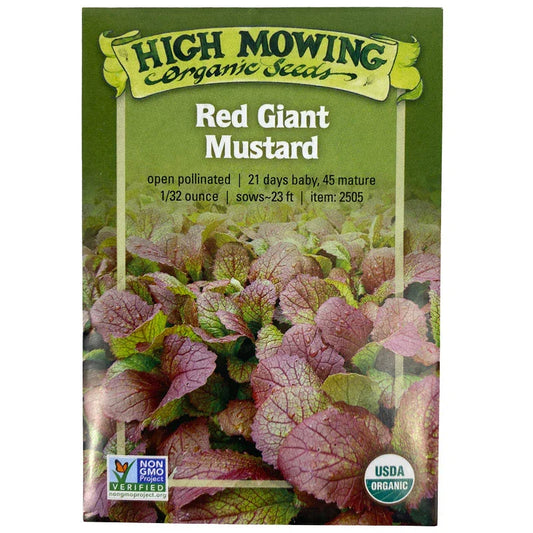
Harvest outer leaves regularly to encourage continued production throughout the season. Varieties like Red Giant add color and bold flavor to salads, soups, and stir-fries, making mustard greens a rewarding crop for fresh, homegrown meals.
FAQs About Planting, Growing, & Harvesting Mustard Greens
Are mustard greens hard to grow?
Do mustard greens grow back every year?
What should you avoid planting near mustard greens?
Will mustard greens grow back after cutting?
What month should you plant mustard greens?
Should you soak mustard green seeds before planting?
How do I know when my mustard greens are ready to pick?
Grow brassicas from seed
Turn this topic into a planting plan with our brassica seed growing guide, which covers sowing windows, transplant timing, spacing, and pest prevention. Explore the wider vegetable seed collection when choosing cool-season crops.