Fall is a useful time to establish cover, choose climate-appropriate garlic, protect young perennials, and repair storm-stressed infrastructure. Match each action to soil condition, forecast, cultivar requirements, and safe site access.
Use this perennial and infrastructure guidance with Restarting the Garden After Heat and Storm Season: A Regenerative Fall Plan for the Humid Southeast. Check Nematodes, Caterpillars, Slugs, and Lingering Disease in Southeast Fall Gardens before pruning or removing damaged material when the cause is uncertain.
Separate plant care from infrastructure work
| Segment | Seasonal task | Elevation or exposure effect | What to confirm |
|---|---|---|---|
| Subtropical Florida | Subtropical Florida treats winter as a prime production season | Piedmont and upcountry elevations shorten the warm season and increase freeze risk; coastal and peninsular sites remain warmer and more humid. | Confirm cultivar fit, drainage, heat exposure, and safe access. |
| North Florida and Gulf Coast | The Gulf Coast combines long seasons with storm and disease pressure | South Florida can be frost-light while inland and Piedmont sites receive intermittent freezes. Hardiness does not measure summer heat, humidity, chill requirements or disease pressure. | Inspect storm anchors, supports, roots, and disease pressure. |
| Atlantic Coastal Plain | Coastal Plain soils often drain fast but leach nutrients | Hurricanes, tropical storms, flooding, extreme rain, heat, lightning, intermittent freezes and coastal salt/wind exposure. | Check wind, salt exposure, sandy-soil moisture, and material anchoring. |
| Piedmont and inland/upcountry | Piedmont gardens have clay, elevation and freeze risk | Drainage and raised-bed design are often primary; sandy soils need smaller monitored irrigations; heavy rain can leach nutrients; overhead watering raises disease risk; stormwater routing matters. | Account for clay drainage, elevation, cold-air movement, and freeze risk. |
South Florida can be frost-light while inland and Piedmont sites receive intermittent freezes. Hardiness does not measure summer heat, humidity, chill requirements or disease pressure. Cultivar-specific hardiness, chill, dormancy and establishment requirements still need direct verification.
Seasonal task checklist
- Check official weather, smoke, fire, flood, wind and access information before work.
- Inspect supports, ties, covers, tools, irrigation and emergency clearances.
- Measure young-perennial root moisture separately from mature plantings.
- Keep mulch and hardware away from trunks and crowns.
- Verify cultivar hardiness, chill, dormancy and shipping requirements.
- Harvest and remove confirmed problem material selectively.
- Leave safe roots or residue protecting open soil.
- Prepare protection or winterization only when the local trigger requires it.
- Clean, repair, reuse or retire infrastructure according to condition.
- Record what you did and the condition that should trigger the next seasonal task.
Decide when perennial and infrastructure work can proceed
| Task | Proceed when | Wait or limit when | Check afterward |
|---|---|---|---|
| Plant or order a perennial | Cultivar, rootstock, chill/hardiness, site and shipping window fit | Destination or establishment window is uncertain | Current cultivar and destination evidence |
| Adjust mulch/root cover | Active roots need protection with trunk/crown clearance | Saturation, rodents, fire placement or bark contact conflicts | Moisture, bark and local rules |
| Install wind/frost/rain protection | Structure, ventilation, load and access are suitable | Material may trap heat, fail in wind/snow or block access | Forecast and structure after installation |
| Prune or sanitize | Objective and diagnosis are clear; plant condition supports the cut | Extreme stress or canopy exposure raises risk | Species-specific guide and plant response |
| Turn over a bed | Harvest, sanitation, cover and next use are coordinated | Work would leave bare unstable soil | Protected soil and a clear plan for the next use |
| Winterize irrigation | Local freeze risk and equipment instructions require it | Active production still needs the zone | System map and post-action test |
Put seasonal tasks in a safe order
Finish heat and storm recovery first, then protect young roots, prepare appropriate dormant-season purchases, and repair slopes, trellises, or irrigation before the next major weather event.
Cultivar and site decisions must remain specific. Regional guidance cannot confirm hardiness, chill sufficiency, bloom timing or shipping eligibility. Inspect trunks, crowns, roots and attachment points; avoid large stress-inducing changes when the forecast or plant condition argues for waiting.
Extend infrastructure life safely
Clean, dry and service tools according to manufacturer guidance. Inspect fabric, stakes, ties and tubing for ultraviolet damage, abrasion, rot or unsafe load. Reuse sound components and retire those that cannot perform safely. Reuse is not beneficial when material spreads a confirmed problem or fails under wind, rain, crop, or water load.
Plan the next use before clearing a bed
Before removing a crop, decide where usable harvest, seed, healthy residue and confirmed problem material will go. Record the crop family and any pest or disease evidence. Cap or move irrigation only after the next next use of the bed is named. Leave soil protected, paths stable and the destination for starts or dormant material clearly labeled so another gardener does not have to reconstruct the season.
Protect young perennials as their own irrigation zone
Young trees, berries and vines have limited roots and should not inherit a mature planting schedule. Probe the active root area, move emitters outward as roots expand and keep mulch off bark and crowns. Inspect ties, guards and supports for rubbing or constriction. Avoid major canopy changes during environmental stress when they could expose bark or fruit, unless safety or confirmed damage requires work.
Design wind, frost and storm protection for removal
Define the exposure a structure must modify, then check anchors, ventilation, load, plant clearance and worker access. Windbreaks and covers can redirect wind, trap heat or humidity and collect rain or debris. Inspect them during safe conditions after installation. Label reusable parts, repair them and store them dry; retire degraded material before it fails over people or plants.
Use field conditions to time the work
| Trigger | Diagnostic question | When to act |
|---|---|---|
| First soaking rain or a verified irrigation substitute | Did weather change plant stress or make access unsafe? | Delay nonessential work until access and weather are safe. |
| Soil cool enough for the selected seed but still warm enough for establishment | Does the cultivar’s planting, chill, hardiness, or dormancy window still fit? | Proceed only after cultivar and destination requirements are confirmed. |
| Local first-frost forecast rather than a fixed date | Can the support carry mature crop, wind, rain, or cover loads safely? | Repair, resize, or retire unsafe components before adding load. |
| Declining evapotranspiration and shorter daylight | Has the active root zone recovered enough for planting, pruning, or other work? | Limit work when roots or canopy are already under severe stress. |
Connect each practice to a measurable outcome
| Practice | Intended outcome | Evidence |
|---|---|---|
| Perennial root-zone cover | Higher perennial survival probability | Photograph trunks, crowns, roots, ties, and supports before and after work. |
| Structural maintenance that extends tool and support life | Less infrastructure waste | Record cultivar, rootstock, chill or hardiness evidence, and planting date. |
| Selective pruning and sanitation | Safer seasonal turnover | Inspect anchors, abrasion, constriction, ventilation, and load after installation. |
| Postharvest soil cover | Protected soil between crop cycles | Track root-zone moisture and new growth in young perennials separately from mature plants. |
| Keep living roots through long seasons | Higher perennial survival probability | Record repaired, reused, and retired materials along with the next maintenance date. |
These practices can help, but results depend on site conditions and follow-through. A seasonal operation is not successful when it adds plant stress, shortens infrastructure life, blocks access or ignores cultivar and destination limits. Keep a reference or marked observation point where practical.
Local decision examples
Gulf Coast storm repairs: Confirm safe access, anchor condition, and root stability before tightening supports or pruning. Remove only confirmed hazards or damaged material.
Coastal Plain young fruit: Sandy soil may dry quickly around a small root system. Check moisture close to the plant, move emitters as roots expand, and keep mulch off trunks and crowns.
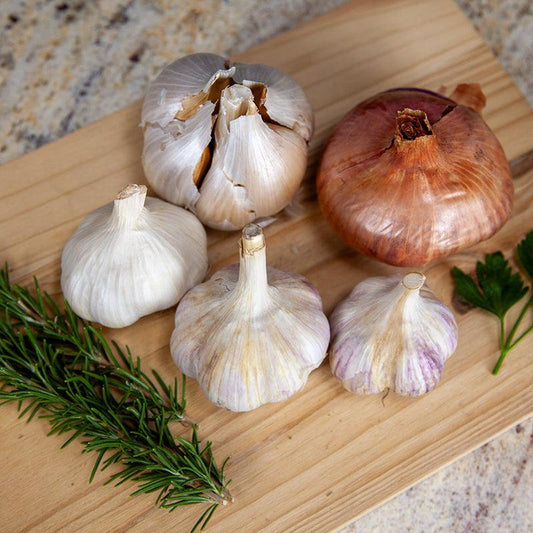
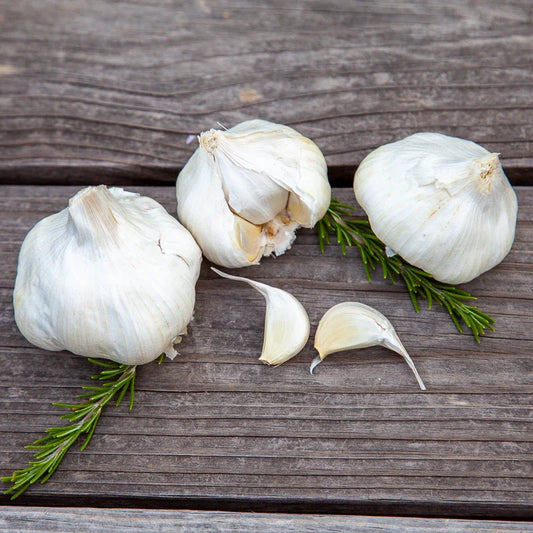
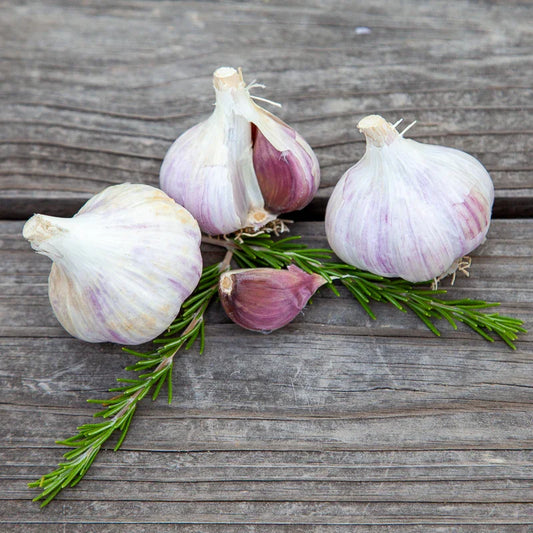
For step-by-step help with the methods mentioned here, see Bare Root Tree Care: Receiving, Planting & First-Year Growth, How to Prune Fruit Trees: Timing, Cuts & Training Systems, and How to Choose Garlic for Your Climate. Match each method to your soil, weather, crop, and current garden conditions.
Continue the regional cycle
Schedule perennial and infrastructure work with winter guidance, spring guidance, and summer guidance.
For additional perennial and infrastructure reasoning, compare SoCal guidance, cold-climate guidance, and Southwest guidance. Use only ideas that fit your soil, exposure, forecast, water, and crop response.
Compare products only after diagnosing the need
When the observation and action sequence identify a real need, compare Year Round Cover Crop Mixes, Seed Garlic and Pruning & Cutting Tools. Start with the collection, then verify the selected item’s live availability, instructions, destination eligibility and fit for the measured site. Choose a product only when it addresses the diagnosed need; waiting, resting the bed, sanitation, or a site correction may be the better action.
Record results and next steps
Log cultivar/site fit, plant stress, supports, tools, cover, harvest, winterization and the next seasonal operation. Photographs from repeatable positions make delayed injury or improvement easier to judge. When identification, legal use, or site constraints remain uncertain, consult a local Extension office or another qualified local adviser before acting.
Diagnose the soil constraint
A leached Coastal Plain sand, compacted Piedmont clay, and a saturated low spot should not receive the same repair. Decide whether the constraint is physical, chemical, or biological, then use the test that can answer it; compost, fertilizer, tillage, and leaching are not interchangeable remedies.
Audit water from source to root
Check the source, filter, pressure, emitters, wetting pattern, and safe outlet during a measured event. Sandy soil may need smaller applications, while clay and low areas may need a drainage correction; solve distribution or runoff before changing total volume.
Use elevation as a decision variable
Cold air can pool in inland and Piedmont sites while coastal and peninsular gardens remain warmer and more humid. Use elevation, slope aspect, and local records to time planting, protection, and repairs; a cultivar or structure that works at a warm sheltered site may not fit an exposed or elevated garden.